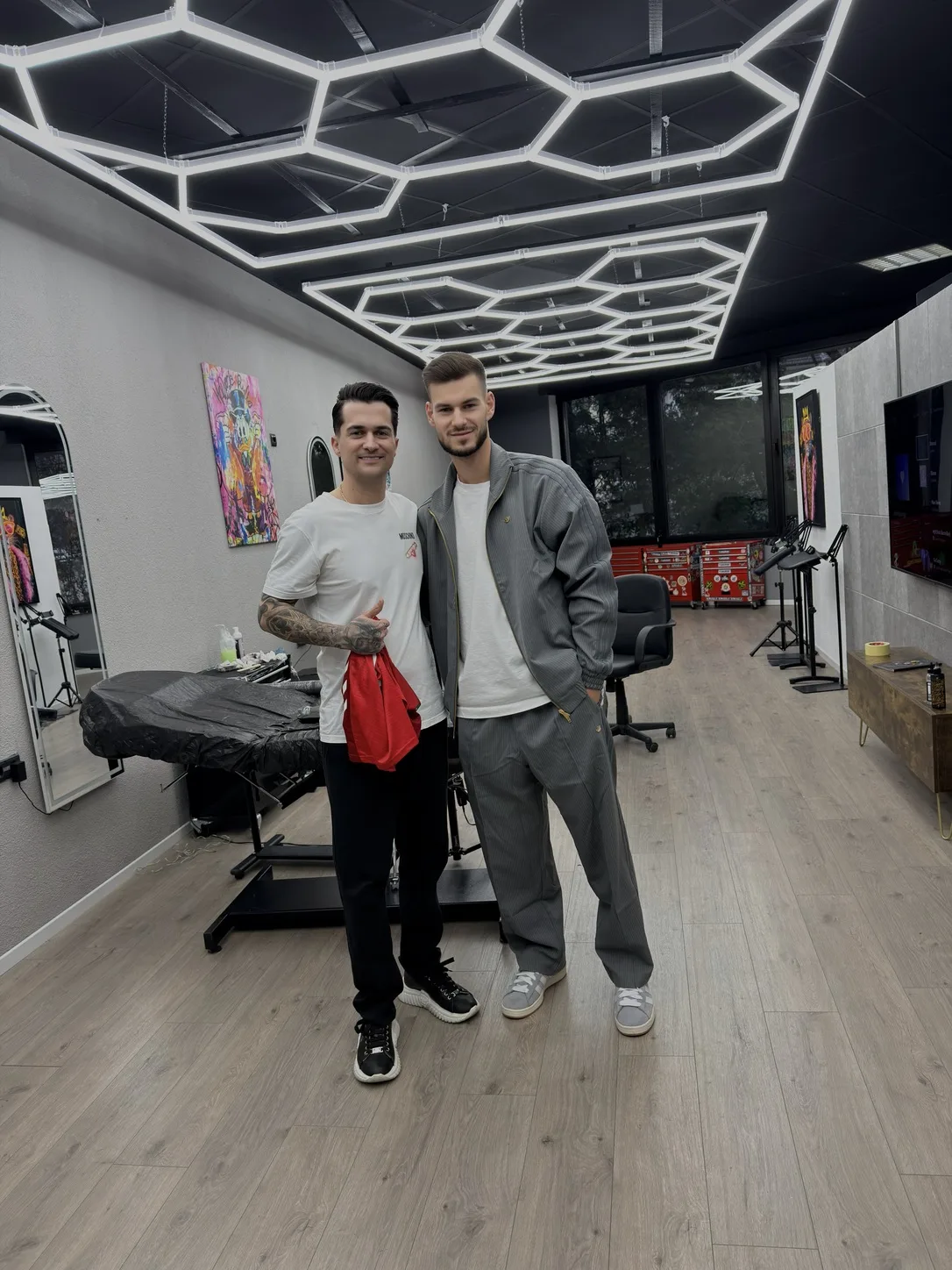
Marlon Böhmer is the founder of the German studio "Tätowiert Bergheim" with six years of experience in the industry. Specializing in Black and Grey realism, he incorporates graphic elements, dotwork, and fine lines, focusing on long-term readability and contrast. His work has been recognized with multiple awards at tattoo conventions, and his client list includes professional football players such as Justin Diehl, Tom Krauß, and Damion Downs. Marlon prioritizes structural clarity and anatomically precise placement, especially when designing large-scale compositions.
Marlon, could you tell us a bit about yourself — where are you from, and how did you get into tattooing?
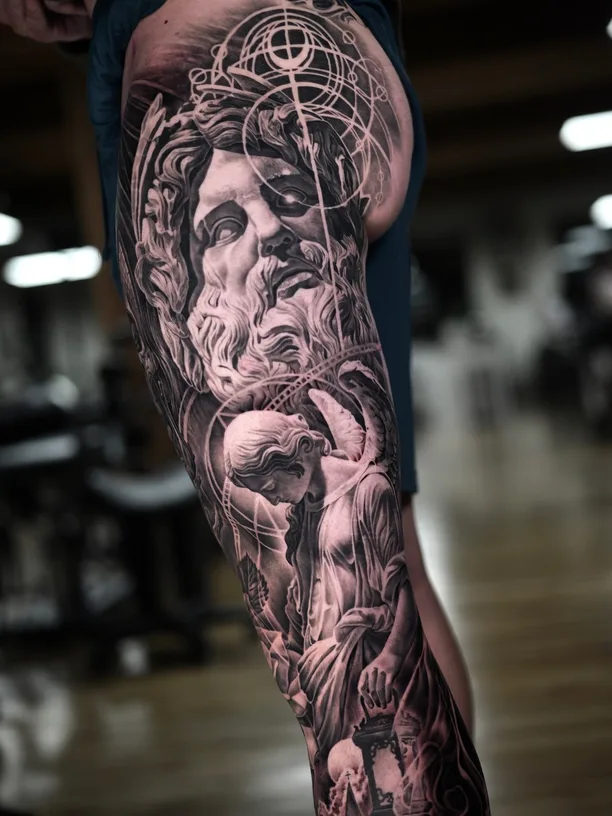
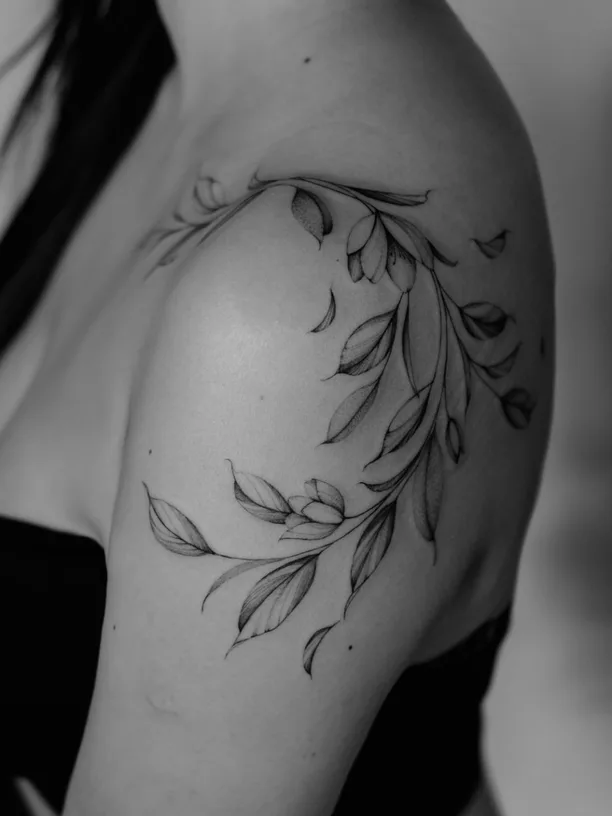
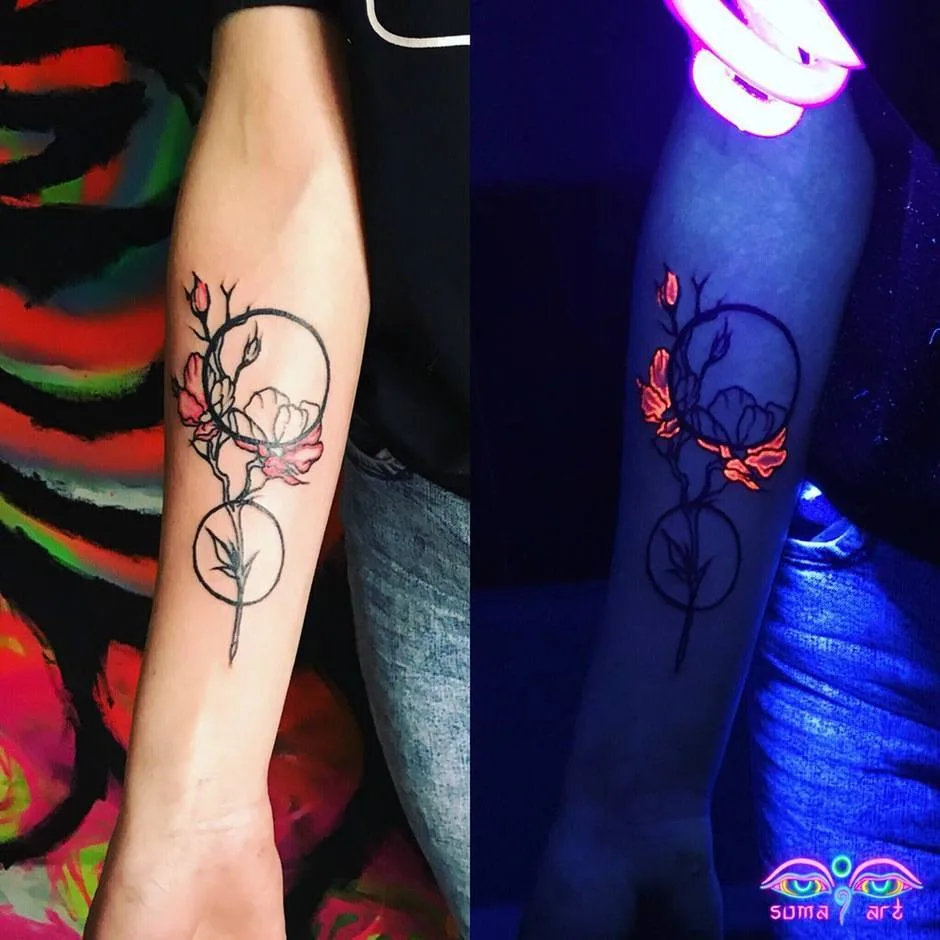
— My work is primarily focused on black and grey realism, though I also work with graphic elements, fine line, and dotwork when they support the concept.
From the beginning, I was focused on creating work that translates clearly onto skin and holds up over time. Tattooing became the medium where I could bring that vision into reality.
When did you start tattooing, and what was your path before becoming a tattoo artist?
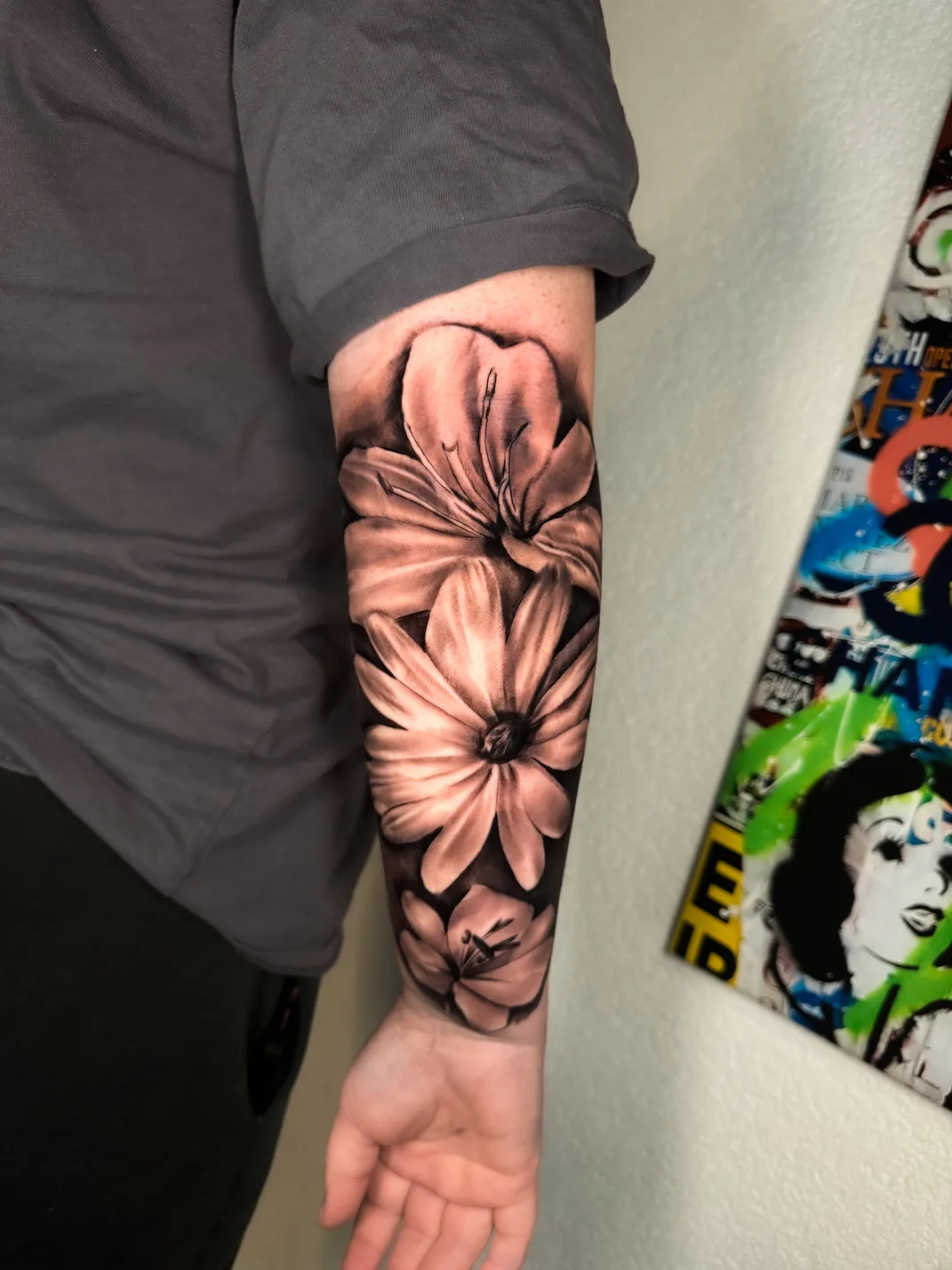
— I started tattooing around six years ago. From the early stages, my focus was on building a strong understanding of how tattoos behave on skin in the long term. That mindset has shaped everything I do today.
Can you tell us how your style has evolved over time?
— At the beginning, like most artists, I tried many different things. But quite quickly, I realized that complexity was not the goal — clarity was.
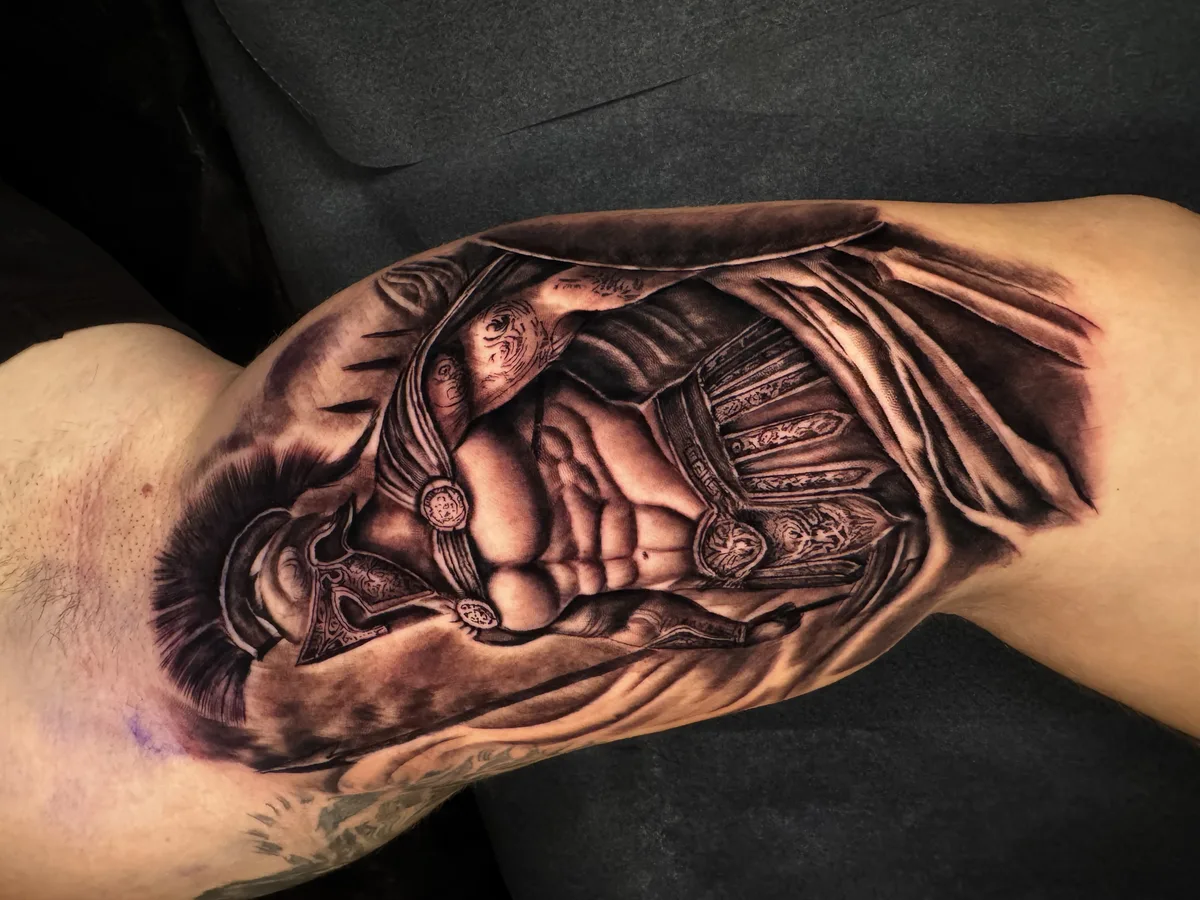
Over time, I began removing unnecessary details and focusing more on contrast, clean structure, and long-term readability on skin.
Today, my work is primarily defined by black and grey realism, combined with graphic elements, fine line, and dotwork when they enhance the overall composition.
What distinguishes your realism from the work of other artists?
— Many realism artists focus heavily on detail. I focus on structure, contrast, and longevity.
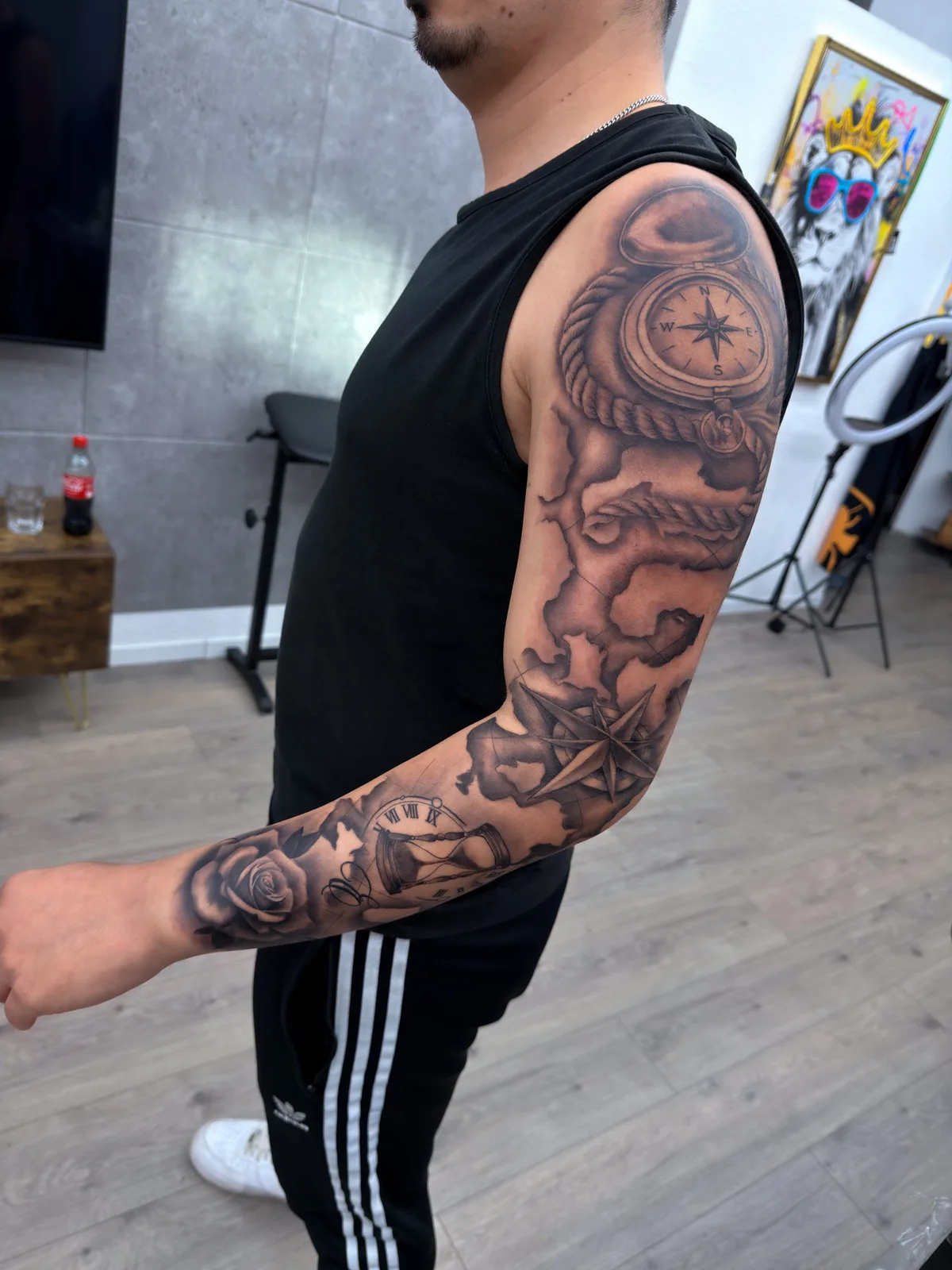
I work with controlled tonal ranges instead of overloading the tattoo with unnecessary grey. A tattoo has to work not only on the first day, but also years later on the skin. That’s why I separate highlights, mid-tones, and blacks very consciously. I avoid muddy transitions and over-detailing.
My goal is realism that remains readable and strong over time.
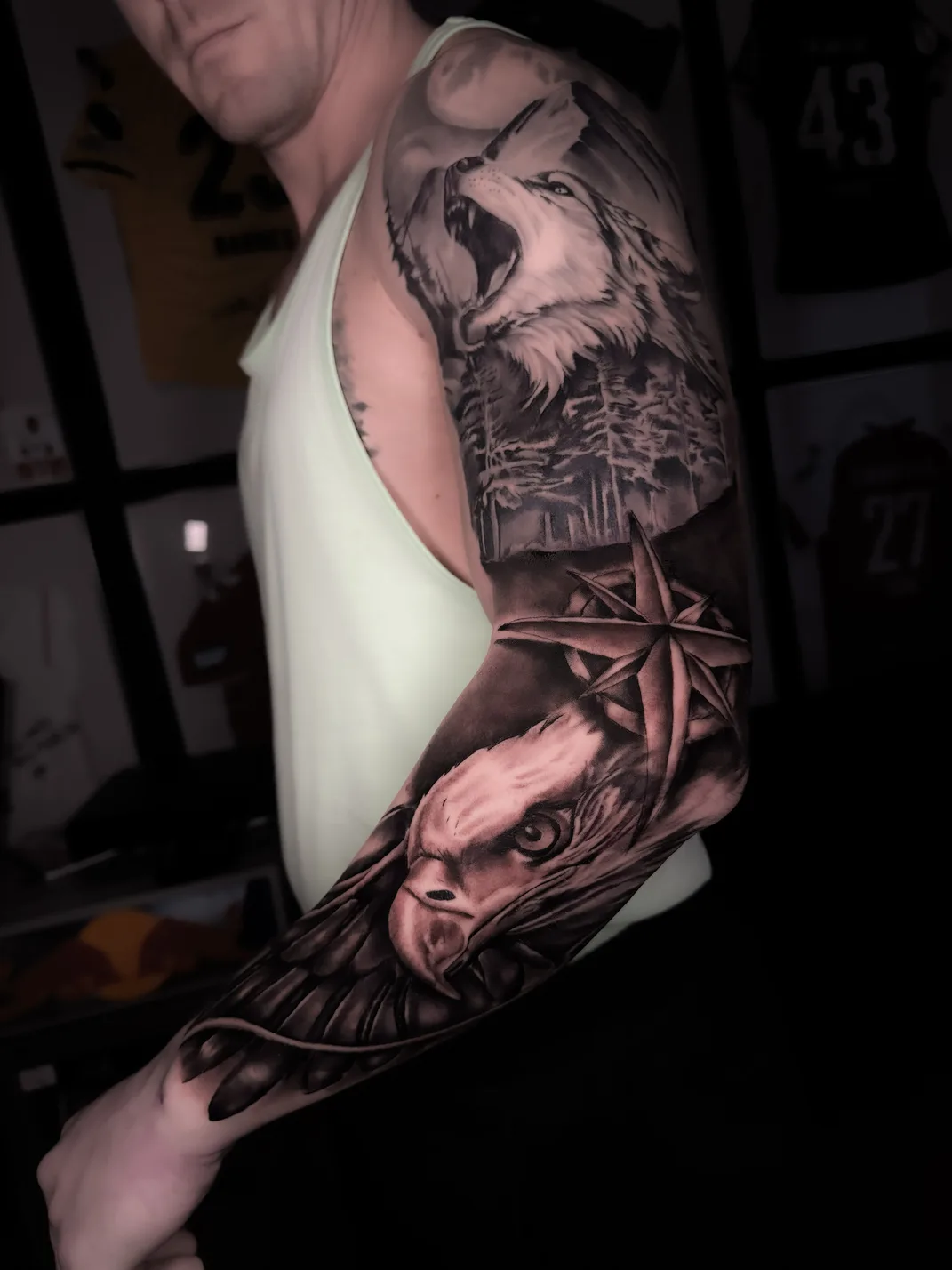
What fascinated you about realism, and what themes do you focus on most?
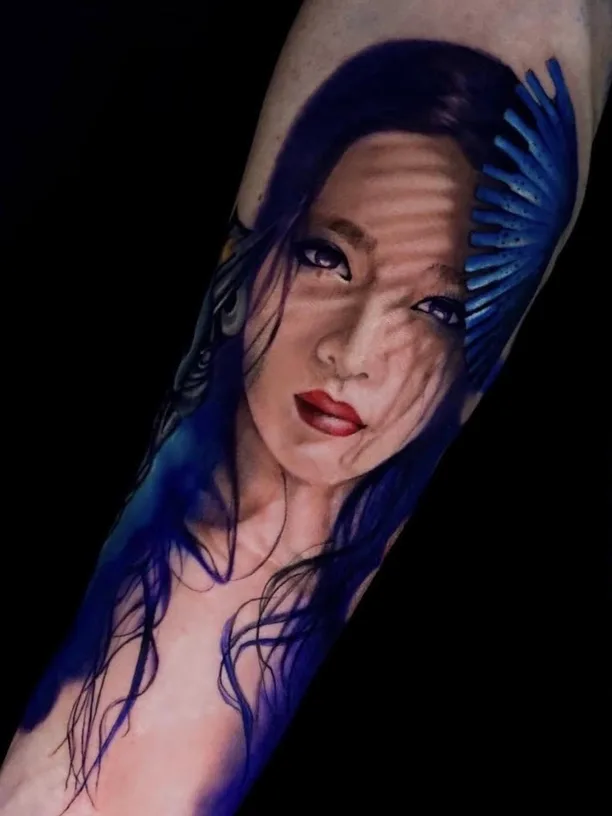
— Realism is the closest you can get to creating something that feels alive on skin. I’m especially focused on strong faces, emotion, and powerful compositions, often combined with symbolic elements such as angels, animals, or classical influences.
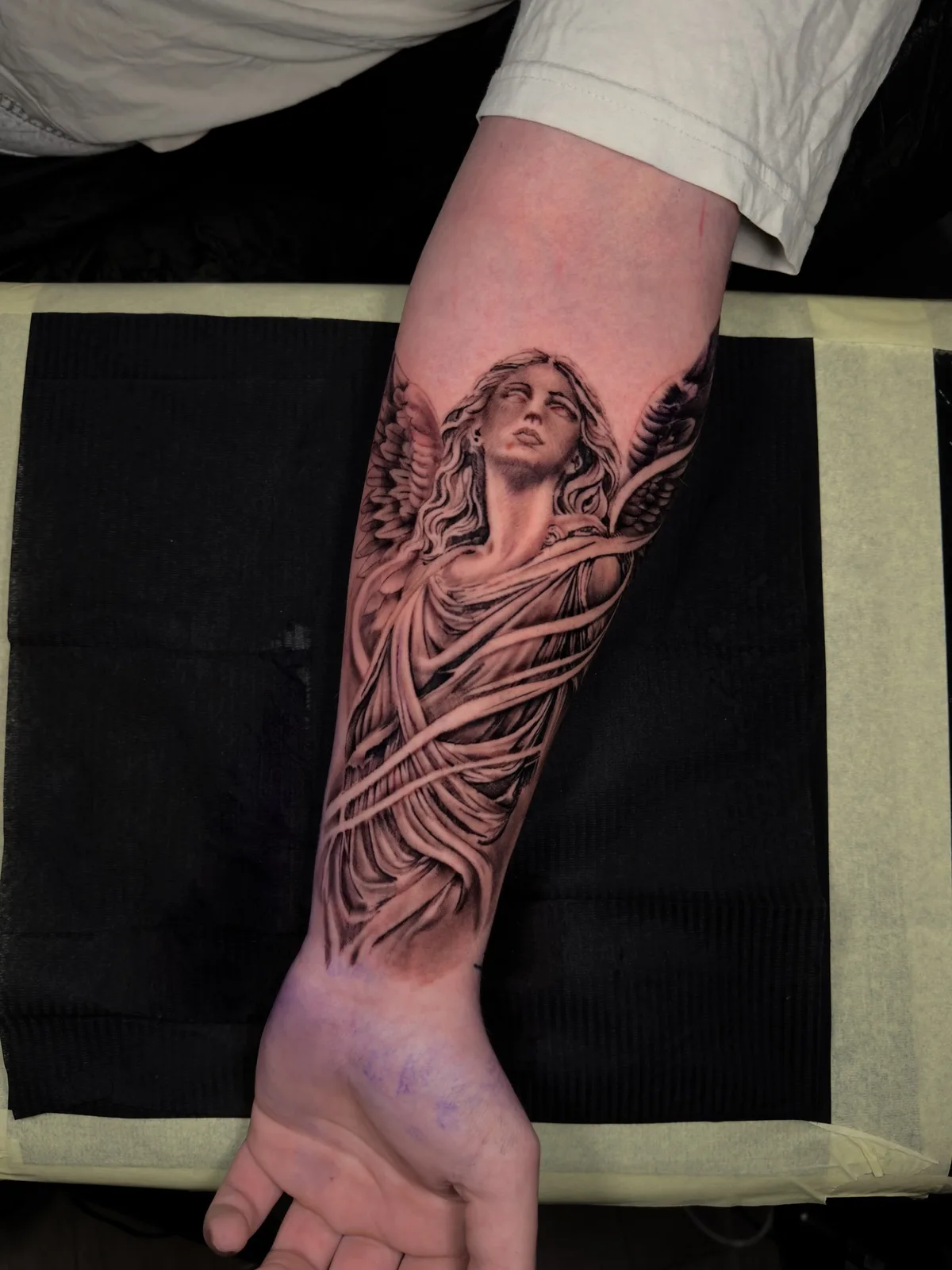
Do you usually create custom designs based on clients’ ideas, or do you prefer developing your own concepts?
— I always work with custom designs, but I take full control over the final composition. Clients bring ideas, references, or personal meaning, but the design itself is built in my style. That is the only way to guarantee a strong and consistent result.
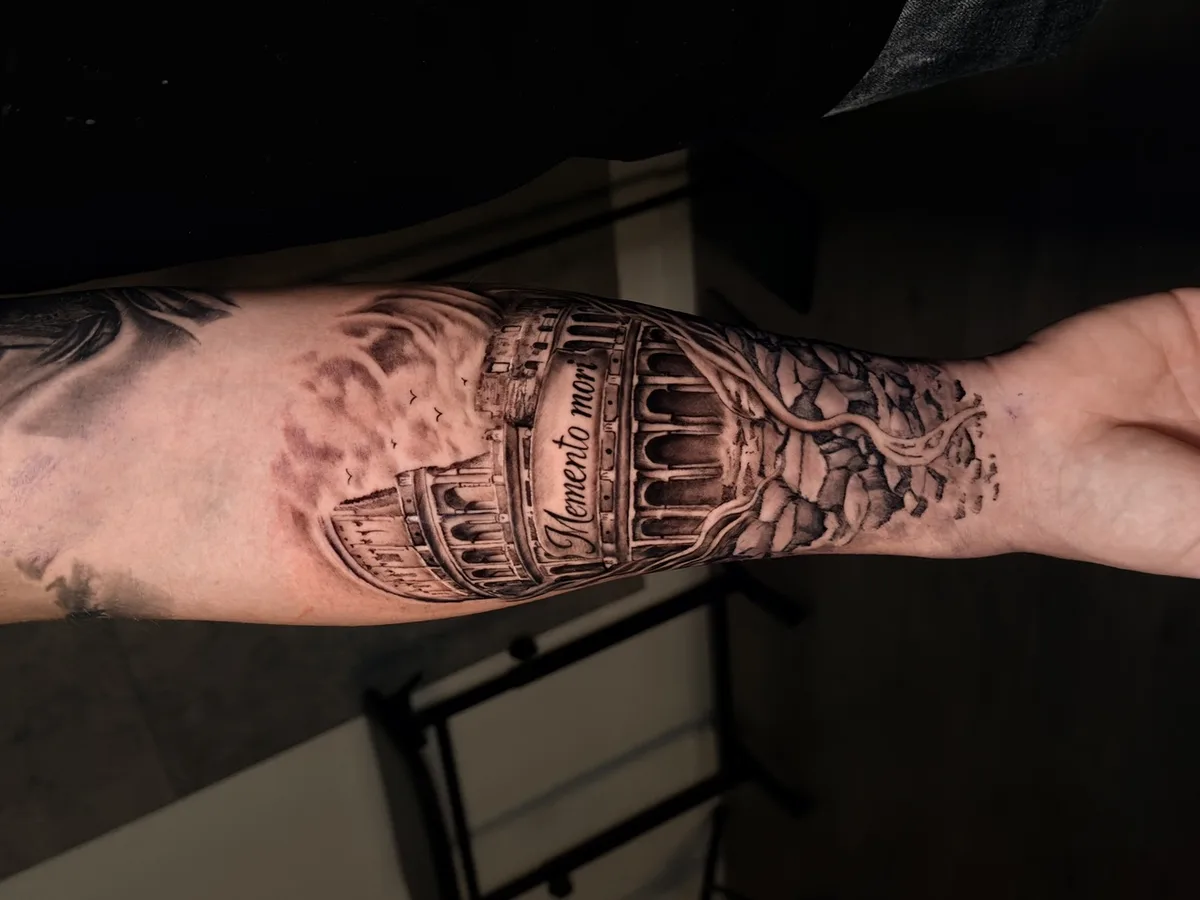
Where do you usually get inspiration for your work?
— Mainly from strong compositions, classical aesthetics, and real human expression. I’m less inspired by other tattoos and more by what works visually and stands the test of time.
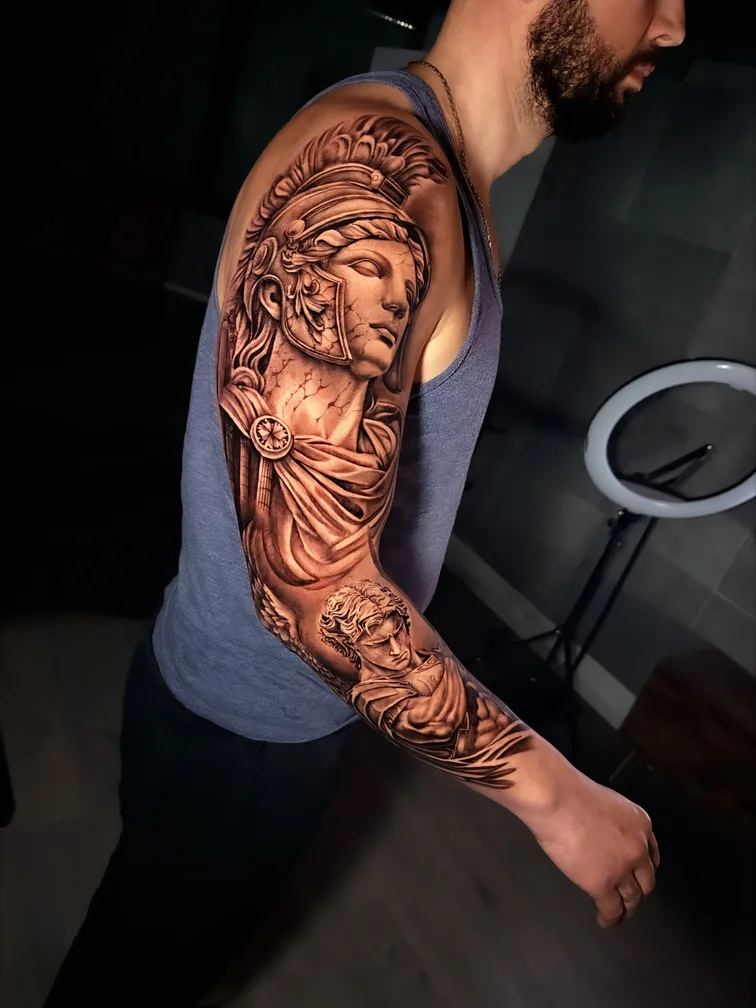
How do you approach a new project? Where does the process usually start?
— It always starts with the placement and flow on the body. I design tattoos specifically for the anatomy, rather than treating them as standalone images. After that, I build the main focal point and structure the composition around it.
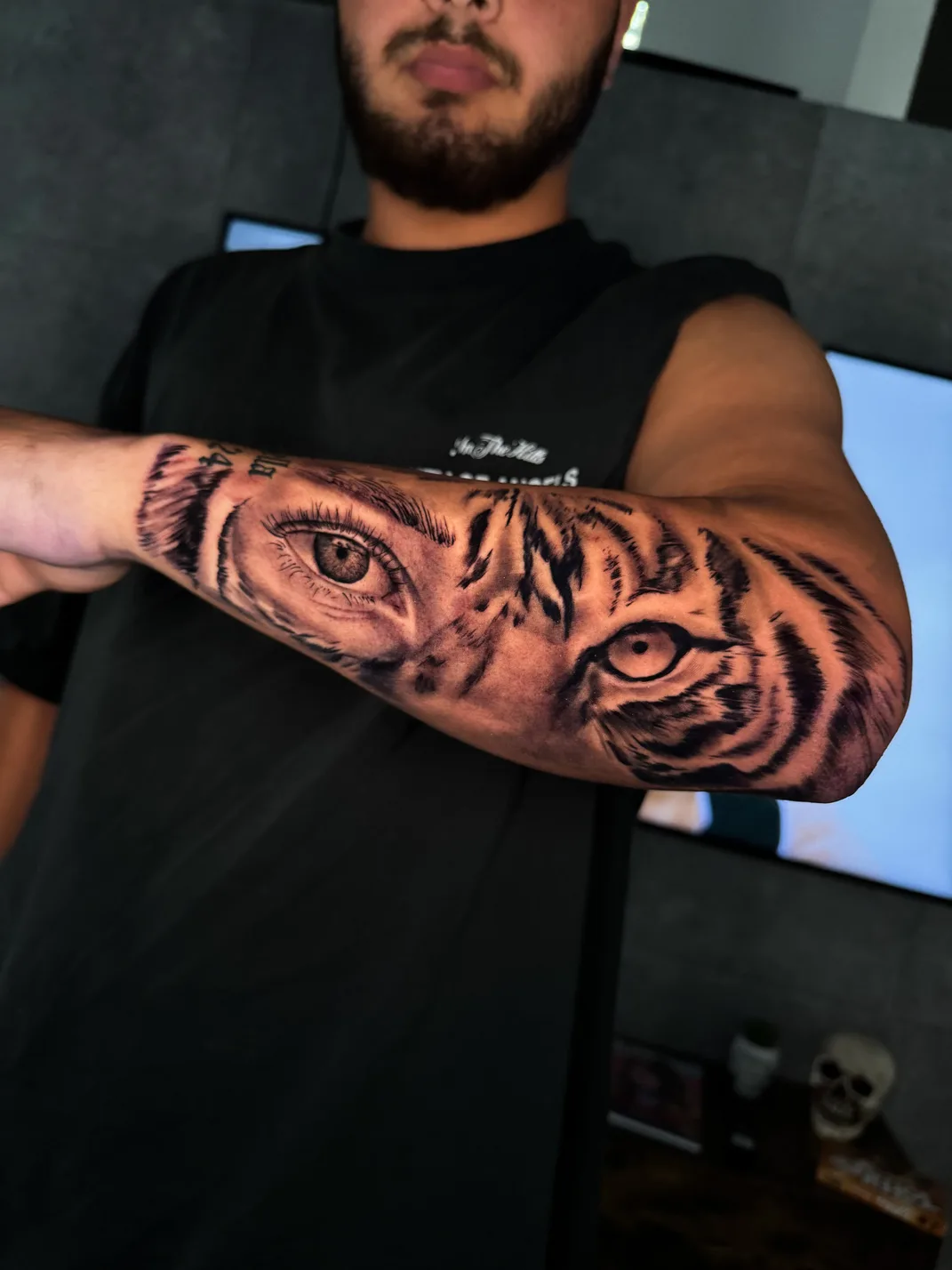
Can you name one or two projects that are especially close to your heart and explain why?
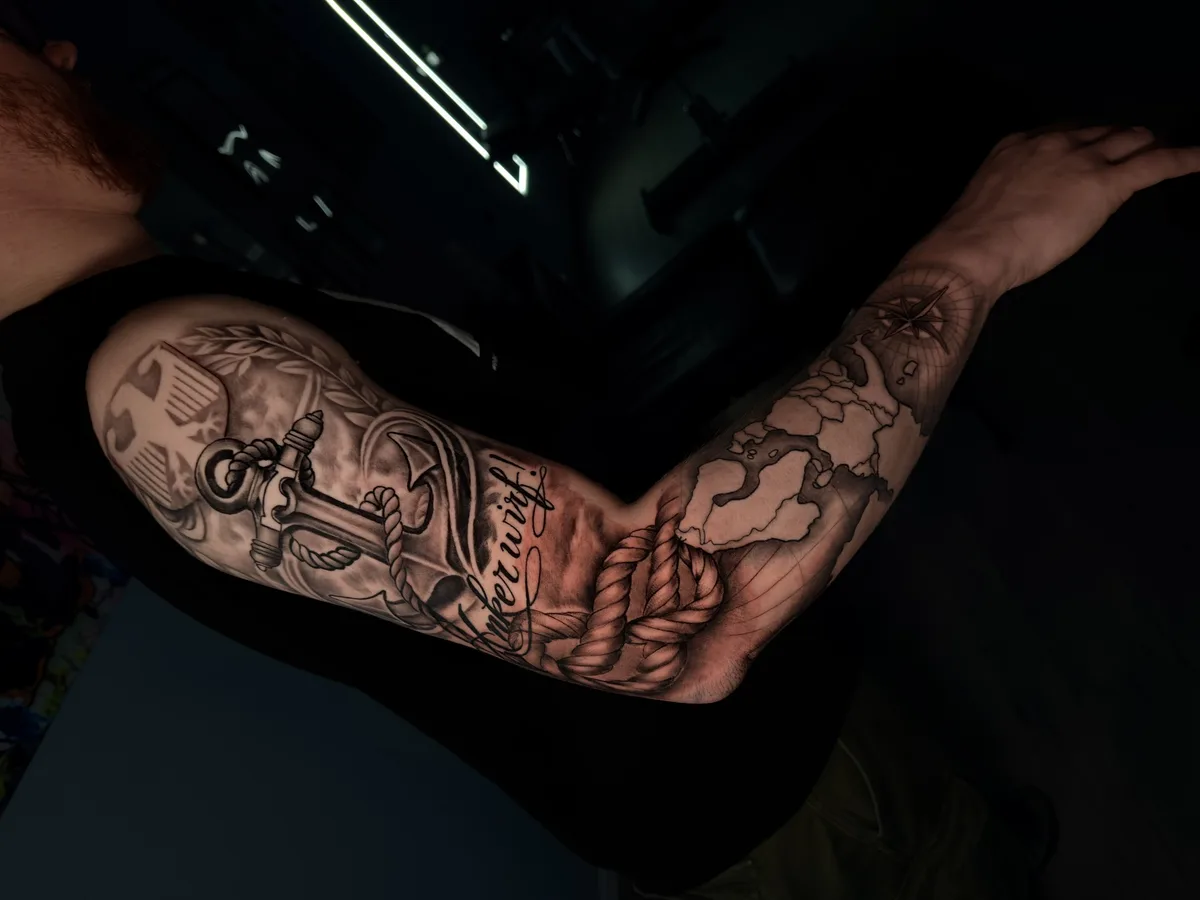
— The projects that stand out most are usually large-scale pieces, such as sleeves, where I can fully control the composition. These projects allow me to create something cohesive — not a single image, but a complete visual concept that flows with the body.
Do you have experience participating in tattoo conventions? Can you share your experience and any awards?
— Yes, I’ve participated in several tattoo conventions over the years. Those experiences helped me connect with other artists, exchange knowledge, and push my own standards further.

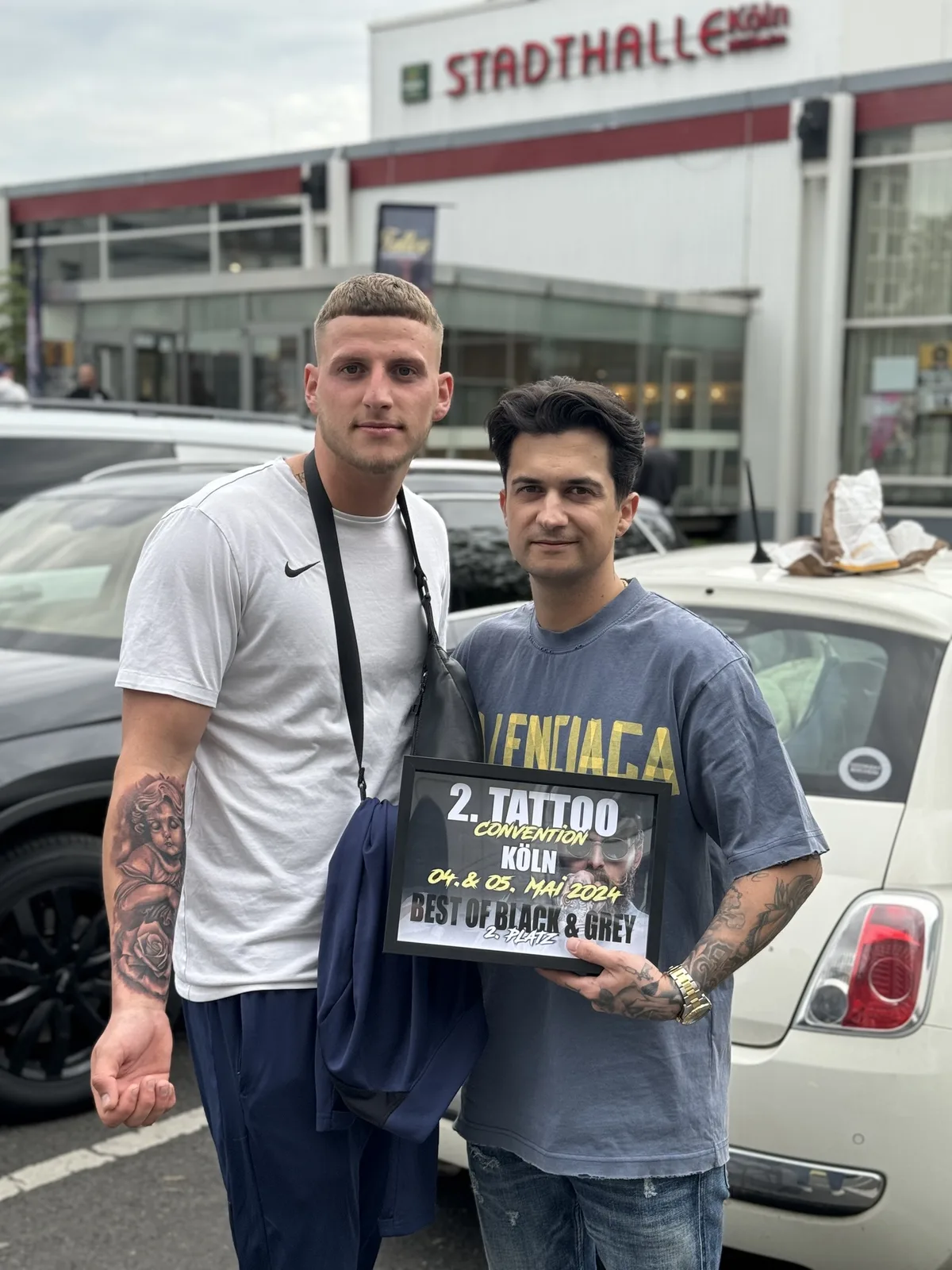
I’ve also received multiple awards at conventions, which reflects the consistency and quality of my work. That said, my main focus has always been building strong, long-lasting results in the studio rather than chasing short-term recognition.
I’m also a pro team member of Biotatum.pro and Hels Kitchen Tattoo Supply, which is an important part of my professional network and reflects my connection with brands that support serious work in the industry.
You founded your own studio, Tätowiert Bergheim. Can you describe the atmosphere you aim to create there?
— The studio is built around focus and professionalism: a clean environment, high standards, and no distractions. It’s not about being loud. It’s about delivering strong, high-quality work consistently.
Do you have any well-known or celebrity clients? Can you tell us about that?
— Yes, I’ve worked with professional athletes, including football players. But in the end, it’s not about who sits in the chair. It’s about the quality of the work.

Marlon Böhmer, black and grey classics

Marlon Böhmer, black and grey realism

Signed sports jersey collection display
Do you often collaborate with other artists or studios?
— I’m open to collaborations, but only if the level and vision match. I prefer working with artists who take the craft seriously and focus on long-term quality.
Looking ahead, what direction do you see yourself taking in the coming years?
— The goal is clear: to push the quality further, refine the style, and position myself at a higher level internationally. Not more tattoos — better tattoos.