After a mastectomy, the body changes, and medical reconstruction does not always fully complete this process. For many women, the areola and nipple remain an important point closely connected to how they perceive themselves.
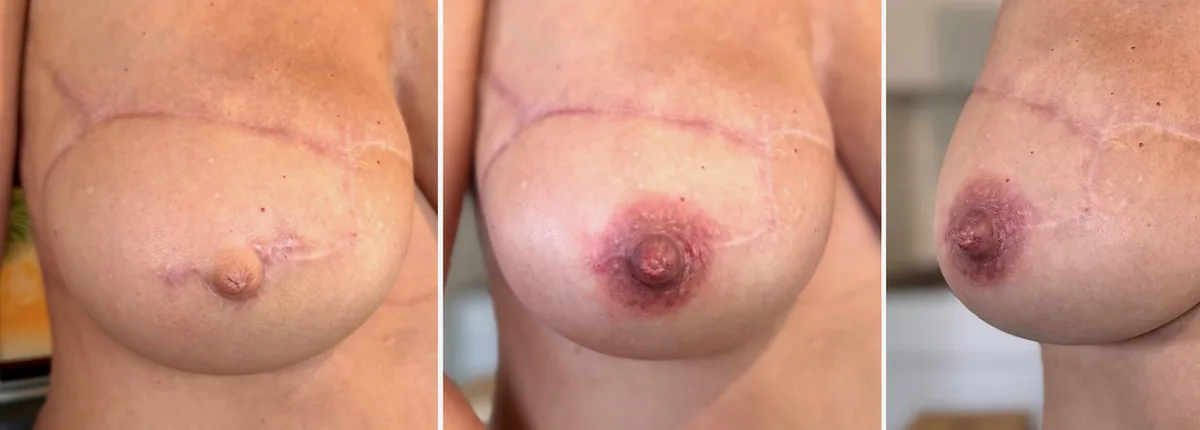
Tattoo artist Andries Mons addresses this part of the journey in his studio, Mons Ink. He specializes in areola and nipple reconstruction, helping clients regain a sense of completeness and confidence. In this interview, he shares his perspective on medical tattooing, explains how the process works, and reflects on why, for him, it’s not only about how the result looks, but also about how a person feels afterward.
Andries, could you tell us a bit about yourself . Where you’re from and how your career as a tattoo artist began?
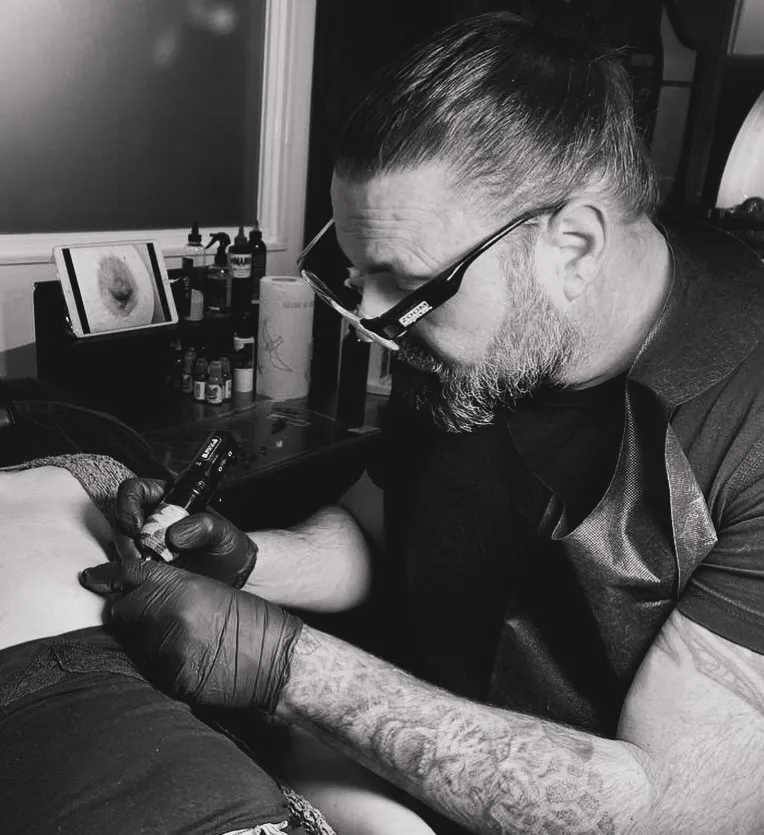
Andries: I was born in Voorburg and grew up in Zoetermeer, in the Netherlands. My background is actually in fine art: I studied at the art academy in Rotterdam and spent many years working as a painter, creating murals and exhibiting my work. Art was always my starting point, but over time I felt the urge to connect more directly with people. Tattooing offered that possibility. Art that becomes part of someone’s life instead of hanging on a wall. After years of drawing, training and slowly transitioning, I opened my own private studio in 2017. My experience as a painter still guides everything I do, especially my focus on detail, realism and depth.
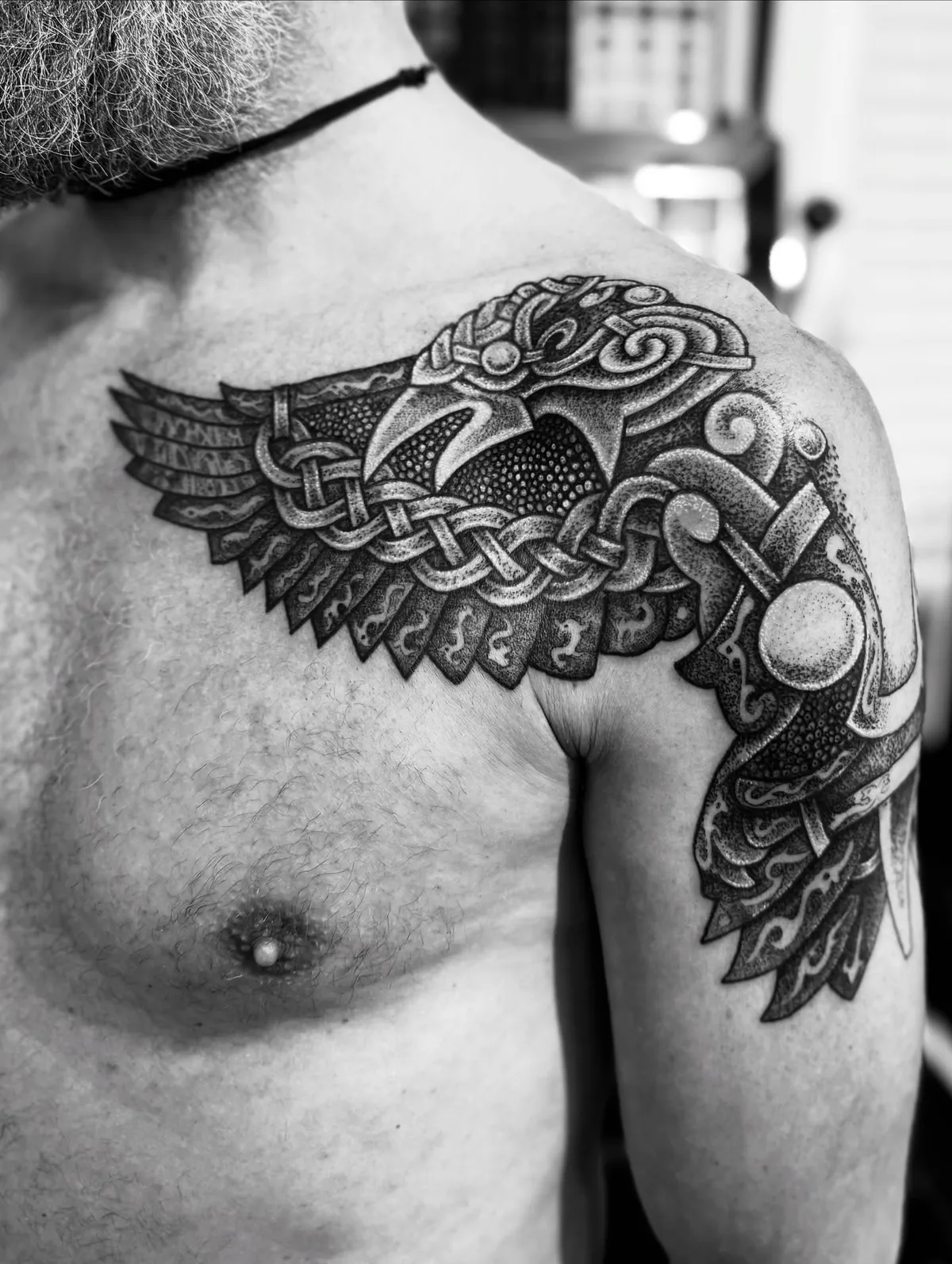
My foundation is purely artistic. I was formally trained at art school, where I learned to work with color, light, anatomy and realism, skills that translate beautifully into tattooing. Although I’m not medically trained, I’ve specialized over the years in medical tattooing, particularly realistic areola and nipple reconstruction for women after breast cancer. It’s a field where art, sensitivity and technical precision meet, and my artistic background allows me to create results that feel natural, dimensional and personal.
What led you to specialize specifically in areola and nipple reconstruction tattoos? How did you discover this niche?
Andries: It happened very naturally, but also very personally. Someone close to me went through breast cancer, and for the first time I truly understood how deeply a mastectomy can affect a woman’s relationship with her body. Even after reconstruction, the absence of the areola and nipple is a daily reminder of everything she has endured.
Around the same time, I began meeting women who had received basic medical pigmentations in a hospital setting. Many of them felt the results lacked realism, depth or artistry and they didn’t feel seen as individuals. That stayed with me. With my background in fine art and realism, I realised I could offer something different: a reconstruction that isn’t just technically correct, but emotionally restorative.
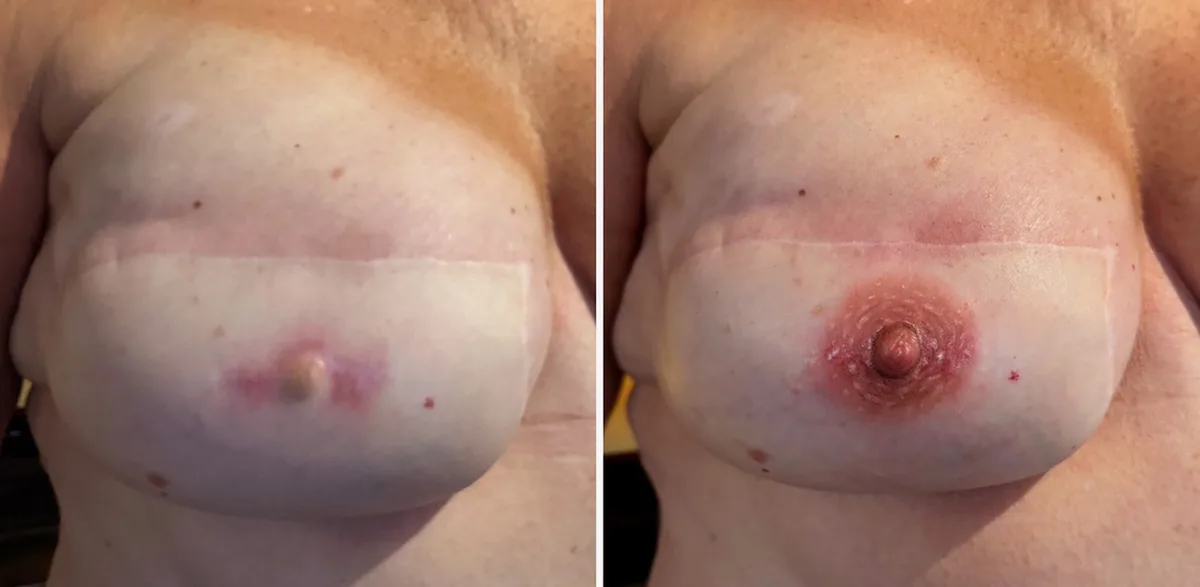
The first time I created a hyper-realistic areola for someone, the impact was immediate. It wasn’t just about aesthetics, it was about giving someone a sense of wholeness again. Seeing that transformation made everything click. From that moment, I knew this was the direction my work needed to take. This niche found me through empathy, experience and the belief that art can genuinely help people heal.
How do you personally view the role of this type of tattoo. Is it purely aesthetic, a form of medical intervention, or an act of psychological restoration?
Andries: For me, it’s all three, but the emotional aspect is the heart of it. Technically, yes, it’s aesthetic work, and it supports the medical process by completing the final stage of reconstruction. But the true impact goes far beyond the surface. Many women describe it as the moment they finally recognize themselves again. It can mark the end of a long medical journey, a step toward reclaiming confidence, or simply the feeling of being whole in their own body.
I see these tattoos as a form of psychological restoration, a small piece of art with a profound emotional weight. It’s a privilege to help someone close a difficult chapter with something that feels empowering, intimate and deeply personal.
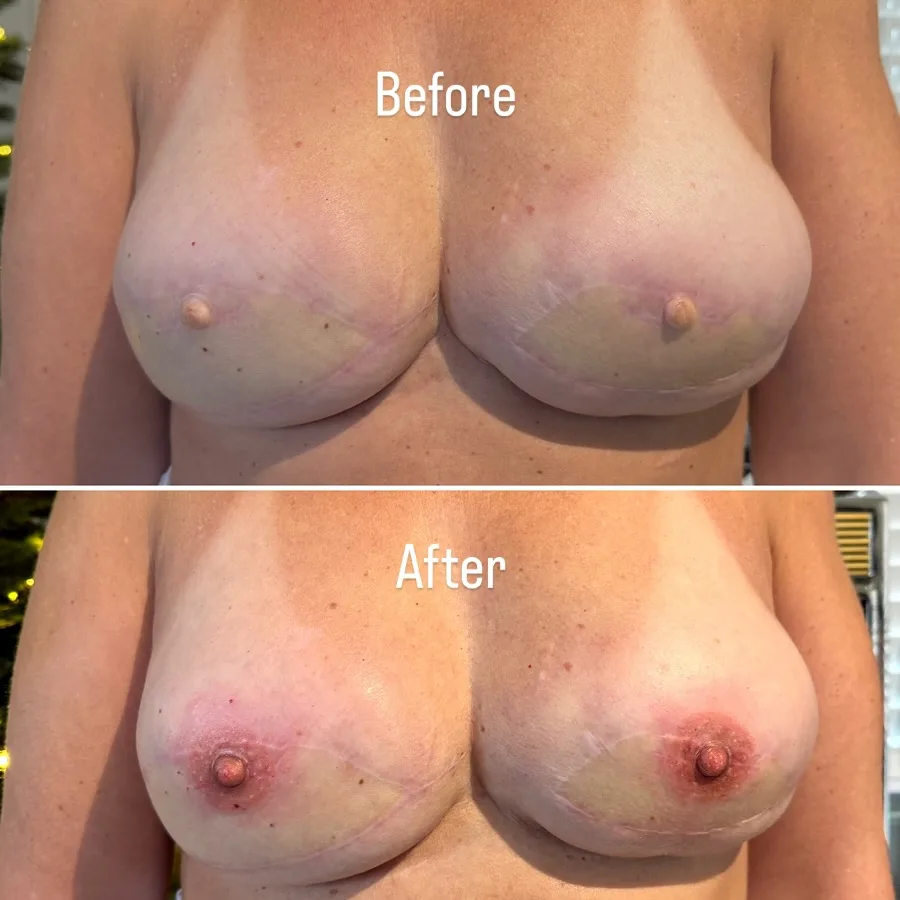
Are there any client stories that were particularly significant for you, moments when you saw that the tattoo truly helped someone regain confidence, self-acceptance, and a sense of connection with their body?
Andries: Absolutely. There are many moments that stay with me, but one in particular stands out. A woman came to me after a long and exhausting breast-cancer journey of surgeries, treatments, recoveries, all of it. She told me she felt “unfinished,” as if every time she looked in the mirror she was reminded of everything she had been through. When I completed her areola reconstruction and she saw the result, she became completely silent. Then she started to cry, not out of sadness, but relief. She told me, “I finally feel like myself again.” For her, it wasn’t just a tattoo; it was closure, a way of reclaiming her body after years of feeling disconnected from it.
Moments like that remind me why this work matters. It’s incredibly humbling to see how something so small, so intimate, can restore confidence, dignity and a sense of wholeness.
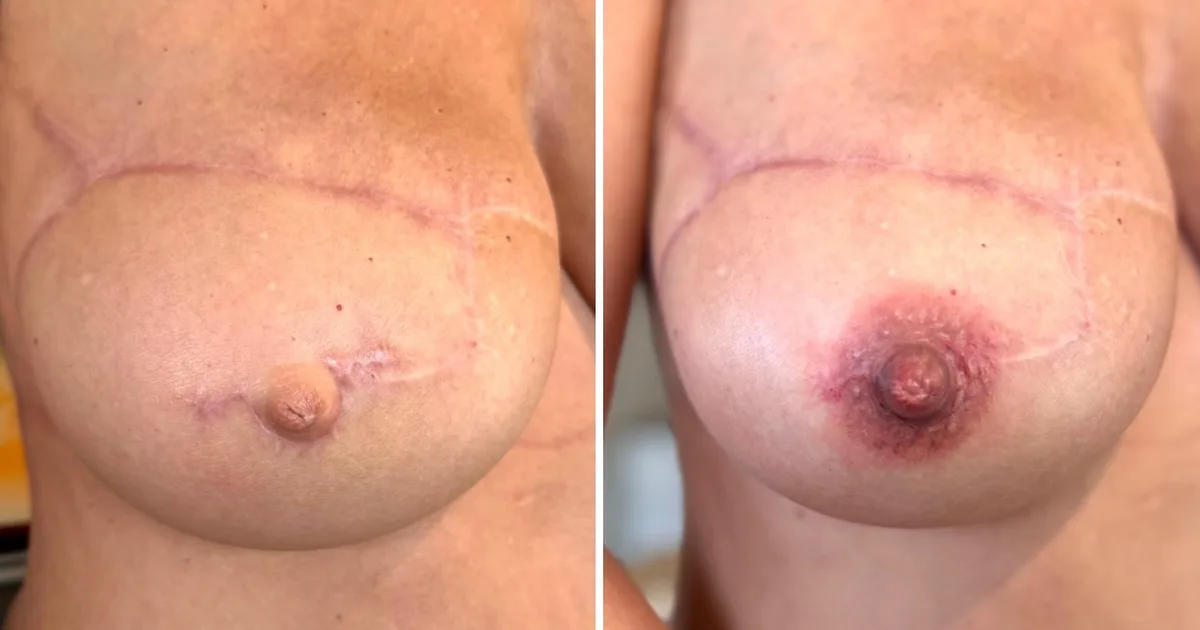
How does a standard areola/nipple reconstruction procedure usually work. Step by step? How many sessions does it typically require?
Andries: The process begins with a detailed consultation, where we discuss the client’s goals, assess natural pigmentation and symmetry, and design a custom shape that complements their body.
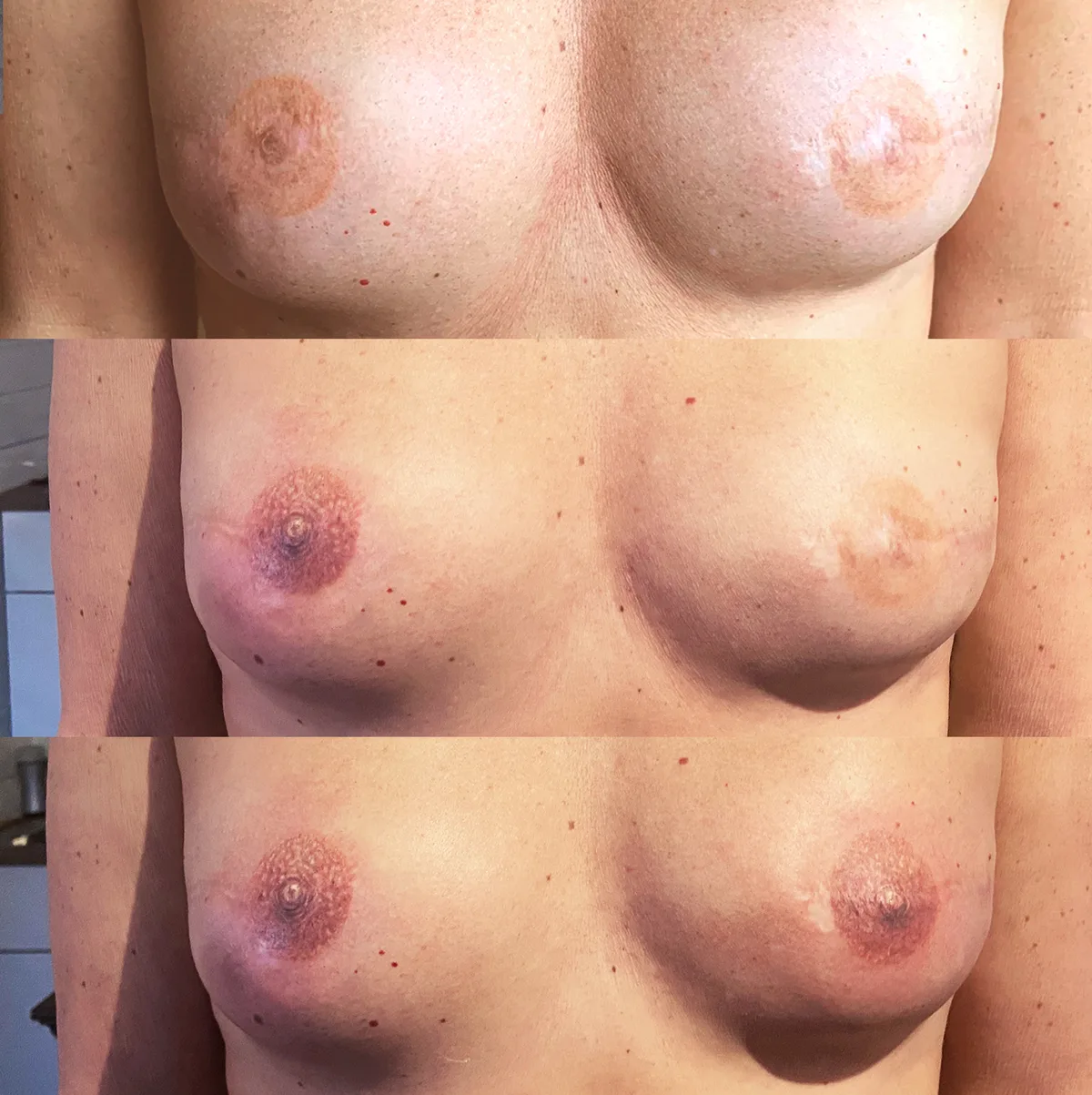
During the first session, all the main work is done: the base color is applied, the shape is defined, and the shading and highlights are carefully added to create a realistic, three-dimensional effect. After the skin has fully healed, a second session is scheduled to put the finishing touches, the small details that make the tattoo look truly natural and harmonious. Typically, the procedure requires just two sessions, spaced several (6) weeks apart, allowing the skin to recover and the colors to settle perfectly.
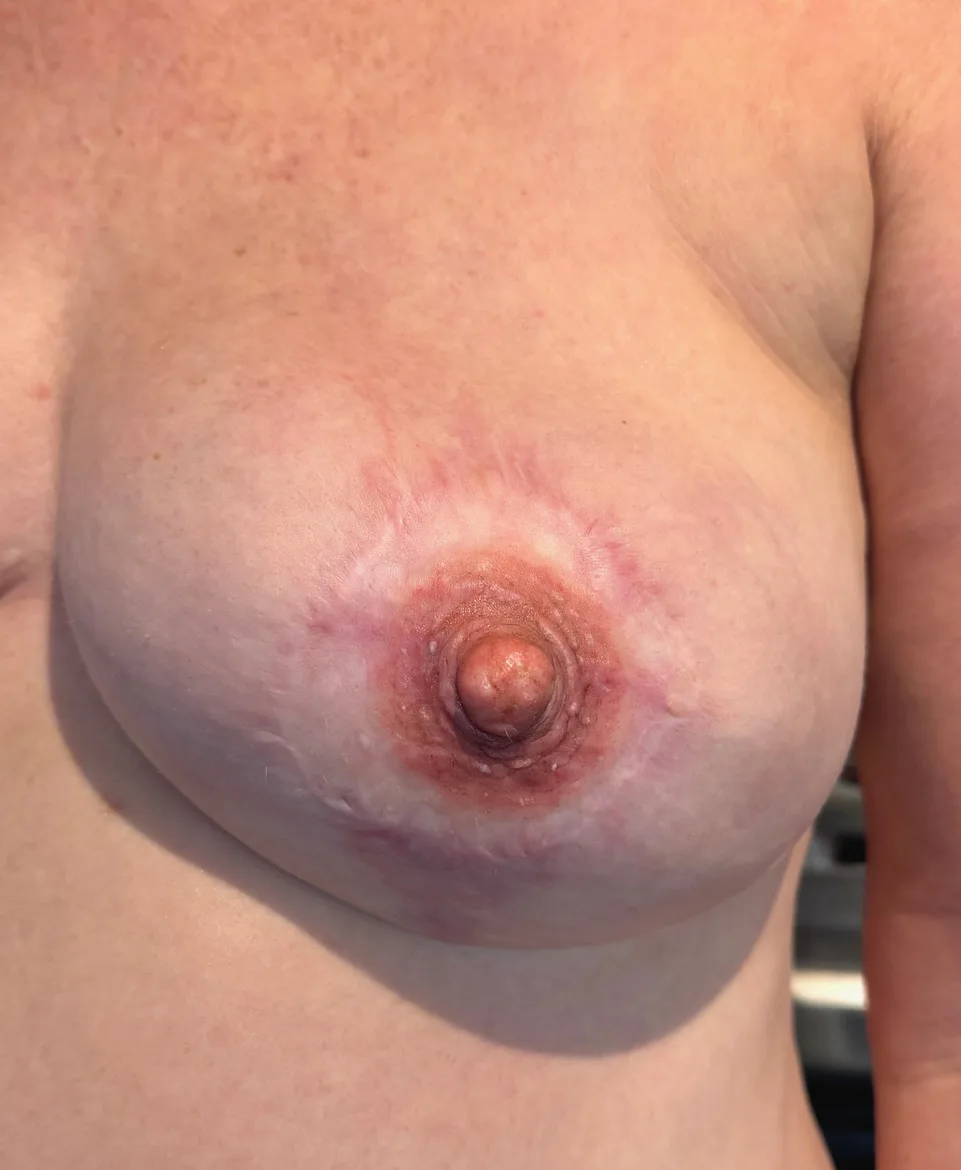
What technical aspects make medical or reconstructive tattooing different from traditional artistic tattooing?
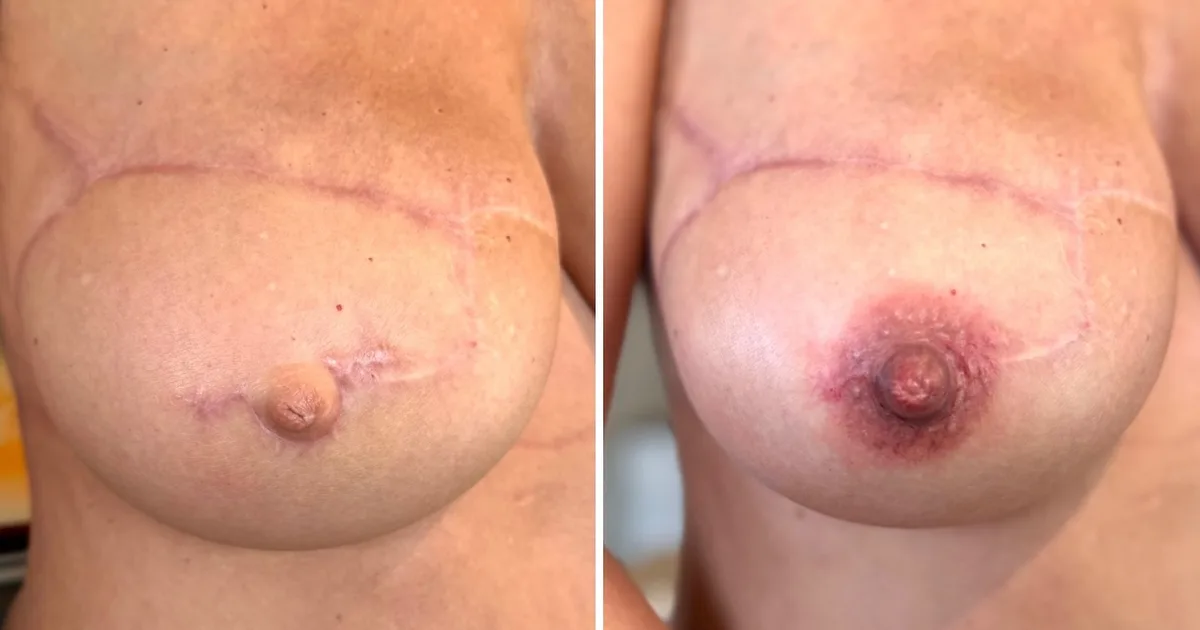
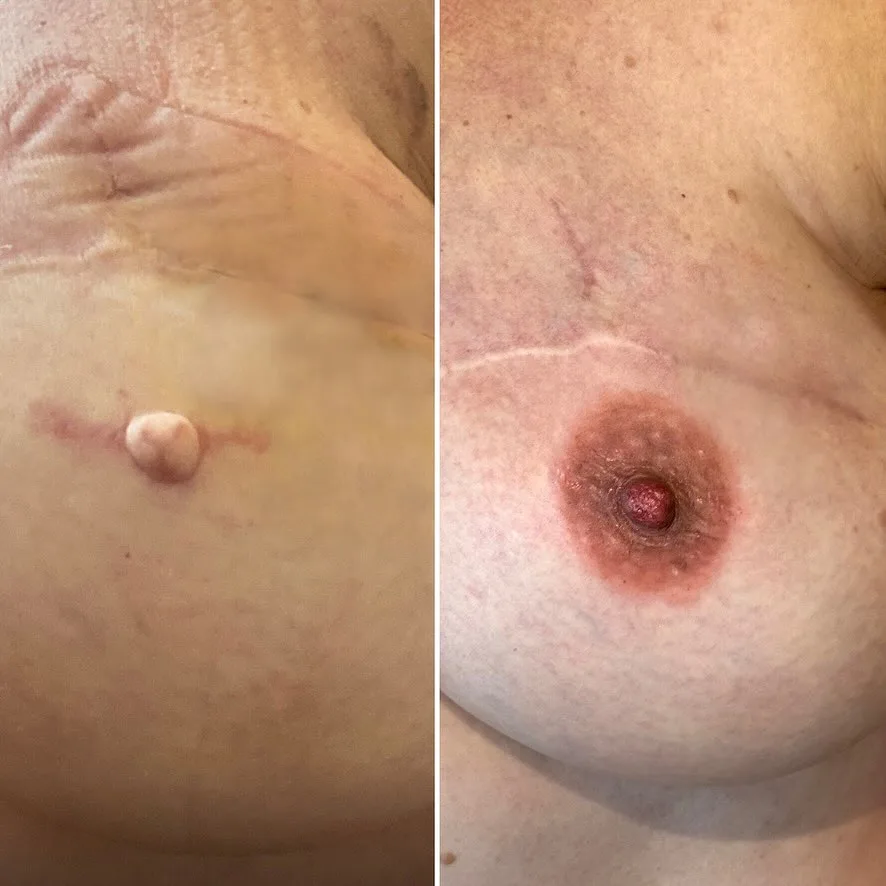
Andries: Medical or reconstructive tattooing, such as 3D nipple-areola work, requires a unique combination of precision, subtlety, and understanding of human anatomy. Unlike traditional artistic tattoos, where the design is often freely expressive or decorative, reconstructive tattoos demand an almost surgical level of accuracy. Every detail, color, shading, texture, and placement must replicate natural skin and create a three-dimensional illusion.
Pigment choice is critical: it must match the client’s skin tone and maintain a realistic appearance over time. The technique itself is more delicate, with careful layering and blending to avoid harsh lines or unnatural effects. Healing is also closely monitored, as the skin in post-surgical areas can be more sensitive and less predictable.
Ultimately, reconstructive tattooing is less about personal style and more about restoration, it combines artistry with medical precision to help clients regain confidence, a sense of wholeness, and comfort in their own bodies.
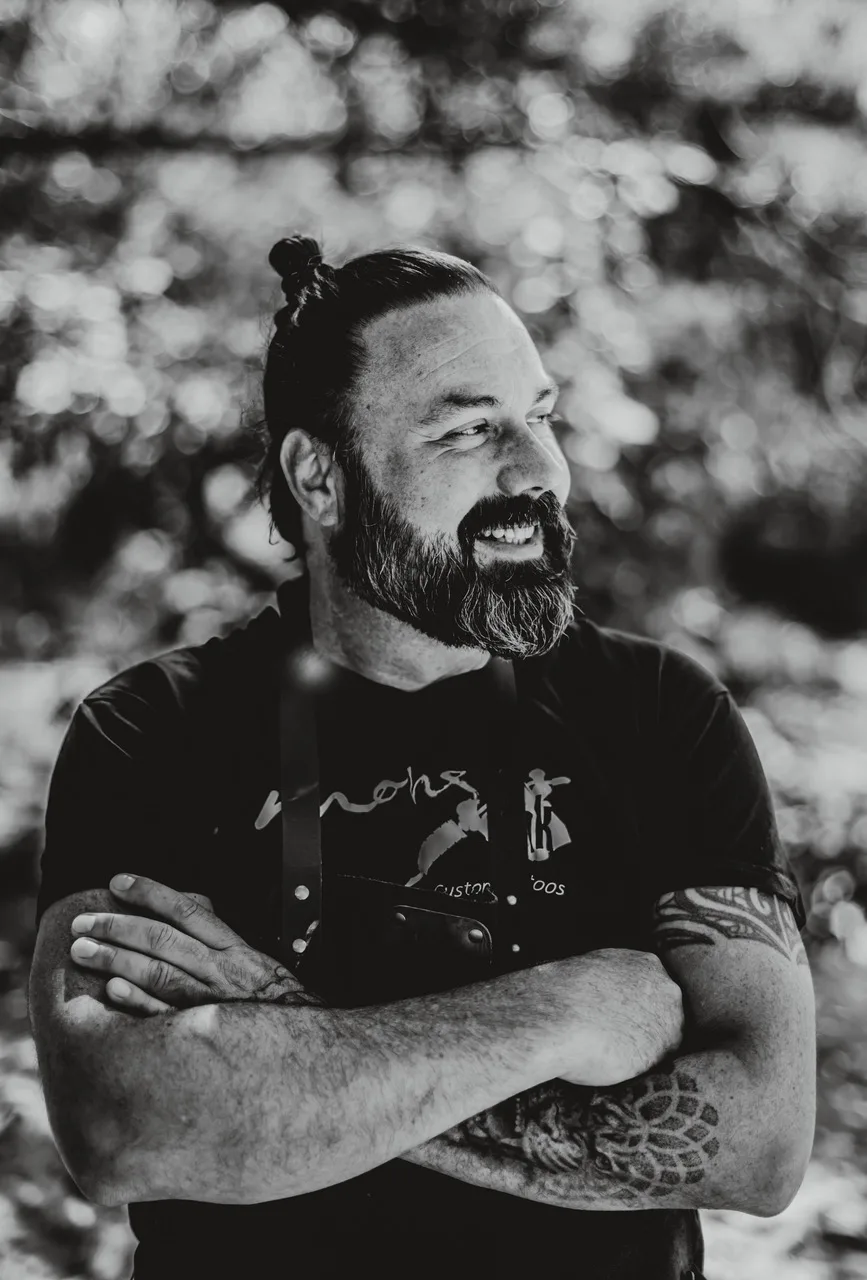
How did Mons Ink studio come to life? Who works with you? Do you have a team, or do you work solo?
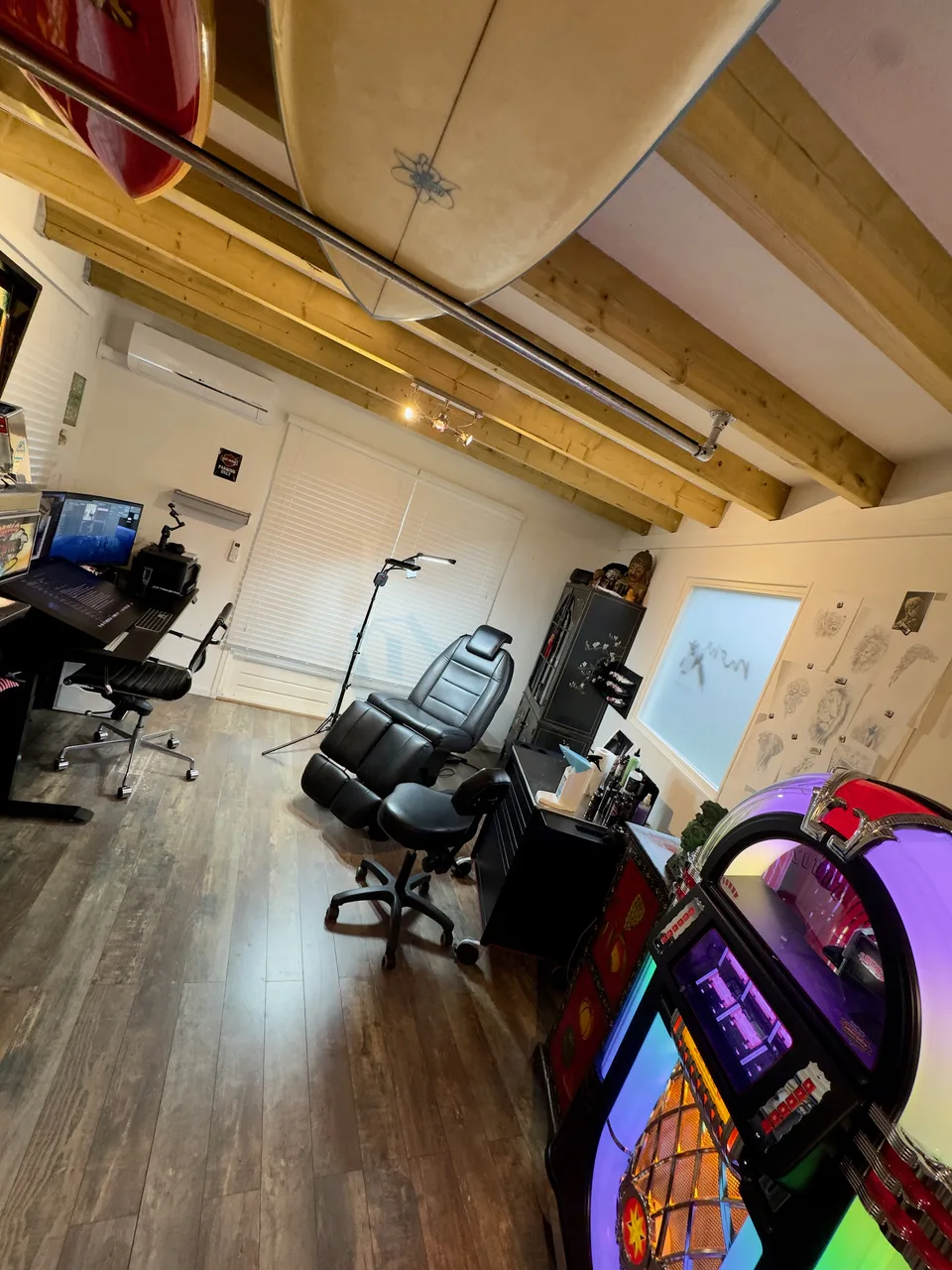
Andries: Mons Ink began as a personal vision, a place where art, empathy, and precision could meet in a private, welcoming environment. After years of working as a painter and honing my skills in tattooing, I realized I wanted a studio that reflected my philosophy: a calm, respectful space where clients could feel seen, comfortable, and confident in the process. In 2017, that vision became reality when I opened my own studio.
I work solo, which allows me to give each client my full attention and maintain the high level of detail and care that medical tattooing demands. The studio isn’t just about the work itself; it’s about the experience, from the first consultation to the final result. Every session is personal, and working alone helps me ensure that every client feels valued, understood, and supported throughout their journey.
In addition to my work in the Netherlands, I also offer treatments in Ibiza. The island attracts people from all over the world, and its atmosphere aligns beautifully with the nature of my work. My studio there offers the same privacy, care, and precision as in the Netherlands, but with the added calm of Ibiza’s gentle pace. For many clients, combining their reconstruction session with a restorative stay on the island makes the experience even more meaningful.
What challenges do you most often face, such as skin conditions after surgery or radiation therapy, pigmentation issues, healing, symmetry, or client expectations?
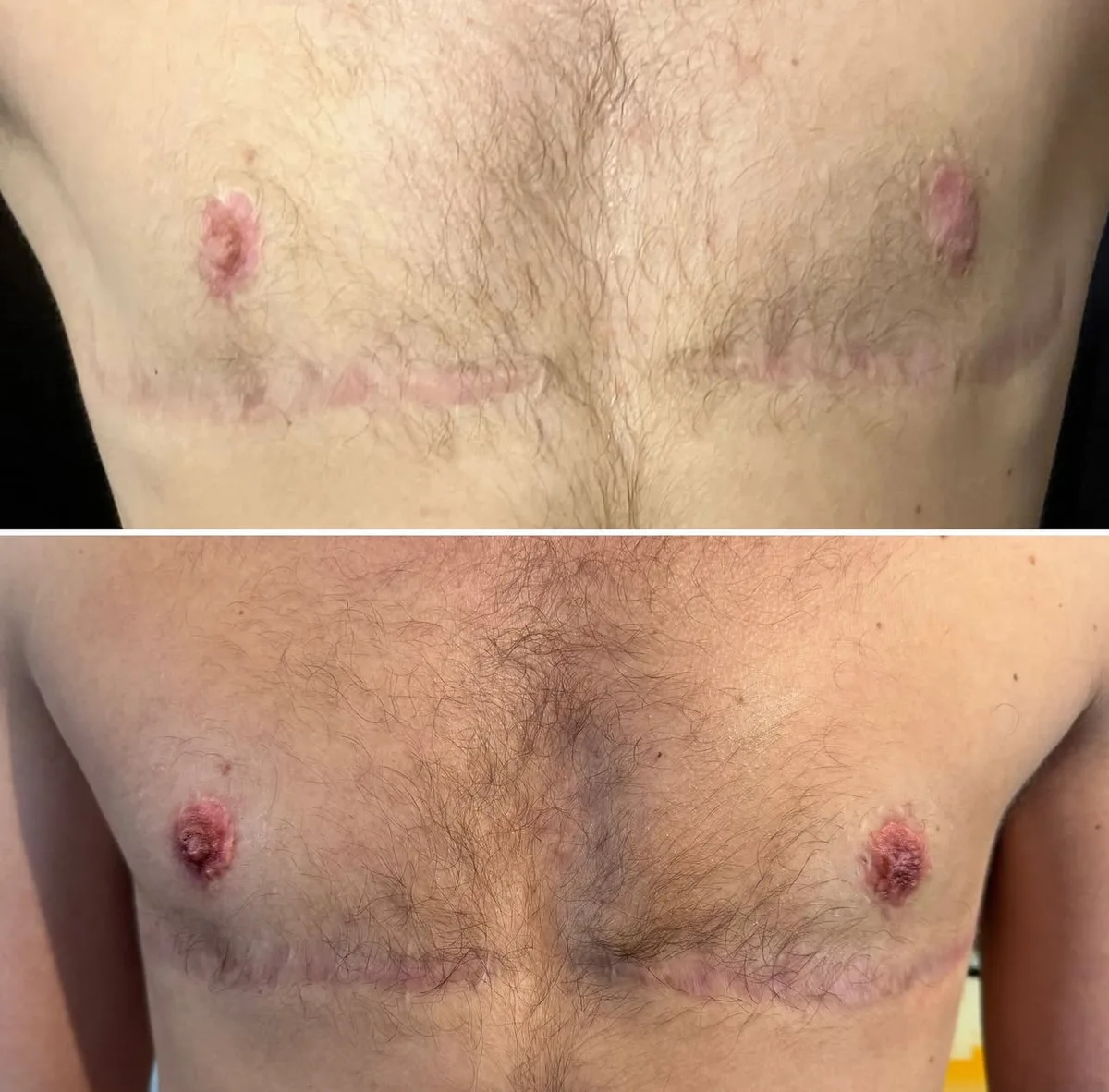
Andries: Reconstructive tattooing comes with its own unique set of challenges, and every client presents a slightly different situation. Post-surgical skin can be delicate, sensitive, or uneven, especially after radiation therapy, which sometimes affects how pigment takes and how the skin heals. Achieving perfect symmetry is another careful balancing act. The goal is for the tattoo to look completely natural, even when the client’s body has changed due to surgery or scarring.
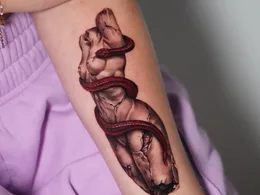
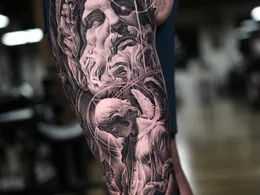
Color matching and pigmentation are also critical. Skin tones can vary subtly, and scar tissue often absorbs pigment differently than healthy skin, requiring precise technique and experience to get the most realistic result.
Beyond the technical aspects, managing client expectations is equally important. This work is deeply personal, and clients often carry strong emotions about their bodies and their recovery journey. Part of the process is creating a safe, respectful environment where we can communicate openly, so the final result restores confidence and feels authentic to the person sitting in the chair.
How important is the initial consultation and emotional support before and after the procedure? What advice do you give to women considering an areola tattoo?
Andries: The initial consultation is absolutely essential, not just for the technical preparation, but for building trust and understanding. Many women come in with a mixture of hope, hesitation, and emotion. This tattoo marks the final step of a long and often difficult journey, so creating a calm, safe space where they can share their story, ask questions, and express their concerns is crucial.
During the consultation, we talk through everything: the shape, color, placement, healing process, and what they can realistically expect. But just as important is simply listening. Emotional support doesn’t end after the first meeting; I stay in close contact throughout the healing process, making sure clients feel supported and reassured at every step.
For women considering an areola tattoo, my advice is always the same: take your time and choose someone who makes you feel comfortable, respected, and truly seen. Look at healed results, not just fresh work and trust your instincts. This is your body, your story, and your moment to reclaim something that was taken from you. When you feel ready, the experience can be incredibly empowering and deeply restorative.
How do you communicate with clients on an emotional level? What fears, doubts, or concerns do they often express, and how do you help them overcome these moments?
Andries: Emotional communication is a central part of this work. Many clients arrive with a mix of hope and hesitation. They’ve been through surgeries, treatments, and long recoveries and the idea of one more procedure, even a gentle one, can feel overwhelming. The most common concerns I hear are fears about pain, worries about whether the result will look natural, or uncertainty about reconnecting with a part of their body that carries so much history.
My approach is simple: I listen first. Clients need space to share their story, their doubts, and their expectations. From there, I explain the process clearly and honestly, what I can achieve, how the skin may respond, and what they can expect during healing. This transparency helps build trust and eases many of their fears.
During the session itself, I keep the atmosphere calm and personal, checking in often and adjusting the pace if needed. I want clients to feel that they are in control, that they are being heard, and that this moment is about restoring something that belongs to them.
By the time the tattoo is complete, the emotional shift is often just as powerful as the visual result. Many clients leave with a sense of relief, not just because the tattoo looks natural, but because the process helped them reclaim a part of themselves with dignity and confidence.
Do you believe areola tattooing should be available in medical centers as part of reconstructive aftercare?
Andries: No. I don’t think medical centers should perform areola tattoos themselves. While their intentions are good, medical environments usually lack the artistic expertise and technical tattooing experience required to achieve truly realistic, high-quality results. This work is incredibly detailed and demands a trained eye, refined tattoo skills, and a deep understanding of how pigments behave in different skin types, especially skin that has been through surgery or radiation.
In my view, the best approach is collaboration: medical centers should refer patients to professional medical tattoo artists who specialize in this field. That way, clients receive the same level of care and emotional support they expect from the medical system, while also benefiting from the precision, craftsmanship, and artistic specialization that only a dedicated tattoo professional can provide.
This ensures safer procedures, better results, and ultimately a more empowering experience for the client.
What do you consider an ideal format of collaboration between a tattoo artist and oncology clinics or organizations supporting people after mastectomy?
Andries: The ideal collaboration is built on communication, trust, and shared purpose. Oncology clinics and support organizations often guide women through long, intense journeys. Tattoo artists who specialize in reconstruction can offer the final, restorative step. When these worlds work together, the client benefits most.
In practice, this could mean clinics providing clear referrals to experienced tattoo artists, sharing medical information that helps ensure safe tattooing, and preparing patients for what to expect. On the other side, the artist keeps communication open with medical professionals and respects the medical background of each client. It’s a partnership where everyone works toward the same goal: helping women feel whole again after an incredibly difficult chapter of their lives.
To conclude, Mons Ink is based in Zoetermeer, the Netherlands, and operates as a private studio with a calm, respectful, and client-focused approach.
Address: Golden Delicioushof 10, 2728 KC Zoetermeer
Website: https://monsink.nl/
Phone: +31 6 21 224 453
You can contact the studio directly via the website or by phone to ask questions or schedule a consultation.