Statistics show that at some point in life almost everyone considers getting a tattoo. Unfortunately, not every person can safely decorate their body with ink. Tattooing is an invasive procedure in which the integrity of the skin is intentionally broken.
Because of this, the body imposes a number of health-related restrictions that fall into two groups: chronic and temporary contraindications.
Chronic contraindications to tattooing
Chronic contraindications include any condition involving:
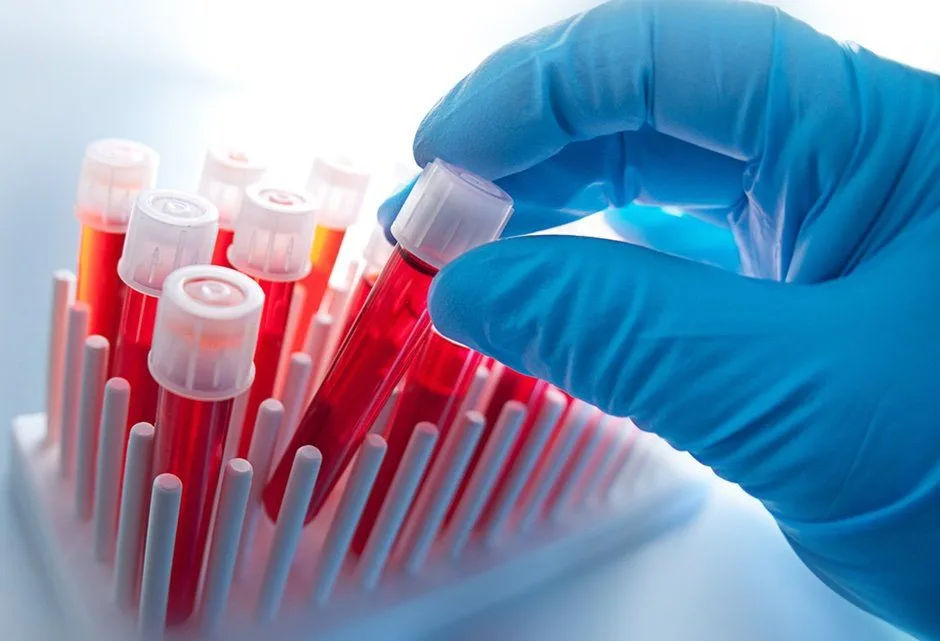
Impaired blood clotting: haemophilia, thrombocytopenia, fibrinopenia. These illnesses pose a high risk of heavy bleeding that is difficult to stop. Possible complications during a session:
- A large portion of pigment may wash out with the blood, reducing tattoo quality.
- The artist has to work "blind" in blood, increasing the chance of mistakes and trauma.
- There is a real danger of severe blood loss.
A consultation with a haematologist or your primary physician is mandatory before tattooing.
Insulin-dependent type 1 diabetes or severe, poorly controlled type 2 diabetes.
- Slow tissue regeneration may lead to prolonged, problematic healing (up to 2 months).
- Pain and stress can provoke serious blood-sugar spikes.
Tattooing is only allowed when glucose levels are stable and with an endocrinologist's approval.
Cancer or post-cancer conditions (including after chemo- or radiotherapy).
The immune system is weakened, infection risk is high and healing is difficult. Tattooing is possible only with an oncologist's written clearance.
Severe viral infections such as HIV, AIDS, hepatitis B/C, syphilis. Long-term remission and a doctor's approval are essential.
Serious skin disorders: psoriasis, eczema, rosacea, vitiligo, scleroderma.
Tattooing over active lesions is contraindicated. It may be possible during long-term remission, but caution is required.
Chronic hypertension and cardiovascular diseases.
Stress from the procedure can trigger a hypertensive crisis. Consult a cardiologist first.
Autoimmune diseases: lupus, Crohn's disease, rheumatoid arthritis.
The immune system is weakened or unstable, raising complication risks. Tattooing only with an immunologist's approval.
Use of potent medications: steroids, immunosuppressants, anticoagulants.
These affect healing and blood clotting. Tattooing is allowed only after discussing risks with your doctor.
All of the above conditions require a formal medical clearance. A doctor's opinion always outweighs the tattoo artist's recommendation.
Temporary contraindications to tattooing
These are short-term conditions in which the body is weakened and not ready for extra stress:
- Acute viral infections: colds, flu, COVID-19, etc.
- Elevated body temperature.
- Allergic flare-ups (especially skin rashes).
- Post-illness or post-vaccination immunodeficiency (wait at least two weeks).
- Recent stroke or surgery.
- Skin injuries at the intended tattoo site.
- Alcohol or drug intoxication.
- Pregnancy, breastfeeding and menstruation.
- Mental or emotional exhaustion, depression, panic attacks.

Temporary contraindications are often ignored. Remember: a tattoo is a trauma. Your body must have enough resources for recovery, otherwise complications, slow healing and colour distortion may occur.
Additional notes
If you have recently been vaccinated (including COVID-19), wait at least 14 days. Your immune system needs time to recover.
If in doubt, consult your doctor. Better to postpone a session for a week than to treat complications for months.
Risk factors and prevention
Understanding risk factors is crucial for anyone considering a tattoo. Age plays a significant role—very young clients may have developing immune systems, while elderly clients often have compromised healing abilities. People over 65 should be particularly cautious and seek medical clearance even for minor procedures.
Environmental factors also matter. Exposure to pollution, chemicals, or excessive sun can affect how well your skin heals. If you work in a high-risk environment or have recently had extensive sun exposure, consider postponing your session.
Prevention starts with choosing the right professional. When searching for qualified artists, use resources like iNKPPL's artist directory to find experienced professionals who prioritize safety and follow proper health protocols. A reputable artist will always discuss contraindications and refuse to work on clients who aren't suitable candidates.
Proper preparation includes getting adequate sleep, staying hydrated, and maintaining good nutrition in the weeks leading up to your appointment. Your body needs optimal conditions to handle the stress of tattooing and begin the healing process effectively.
Frequently Asked Questions
Can you get a tattoo if you have diabetes?
People with well-controlled diabetes may be able to get tattoos with proper medical supervision. However, the healing process will be significantly slower than normal, potentially taking several months instead of weeks. Blood sugar levels must be stable, and you'll need clearance from your endocrinologist. Monitor glucose levels closely during healing and follow proper aftercare protocols strictly.
How long should I wait after COVID-19 or vaccination?
Wait at least 14 days after recovering from COVID-19 or receiving any vaccination before getting tattooed. Your immune system needs time to stabilize after fighting infection or responding to a vaccine. Some doctors recommend waiting up to 30 days after severe COVID-19 cases. If you experienced long COVID symptoms, consult your physician about appropriate timing.
Can you get a tattoo with an autoimmune disease?
Autoimmune diseases significantly complicate the tattooing process because they affect your body's ability to heal and fight infections. Conditions like lupus, rheumatoid arthritis, or Crohn's disease require careful evaluation by a rheumatologist or immunologist. Tattooing is absolutely contraindicated during active flare-ups and may only be considered during stable remission periods with medical approval.
Can you get tattooed while taking anticoagulants?
Blood-thinning medications like warfarin, heparin, or even daily aspirin significantly increase bleeding risk during tattooing. Never get tattooed while on these medications without consulting your prescribing physician first. In some cases, doctors may temporarily adjust dosages, but this must be done under medical supervision. The bleeding can affect tattoo quality and increase infection risk.
Can you get a tattoo while pregnant or breastfeeding?
Pregnancy and breastfeeding are absolute contraindications for tattooing. During pregnancy, your immune system is naturally suppressed to protect the developing baby, making you more susceptible to infections. The stress and pain from tattooing can also affect pregnancy hormones. Breastfeeding mothers should also wait, as the healing process requires significant energy that your body needs for milk production.
What should I do if I develop symptoms after getting tattooed despite contraindications?
If you experience unusual symptoms like persistent fever, excessive swelling, severe pain, or signs of infection after getting tattooed, seek immediate medical attention. Don't wait for symptoms to worsen, especially if you have underlying health conditions. Contact both your healthcare provider and the tattoo artist to report the complications. Early intervention can prevent serious complications and protect your health.
Stay healthy and treat your body with respect!
Frequently Asked Questions
Can you get a tattoo if you have diabetes?
Yes—if your diabetes is well controlled. Healing will be slower; monitor glucose levels with your endocrinologist.
How long should I wait after COVID-19 or vaccination?
Wait at least 14 days after recovery or vaccination so your immune system can stabilise.
What about autoimmune diseases?
Only after clearance from a rheumatologist/immunologist; postpone during active flare-ups.
What about anticoagulants?
Only if your doctor temporarily adjusts the medication; otherwise bleeding risk is too high.
Chronic vs temporary?
Chronic conditions need ongoing medical supervision; temporary ones (like a cold) pass, and you can tattoo later.
Tattooing during pregnancy?
No. Because of infection risk and immune changes, wait until after pregnancy and breastfeeding.
Tattooing with a cold?
No. With a respiratory infection or fever your immune system is compromised and complications are more likely.