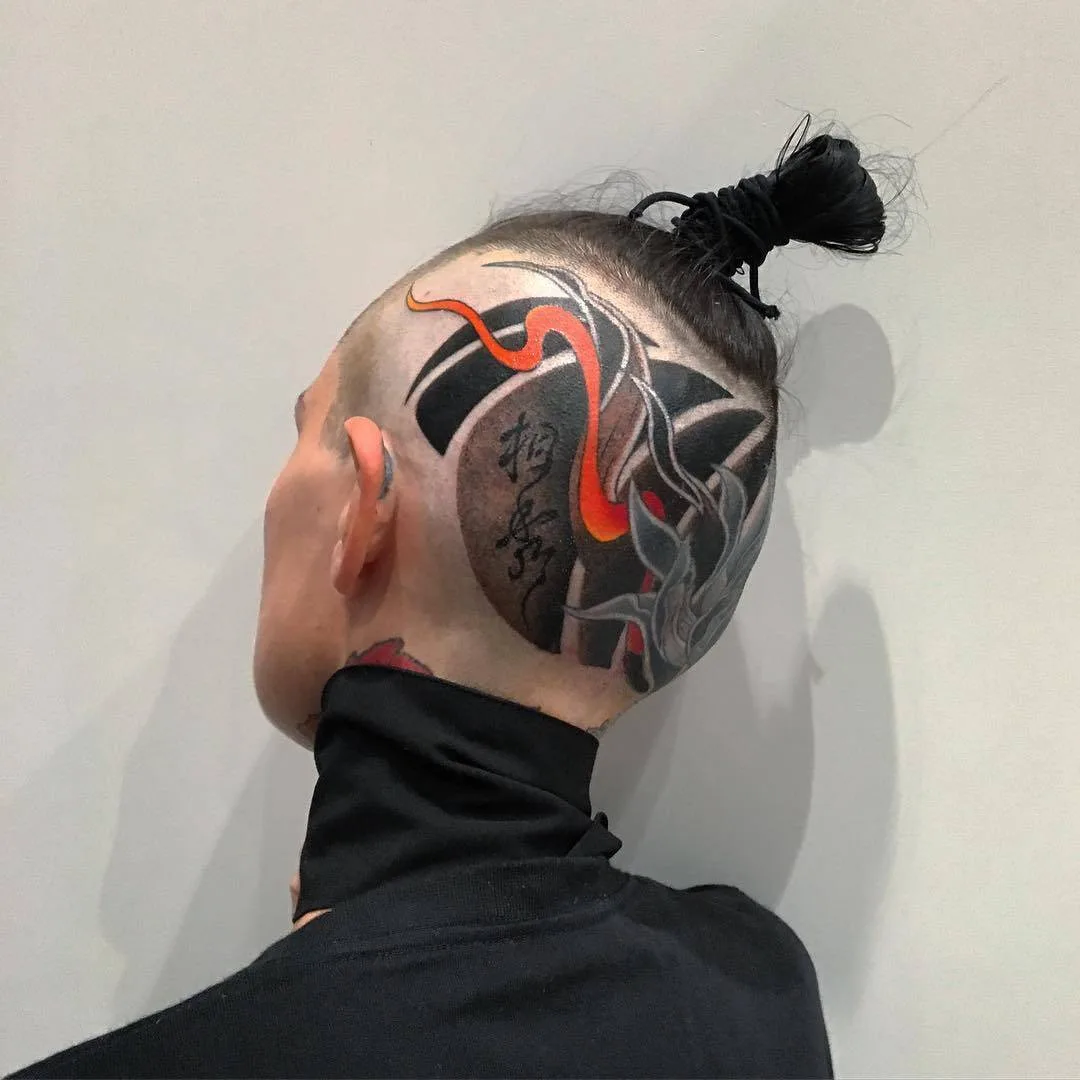
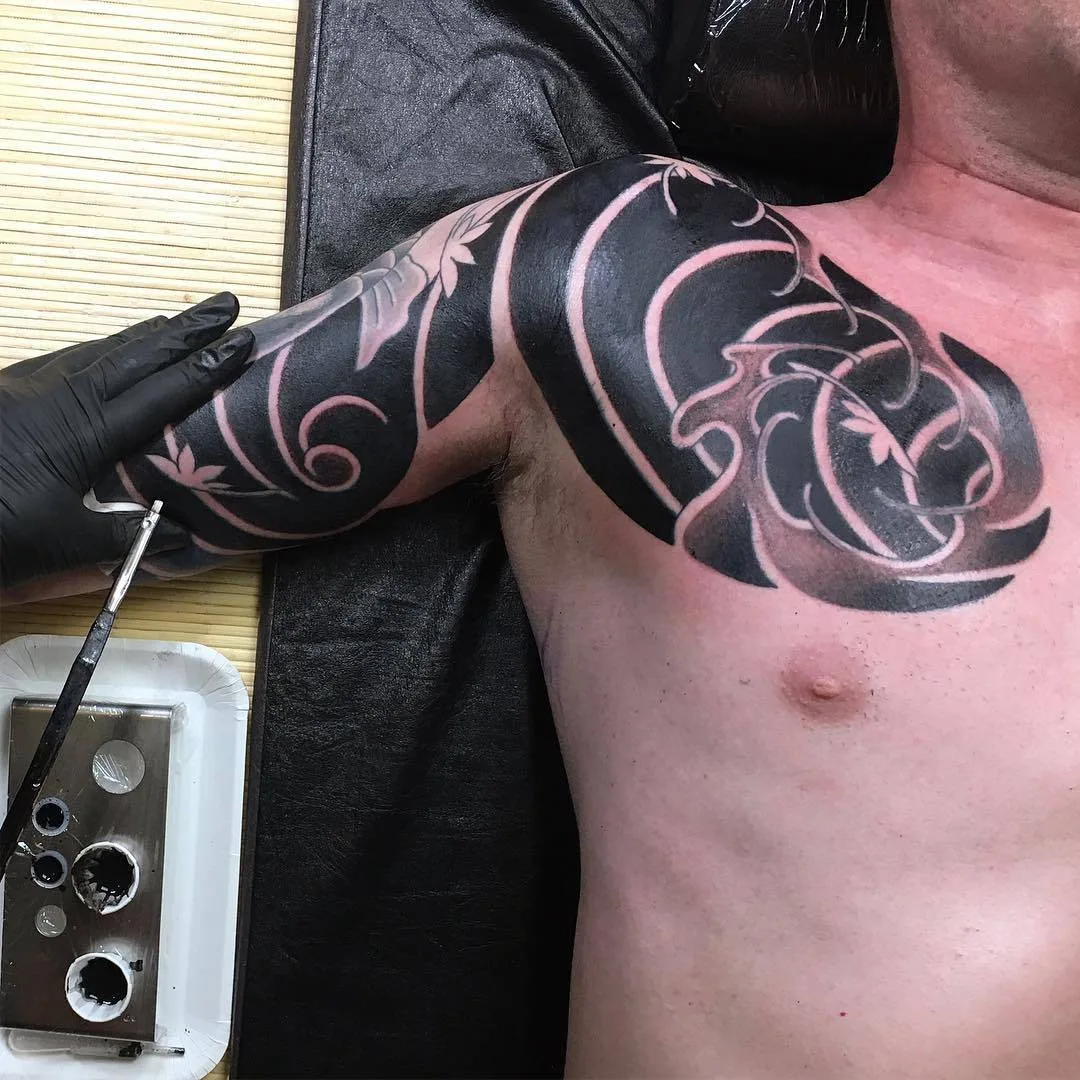
Fans of classic Japanese tattoos - this post is for you.
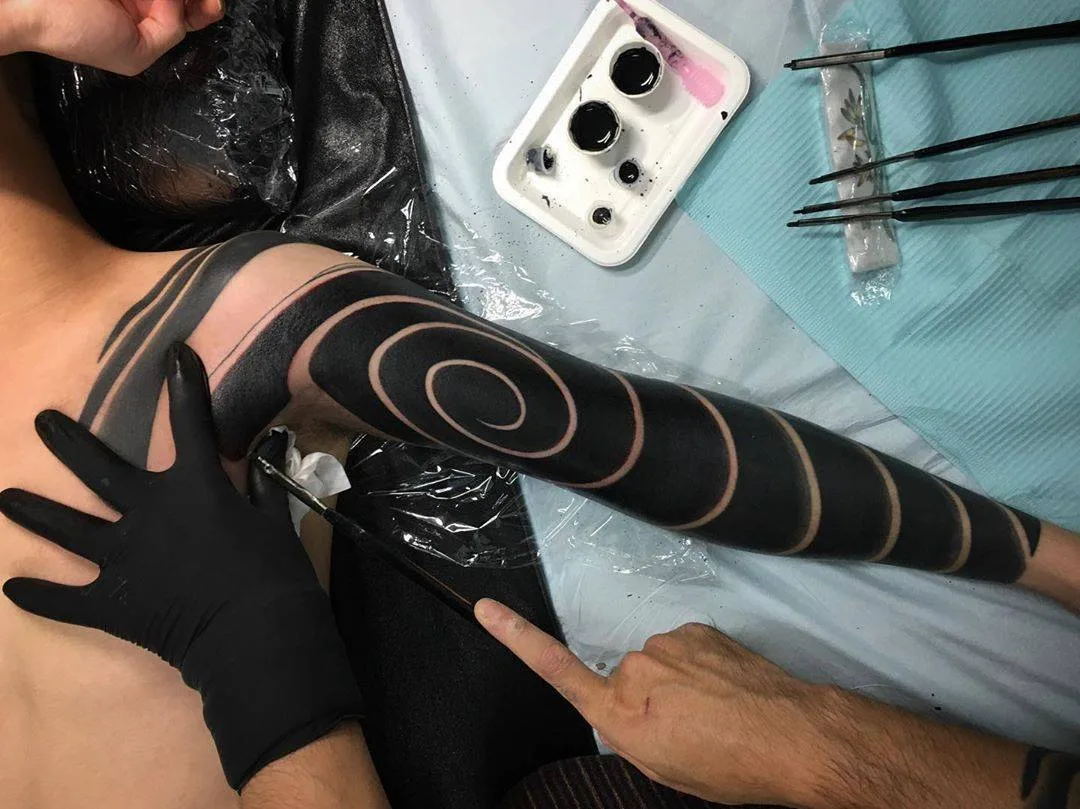
Do you know how to make traditional Japanese tattoos? That's right, at a time when there were no electric tattoo machines, all the tattoos were done with a special bamboo stick - tebori.
Masters using this tool claim that such a manual method allows you to get a more subtle gradation of tones in a tattoo. Traditional tebori tattoos really take a lot of time, turning the process of painting the body into an entire ritual.
The machine can save a lot of time, but the spirit and traditions so honored by many fans of oriental tattoos are lost from this, isn't it?
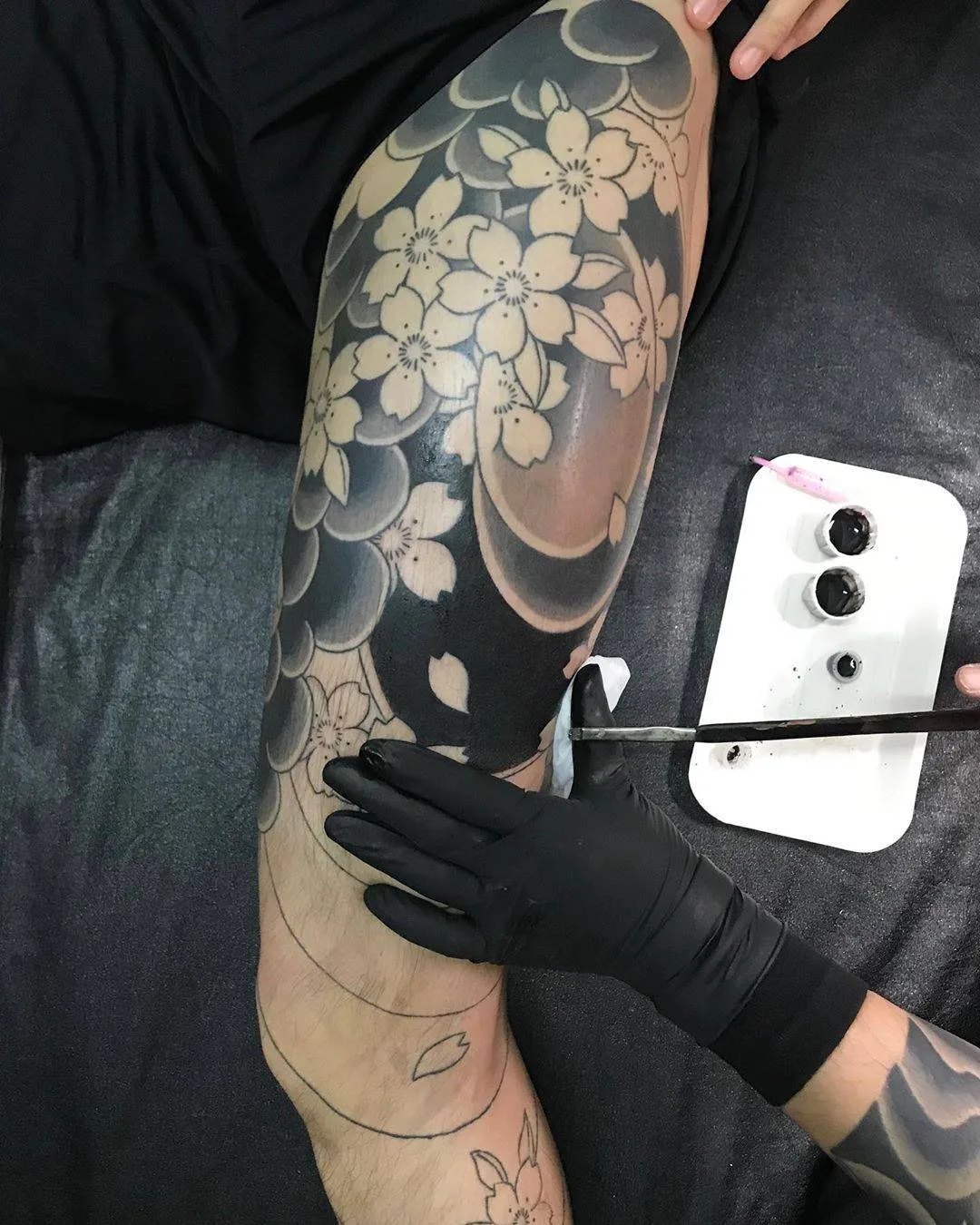
Whatever the answer to this question is for you, today we want to introduce Japanese tattoo artist Sousyu Hayashi, who continues to practice these historical traditions, using tebori as the main tool for tattooing.
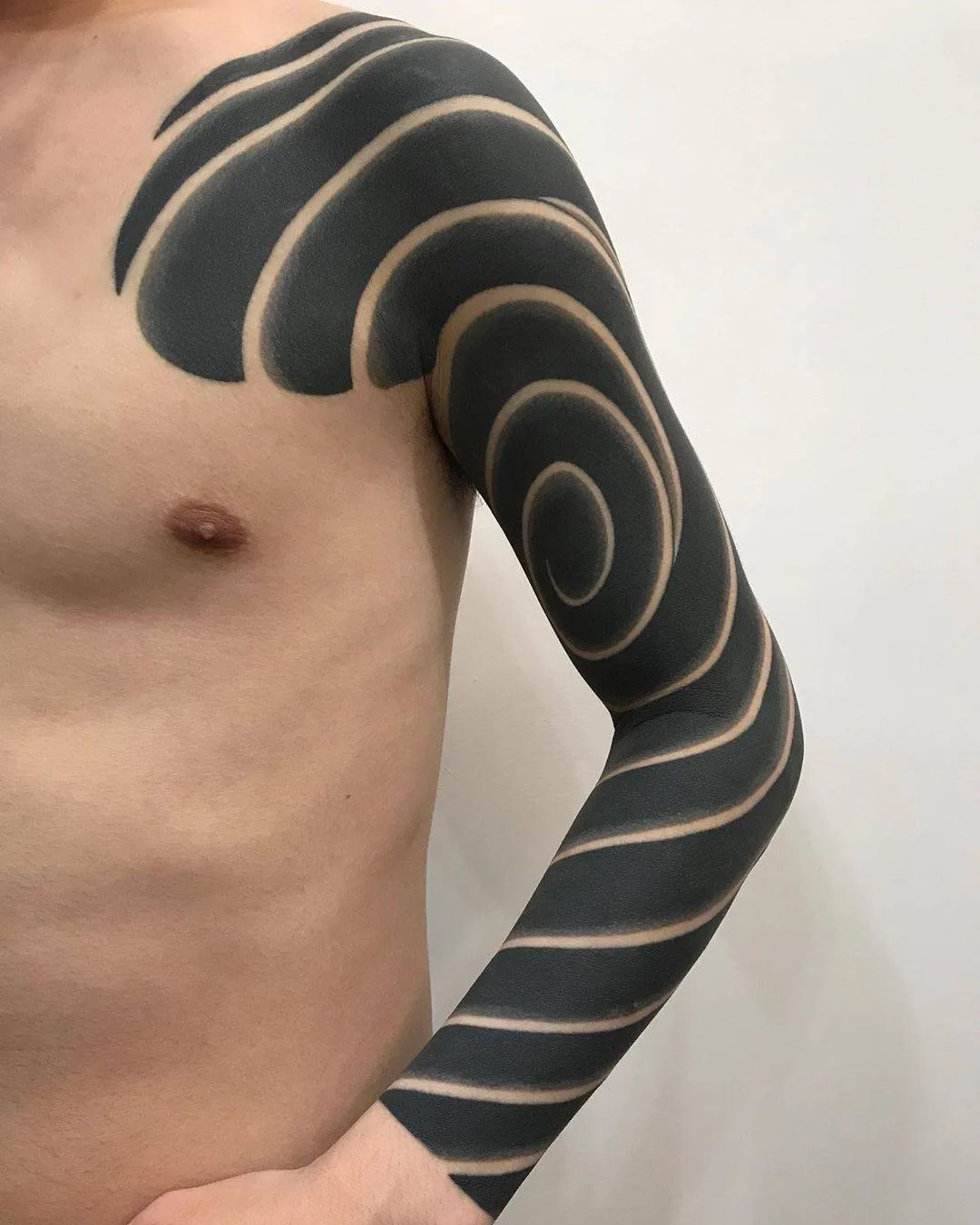
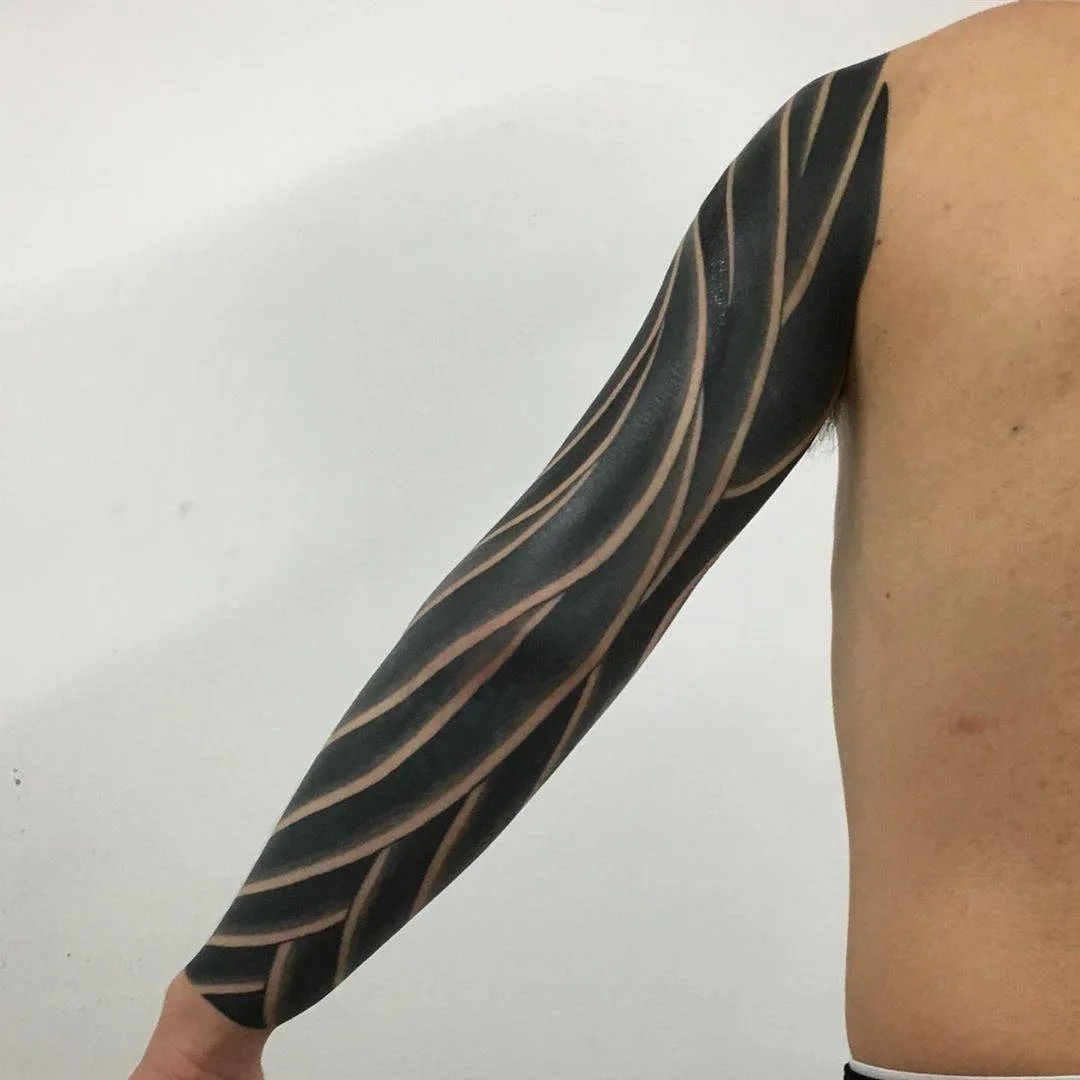
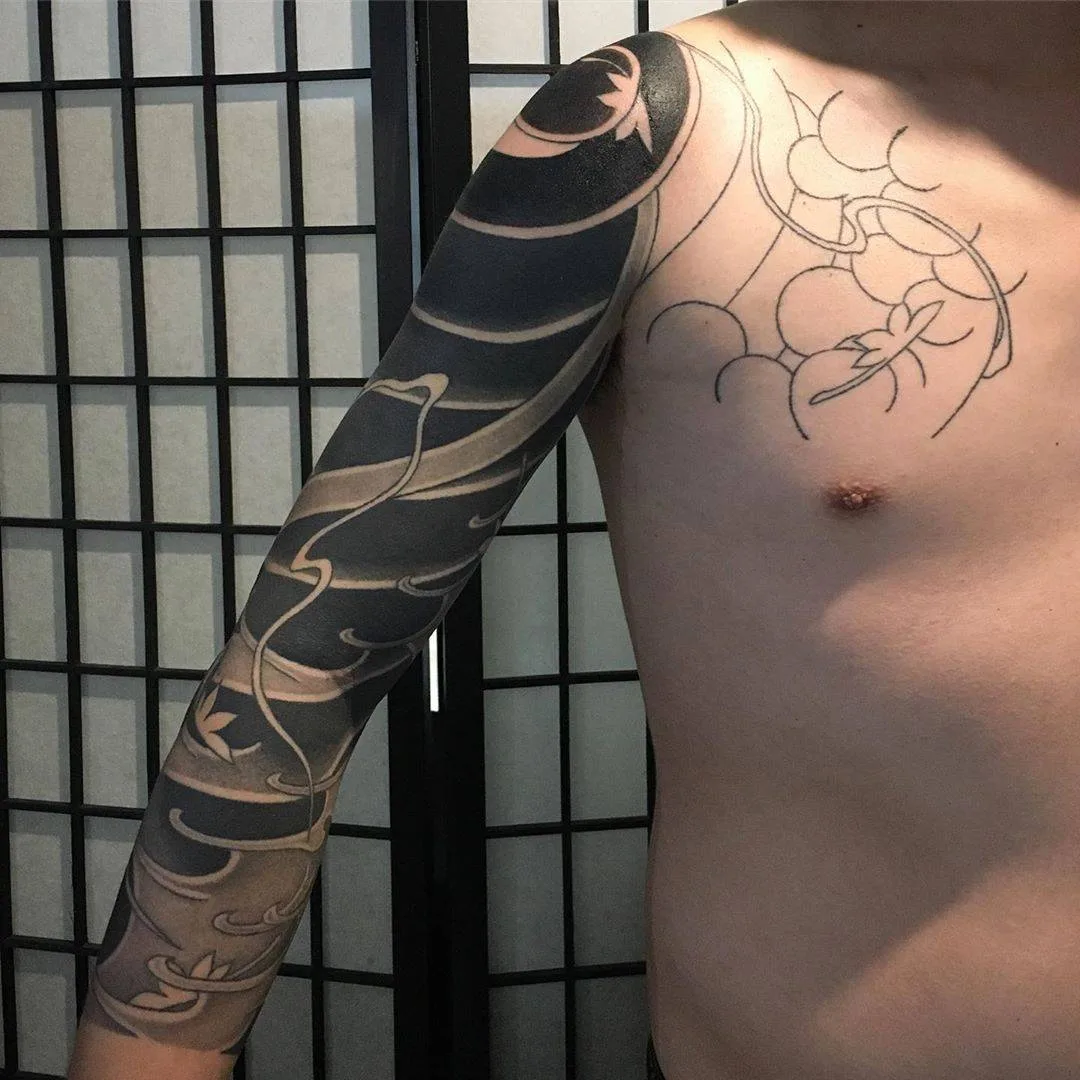
Looking at his large-scale sleeves with dense shades, it is difficult to believe that they were made using the manual method, but awareness of this adds admiration to the work done by the artist.
Therefore, all connoisseurs are actively invited to @sousyu_hayashi profile and you are guaranteed to get aesthetic pleasure!
About Traditional Japanese tebori tattoo by Sousyu Hayashi
Sousyu Hayashi represents the rare breed of tattoo artists who have dedicated their craft to preserving the ancient art of tebori tattooing. In an era where electric machines dominate the industry, Hayashi stands as a guardian of traditional Japanese tattooing methods that have been passed down through generations. His commitment to the hand-poked technique demonstrates not only exceptional skill but also deep respect for the cultural heritage of Japanese tattoo art.
The Japanese tattoo scene has always been deeply rooted in tradition and spiritual significance, and artists like Hayashi play a crucial role in maintaining these connections. His work exemplifies the patience, precision, and artistic vision required to create authentic irezumi using only traditional tools. For those seeking to explore more traditional artists and styles, our comprehensive tattoo artists directory features masters from around the world who specialize in various cultural tattooing traditions.

Style and Technique
Tebori, which literally translates to "hand carving," is a traditional Japanese tattooing method that predates modern electric machines by centuries. The technique involves using a bamboo or metal tool with needles attached to manually puncture the skin and deposit ink. This method requires extraordinary skill and stamina, as the artist must maintain consistent pressure and rhythm throughout lengthy sessions. The tebori technique allows for exceptional control over ink saturation and depth, resulting in the subtle tonal gradations that characterize authentic Japanese tattoos.
Hayashi's mastery of this technique is evident in his ability to create large-scale sleeve tattoos with the dense, flowing compositions typical of traditional irezumi. The hand-poked method produces a distinctive texture and depth that many enthusiasts claim cannot be replicated with electric machines. This traditional approach also aligns with the spiritual and ritualistic aspects of Japanese tattooing, where the process itself is considered as important as the final result. For more insights into traditional tattooing methods and their cultural significance, explore our extensive collection of tattoo culture articles.
Notable Works
The works shown in the gallery above demonstrate Hayashi's expertise in creating traditional Japanese sleeve tattoos using the tebori method. These pieces showcase the characteristic elements of irezumi, including bold imagery, flowing compositions, and the masterful use of negative space that defines authentic Japanese tattoo art. The dense shading and smooth gradations visible in these works are testament to the artist's skill with traditional hand-poking techniques.
Each piece represents hours of meticulous work, as tebori tattoos typically require significantly more time than machine-made tattoos. The level of detail and the seamless flow of design elements in Hayashi's work demonstrate why traditional methods continue to be revered by serious collectors of Japanese tattoos. These examples illustrate how ancient techniques can produce results that rival or exceed those achieved with modern equipment.
Cultural Preservation and Modern Recognition
Artists like Sousyu Hayashi play an essential role in preserving tattoo traditions that might otherwise be lost to modernization. The dedication required to master tebori techniques and the time investment needed for each piece make this a challenging path for contemporary tattoo artists. However, the unique aesthetic qualities and cultural authenticity achieved through traditional methods continue to attract clients who value historical accuracy and artisanal craftsmanship.
The growing appreciation for traditional techniques has led to increased recognition of tebori artists in the global tattoo community. For those interested in understanding proper care for traditional tattoos, which may heal differently than machine-made work, our comprehensive tattoo aftercare guide provides essential information. To see how traditional artists like Hayashi compare with contemporary masters, check out our artist rankings featuring top talents from various styles and cultural backgrounds.