About In Canada, was found dead - the world-famous Zombie Boy
In Canada, was found dead - the world-famous Zombie Boy (Rick Genest). According to local authorities, the cause of death, most likely, was suicide, because he was experiencing psychological problems.
The nickname Zombie Boy, he received at the age of 15, when he had to undergo surgery to remove a brain tumor. In his own words, for half a year he was in a state between life and death.
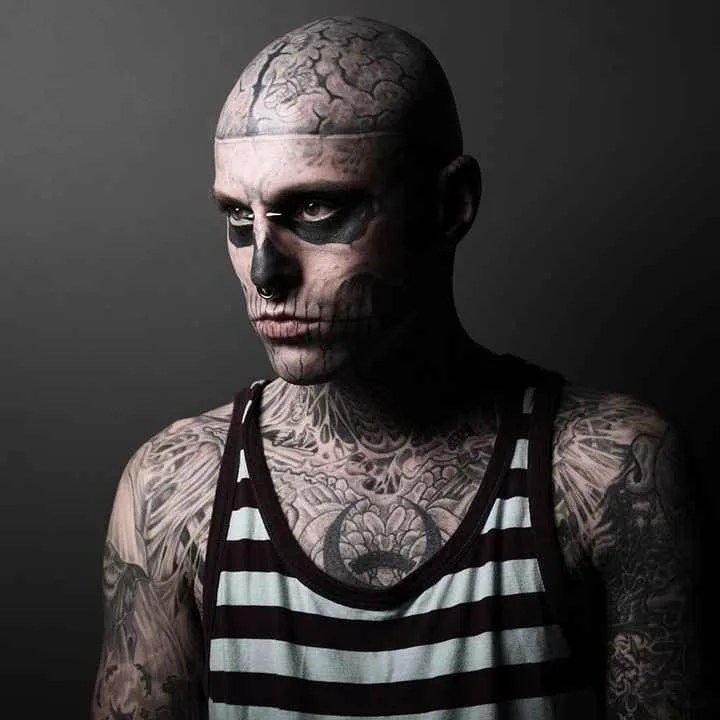
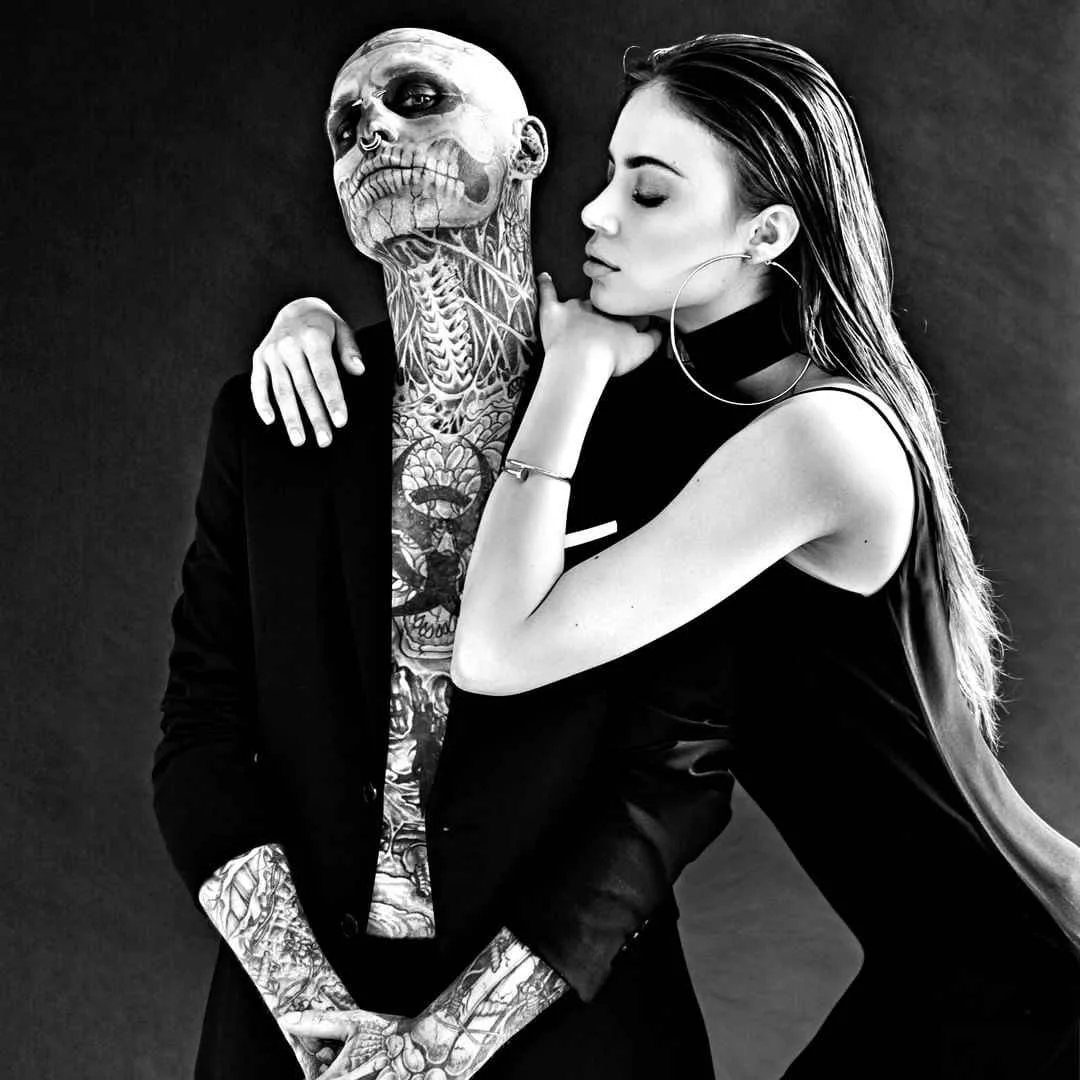
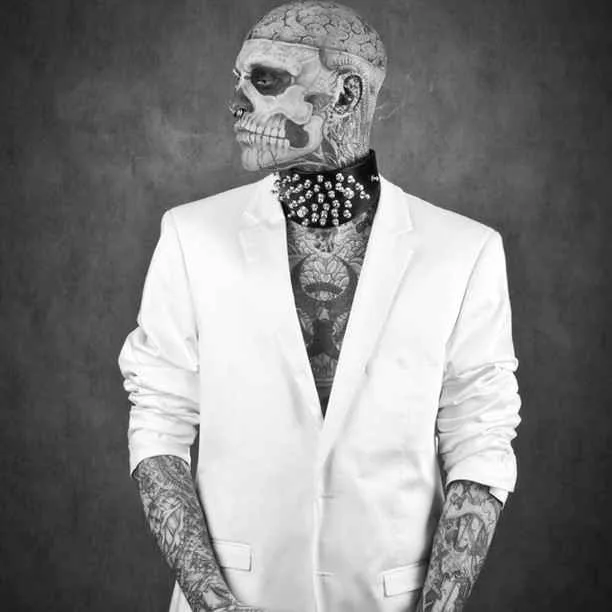
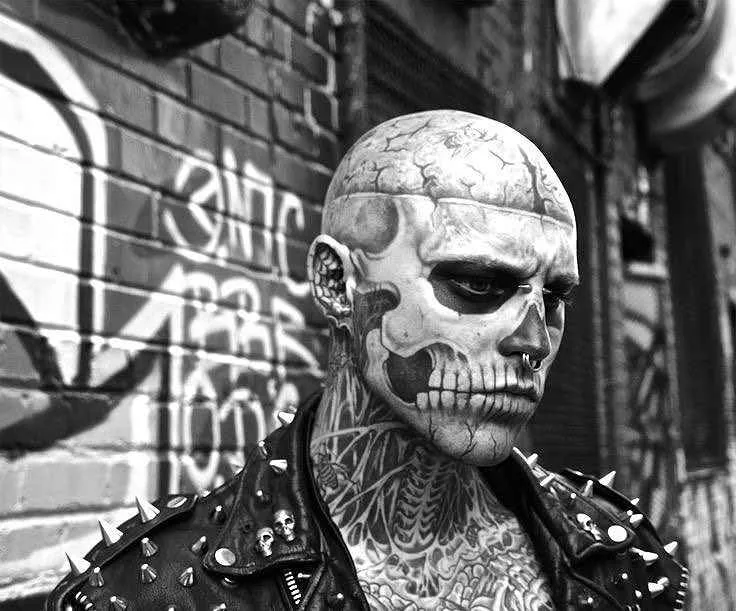
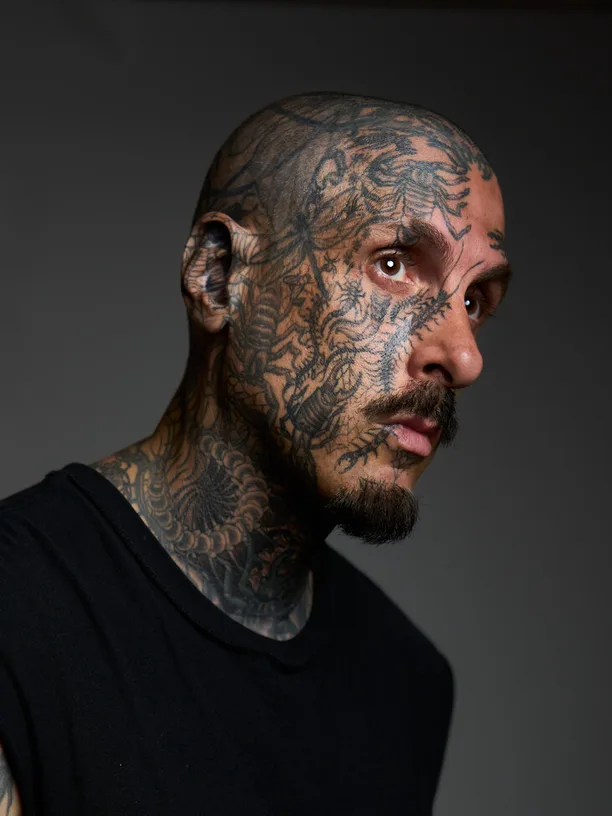
A few months after the surgery, Rick made his first tattoo, and later he covered 90% of his body with tattoos. Thanks to tattoos, Rick twice got into the Guinness Book of Records - as a man with the largest number of bone tattoos (139) and with the largest number of insect tattoos (176).
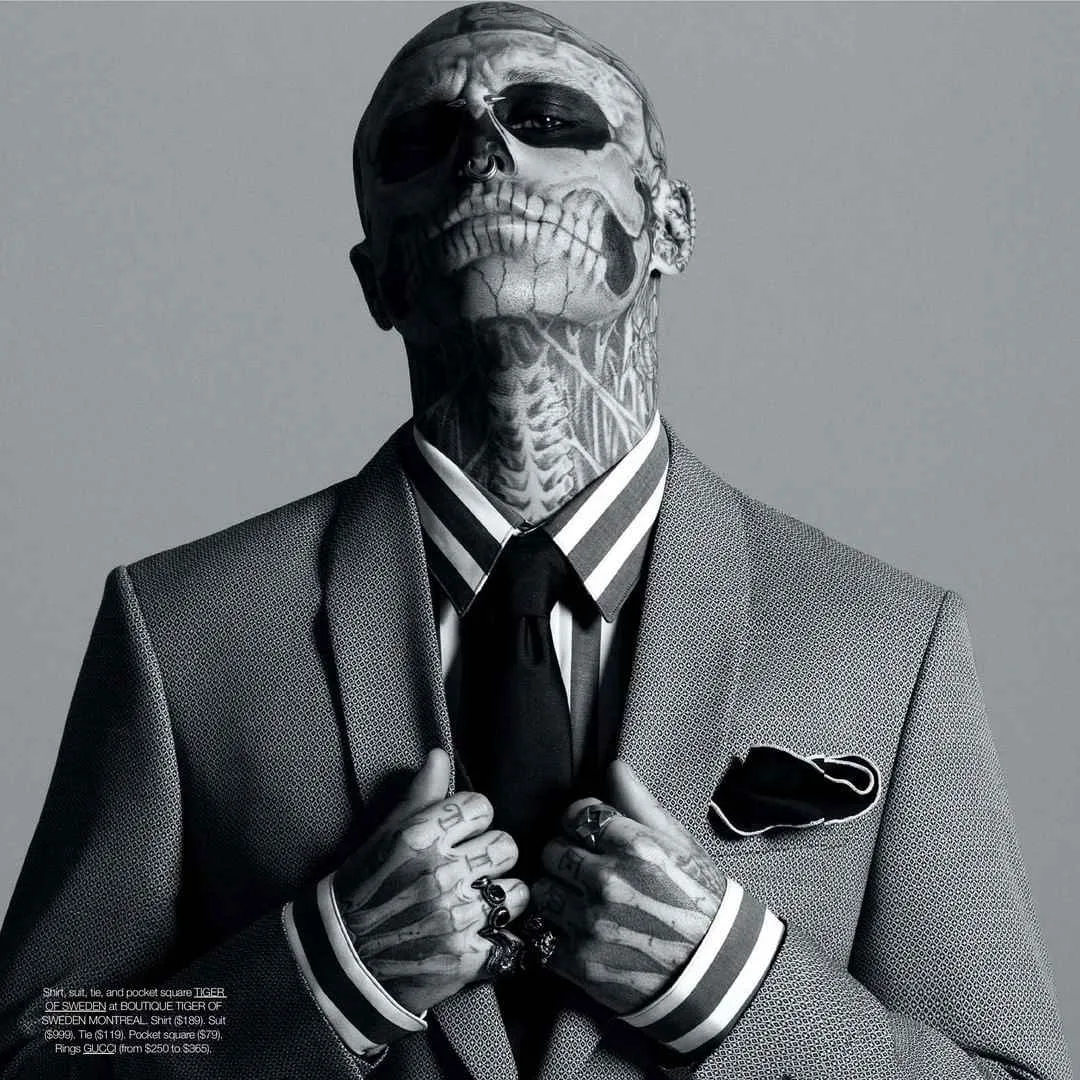
At the beginning of Genest's model career, he had to participate in a freak show across Canada. At the same time, several well-known bloggers wrote about him, and he began receiving proposals for cooperation from major media holdings. Throughout his career, he has worked with media such as Vogue, GQ, Vanity Fair.
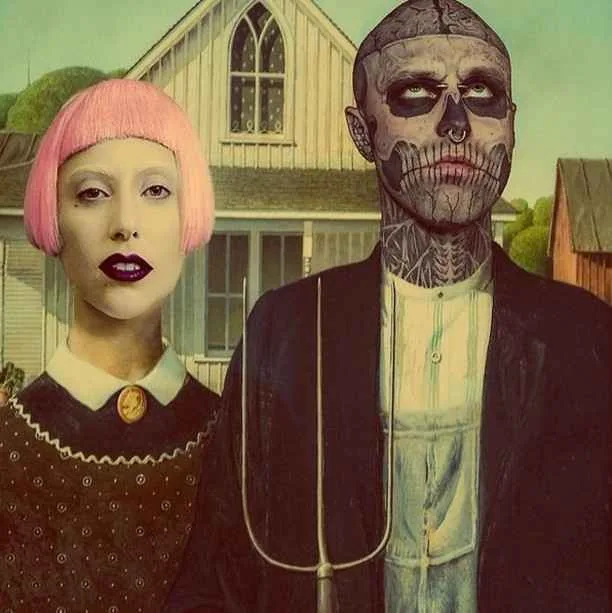
Rick became world famous in 2011, thanks to the clip of Lady Gaga's "Born This Way". After that, Genest played several roles in movies, wrote music and continued to work as a model.
Just before his death, Rick published on his Facebook page a poem, apparently his own work, about the meaning of life and the "ancient narrow gates of death." Many fans of Rick felt that this is how he said goodbye to the world.
Rick Genest was only 32 years old.
Rick's transformation began in Montreal, Canada, a city known for its vibrant tattoo culture and acceptance of alternative art forms. The Montreal tattoo scene provided the perfect backdrop for Genest's radical body modification journey, where skilled tattoo artists helped bring his macabre vision to life. His extreme body art challenged conventional beauty standards and opened doors to international modeling opportunities that would have been impossible in more conservative markets.
Style and Technique
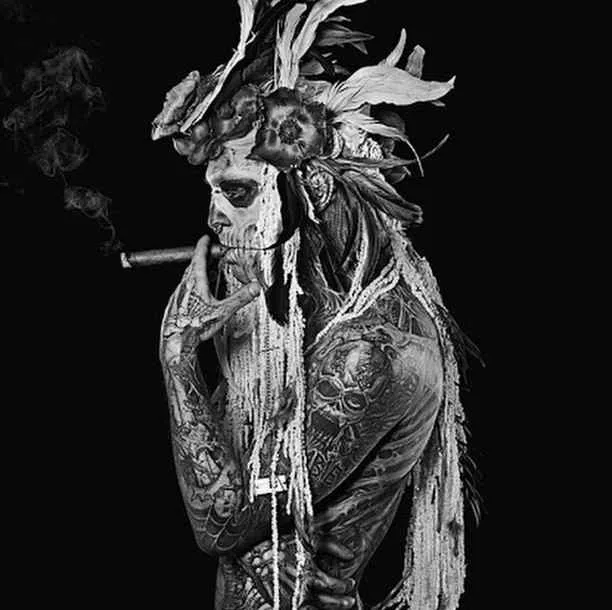
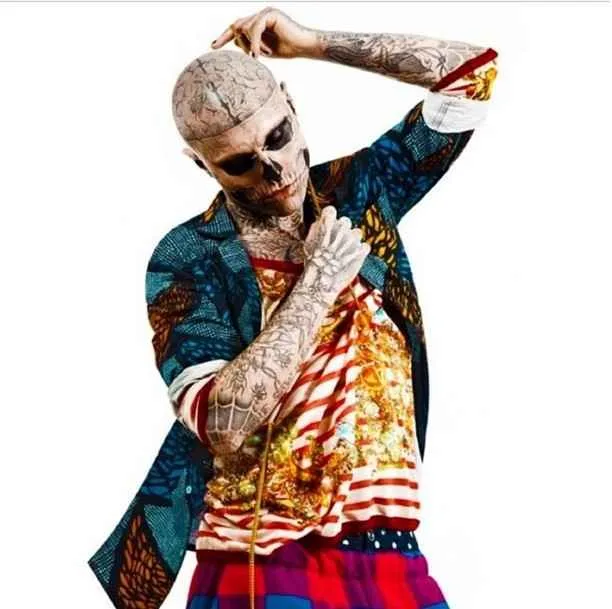
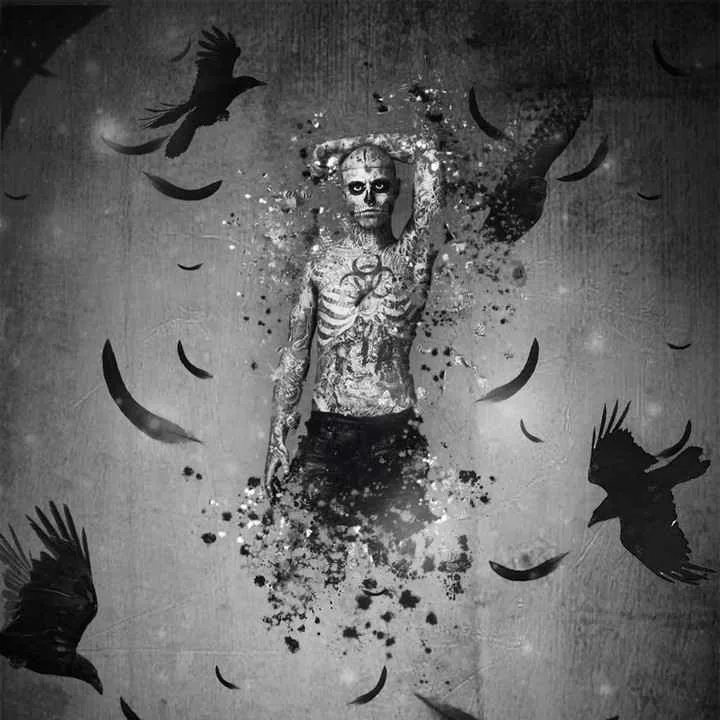
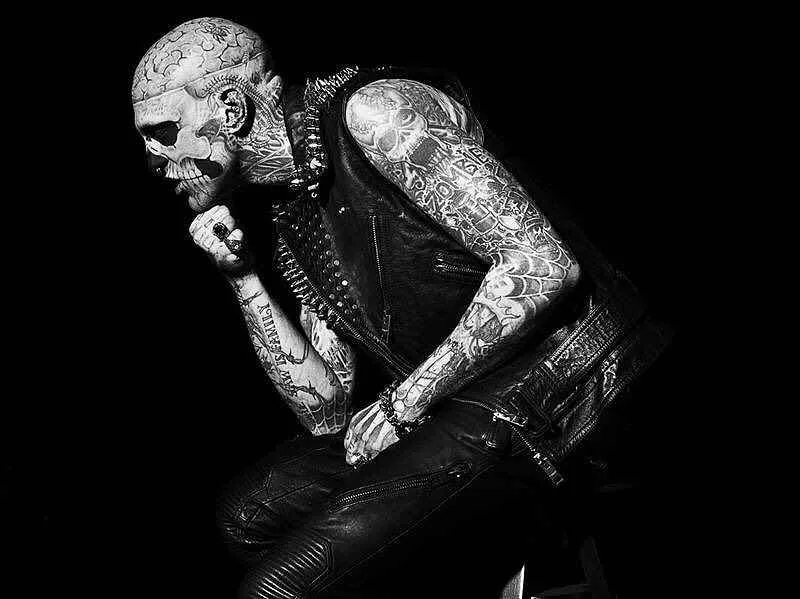
Rick Genest's tattoo work represented one of the most comprehensive examples of horror and macabre body art ever documented. His extensive collection featured intricate skeletal anatomy, detailed bone structures, realistic insects, and decomposition imagery that transformed his entire body into a living work of dark art. The precision required for such anatomically correct bone tattoos demanded exceptional technical skill from multiple tattoo artists over many years.

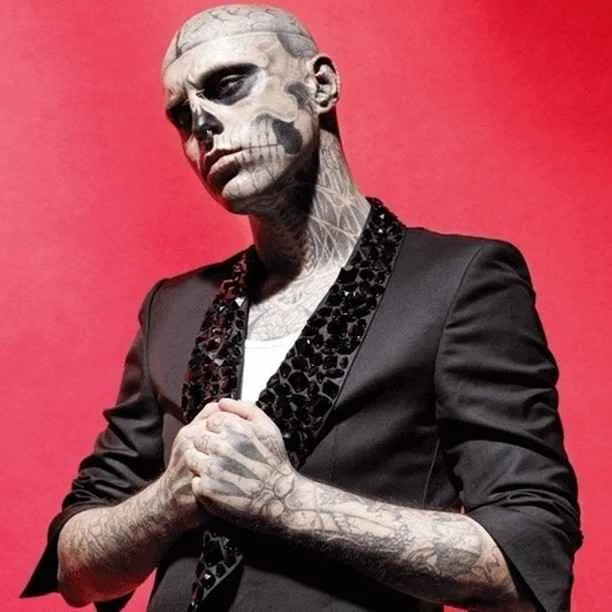
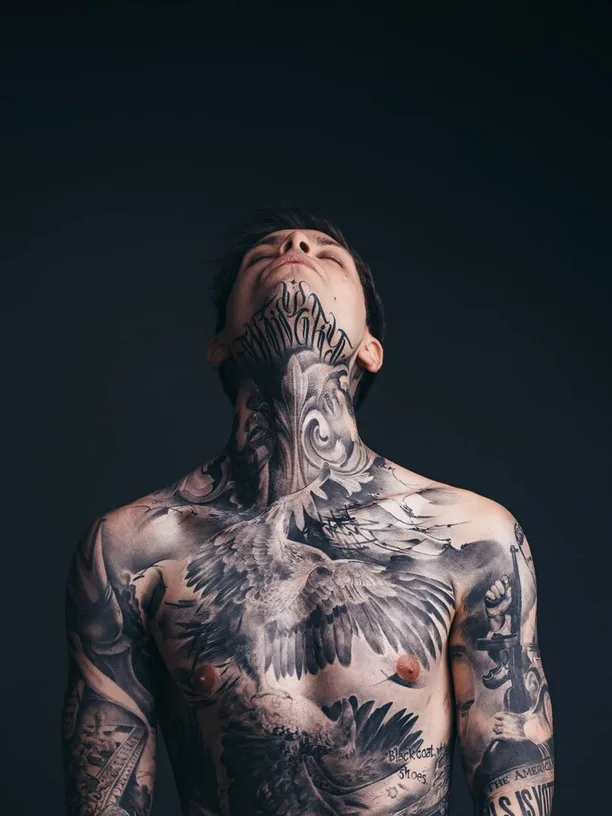
The black and grey realism style dominated his body suit, with highly detailed shading and anatomical accuracy that created the illusion of exposed bones and decay. This approach to extreme tattoo artistry pushed the boundaries of what was possible in body modification, requiring not only artistic vision but also careful planning to ensure the designs flowed seamlessly across his entire body while maintaining their individual impact and detail.
Notable Works
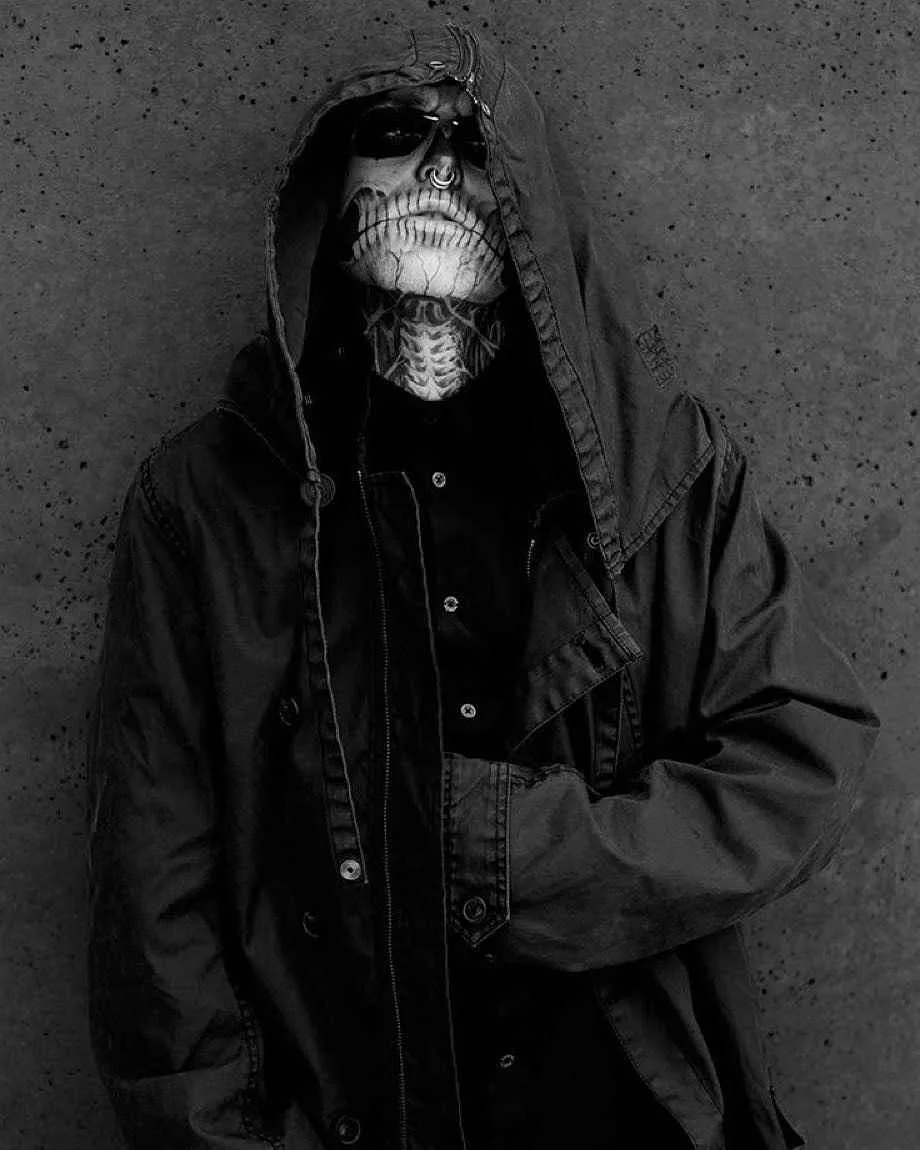
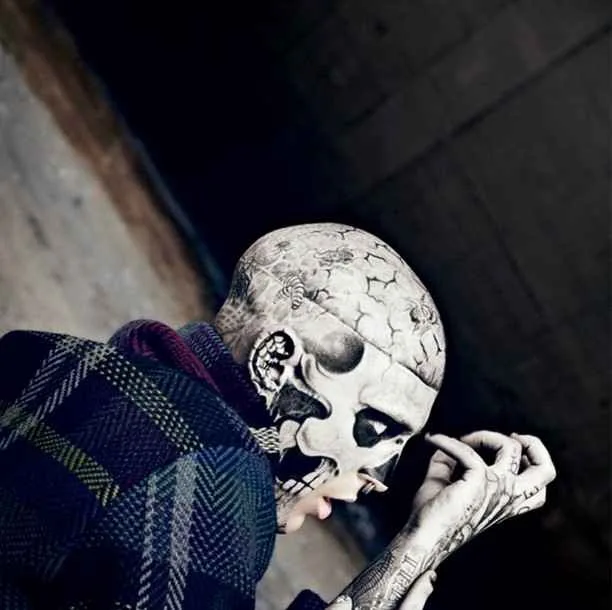
The works shown in the gallery above demonstrate the incredible scope and detail of Rick's body transformation. His facial tattoos, featuring exposed skull imagery and skeletal features, became his most recognizable trademark and were executed with remarkable precision to follow the natural contours of his bone structure. The anatomical accuracy of these pieces required extensive collaboration with skilled tattoo artists who specialized in realistic black and grey work.
His record-breaking collection of bone and insect tattoos showcased not only quantity but exceptional quality, with each piece contributing to an overall aesthetic that was both shocking and artistically compelling. The seamless integration of hundreds of individual tattoos into a cohesive full-body design represents one of the most ambitious tattoo projects ever completed, earning him recognition in the international body art community and mainstream media alike.
Legacy and Impact
Rick Genest's influence on tattoo culture and alternative modeling continues to resonate throughout the industry. His fearless approach to extreme body modification opened doors for other heavily tattooed individuals in mainstream media and fashion. His collaboration with major publications and artists like Lady Gaga helped normalize extreme tattoos in popular culture.
For those inspired by Rick's dedication to his artistic vision, proper tattoo aftercare becomes crucial when undertaking extensive body modification projects. His legacy serves as both inspiration and reminder of the importance of mental health support within the tattoo and alternative modeling communities.