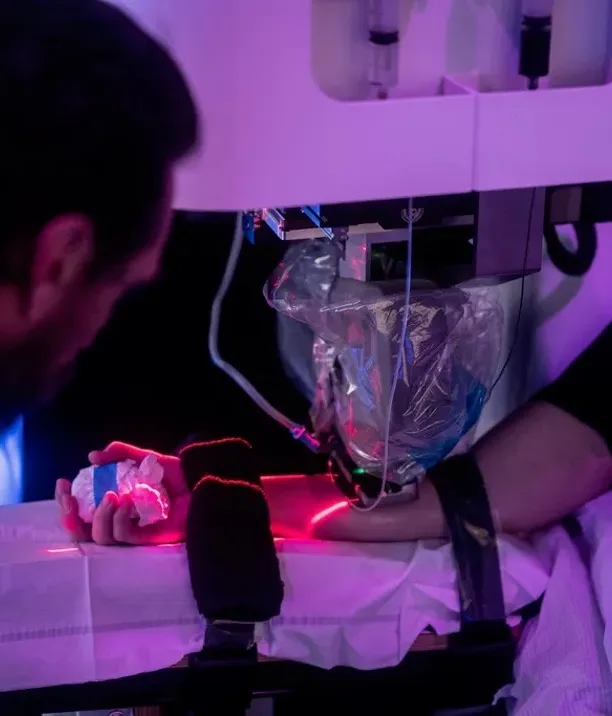
About Fighting of tattoo master Taiki Masuda for the rights of tattooists in Japan
Did you follow the fate of Japanese tattoo artist Taiki Masuda?
For those who do not know about this case, Taiki Masuda was in the center of the struggle of the Japanese government with tattooing. In 2015, Osaka police made a full-scale raid on the city's tattoo studios, arresting or fining many tattooists for work without a medical license, which is technically illegal in accordance with a law adopted more than half a century ago. Nevertheless, despite the strong pressure from the authorities, some of the tattooists came out with the intention to fight for the right to engage in ancient art. Taiki Masuda became one of these fighters. In September 2017, Masuda was found guilty of violating medical law. However, instead of paying the fine, he decided to advocate for the recognition of the tattoo as a form of artistic creation, but not a medical procedure.
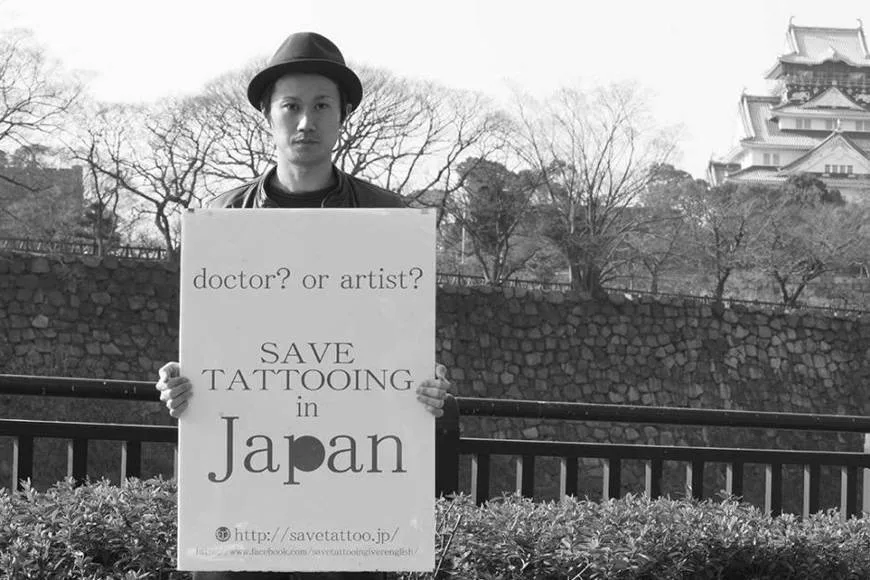
The whole tattooed world watched the struggle of the brave Japanese tattoo artist. It lasted a whole year, and finally, he was declared innocent. "The tattooing procedure is not relevant to medicine and it does not constitute a medical act controlled under the medical practitioners' law" - said presiding judge Masaki Nishida.
This is a really exciting win for tattooists from all over the world. Japanese tattoo, represent the spirit, aesthetics, legends and history of the oldest country on Earth. We heartily congratulate Masuda and his team on this incredible victory, which brought new hope to a free future for Japanese tattooists.
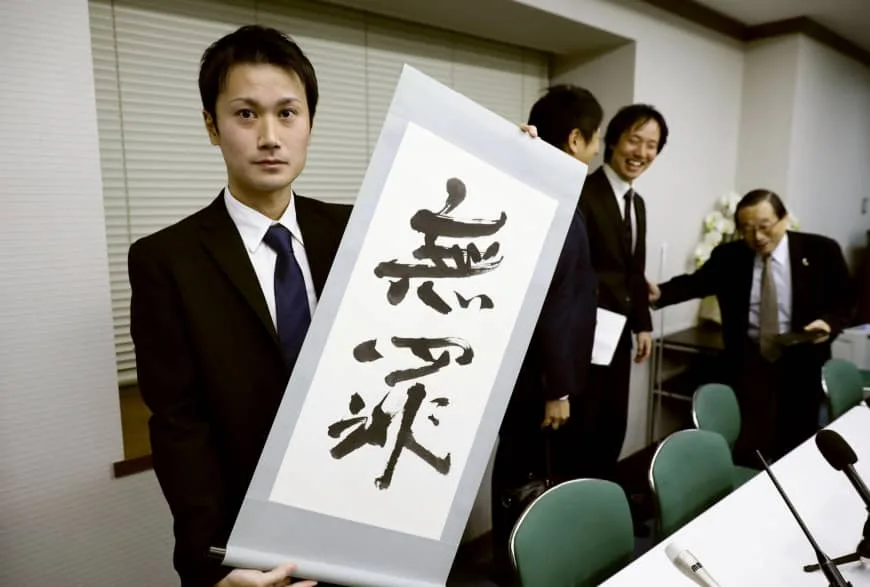
Masuda's victory represents more than just a legal triumph—it's a pivotal moment that helped preserve Japan's rich tattooing heritage. The Osaka tattoo scene, where this battle took place, has long been home to master artists who carry forward centuries-old traditions while adapting to modern tattooing techniques. His courage to challenge an outdated law has opened doors for countless talented Japanese artists who can now practice their craft without fear of prosecution.
The significance of this case extends beyond Japan's borders, inspiring tattoo artists worldwide who face similar legal challenges in their respective countries. Masuda's fight highlighted the importance of recognizing tattooing as a legitimate art form rather than a medical procedure, a distinction that has profound implications for the global tattoo community and regulatory frameworks around the world.
Style and Technique
Japanese tattooing, the art form that Masuda fought so passionately to protect, represents one of the world's most sophisticated and culturally significant tattoo traditions. Traditional Japanese tattoos, known as irezumi or horimono, feature bold, flowing designs that often cover large portions of the body in elaborate bodysuit compositions. These works typically incorporate classical Japanese imagery including dragons, koi fish, cherry blossoms, waves, and protective deities, all rendered in a distinctive style that emphasizes harmony, balance, and symbolic meaning.
The technical mastery required for authentic Japanese tattooing involves understanding complex compositional rules, color theory specific to Japanese aesthetics, and the cultural significance behind each design element. Artists working in this tradition must master the art of creating seamless flows between different motifs while maintaining the bold, readable quality that defines the style. The technique often involves building up designs through multiple sessions, allowing for the layered depth and rich color saturation that characterizes the finest examples of this art form. You can explore more about various tattoo styles and their cultural significance in our comprehensive tattoo magazine section.


Notable Works
The works shown in the gallery above demonstrate the caliber of artistry that was at stake during Masuda's legal battle. These pieces exemplify the traditional Japanese approach to tattooing that has been refined over generations, showcasing the intricate detail work and masterful composition that makes this style so revered among tattoo enthusiasts worldwide. The images capture not just the artistic merit of the work, but also the cultural weight of preserving these ancient traditions in modern Japan.
Each piece represents the kind of artistic expression that Masuda fought to protect—works that transcend mere decoration to become powerful statements of cultural identity and artistic heritage. The attention to detail and adherence to traditional Japanese tattoo principles visible in these works highlight why the tattoo community rallied behind Masuda's cause. Such masterful execution places these works among the finest examples featured in our artist rankings, demonstrating the level of skill that defines truly exceptional Japanese tattooing.
Legacy and Impact
The impact of Masuda's victory continues to resonate throughout Japan's tattoo community and beyond. His successful challenge to outdated legislation has enabled a new generation of Japanese tattoo artists to practice their craft openly and contribute to the evolution of this ancient art form. The legal precedent he established has provided security and legitimacy to an industry that was operating under constant threat of prosecution.
For clients seeking authentic Japanese tattoo work, this victory ensures access to properly trained artists working in appropriate studio environments. The importance of choosing qualified artists cannot be overstated, particularly for large-scale Japanese pieces that require multiple sessions and extended healing periods. Proper tattoo aftercare becomes especially crucial with traditional Japanese tattoos due to their size, complexity, and the time investment required to complete them.
Masuda's courage in fighting for artistic recognition has secured the future of Japanese tattooing, ensuring that this remarkable tradition can continue to thrive and inspire new generations of artists and collectors around the world.