Eva Ronnova is a California-based tattoo artist working in fine line. She specializes in botanical tattoos — delicate floral compositions that often develop into large-scale projects, including full sleeves, back pieces, and full-leg designs.
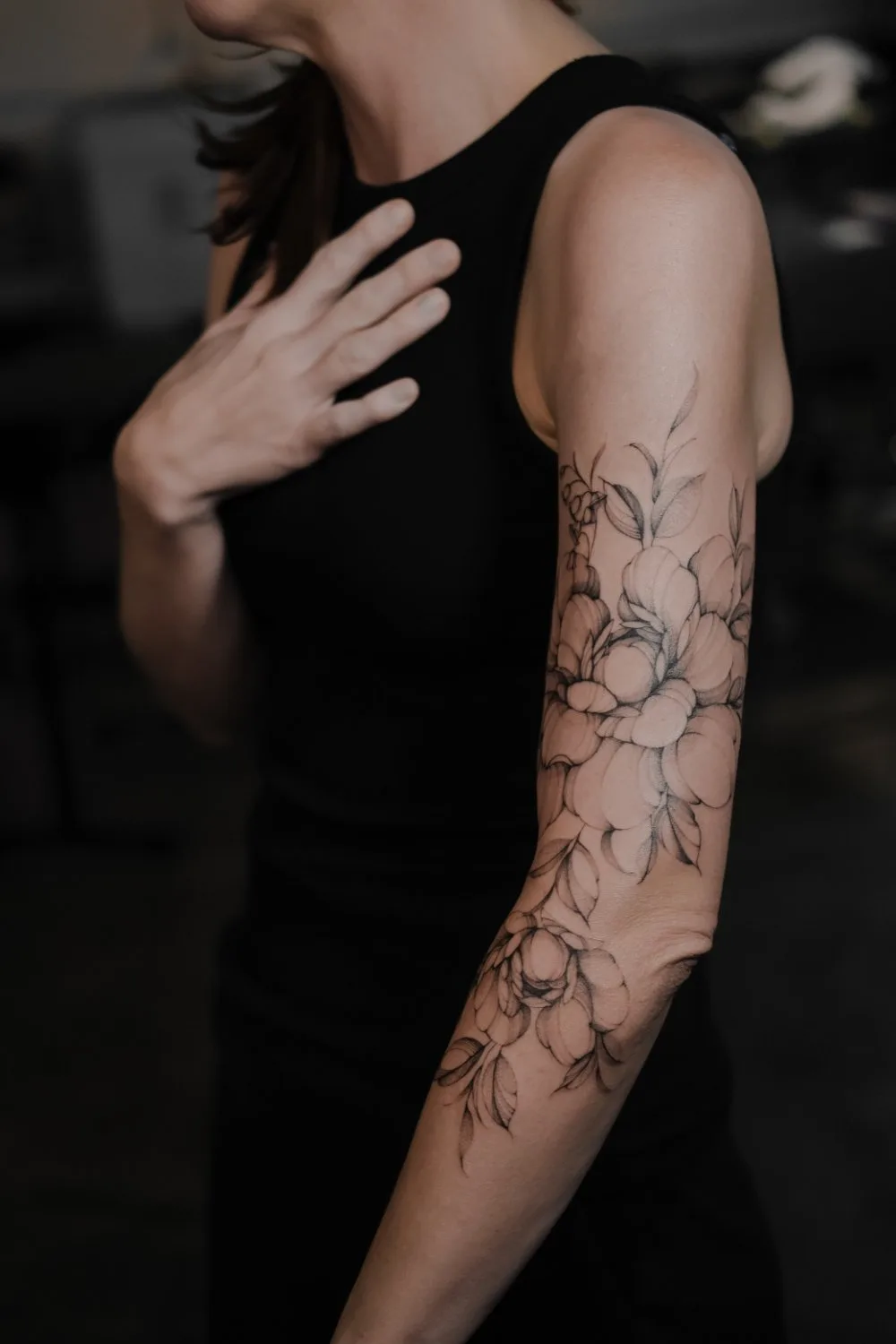
Before becoming a tattoo artist, Eva worked in graphic design, taught drawing, and ran her own art school. That background has had a strong influence on her approach to composition and large-scale work.
One of the defining features of her process is freehand drawing. Because of this, her botanical tattoos feel less like images placed on the skin and more like natural extensions of the body.
In this interview, Eva Ronnova talks about her journey from drawing and design into tattooing, the development of her freehand approach, working with botanical references, and the challenges of creating large-scale fine line compositions.
Hi! Where are you originally from, and where do you currently live and work?
I'm originally from Russia, and I'm currently based in the United States. I frequently travel across the country for guest artist residencies, working with studios in different states, while also welcoming clients to my private studio in Joshua Tree, California.
How did your journey into tattooing begin, and how many years have you been doing it professionally?
My journey into tattooing began in 2021. Before that, I worked as an art teacher and ran my own drawing school for several years, so creating art had already been a huge part of my life. Tattooing became a natural continuation of that path, allowing me to combine fine art with working directly on the human body. I've now been tattooing professionally for five and a half years.
Do you remember your very first tattoo on a person, and has your approach changed much since then?
Yes, of course. I still remember it very clearly. I was excited and incredibly nervous at the same time because I felt a huge sense of responsibility. But as soon as I started tattooing, I realized how much I enjoyed the process and that this was exactly what I wanted to do.
Of course, my approach has changed a lot since then. Today I feel confident instead of nervous before making the first line. More importantly, I've developed my own way of designing tattoos directly on the body using freehand, and I now think much more about composition, anatomy, and how the tattoo will age over time than I did in the beginning.
What is your favorite flower to work with: a real plant or a fantasy sketch?
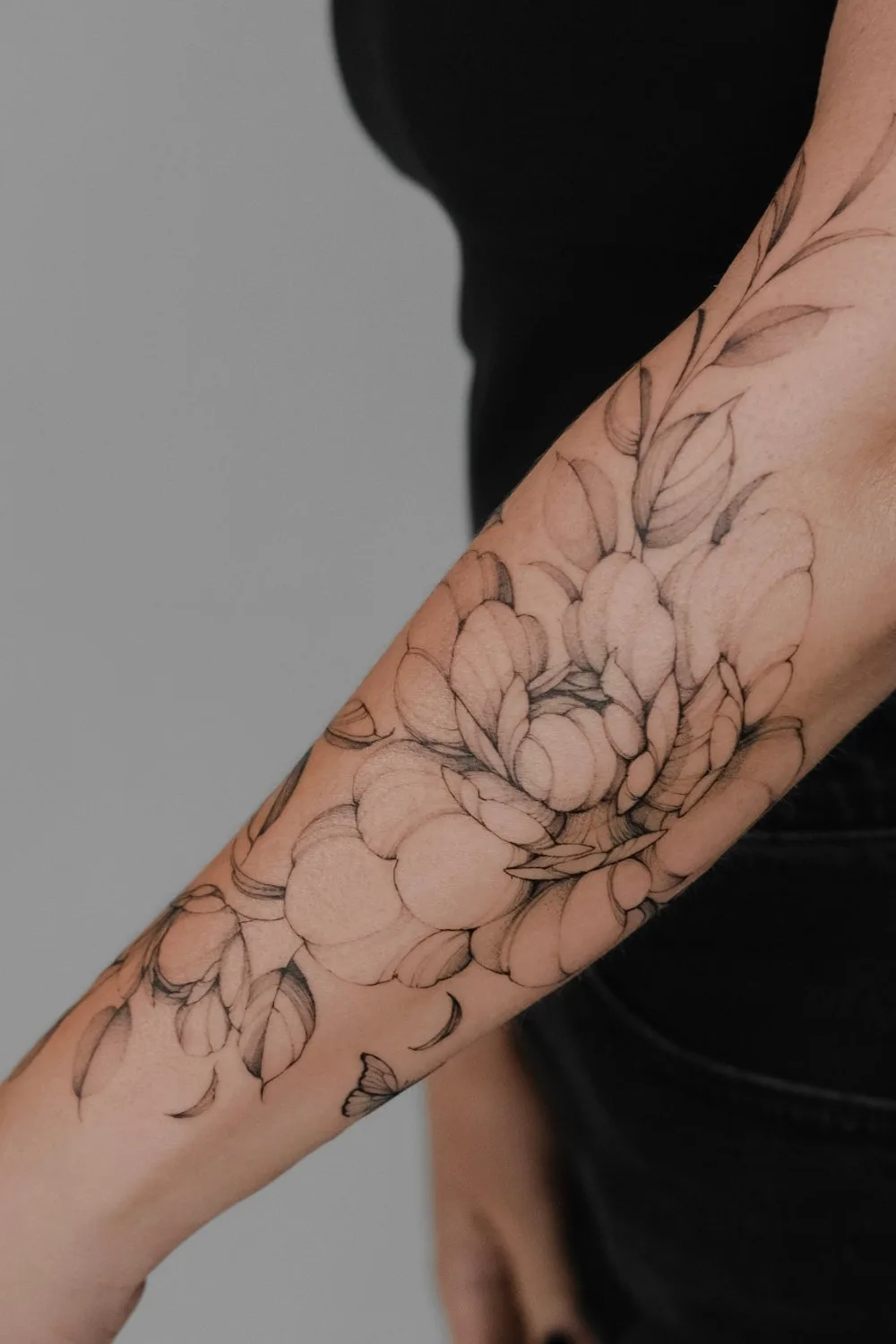
I definitely prefer working with real flowers and plants. Whenever I tattoo a species I've never worked with before, I spend time researching it, studying its structure, proportions, and natural growth patterns. Understanding the anatomy of each flower is essential because I want people to recognize the plant immediately, while still interpreting it in my own artistic style.
“It's about understanding how a flower is built so I can recreate it naturally from any angle and adapt it to the client's anatomy while preserving its character.”
For me, botanical tattooing isn't about copying a reference photo. It's about understanding how a flower is built so I can recreate it naturally from any angle and adapt it to the client's anatomy while preserving its character.
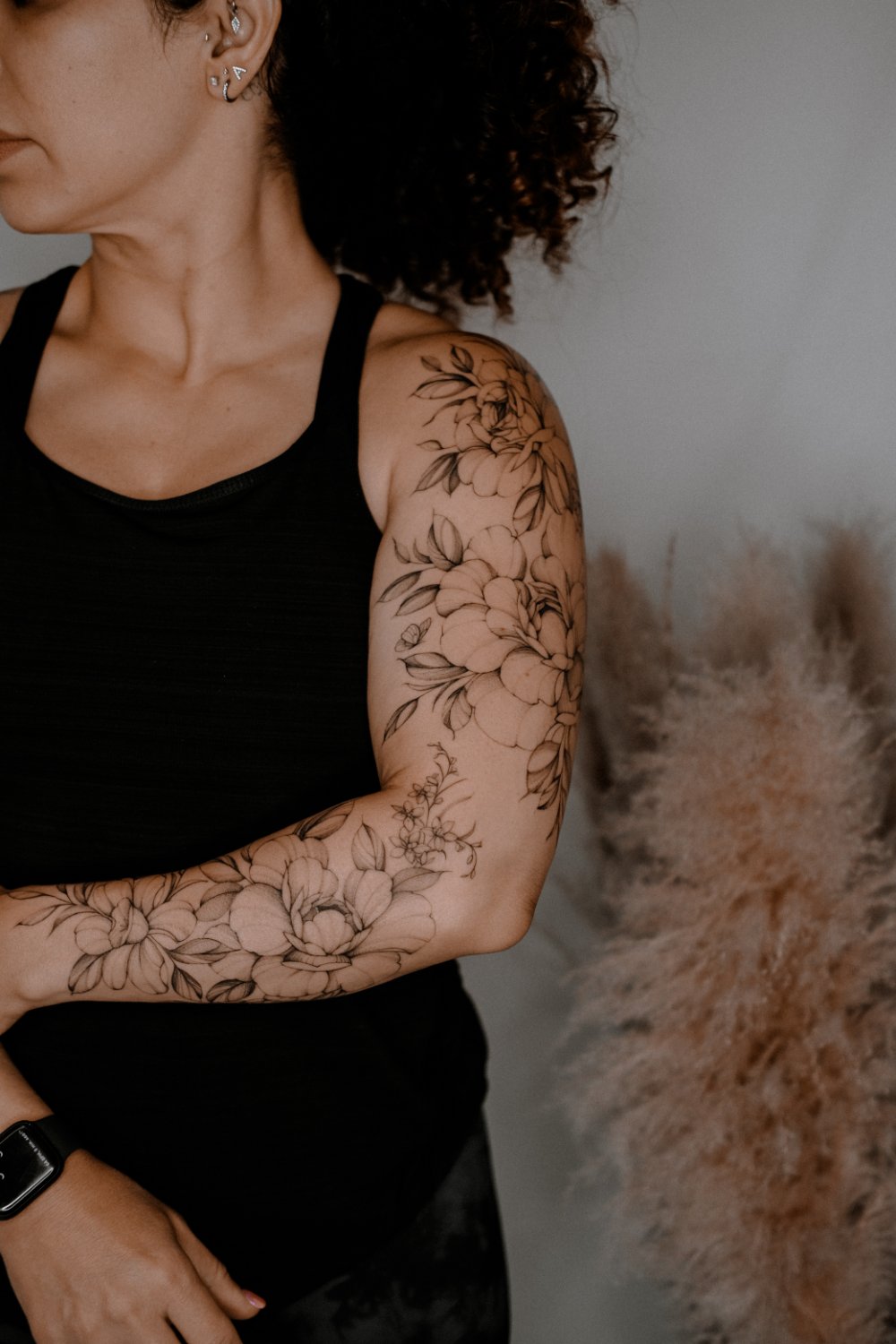
Eva Ronnova botanical sleeve
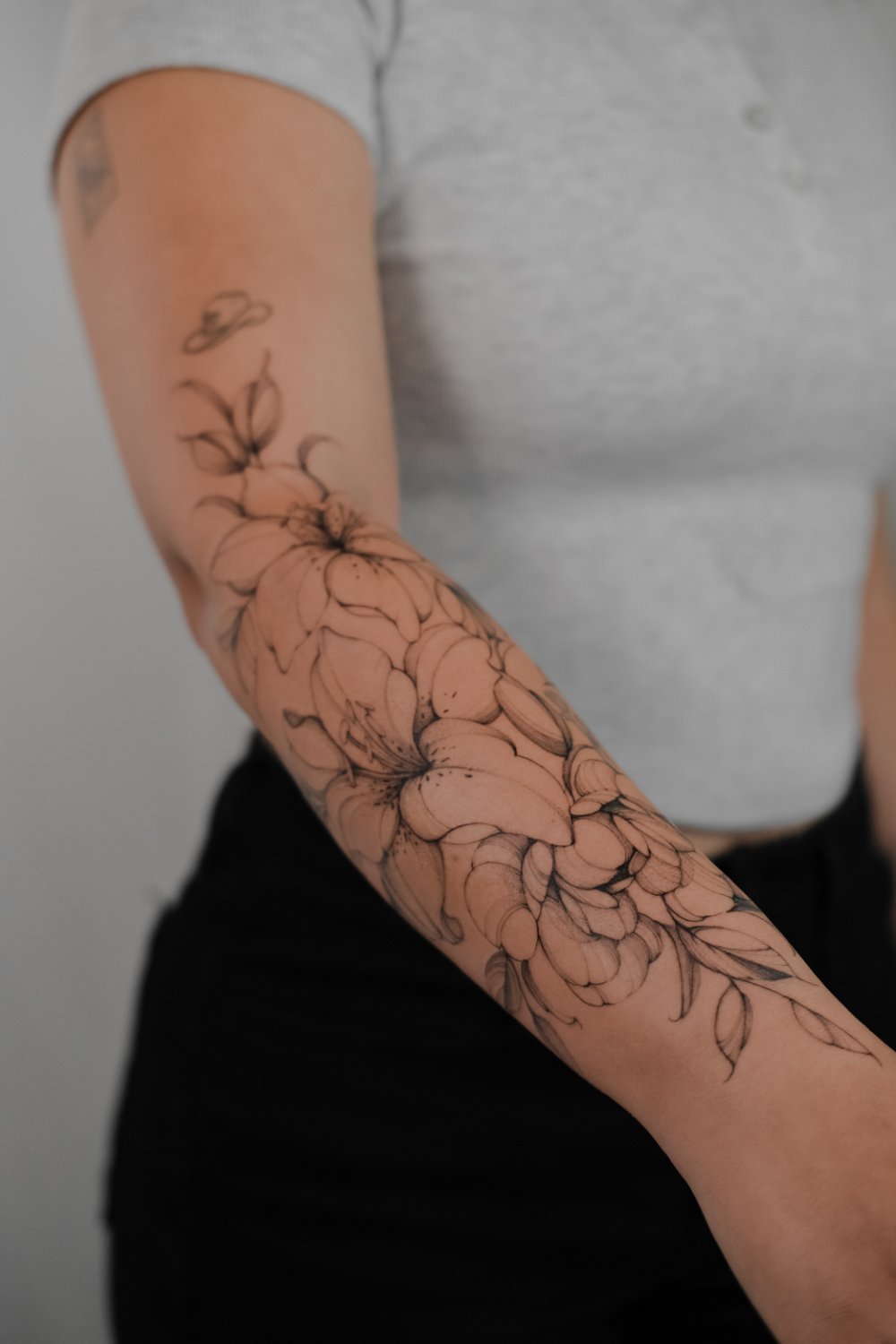
Eva Ronnova, fine-line botanical
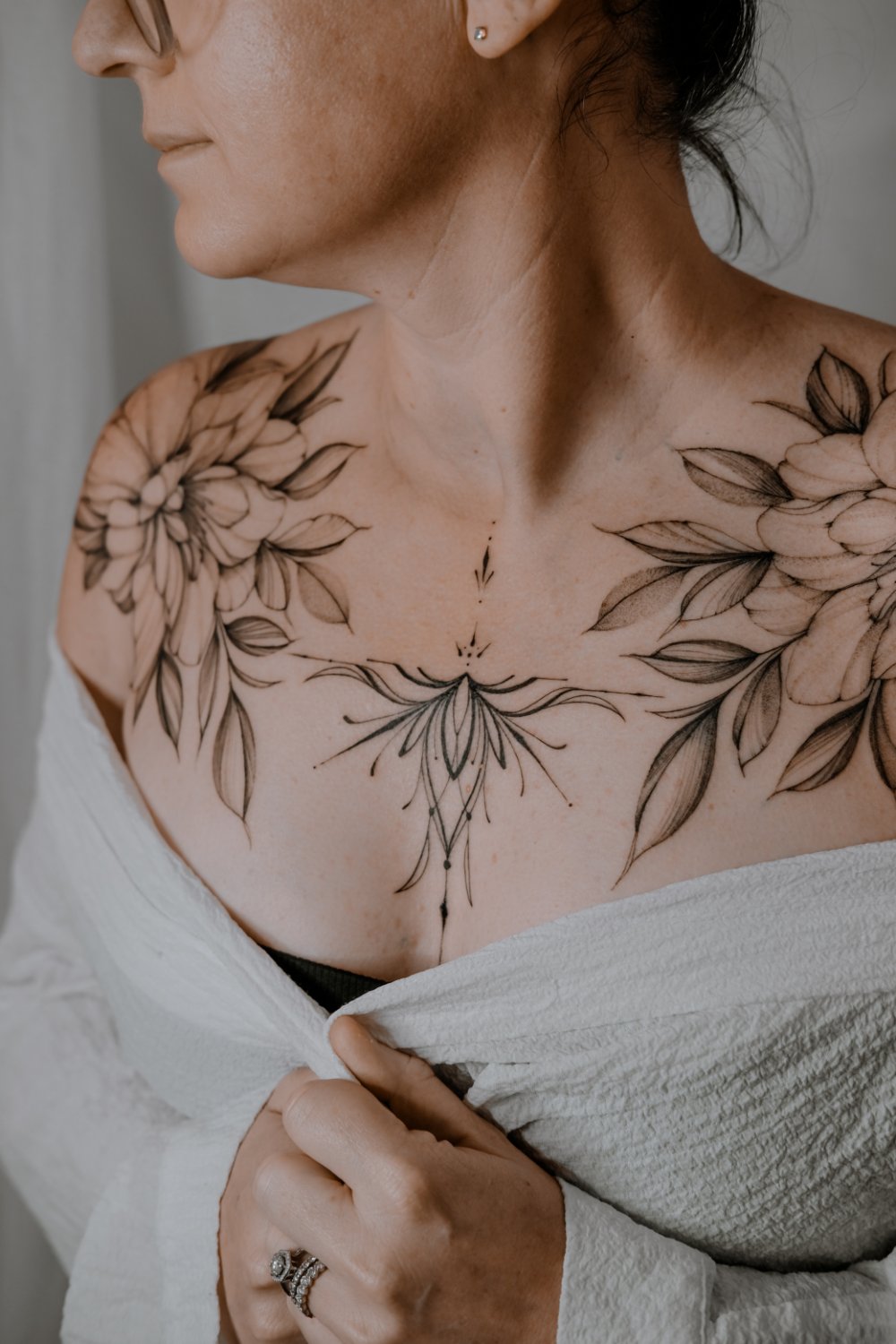
Eva Ronnova, botanical fine-line
Why do you prefer the freehand technique over ready-made transfers for botanical tattoos?
I prefer freehand because it gives me the freedom to create directly on the body instead of trying to make the body fit a pre-made design. My goal is to make the tattoo flow naturally with the client's anatomy, so every composition feels balanced, harmonious, and truly belongs to that person.
It's also very important to me that every client receives a unique piece. Even if I'm tattooing the same type of flower, I never repeat the exact composition. I redraw every project from scratch, adapting it to the client's body shape, proportions, and movement. That's what makes each tattoo one of a kind rather than a copy of a previous design.
Describe your process from the first marker line to the machine. How does a composition come to life directly on the body?
I always start by analyzing the client's anatomy. Before drawing any flowers or leaves, I study the shape of the body and how the tattoo can flow naturally with its contours. The first thing I draw is a series of simple circles that represent the main floral elements. At this stage, I'm not drawing the flowers themselves, I'm creating a map of the future composition. I determine the placement and size of each flower based on the client's anatomy, proportions, and the overall balance of the design.
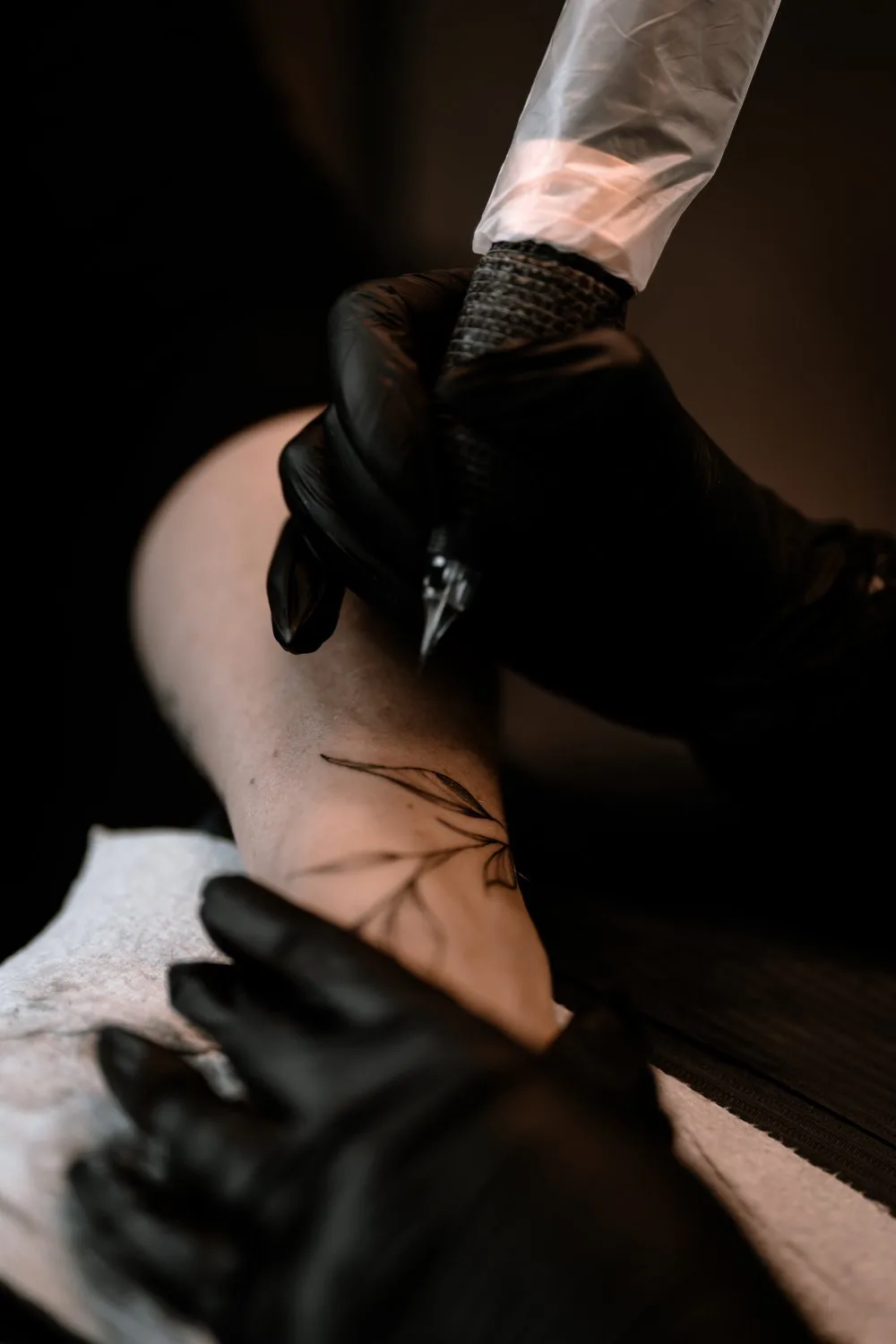
Once this composition map is complete, I review it with the client to make sure we're both happy with the flow and placement. Only after that do I begin drawing the detailed flowers, leaves, and all the final elements directly on the skin. This step-by-step process allows me to create designs that feel natural, balanced, and completely unique to each client.
Where do you draw inspiration for your projects, and do walks in nature help you?
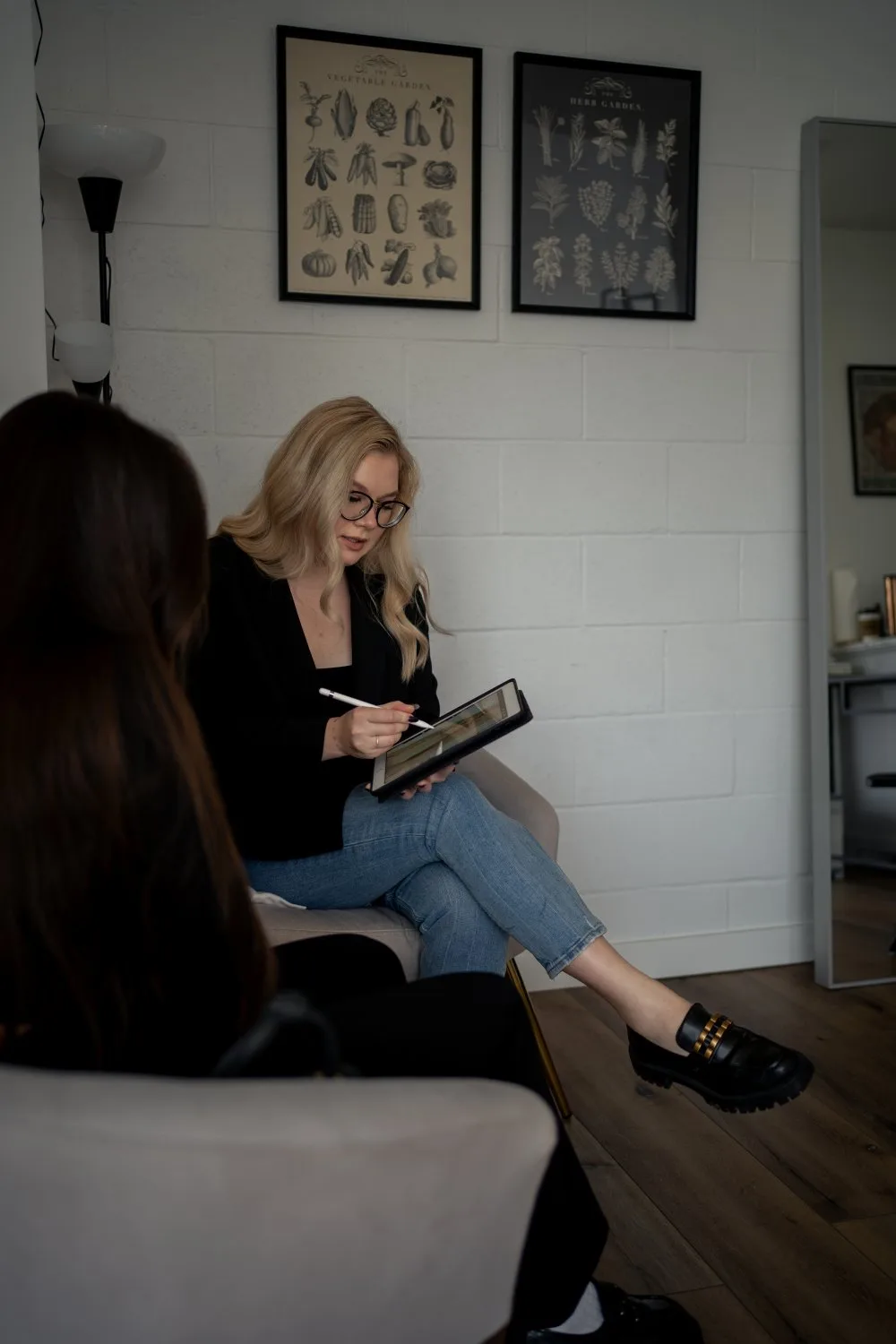
Nature is definitely my biggest source of inspiration. I try to travel as much as possible and explore different climates and regions across the United States, partly because I love observing different flowers and plants in their natural environment. Every place has its own unique botanical character, and I find that incredibly inspiring. I've always loved flowers, and when I decided to become a tattoo artist, I knew from the very beginning that I wanted to create tattoos primarily for women. As a woman myself, I remember how difficult it was to find an artist whose work felt soft, elegant, and botanical rather than bold or aggressive. That experience shaped the direction of my own artistic style.
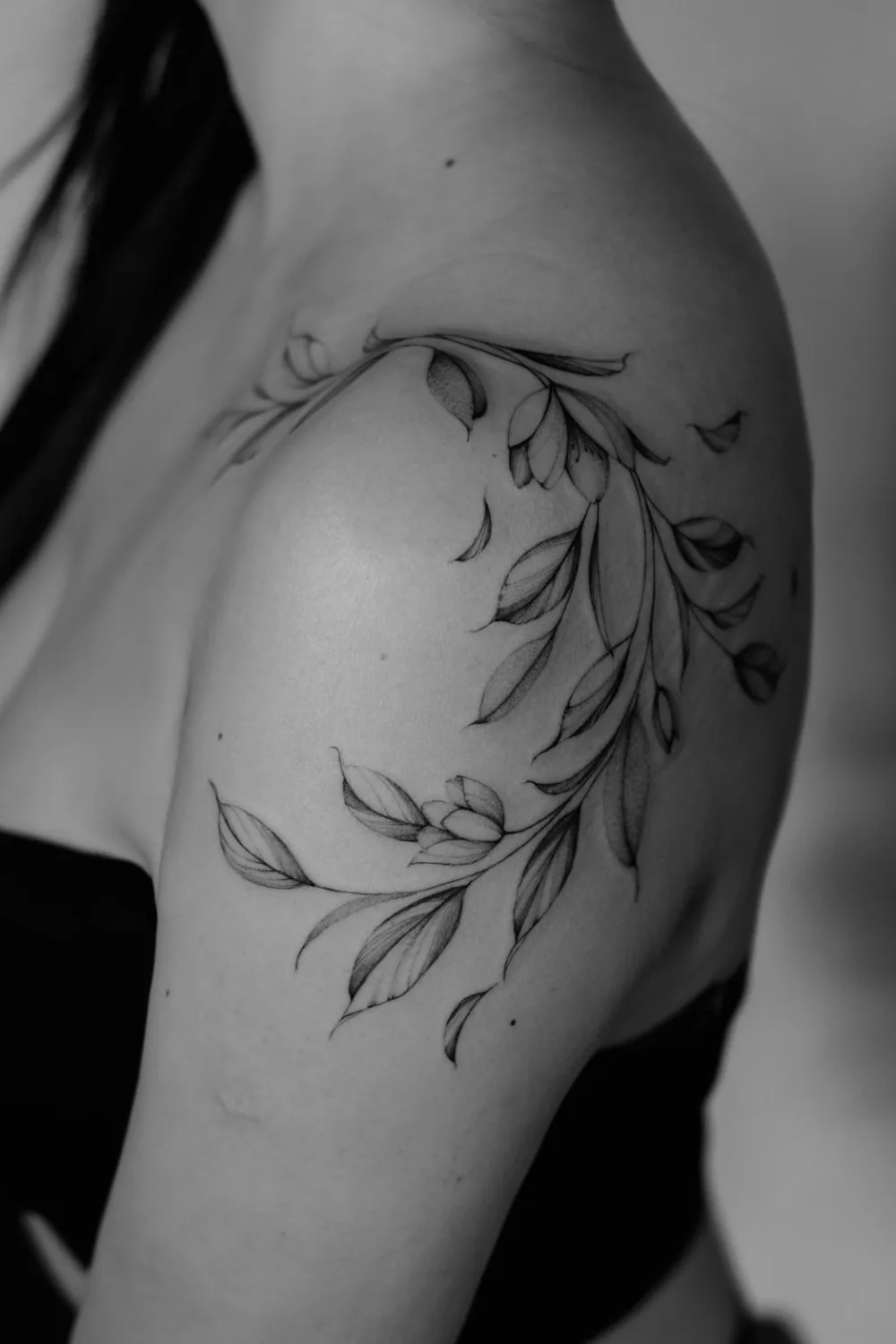
To me, flowers are one of the strongest symbols of femininity. My work is an attempt to combine the beauty of nature with the beauty of the female form, creating tattoos that feel delicate, timeless, and naturally connected to the body.
What technical difficulties do you most often face when creating delicate floral motifs?
One of the biggest challenges is keeping a composition light and airy while still creating enough contrast to draw the viewer's eye. Delicate tattoos can easily become visually flat if every element has the same visual weight, so achieving the right balance is essential. To solve this, I rely on the same principles used in classical academic drawing, controlling contrast, focal points, depth, and visual rhythm. I apply these principles when designing large-scale projects such as sleeves, back pieces, and leg compositions, where every element has to work together as part of one cohesive design.
For me, botanical tattooing isn't just about drawing beautiful flowers. It's about creating a composition that feels elegant from a distance while still revealing fine detail up close, and that balance is one of the most technically demanding parts of my work.
Which of your projects or completed works stand out to you the most, and why?
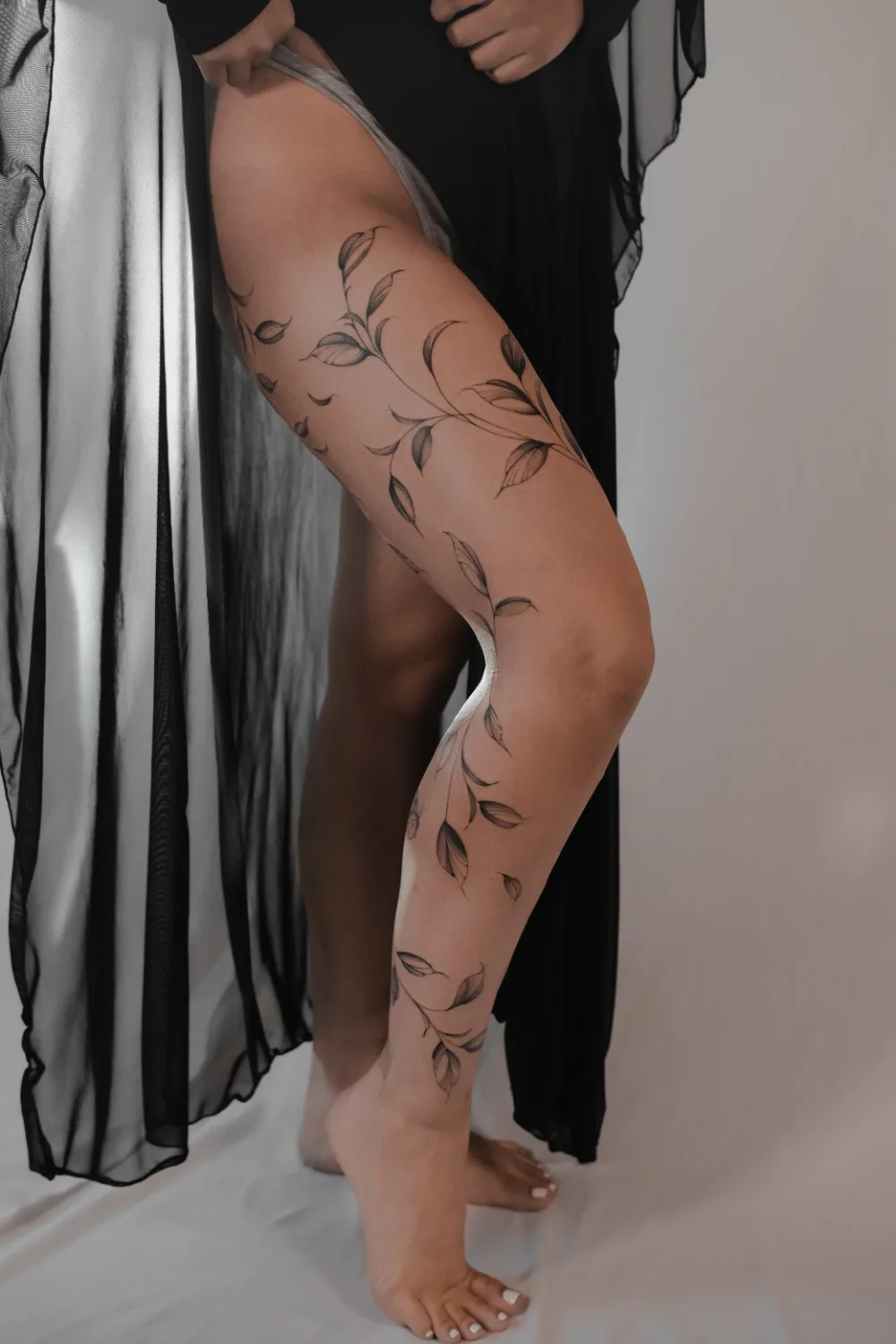
The projects that represent me the most are my large-scale botanical compositions, especially full sleeves. While fine line tattooing is often associated with small, delicate pieces, I've chosen to specialize in large projects such as sleeves, back pieces, and leg compositions. For me, the real challenge is creating something that remains light, elegant, and feminine even on a large scale. That requires careful planning, a strong understanding of anatomy, and a composition that flows naturally across the body without ever feeling heavy or overcrowded. On a piece of this size the negative space matters as much as the flowers, the empty skin is what keeps a full sleeve breathing instead of feeling crowded. Sleeves are the type of project I'm best known for today. They're where everything I do comes together: large-scale composition and delicate botanical detail. Many of my clients travel from other states specifically to work with me for exactly this combination. I think that's what has become the signature of my work.
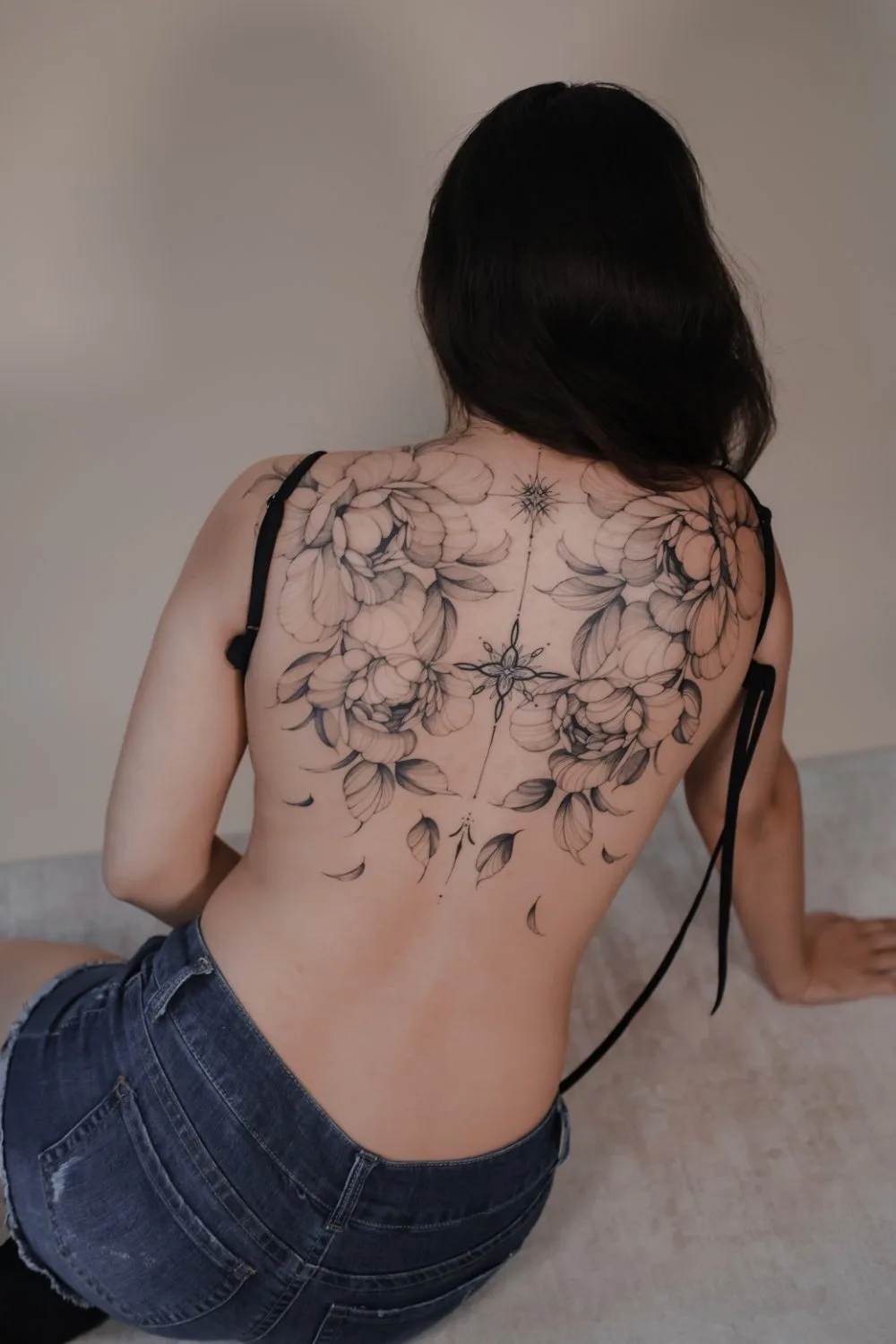
“On a piece of this size the negative space matters as much as the flowers, the empty skin is what keeps a full sleeve breathing instead of feeling crowded.”
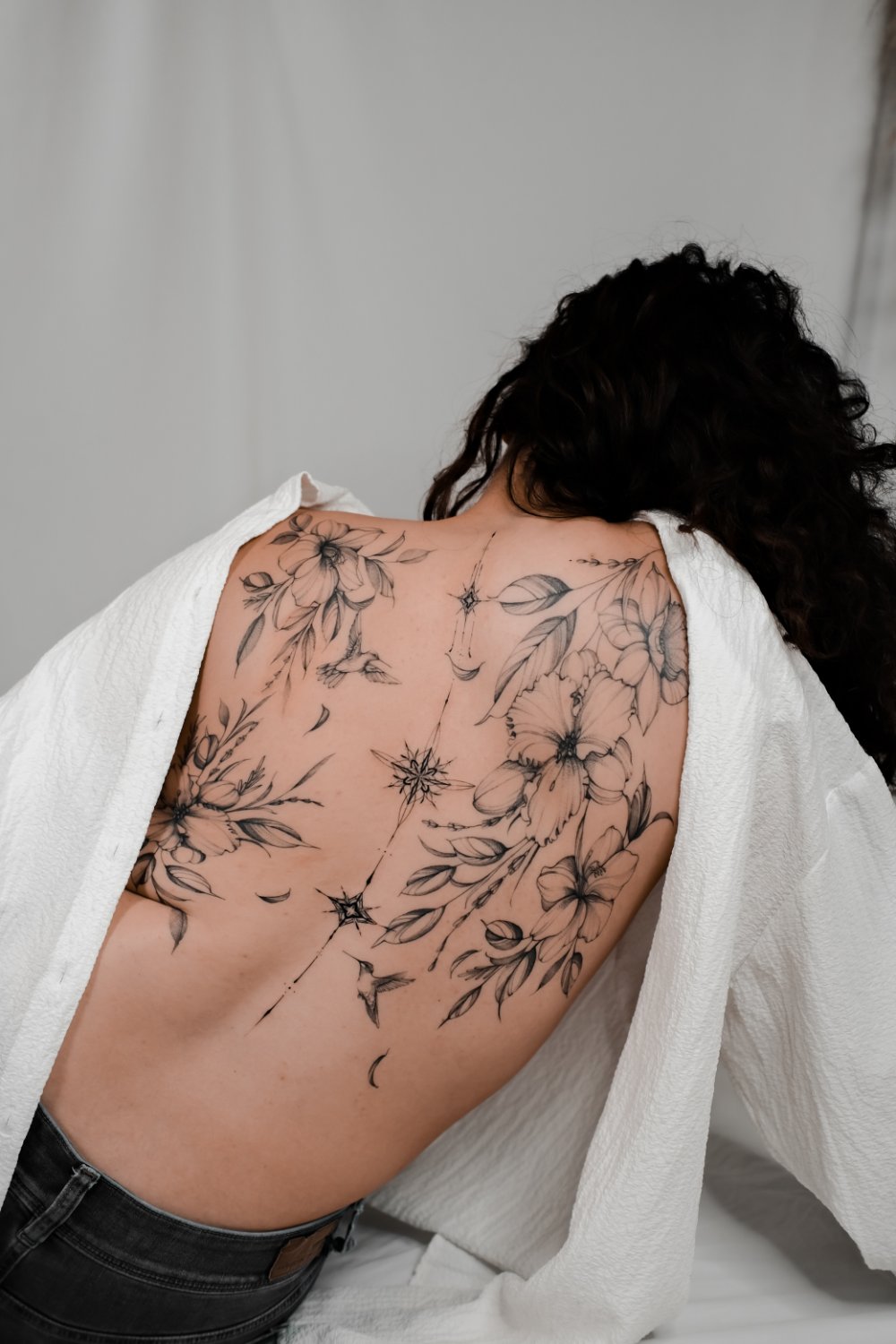
Eva Ronnova: freehand botanical back tattoo
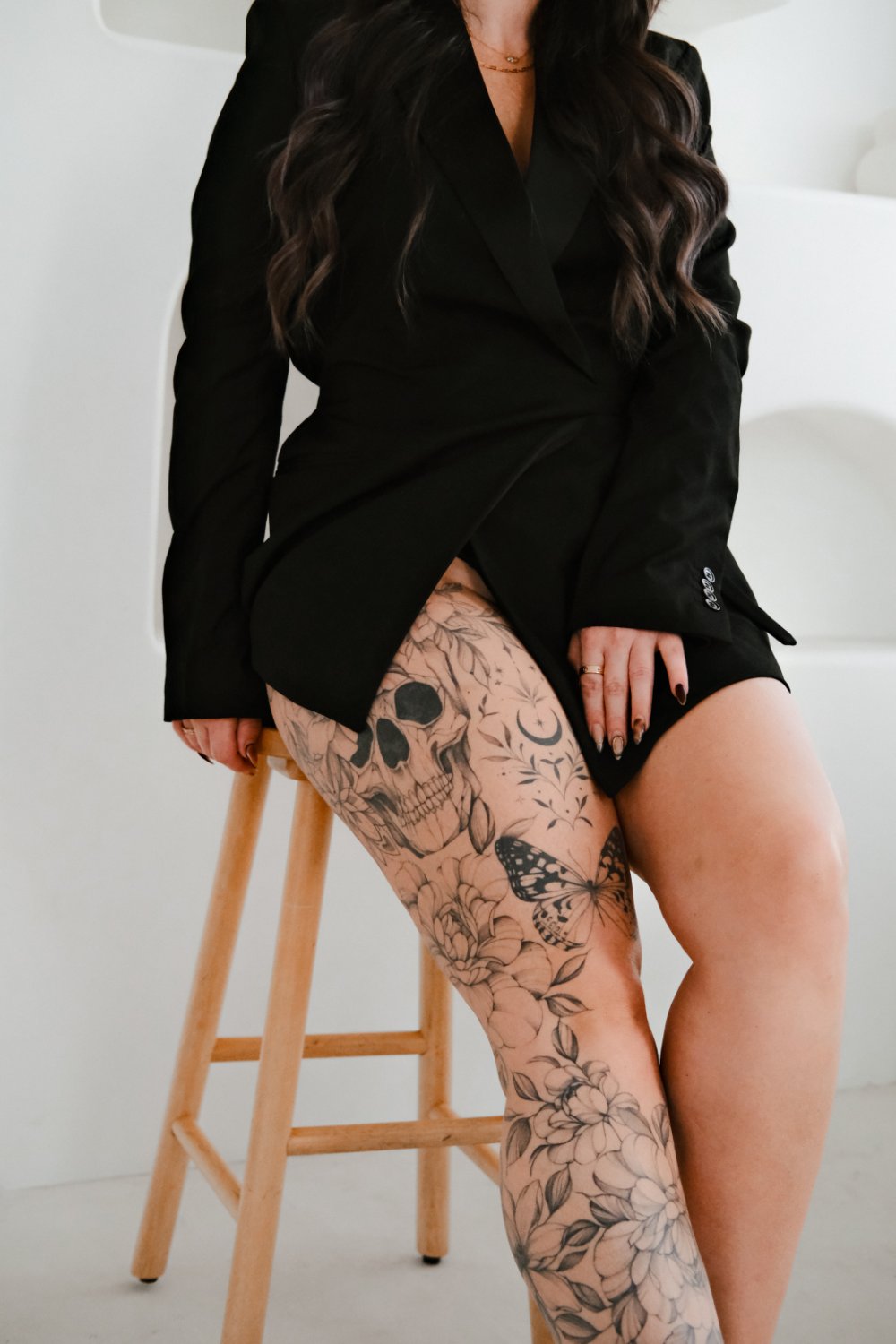
Eva Ronnova freehand botanical tattoos
Have you participated in tattoo conventions, exhibitions, or other professional events? Which ones left the biggest impression?
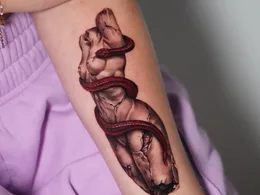
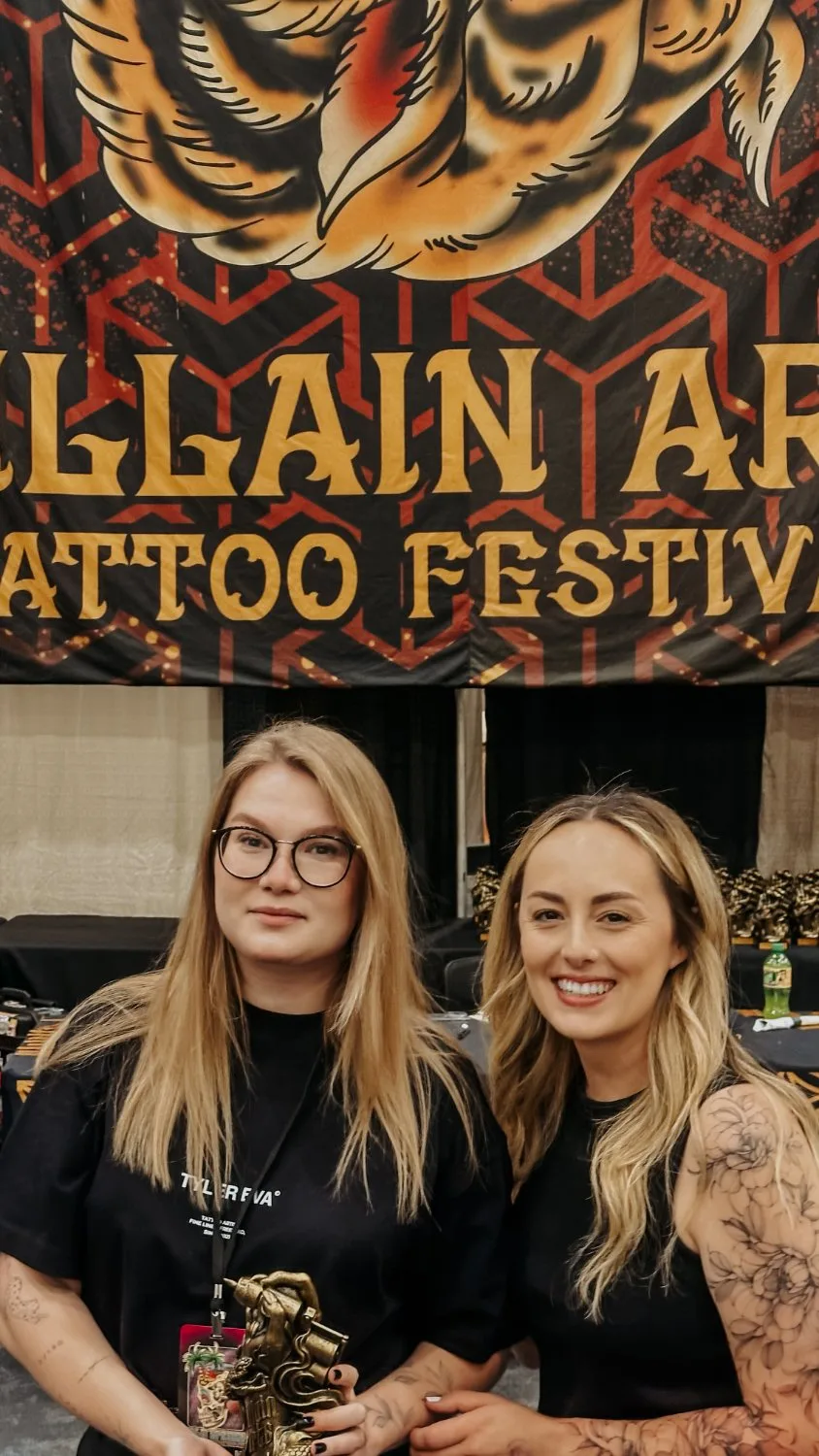
I've participated in several professional tattoo conventions, including the Villain Arts Tattoo Convention in Palm Springs and the All Stars Tattoo Convention in Florida. The event that left the strongest impression on me was Villain Arts in Palm Springs, the level of organization, the number of participating artists, and the range of competition categories were outstanding. I take part in conventions selectively, because fine line botanical tattooing isn't always the easiest style to present in a competitive setting. In a convention, bold styles can often make an immediate visual impact from a distance, while fine line work reveals its precision and detail much more clearly up close. At Villain Arts there's no separate fine line category, so I competed in the general brackets against every style at once, which made placing there especially meaningful. I came away with three awards.
Have you won any awards at festivals, and how important are contest victories to you?
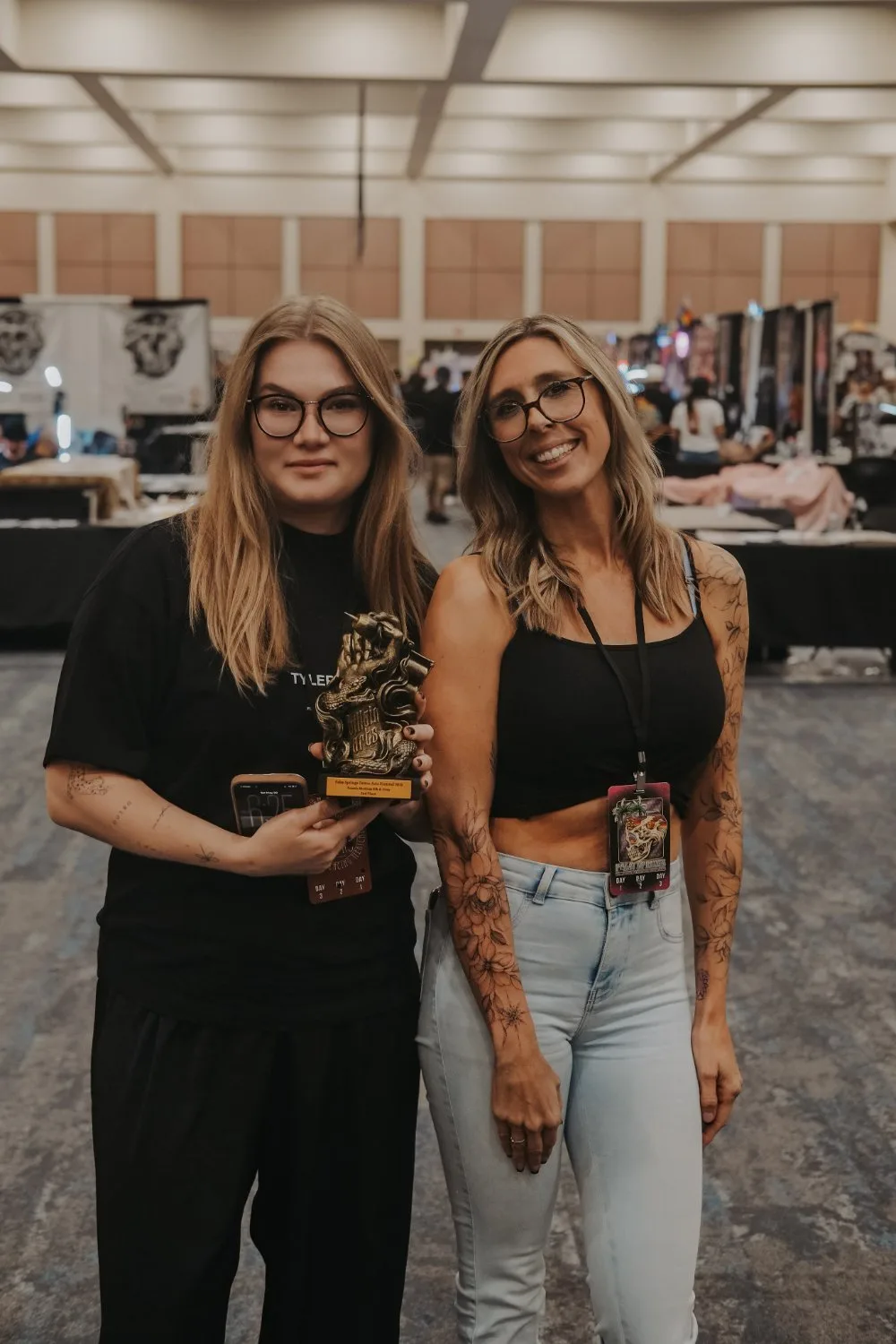
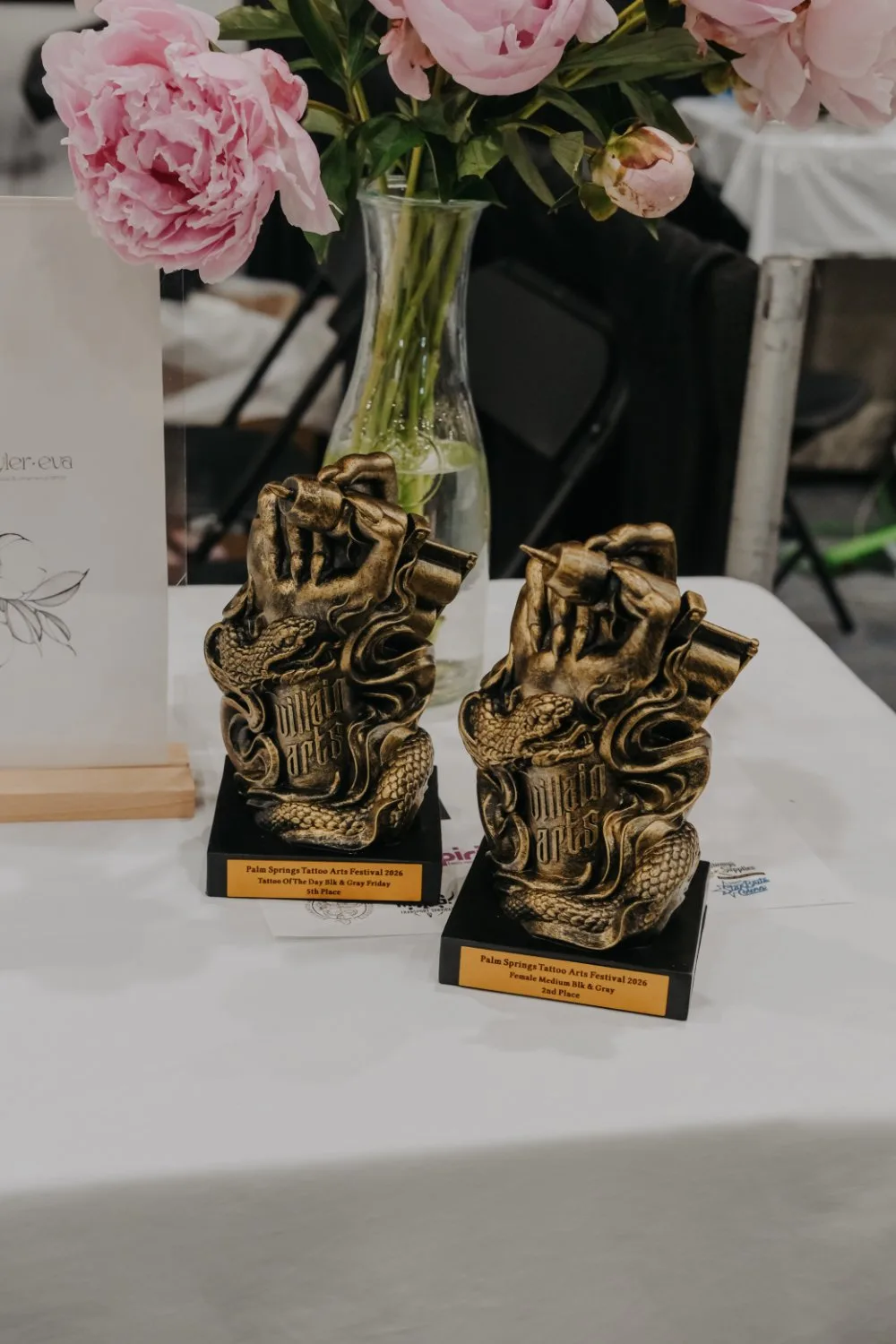
Yes. At the Villain Arts Tattoo Convention in Palm Springs I received second place in the Female Medium Black & Grey category, second place for Chest Piece, and fifth place for Tattoo of the Day. Fine line botanical work is still relatively new to the competition circuit, and it's judged on precision, composition, and how a piece sits on the body, criteria that differ significantly from those used for bolder, more traditional styles. One of the awards was Tattoo of the Day; it is the toughest category for fine line because every style competes for the best tattoo completed in a single day. Executing a large-scale fine line piece under time pressure is especially demanding, which makes placing among all styles the result I'm proudest of. This whole experience meant a lot to me and pushed my work to a new level. I was invited to serve as a judge at the convention, where I evaluated work by artists across different tattoo styles. It had a hugely positive impact on me as an artist.
Do you have experience hosting masterclasses, lectures, or participating in collaborations with other artists?
Education has become a very important part of my career over the past few years. I've hosted both private mentorships and professional workshops for tattoo artists, teaching not only aspiring artists but also experienced professionals already working in the industry.
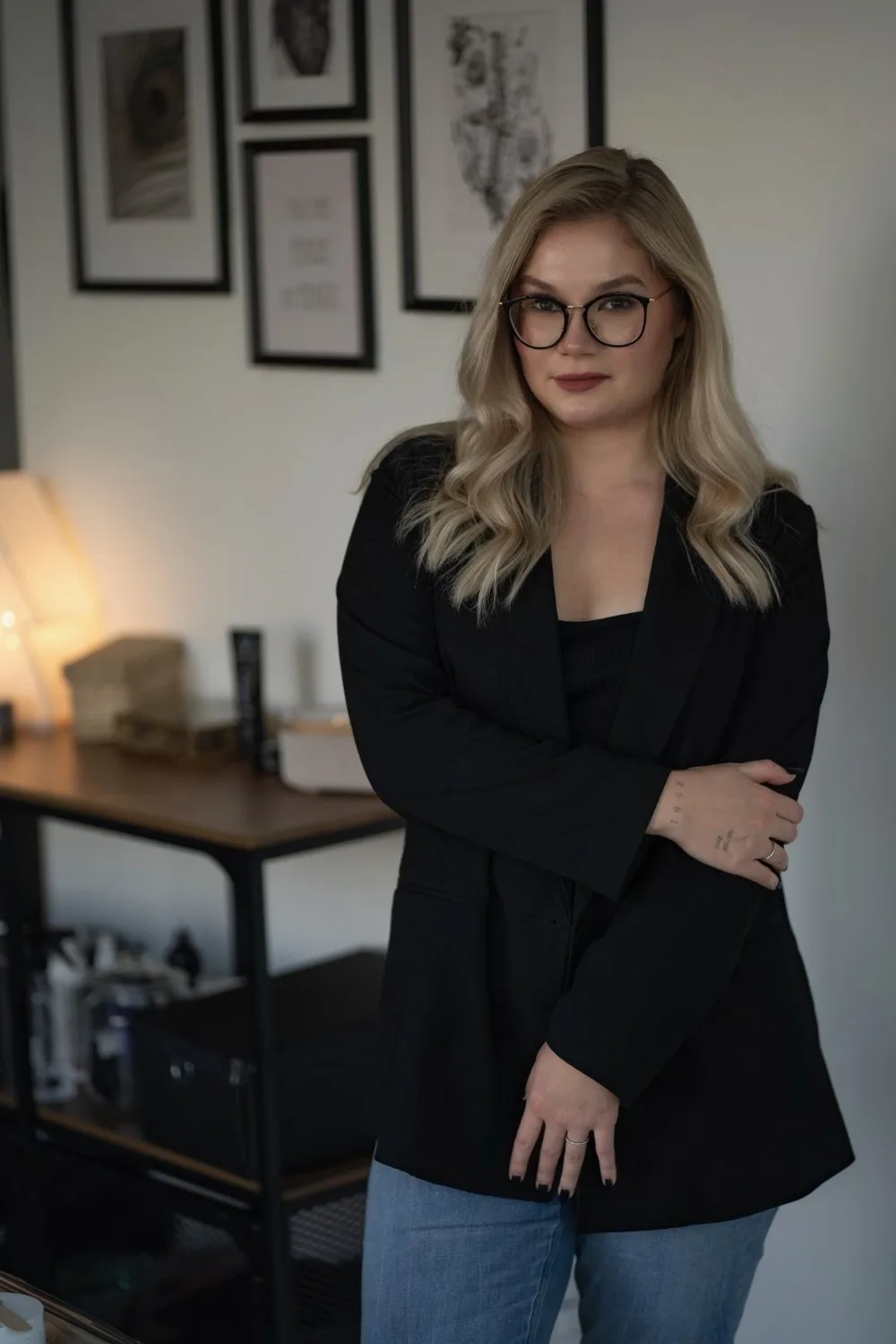
My educational approach combines the principles of academic drawing with the practical realities of tattooing. I teach artists how to understand form, composition, light, and anatomy, and then apply those artistic fundamentals directly to the human body through freehand design and large-scale botanical tattoos.
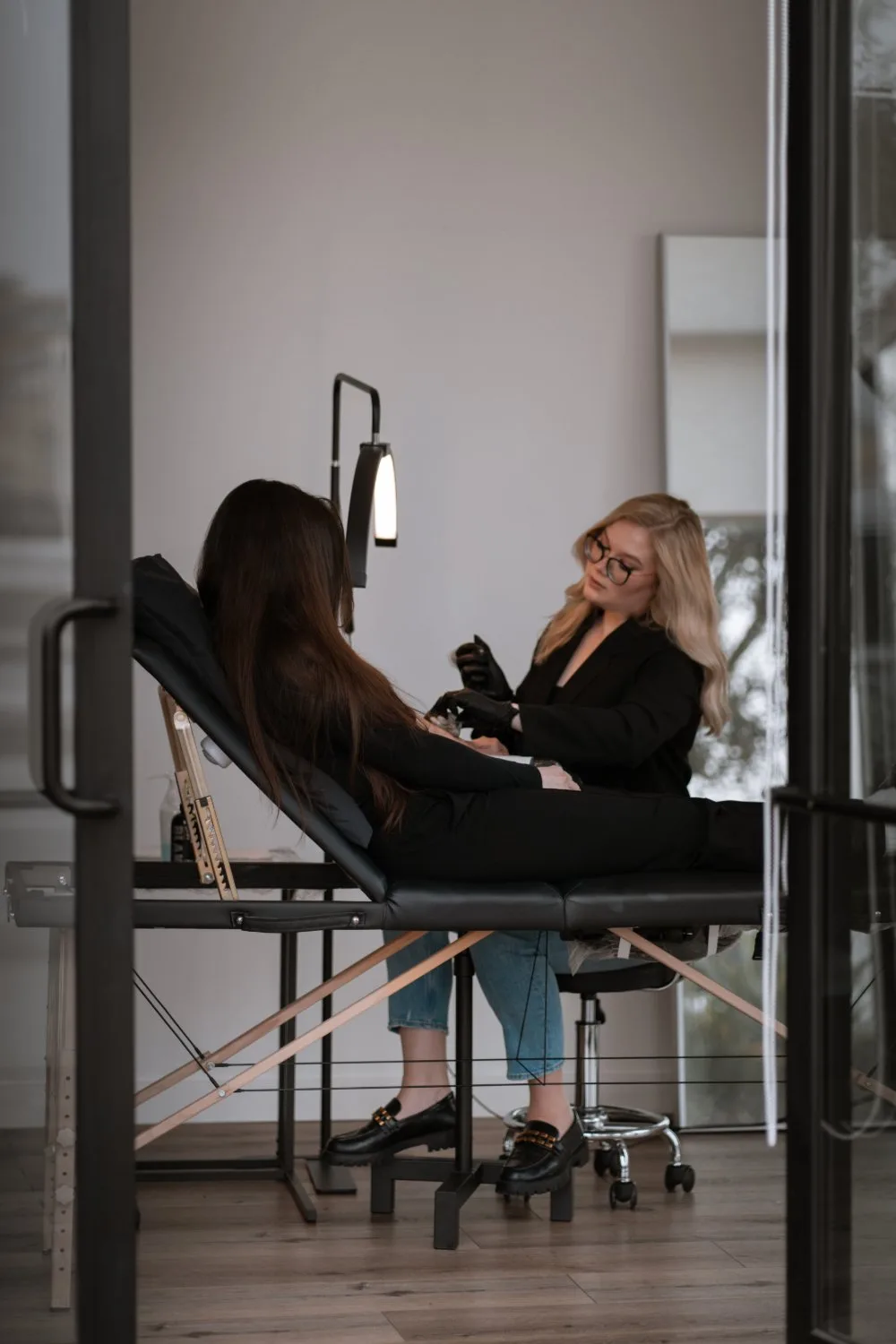
I've taught in different states across the U.S., including professional workshops in Los Angeles, California, and Fort Lauderdale, Florida, where I was invited to teach during my guest artist residencies. There, I worked with professional tattoo artists on composition, anatomy, freehand techniques, and creating large custom projects directly on the body instead of relying on stencils.
I also created an online educational program so artists who couldn't travel could learn my methods remotely. I genuinely enjoy teaching because I believe that sharing knowledge helps our industry grow. It's incredibly rewarding to see other artists gain confidence, take on larger and more complex projects, and develop their own artistic voice after training with me.
What advice would you give to artists who want to grow in botanical tattooing but are afraid of the freehand technique?
My biggest advice is simple: draw as much as you possibly can. Make drawing part of your daily routine, whether it's in a sketchbook or on an iPad.
Many artists think freehand is a separate talent, but I don't see it that way. Freehand is simply the ability to draw a subject, in my case, flowers and leaves, confidently on any surface. That skill doesn't appear overnight; it develops through thousands of hours of practice.
I always recommend mastering those forms on paper first. Once drawing flowers and leaves becomes second nature and your hand develops the necessary muscle memory, transitioning to the human body becomes much more natural. At that point, you're no longer trying to invent a flower, you already know how to draw it. You're simply adapting it to the client's anatomy.
Don't be afraid of making mistakes. Every artist starts somewhere, and confidence comes through repetition, not perfection.