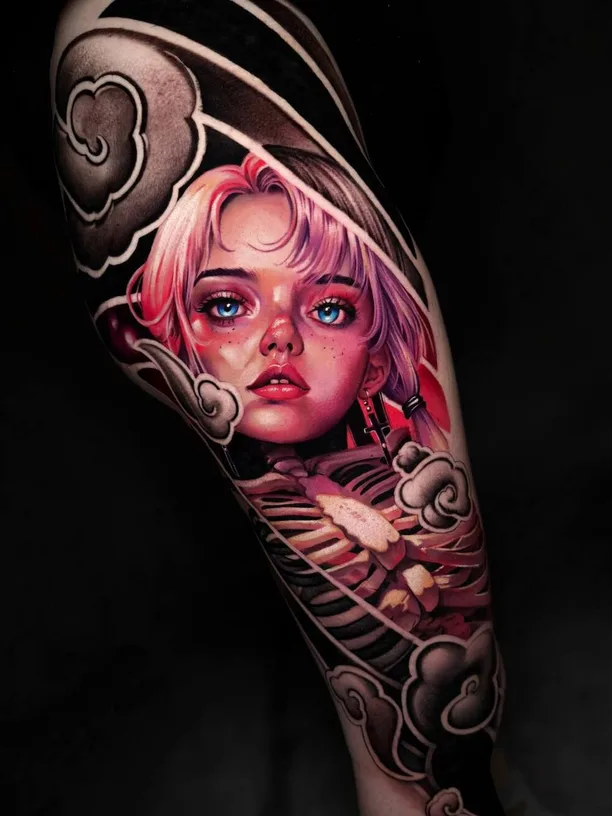
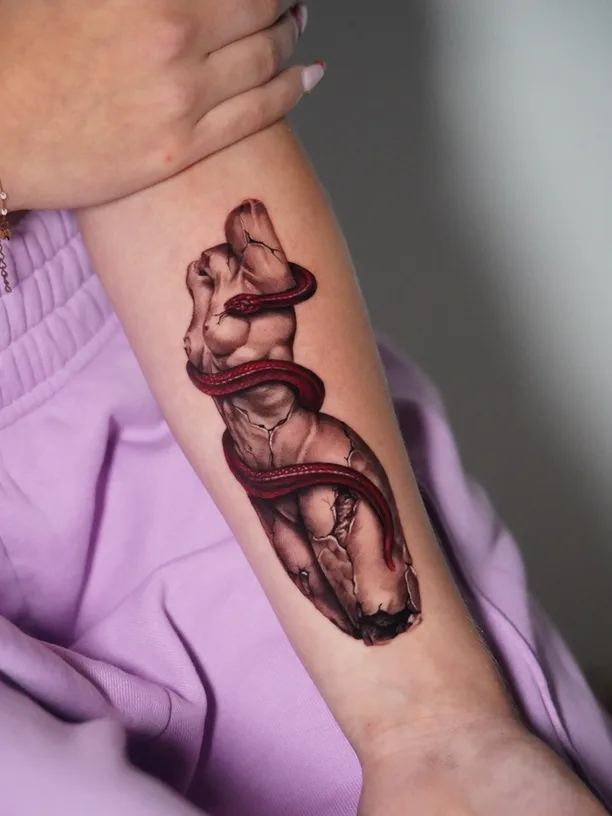
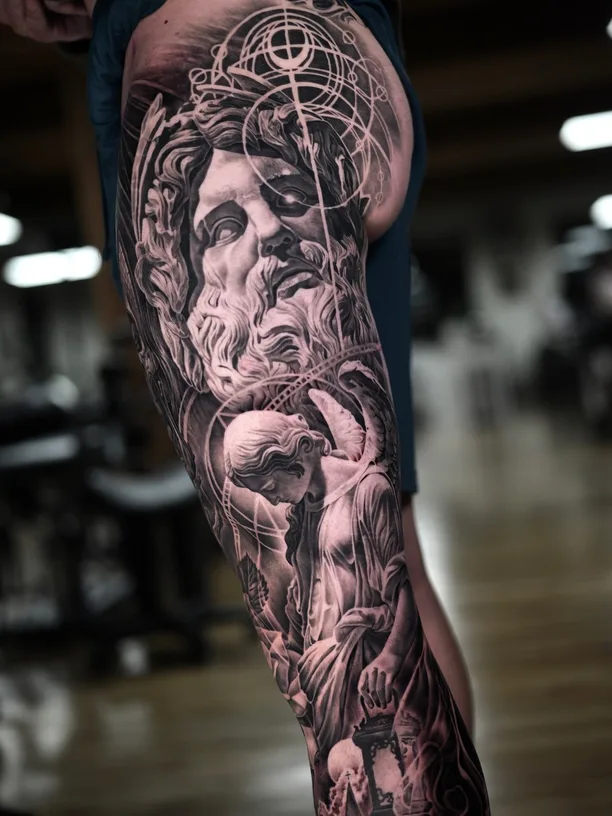
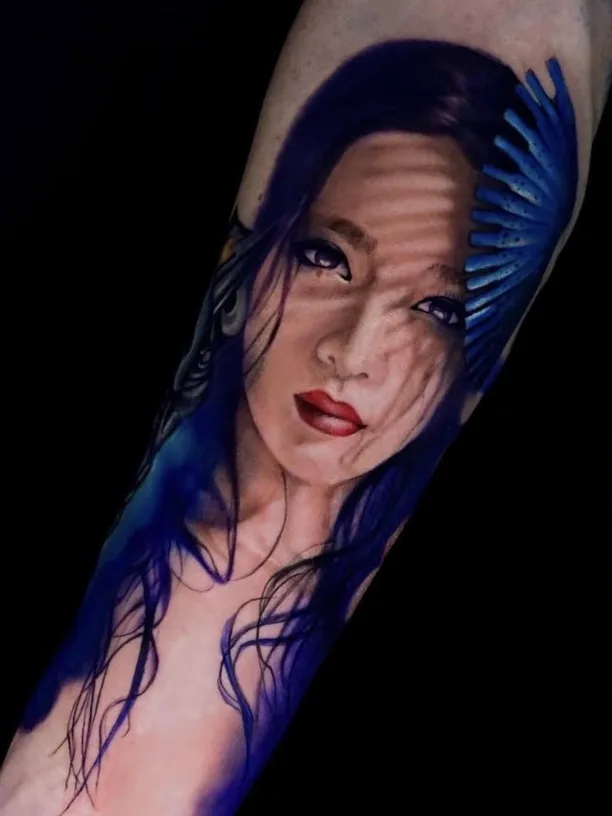
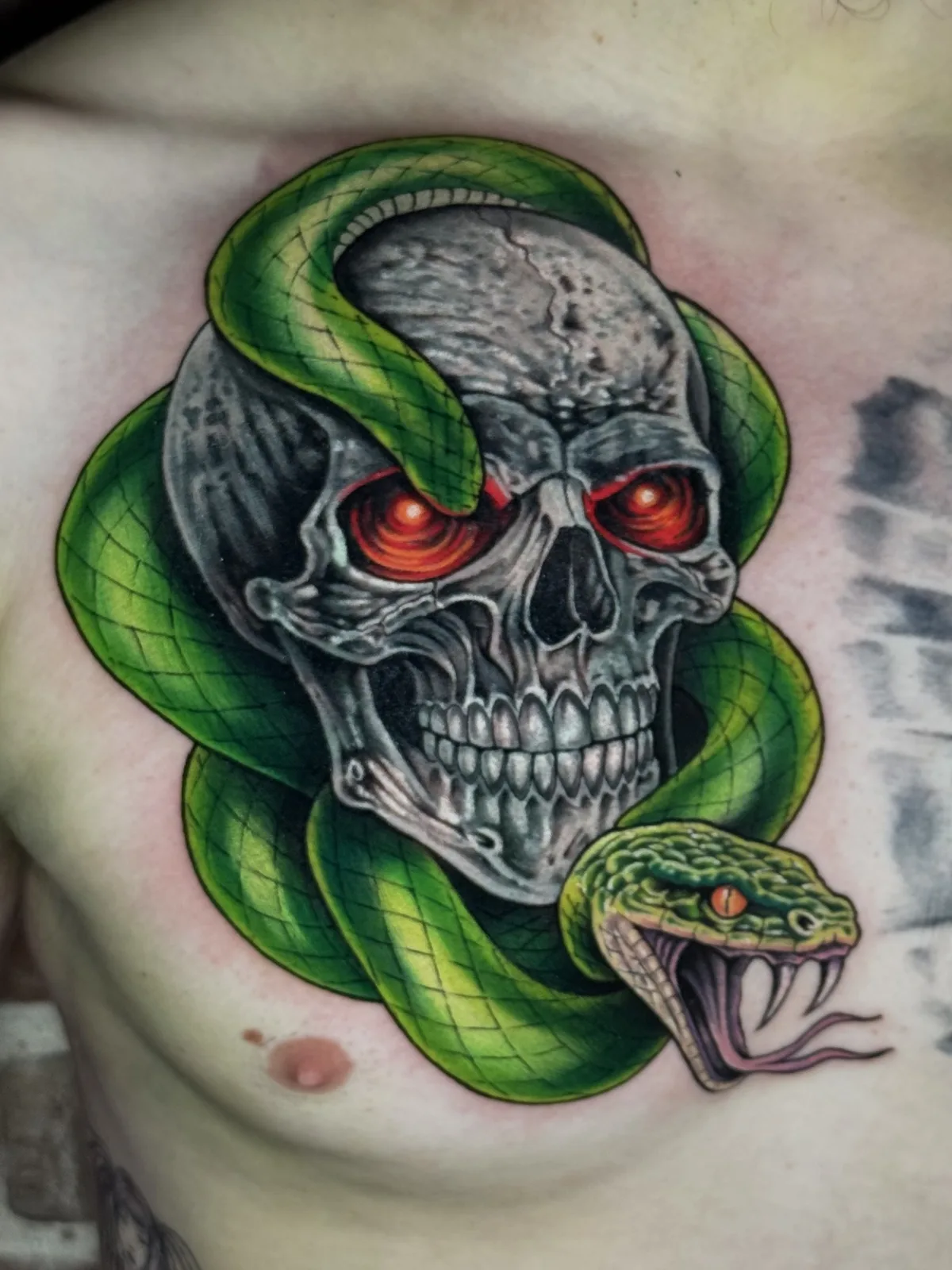
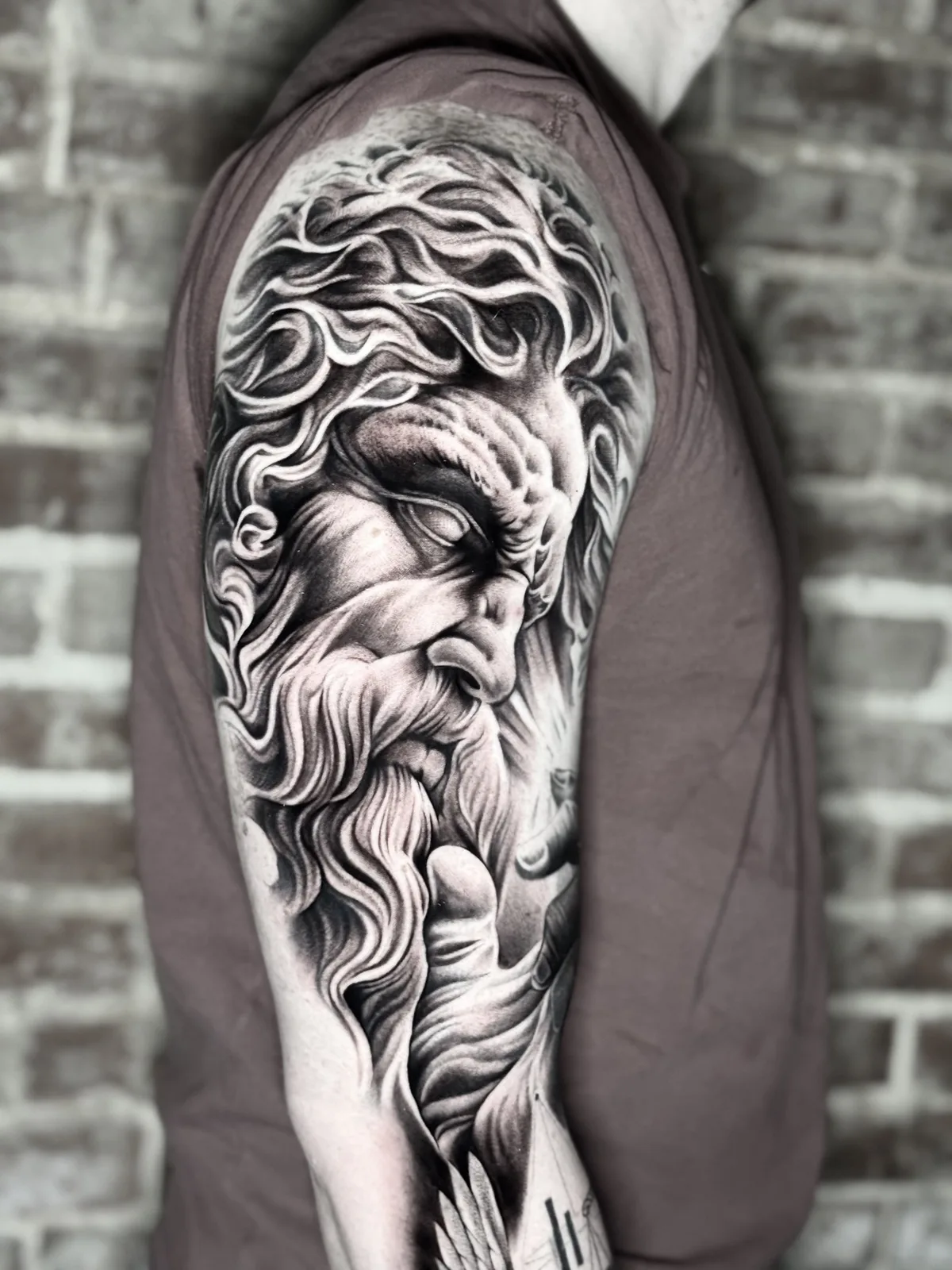
Eike Schumacher co-owns Carolina Icon Ink in Mt. Holly, North Carolina, where his work in Black & Grey and Color Realism draws clients looking for large-scale pieces built around composition, contrast and long-term readability. Sleeves, full thigh pieces, detailed portraits – the scale is rarely small.
He cut his teeth running Farbfabrik in Germany for close to a decade: a fully booked calendar, a steady returning clientele, a business that worked. In 2024 he moved to North Carolina with his family and started over. Relatively quickly, Carolina Icon Ink had placed 2nd in the Best Tattoo Shop category in Charlotte's Best 2025, and Eike had gone from winning competitions at Villain Arts Tattoo Arts Festivals to sitting on the judges' panel.
In this conversation, he talks about what drove the move, how the American market changed his work, what he looks for when evaluating a competition piece, and why – after all of it – he still defines success the same way: becoming better than he was yesterday.
You owned and operated your own tattoo studio in Germany for almost ten years. What stage had you reached as both an artist and a studio owner when you decided to leave an established business behind and move to the United States?
– By the time I decided to leave Germany, I had built a very stable and successful business. I had been running my own studio, Farbfabrik, for almost ten years, had a large and steadily growing base of returning clients, and was usually booked about a year in advance.
Artistically, I was already focused primarily on realism, although at that time I still worked in a wider range of styles. Looking back, I've developed tremendously since then, especially after moving to the United States. I don't think you ever really reach a point as an artist where there is nothing left to improve.
As a business owner, Farbfabrik was successful, but it wasn't necessarily where I ultimately wanted to be. I've always wanted to grow, develop new ideas, and see how far I could take both my art and my business. I felt that kind of growth was possible in Germany, but much more difficult than it is here in the United States.
So I didn't leave Germany because the business wasn't working. It was actually the opposite. I left behind an established studio and a strong client base because I wanted to challenge myself again and build something with even greater possibilities.
In 2024, you moved to North Carolina with your family and essentially started over in a completely new market. What was the most challenging part of that transition, both professionally and personally?
– Honestly, I've never really thought about the move in terms of problems. I tend to think in solutions. When something doesn't work, my first reaction is usually to figure out what needs to happen next rather than spend too much time worrying about it.
The biggest challenge was probably learning how everything works in a completely different country. The bureaucracy, business regulations, financial system and even simple things that you take for granted when you've lived somewhere your whole life suddenly work differently. Without an established financial history in the U.S., for example, even finding a place to live can be more complicated than you expect.
Professionally, of course, I had to build a new client base and reputation from the ground up. But I never really saw that as a problem. I knew what I was capable of, and I was confident that if I consistently delivered good work, the clientele would come. That's essentially what happened. Personally, I never really questioned the decision either. North Carolina felt right very quickly, so for me the transition was less about wondering whether we had made the right decision and more about figuring out how to make everything work.
How different has the American tattoo industry been from Germany in terms of clients, attitudes toward large-scale projects, pricing, and the way tattoo studios operate?
– One of the first things I noticed was how open, welcoming and friendly people are here. That stood out to me immediately, not only in the tattoo industry but in everyday life as well.
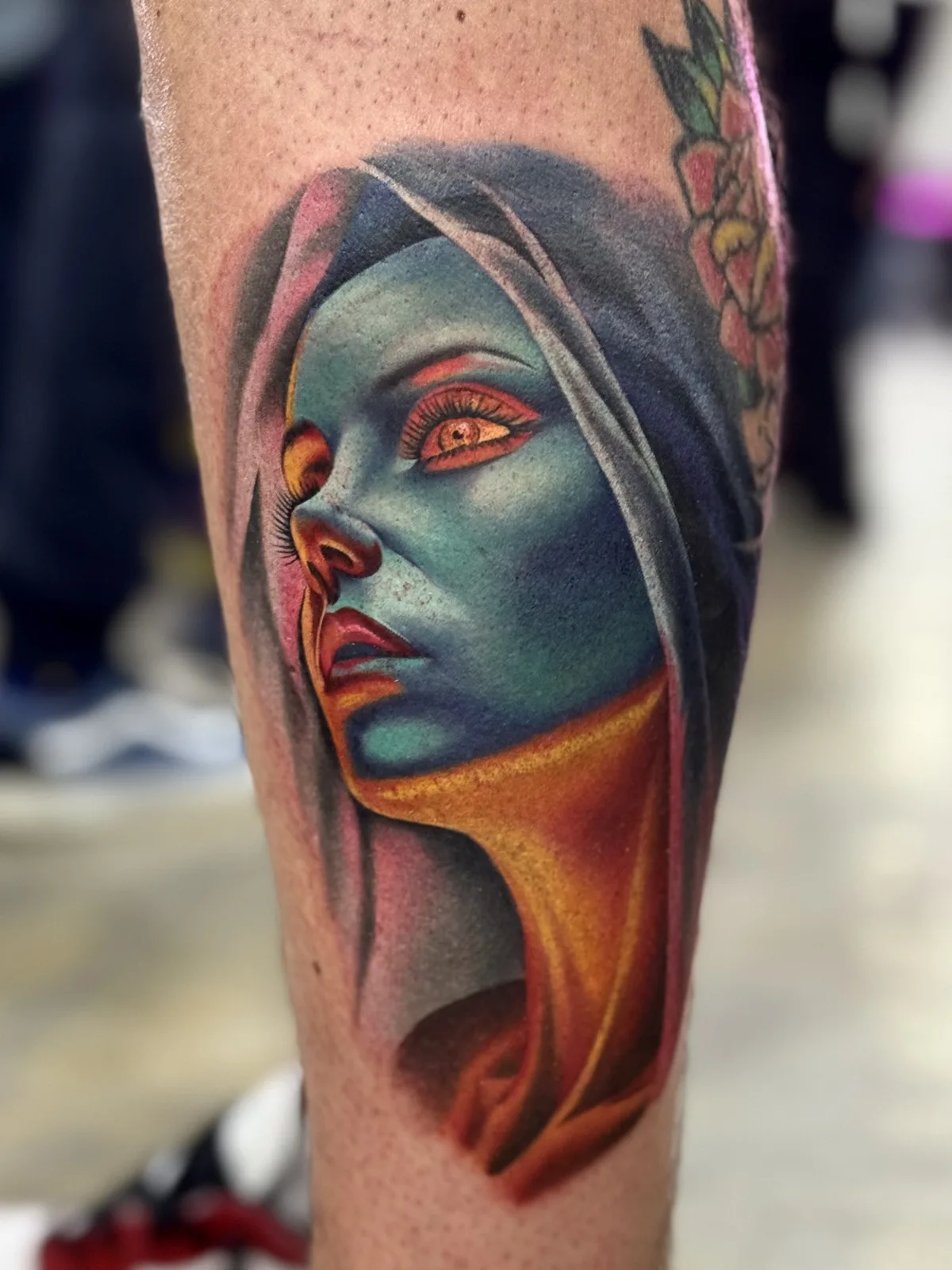
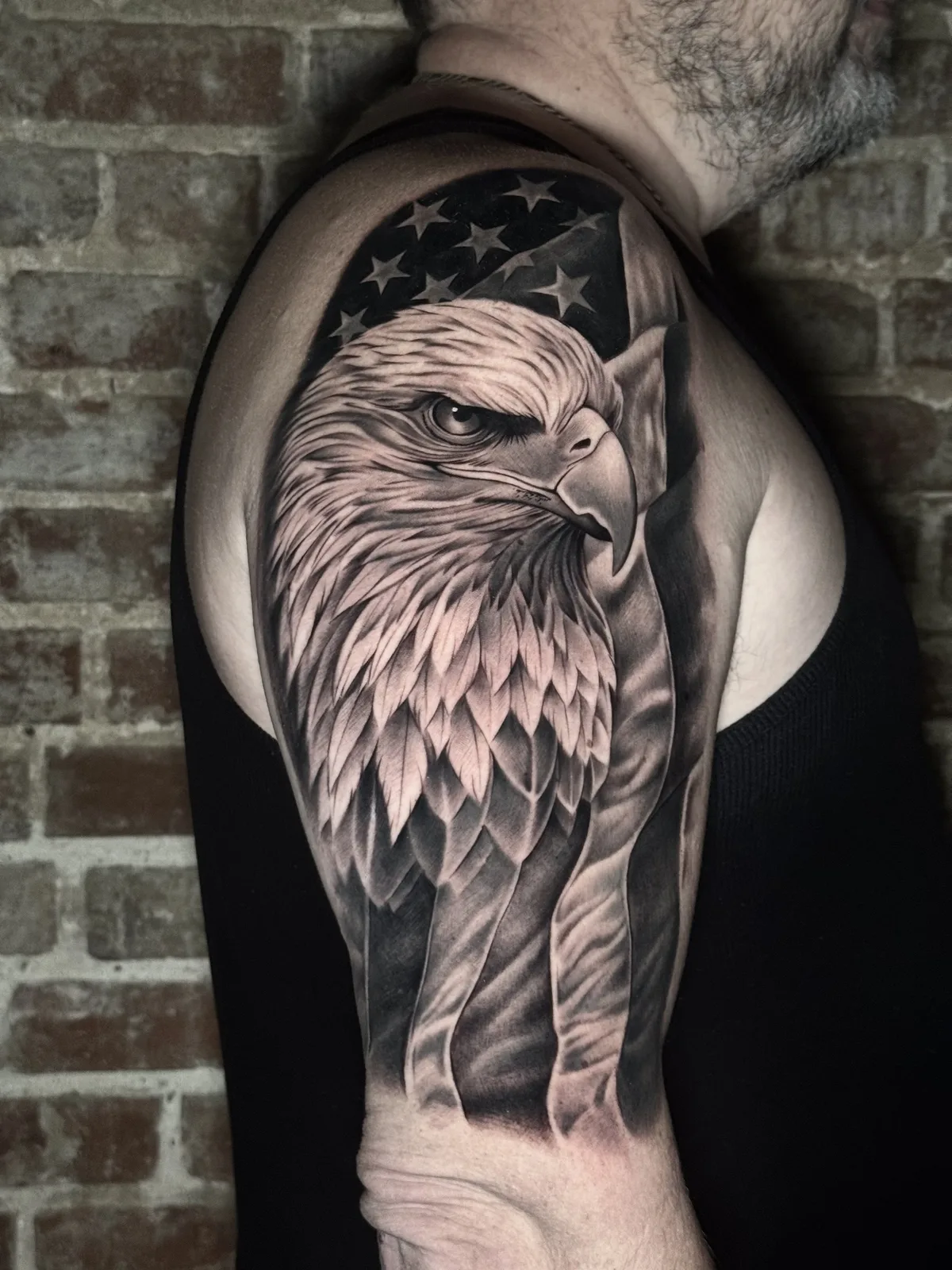
From an artistic perspective, one of the biggest differences has been the opportunities I have here. My clients in the U.S. are very open to unusual concepts, larger projects and designs where I have more creative freedom. That has allowed me to focus much more heavily on realism and especially color realism, and I feel like my work has developed significantly because of it.
I simply didn't have the same opportunities to push that side of my work in Germany. Here, I regularly get clients who come to me with an idea but are willing to trust me with the artistic direction and let me turn it into something unique. For an artist, that kind of trust and openness gives you a lot of room to grow.
There are also smaller cultural differences. Tipping, for example, is much more common in the American tattoo industry than it is in Germany. But overall, the biggest difference for me has been the openness of the clients and the creative possibilities that come with it.
When you started building Carolina Icon Ink, which lessons from nearly ten years of running a studio in Germany did you bring with you, and what did you decide to approach differently this time?
– The biggest difference is probably that I'm much more relaxed today. When you've already spent almost ten years running a studio, you learn which things really matter and which things aren't worth stressing over. I brought a lot of that experience with me when we started Carolina Icon Ink.
What hasn't changed is the standard I expect when it comes to reliability, friendly communication, acceptance and openness. I want people to feel comfortable when they walk into the studio, regardless of who they are or what they want to get tattooed. Clear and honest communication is extremely important to me, both with clients and within the team.
This time around, I think I'm better at letting things develop naturally instead of trying to control every detail. I still have high standards for the work and for how clients are treated, but I've learned that running a good studio doesn't mean making everything complicated. Sometimes keeping things simple, surrounding yourself with the right people and creating an environment where everyone feels comfortable works best.
Carolina Icon Ink gained recognition relatively quickly and placed 2nd in the Best Tattoo Shop category in Charlotte's Best 2025. What do you think helped you build trust and establish a strong reputation in a new community so quickly?
– I think everything played a part. Of course, the quality of the work is important, but I believe building trust goes far beyond the tattoo itself.
We really take the time to sit down with our clients, listen to their ideas and understand what they want before we start designing. Friendliness, acceptance, understanding and being mindful of the person sitting in front of you are extremely important to us. A tattoo can be very personal, and sometimes there is a meaningful story behind it, so I never want a client to feel like they are just the next appointment on the schedule.
I think people notice when you genuinely care about their experience and their ideas. When you combine that with consistently strong work, people come back and recommend you to others. That has helped us build a loyal client base and a strong reputation here much faster than I initially expected.
You work alongside your wife Sophia and the Carolina Icon Ink team. How do you divide responsibilities, and how important has that partnership been in building the studio?
– Sophia is my business partner, but our responsibilities have naturally developed in different directions. I handle most of the day-to-day business operations at Carolina Icon Ink. That includes social media and advertising, client inquiries, scheduling and distributing clients among the artists, bookkeeping, and most of the administrative side, while also tattooing full-time.
Sophia's role is different, but just as important to what we've been able to build. She takes care of so much on the family side and gives me the support and freedom I need to put the amount of time and energy into the business that I do. Whenever I need her at the studio or need help with something, she's there.
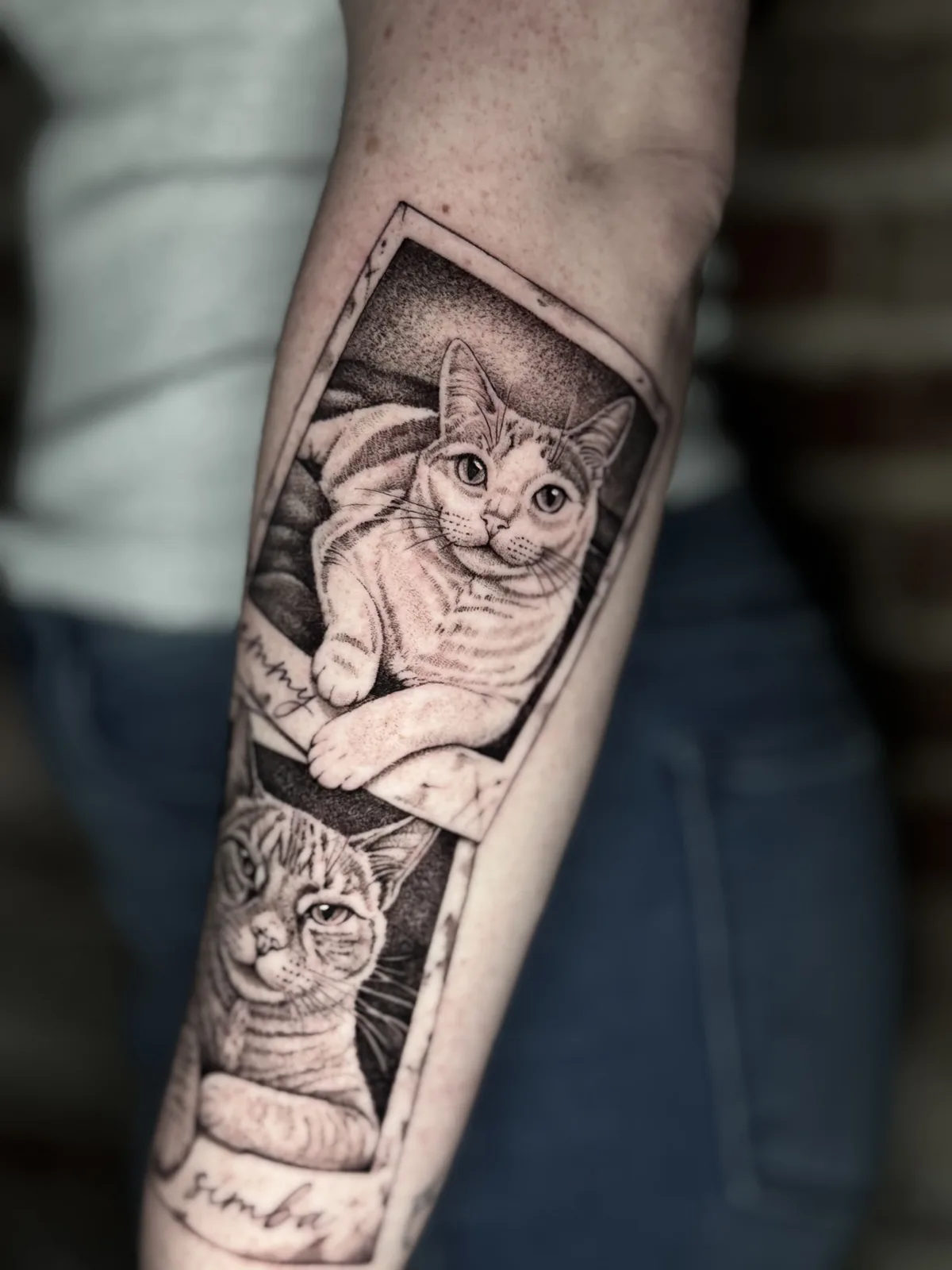
We moved to the United States together with our three daughters and started this new chapter as a family. In a way, we divide responsibilities by playing to what works best for us: I primarily handle the business, she primarily handles the family, and we support each other wherever it's needed. I wouldn't be able to do what I do without knowing that she has my back.
Carolina Icon Ink offers a wide range of tattoo styles, while your own work is primarily associated with realism. How important is it for you that the studio has its own identity rather than simply being a space shared by individual artists?
– Both are very important to me. I want Carolina Icon Ink to have a strong identity of its own, but I never want that identity to limit the artists who work with us. Every artist has different strengths, interests and a different creative voice, and I think they should have the freedom to develop that. At the same time, my long-term vision for Carolina Icon Ink goes beyond being just one tattoo studio. I'm currently working toward developing it into a recognizable brand, including apparel, our own aftercare products and, eventually, additional locations. I want people to recognize the Carolina Icon Ink name and associate it with a certain standard of quality, professionalism and the way we treat our clients.
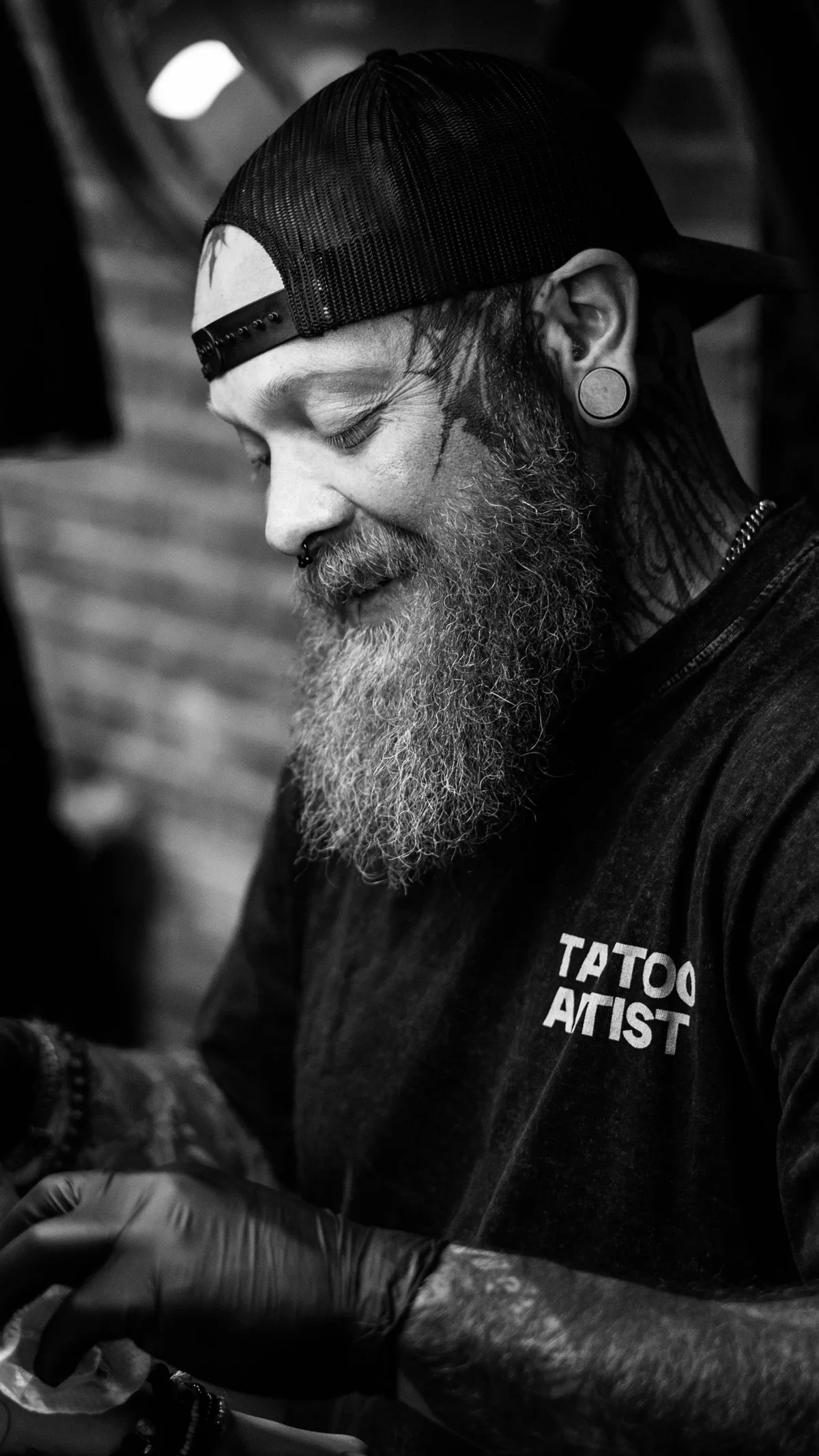
For me, those two ideas don't compete with each other. Carolina Icon Ink can have a strong identity while the individual artists still have their own. Ideally, the brand provides the foundation and the standard, while each artist has the freedom to build their own style and reputation within it.
What defines a truly strong realism tattoo for you today? What separates technically impressive work from a tattoo that also has personality and impact?
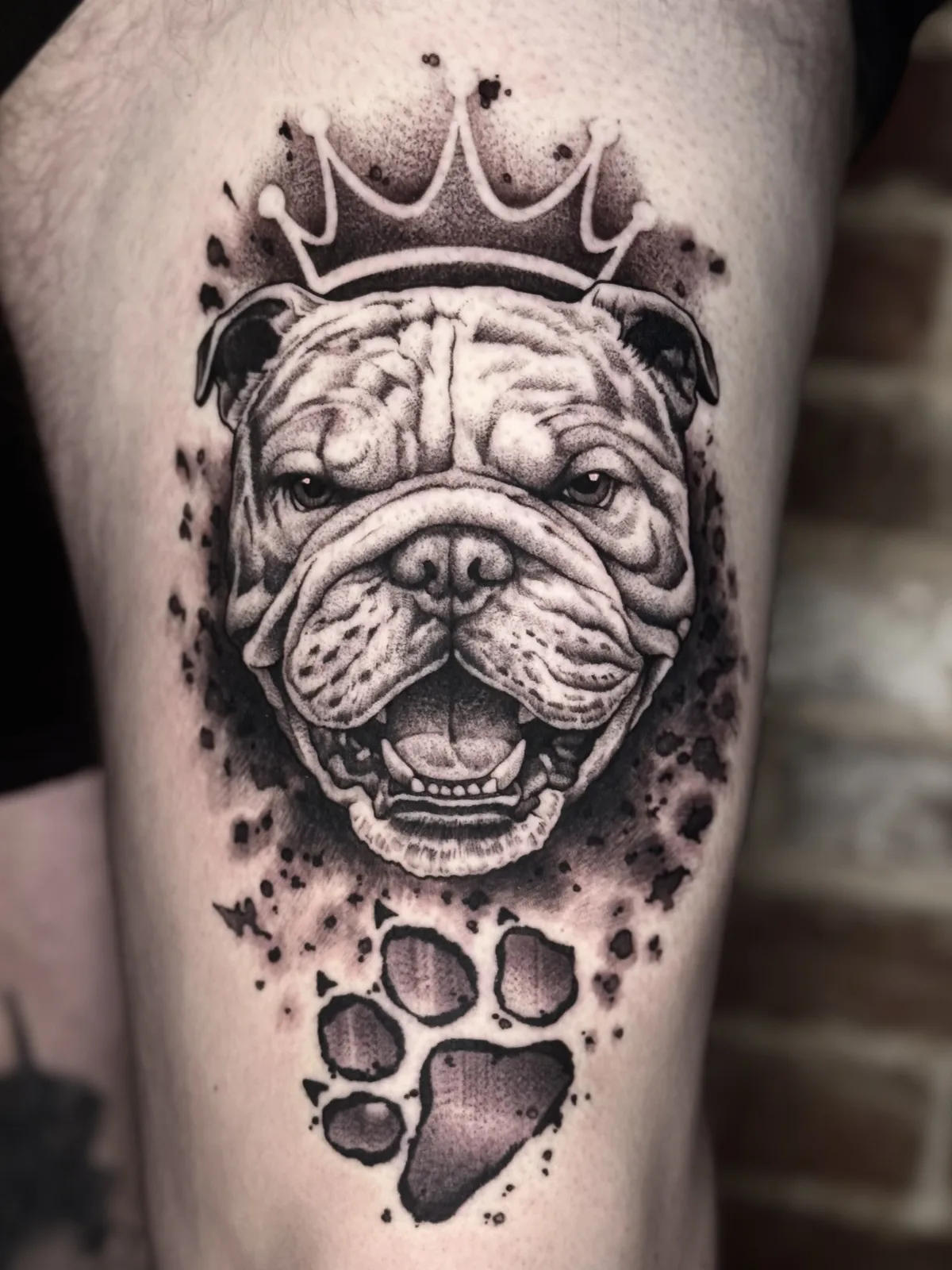
– When I look at a strong realism tattoo, especially a large-scale piece, I actually like to zoom in and look closely at the technical execution. I want to see how clean the details are and whether the artist really paid attention to every part of the tattoo, not just the areas that immediately catch your eye.
“A realism tattoo doesn't become stronger simply because you add more elements and more detail.”
At the same time, the tattoos that really hold my attention are usually the ones that don't overwhelm me. A realism tattoo doesn't become stronger simply because you add more elements and more detail. If everything is competing for attention, the overall design can quickly become overloaded. I think a strong piece needs a clear focus, good composition and enough room for the important elements to have an impact.
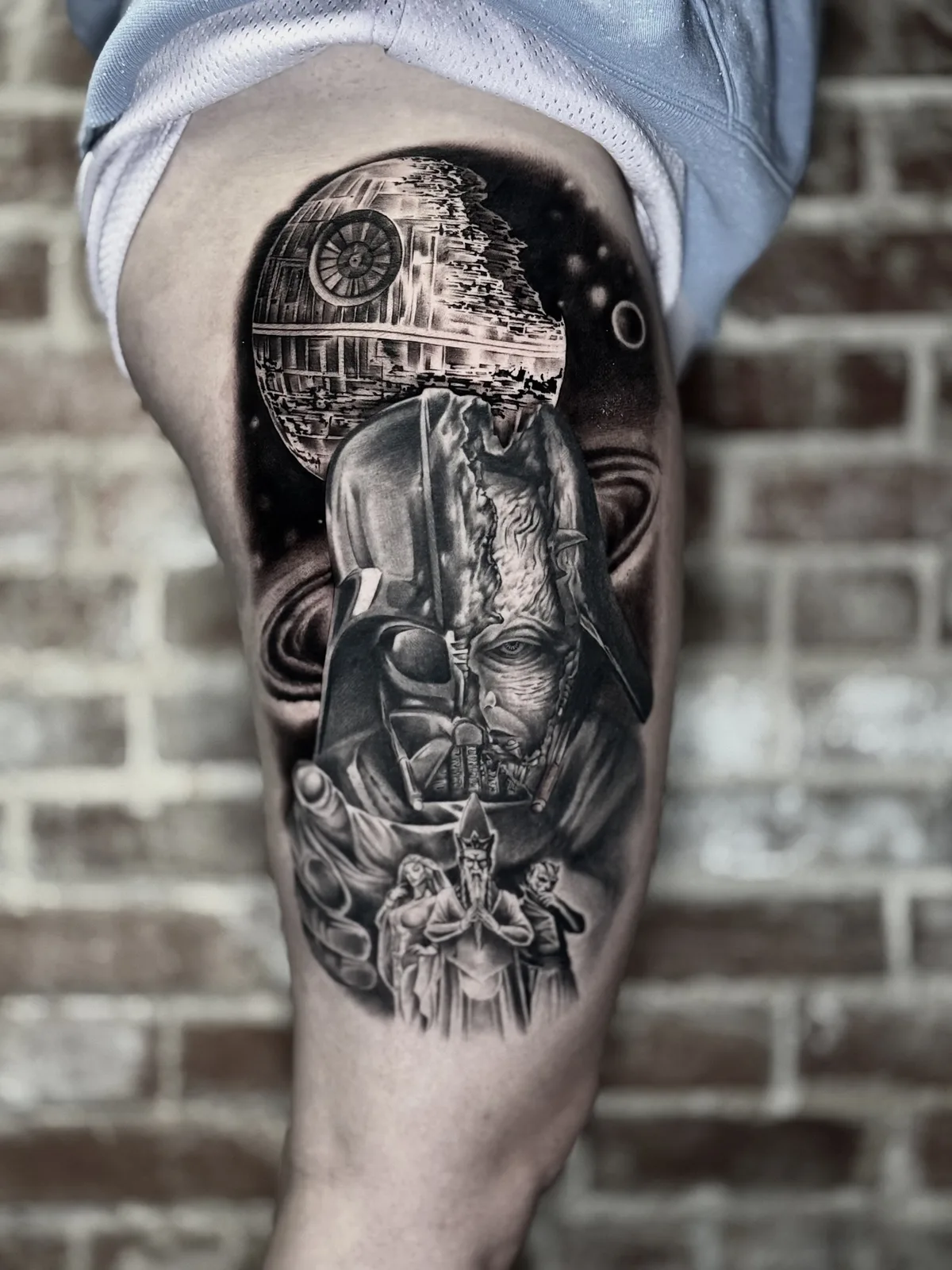
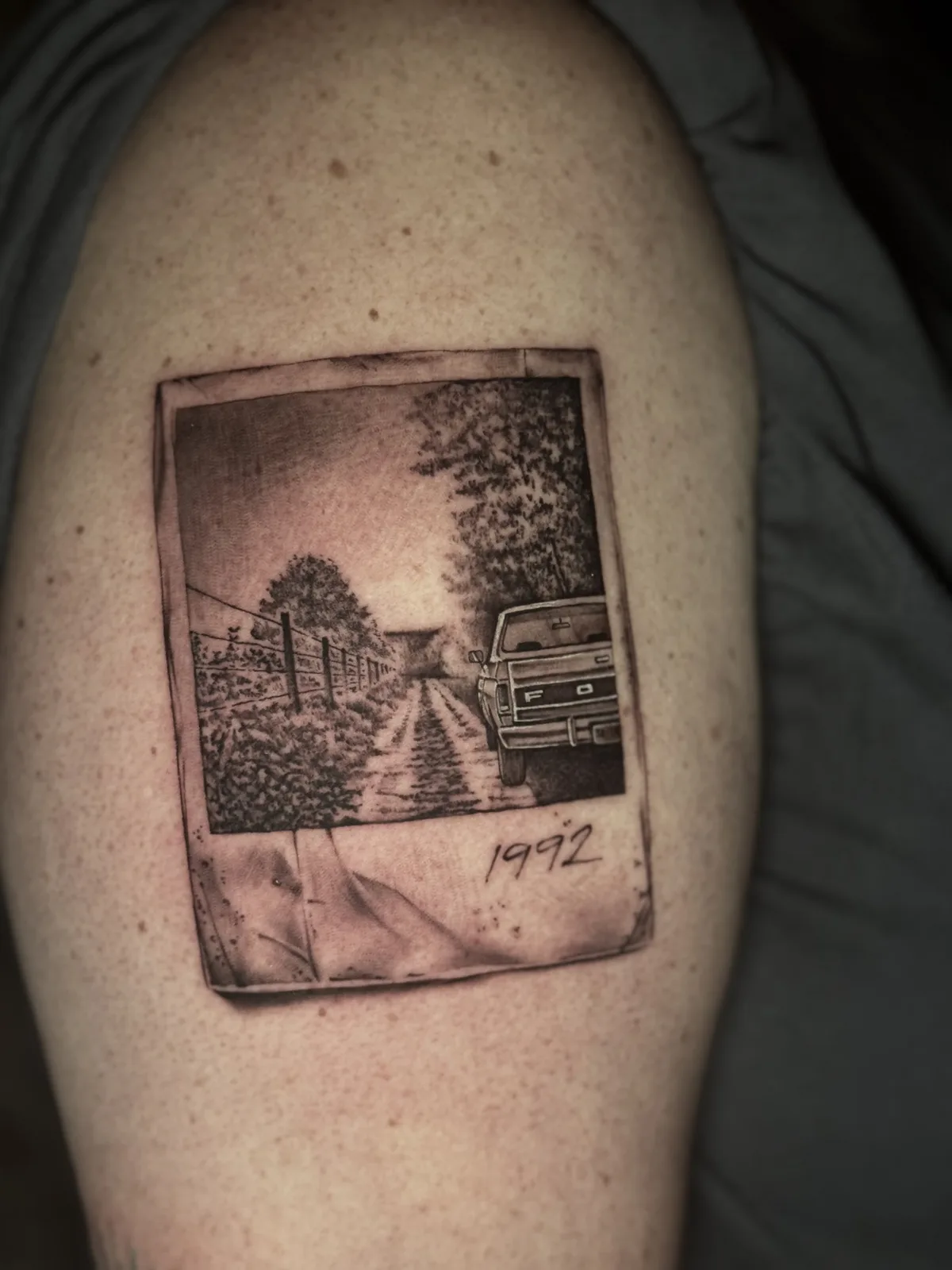
What interests me even more is seeing the tattoo healed. Does it still have strong contrast? Did it maintain its character after healing? Are the details still clean and readable, or have certain areas started to blend into each other? Those things tell me much more about the quality of the work than a perfect photo taken immediately after the tattoo was finished.
For me, a great realism tattoo should have that wow effect both fresh and healed. It should be visually impressive, but it should also represent strong craftsmanship underneath everything you see on the surface.
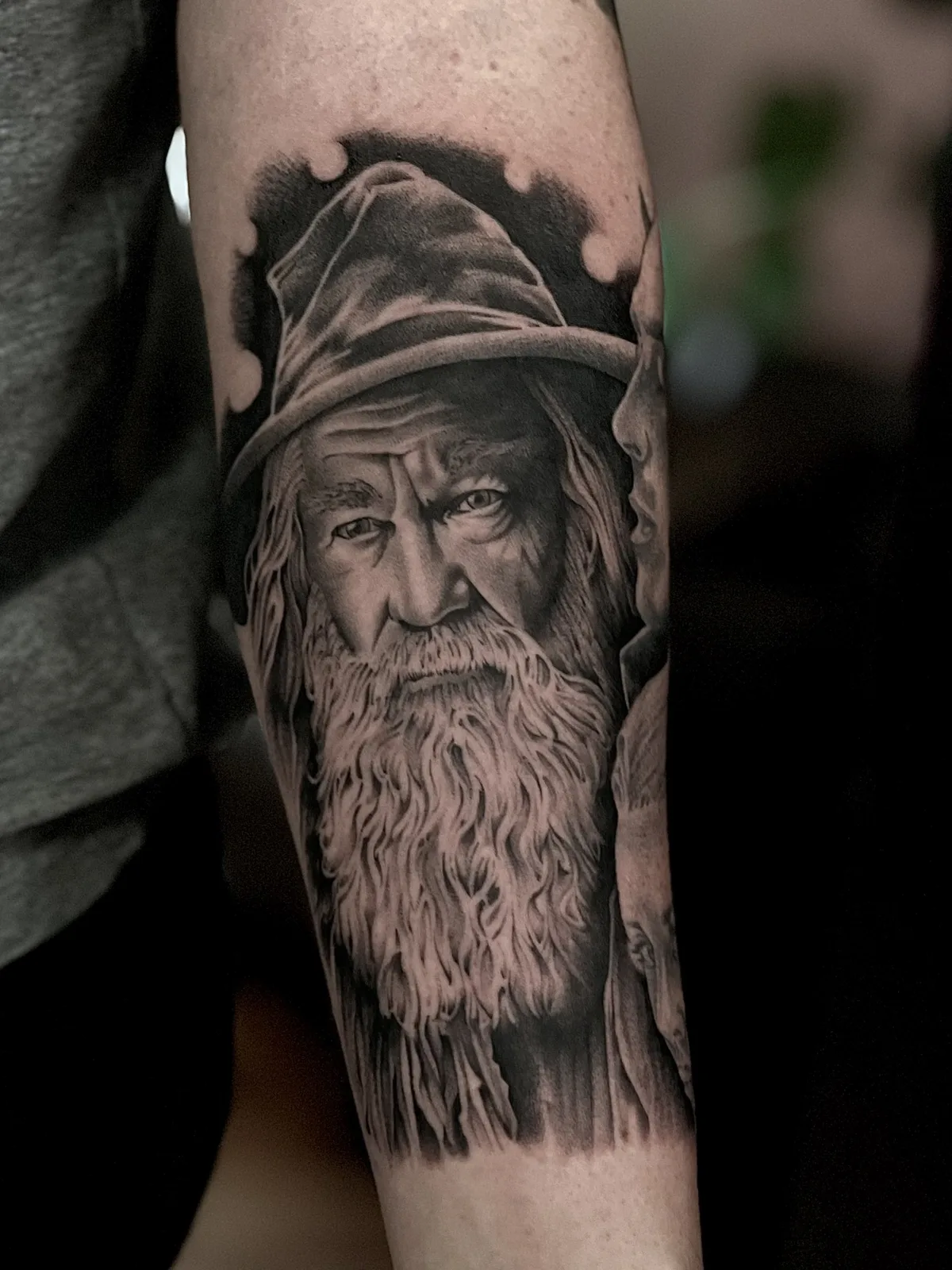
You work in both Black & Grey and Color Realism. How does your approach change between the two, particularly when it comes to composition, contrast and overall visual impact?
– I approach Black & Grey and Color Realism differently, although the exact technique always depends on the design, placement and the client's skin.
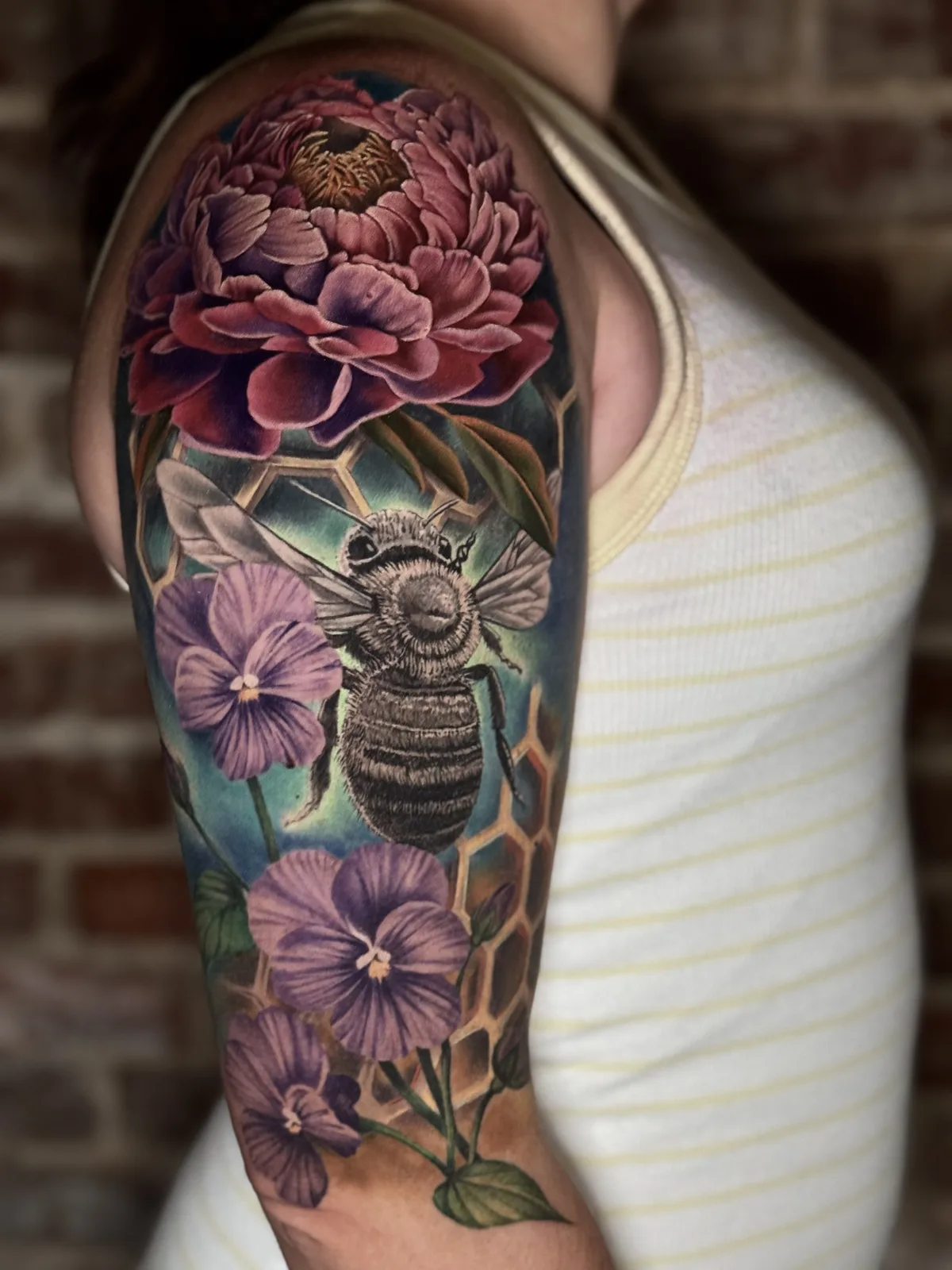
For Black & Grey, I mix my greywash tones with a small amount of opaque grey tattoo ink. I've found that this gives me better saturation while still allowing me to create very smooth transitions and soft fades. I work predominantly with larger magnum shaders because they allow me to build those gradients evenly and keep the overall piece consistent. With Color Realism, I still use magnums extensively, but I also like working with round shaders, especially when I want more control over smaller details, highlights and areas where precision becomes more important. I also mix many of my colors myself rather than relying only on colors straight from the bottle. That allows me to create the exact transitions I want between colors and gives me more control over the balance and visual impact of the piece.
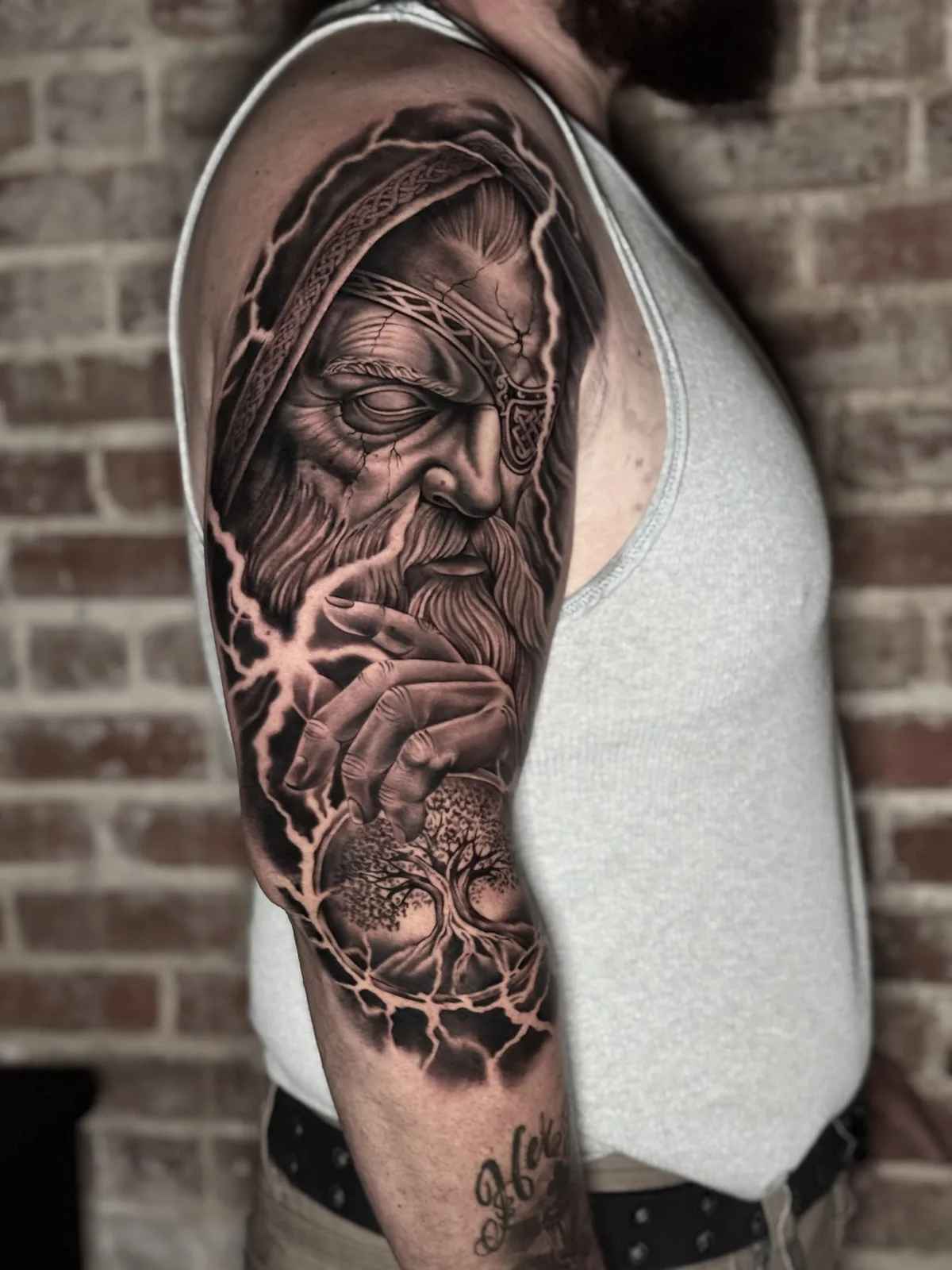
In both styles, contrast and long-term readability are part of the composition from the beginning. Realism can tempt you to put as much detail as possible into a tattoo, but more detail doesn't automatically make a better tattoo. You need enough contrast, enough open space between important elements, and an understanding of which details contribute to the image and which may eventually work against it as the tattoo ages. Sometimes leaving something out is just as important as putting something in.
Ultimately, I don't believe in using one fixed formula for every tattoo. The design, placement and skin type all influence which needle configuration, color combination and technique I choose. The goal is always to use whatever combination creates the strongest result for that particular tattoo and that particular skin.
Looking back over your career, which tattoos or projects have been the most meaningful or valuable to you personally, and why do those particular works stand out?
– There are two projects that immediately come to mind, and they represent very different stages of my career.
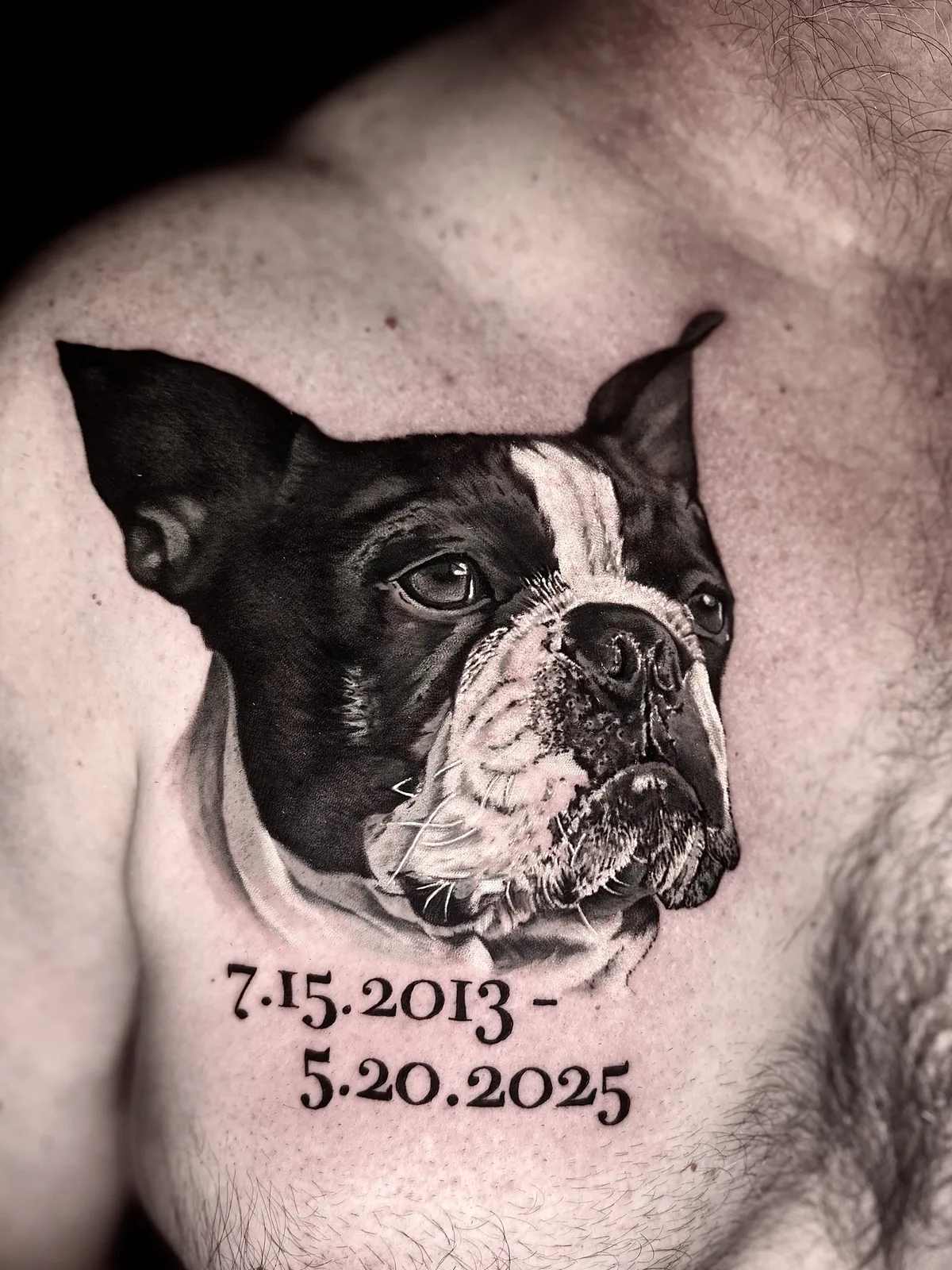
The first was the first portrait I ever tattooed, more than eight years ago. My client wanted a portrait of his granddaughter on his forearm. At that point, I was still proving myself as a realism artist, and I remember being incredibly grateful that someone trusted me enough to give me the opportunity to show that I could translate a human face onto skin. Looking at it today, of course my work has developed tremendously since then, but that tattoo will always be important to me because someone gave me that trust before I had years of portraits behind me.
A much more recent project was a large full-color realism dragon that I completed from my client's shoulder to her elbow. From the beginning, I explained that the idea would require a large composition and multiple sessions to really do it justice. She completely trusted my experience and gave me full creative freedom. We worked on it over several months until the entire piece was finished.
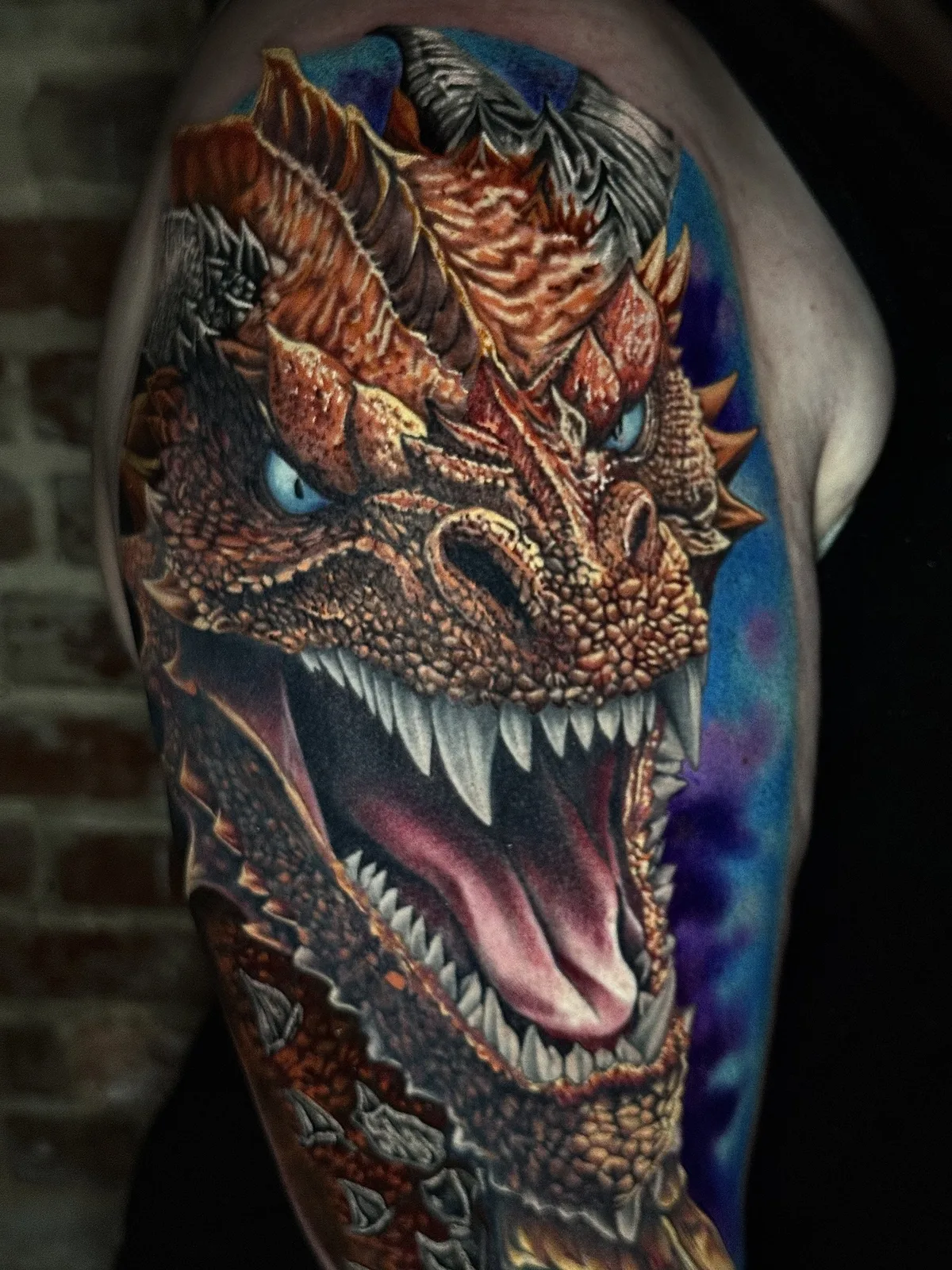
What makes that project especially rewarding is seeing how people react to it now. She has told me that people stop her to look at the tattoo, ask to take pictures of it, ask who created it, and constantly compliment her on it. As an artist, that makes me happy because it means the tattoo has an impact beyond the technical side of the work.
In a way, those two tattoos represent the journey for me. One came from someone giving me the chance to prove what I could do, and the other came from someone trusting what I had already proven enough to give me complete creative freedom.
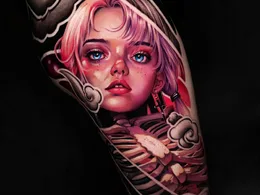
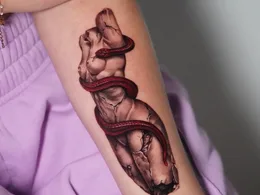
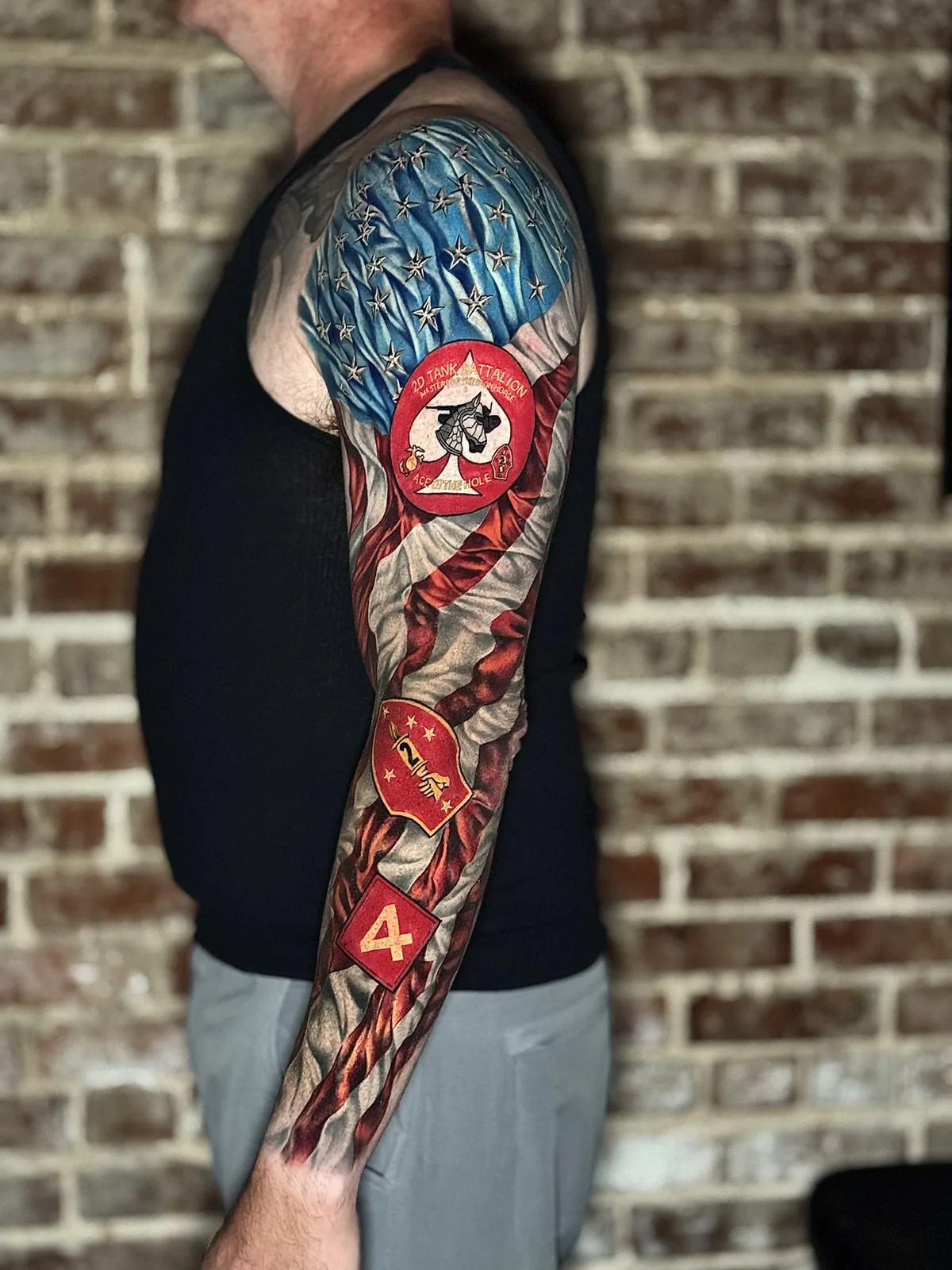
Many of your projects are large-scale pieces and full sleeves. When planning this kind of work, do you develop each individual element first, or do you think about the entire composition and how it interacts with the body from the beginning?
– I always plan the entire project from the beginning, even if we're going to complete it piece by piece over multiple sessions. I want to know where the project is going before I start the first part.
For me, especially with sleeves and other large-scale work, the tattoo has to be designed for the body rather than simply placed on it. I pay a lot of attention to the shape of the area, the placement and size of the individual elements, and how everything flows together.
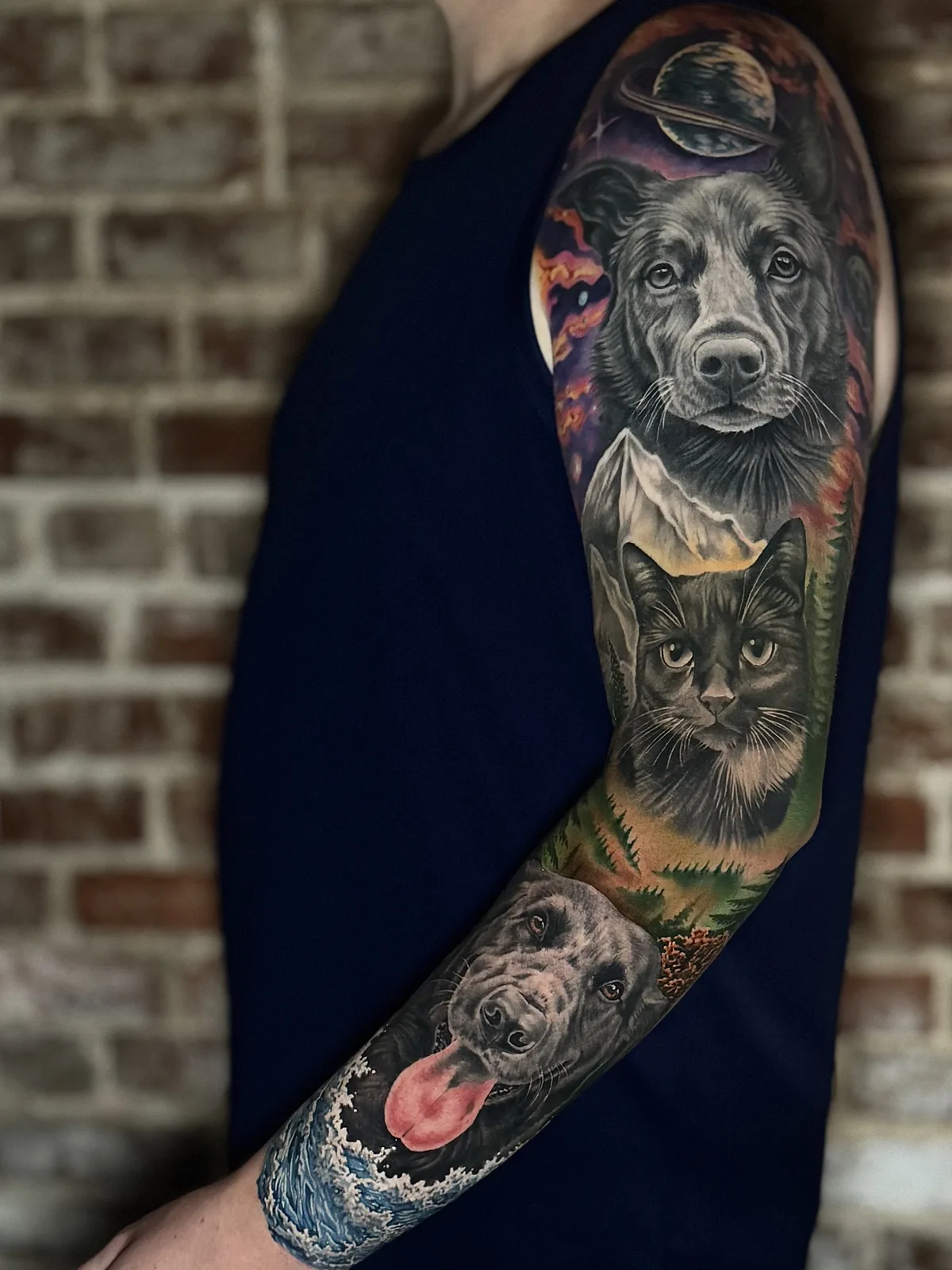
Once the overall composition is established, I can work through it piece by piece until the project is complete. Even if individual sections are tattooed months apart, they were planned as parts of the same design from the beginning.
The goal is that when everything is finished, you don't look at it as a collection of separate tattoos. It should feel like one complete piece that was made specifically for that part of the body.
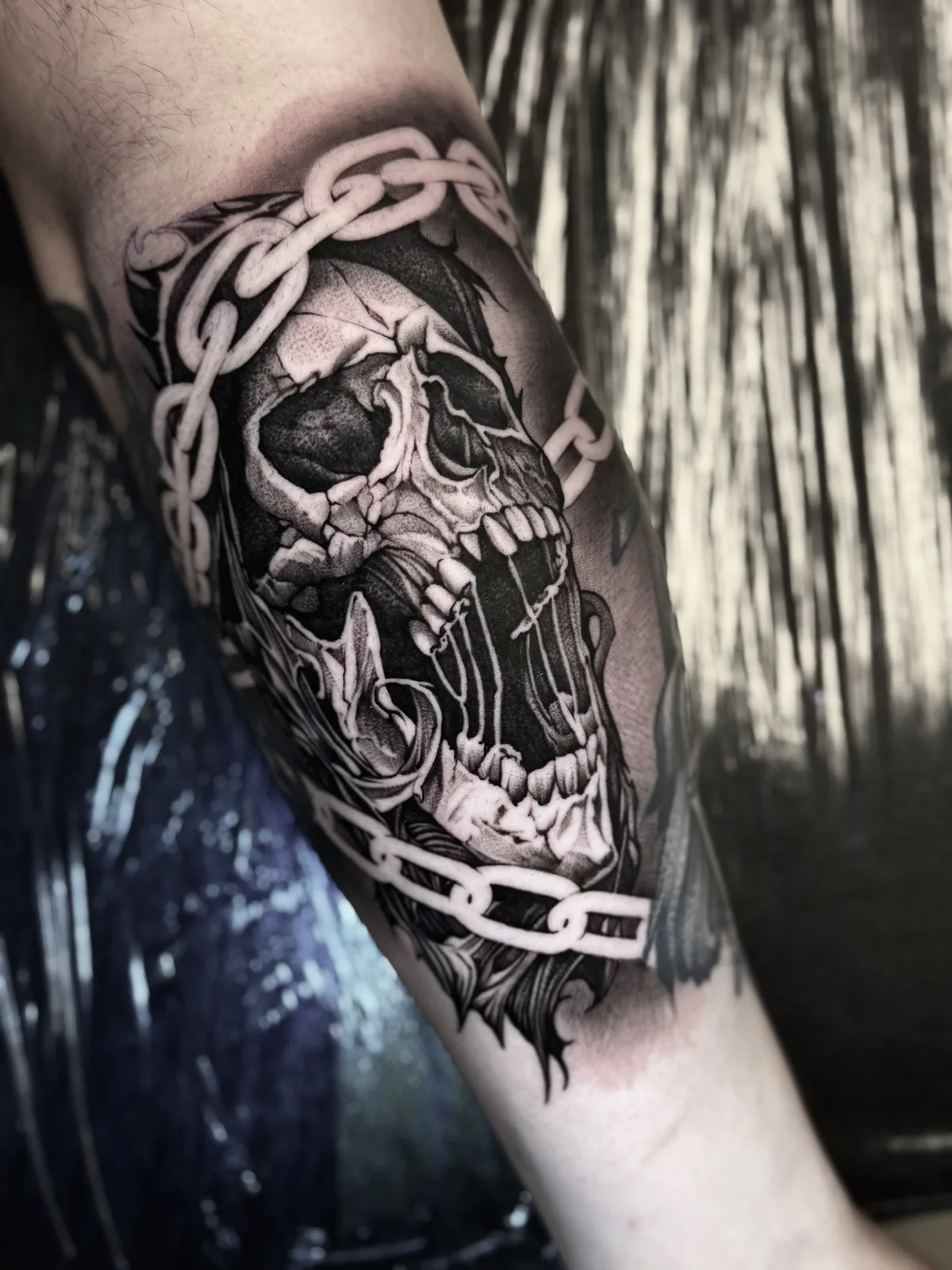
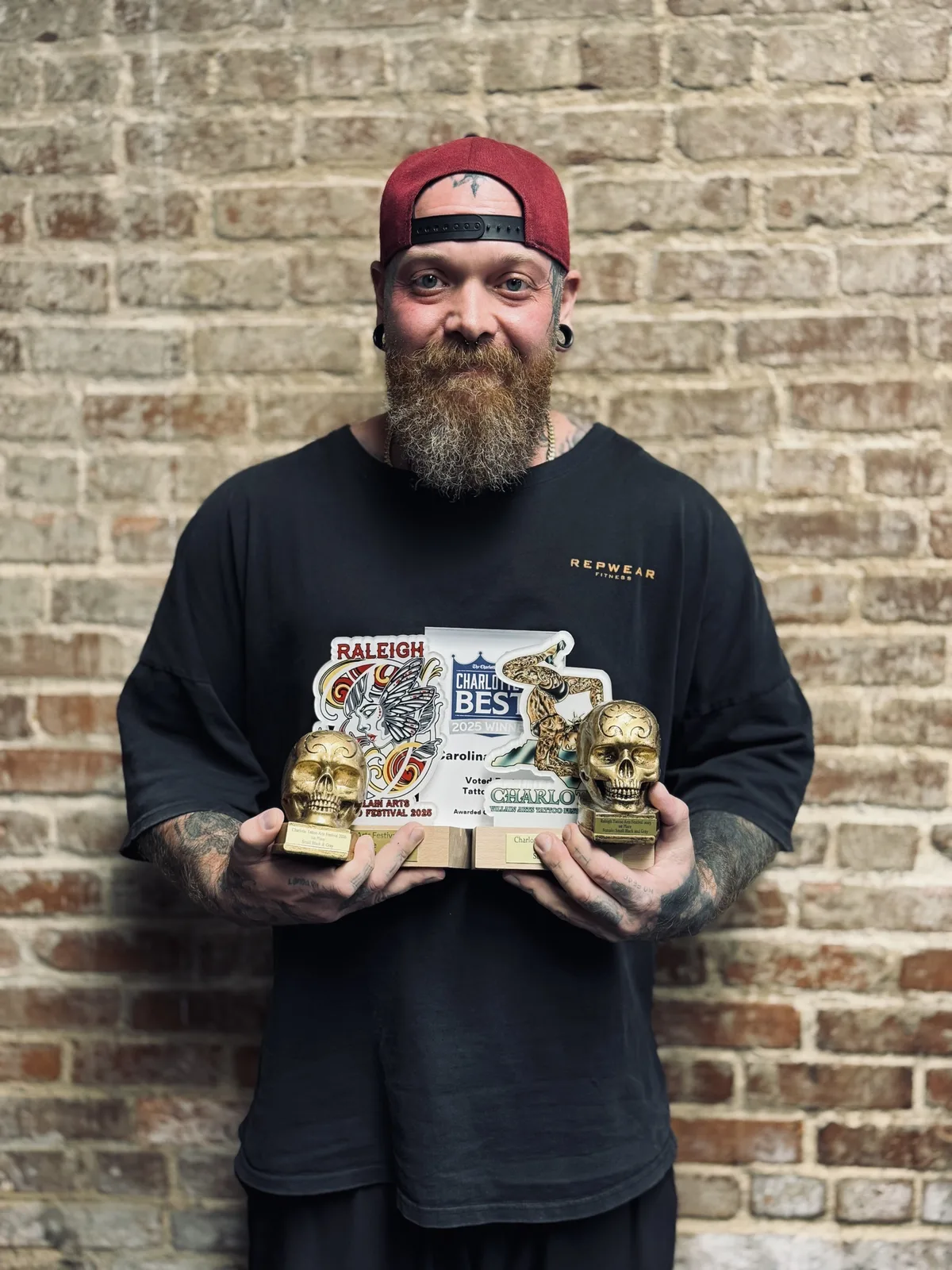
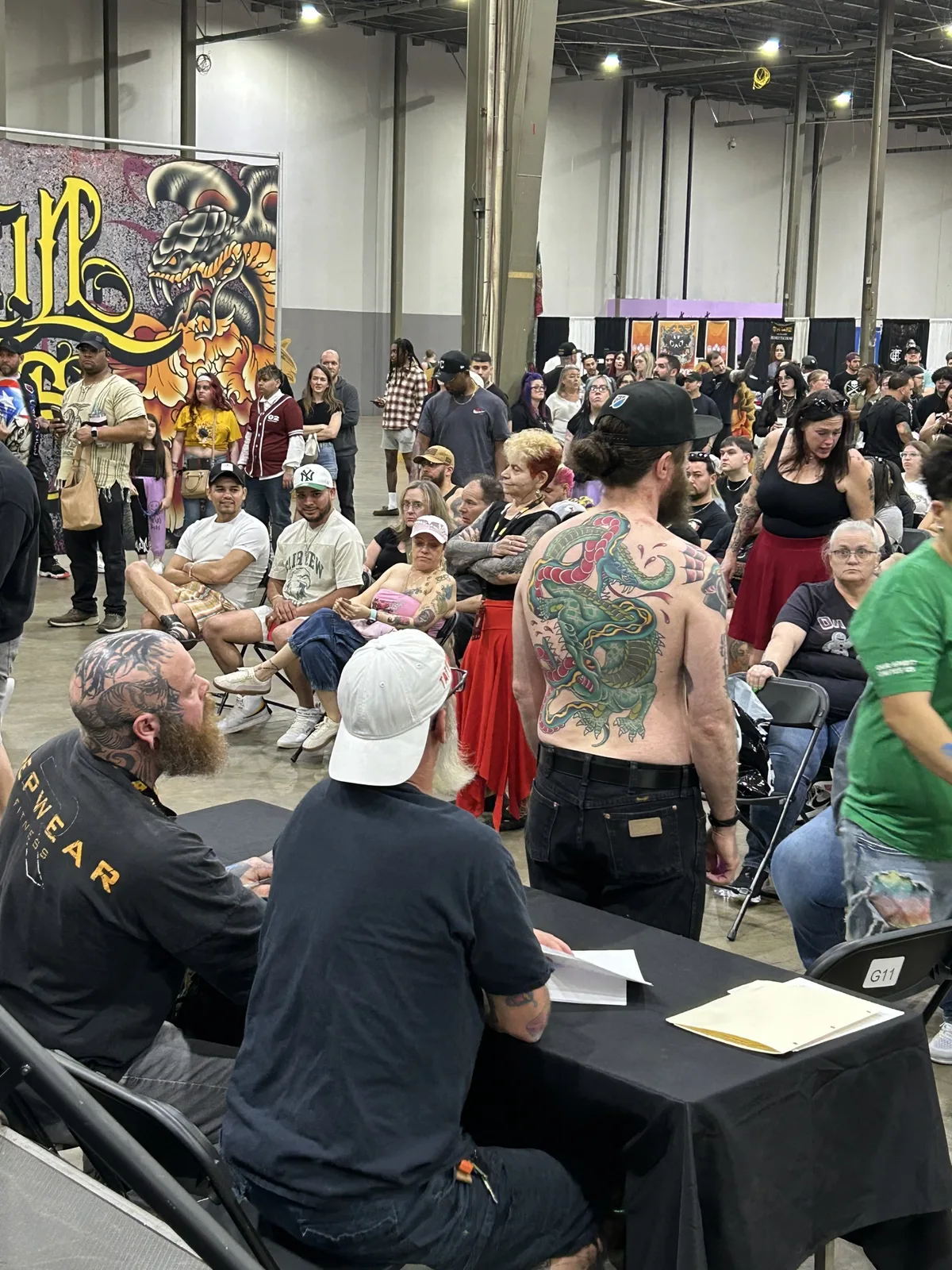
After moving to the U.S., you received 1st Place awards at Villain Arts Tattoo Arts Festivals and were later invited to serve as a competition judge. What did it mean to you to move from competing to being trusted to evaluate the work of other artists?
– I was definitely proud and grateful. Villain Arts is a major organization in the tattoo industry, so being trusted to evaluate the work of other professional artists was a real honor for me.
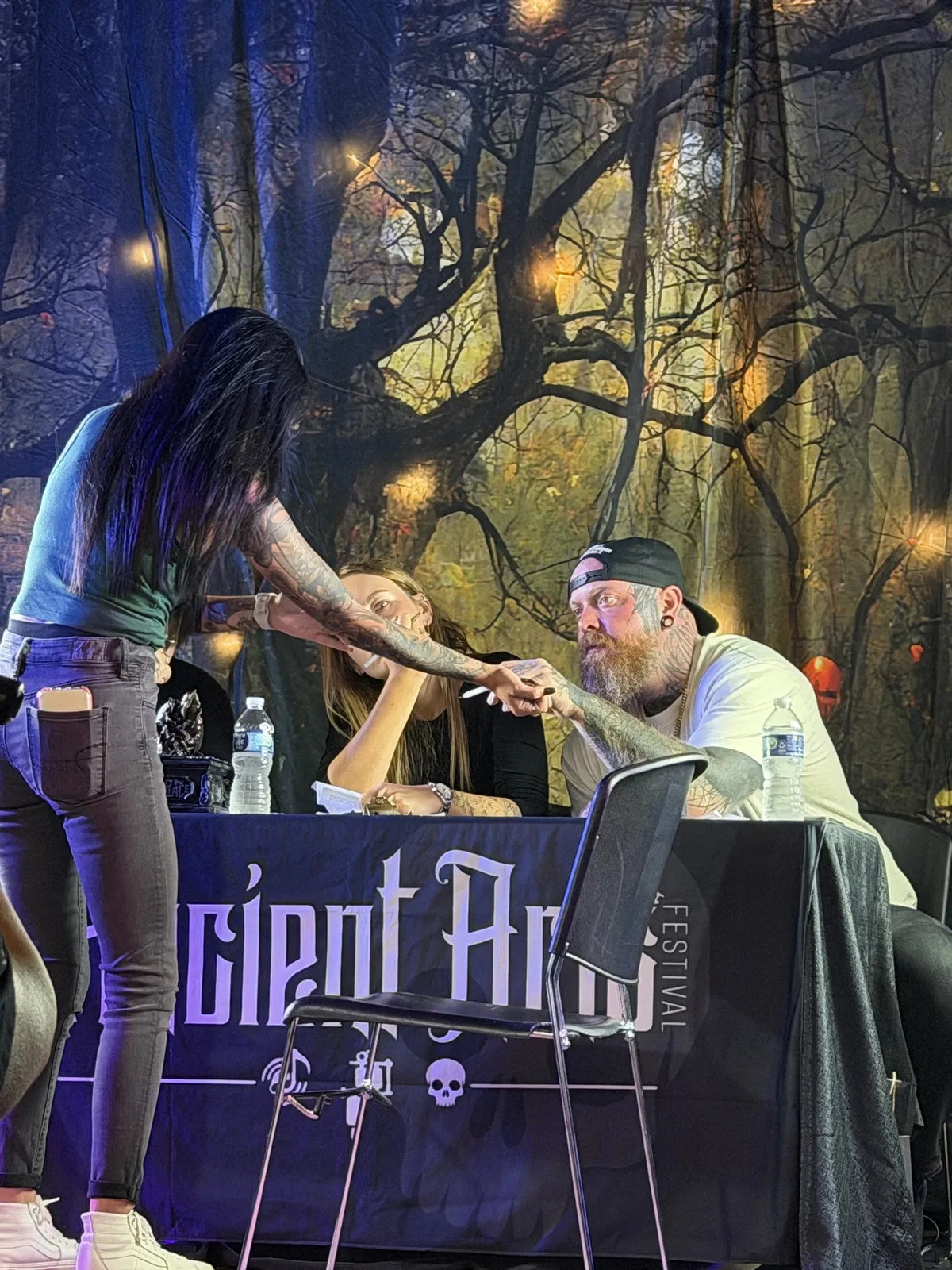
I believe in my abilities and I know what I'm capable of as an artist, but having other respected people in the industry recognize that is still something very different. Being asked to judge felt like an acknowledgment of the years of work, learning and constant improvement that went into getting to this point.
It was also especially meaningful because it happened relatively soon after moving to the United States. We essentially started over here, and in a fairly short amount of time I went from building a new client base to winning competitions and then being invited to sit on the other side and judge them.
That experience reinforced something I really appreciate about building my career here: I feel that hard work and dedication create opportunities. What we've been able to build and achieve in such a short period of time is something I personally never experienced to the same degree before moving to the United States.
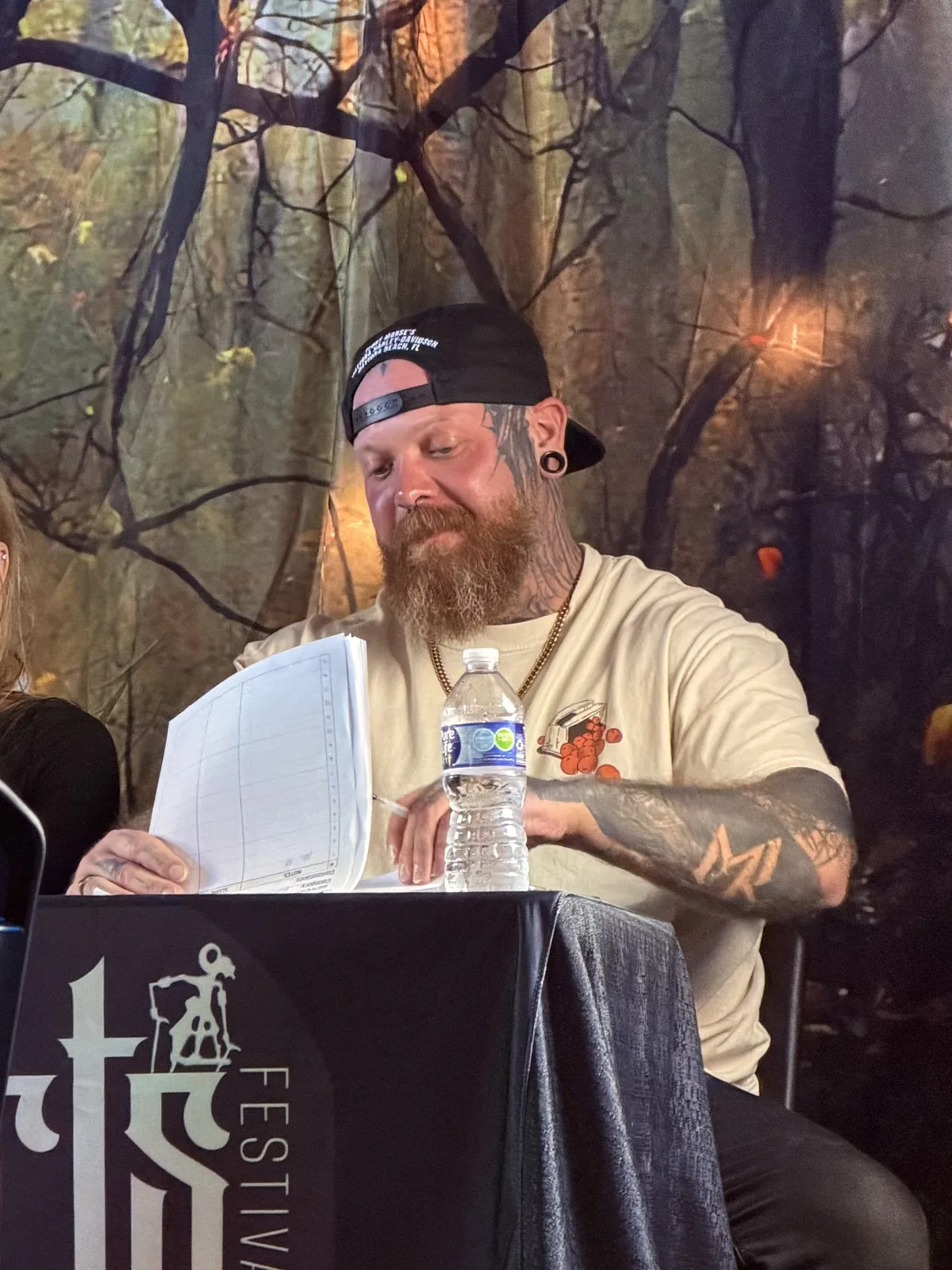
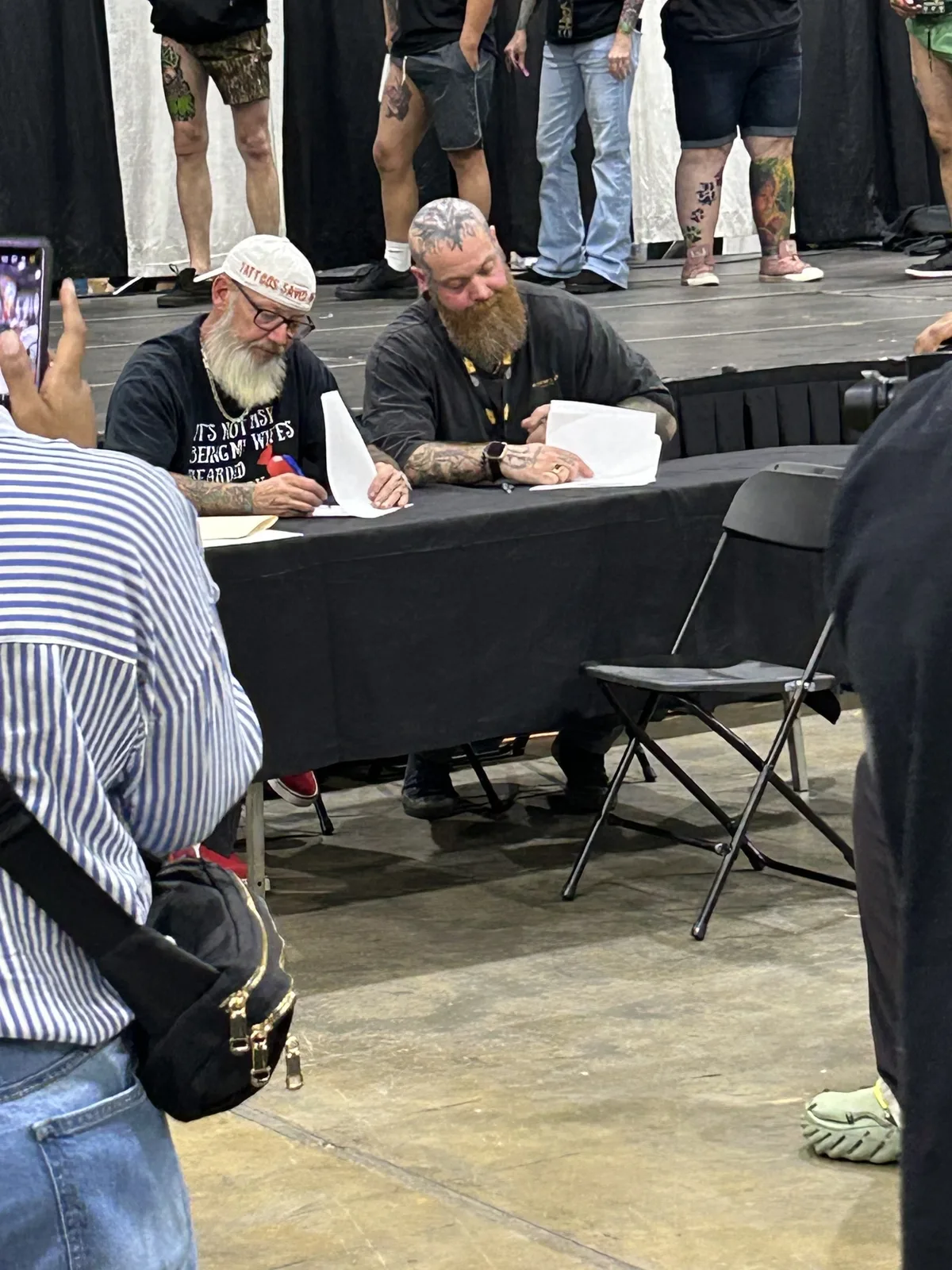
When you judge a competition piece, what are the first things you look for? What qualities immediately distinguish exceptional tattoo work from the rest?
– It always depends on the category I'm judging. A small Black & Grey tattoo has to be evaluated differently from a large Color piece, and something traditional, neo-traditional or fine line requires you to pay attention to different technical aspects than realism.
“The story wasn't why it deserved first place. The tattoo itself earned that.”
With styles that rely heavily on linework, I look closely at the consistency of the lines. Are they clean and intentional, or are they shaky or unintentionally interrupted? With Color, I pay attention to saturation and transitions between colors, and whether areas are filled consistently. You can often see when a tattoo has been rushed because certain areas simply don't have the same level of attention as others.
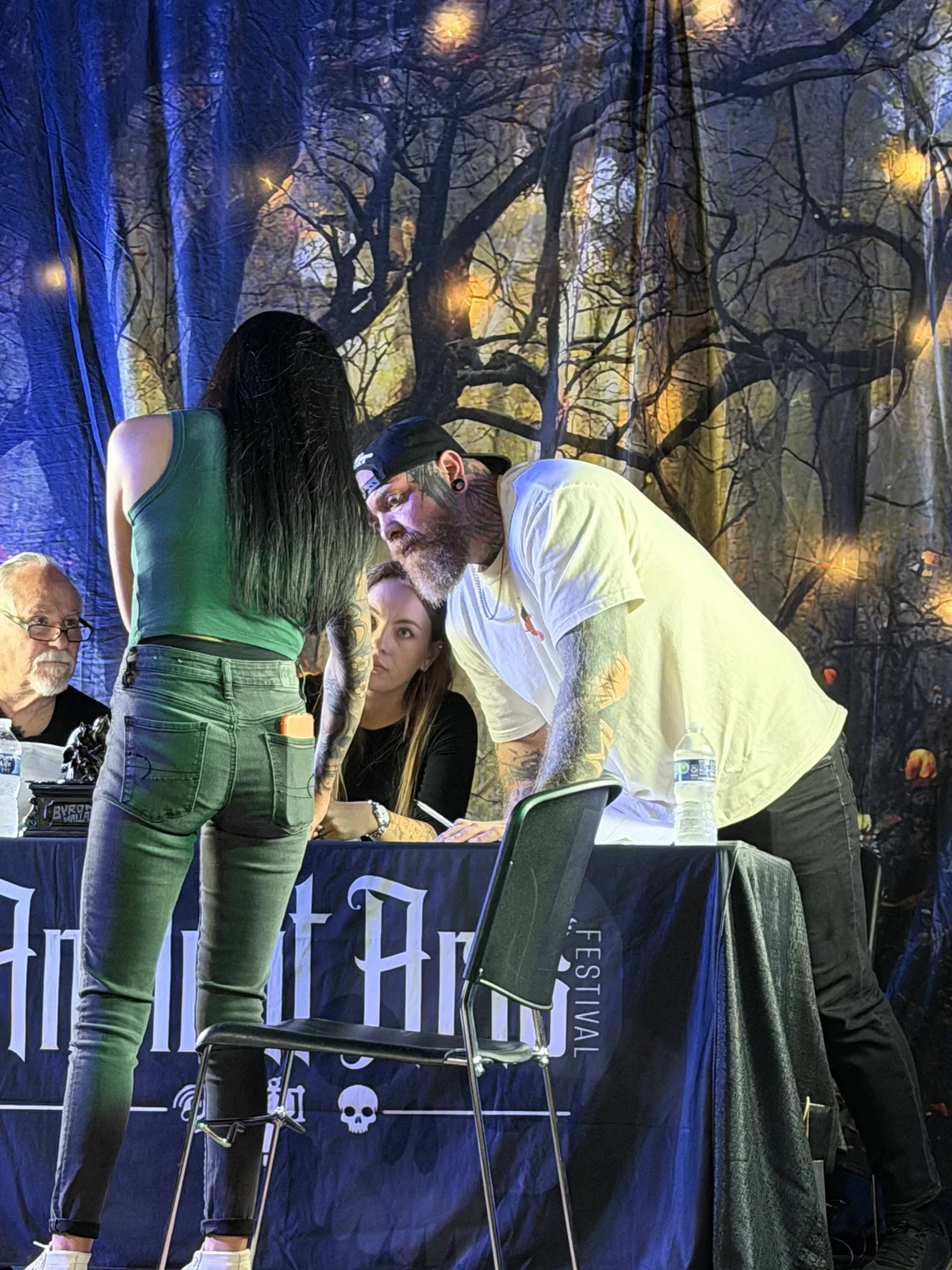
Whether the tattoo is fresh or healed also makes a big difference. In fact, one of my favorite examples from judging was a small-scale realism tattoo that I awarded first place even though it was already more than five years old. It was a portrait of two boys positioned just above the bend of the arm. Despite its age and the difficult placement, the details were still clearly readable, the contrast was there, and the shading remained smooth without areas blending together or breaking apart. You could immediately tell that the artist knew exactly what he was doing.
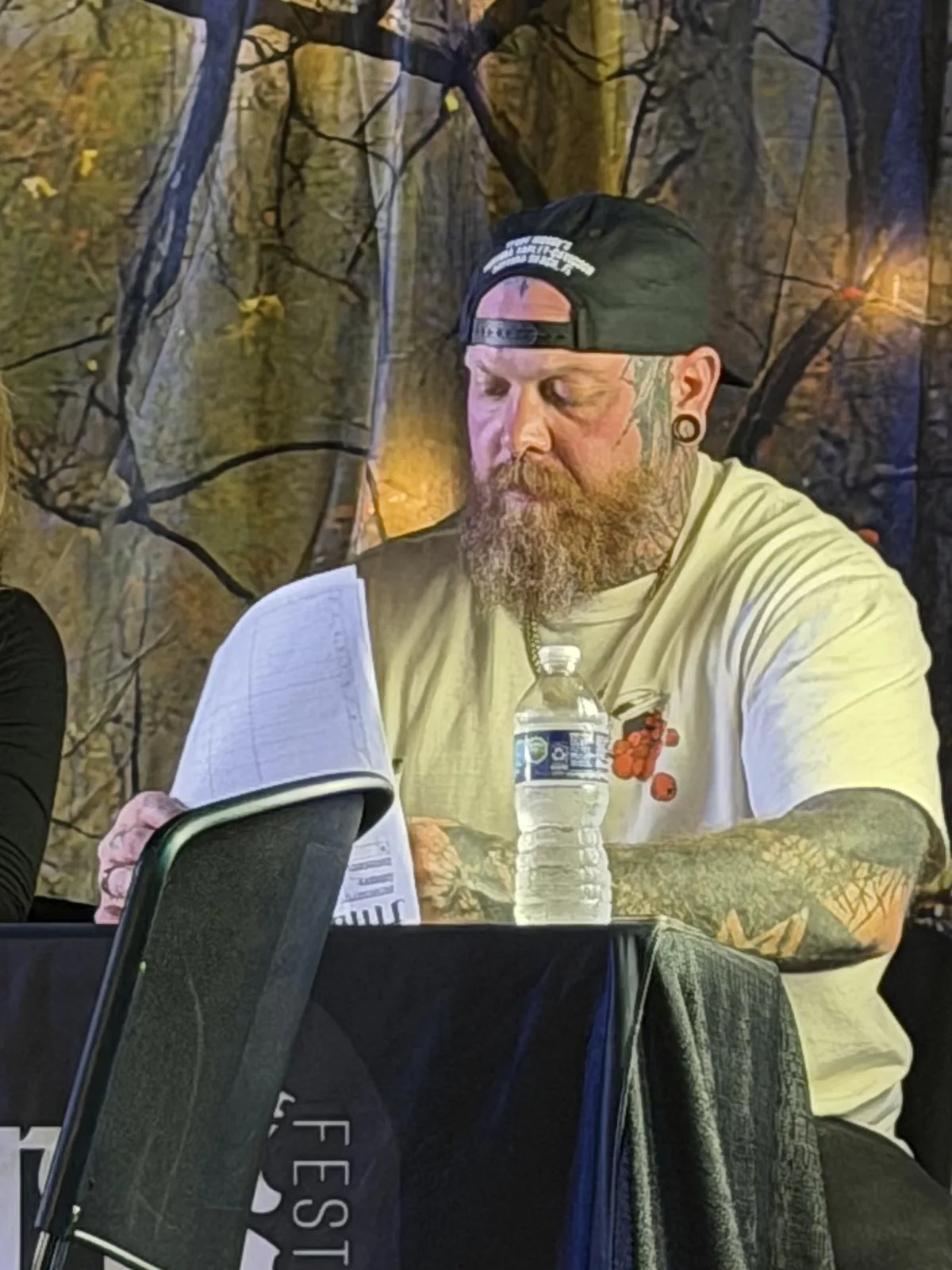
I later learned that the artist had passed away shortly after creating the tattoo, so it had never been reworked or touched up. The woman wearing it entered it into the competition partly to honor him. For me, the story made the moment meaningful, but the story wasn't why it deserved first place. The tattoo itself earned that. After more than five years, it was still an exceptional piece of work.
That's ultimately what I'm looking for when I judge: not just something that looks impressive at first glance, but evidence of strong craftsmanship. Technique, composition, execution and, when I have the opportunity to see healed work, how well those decisions have stood the test of time.
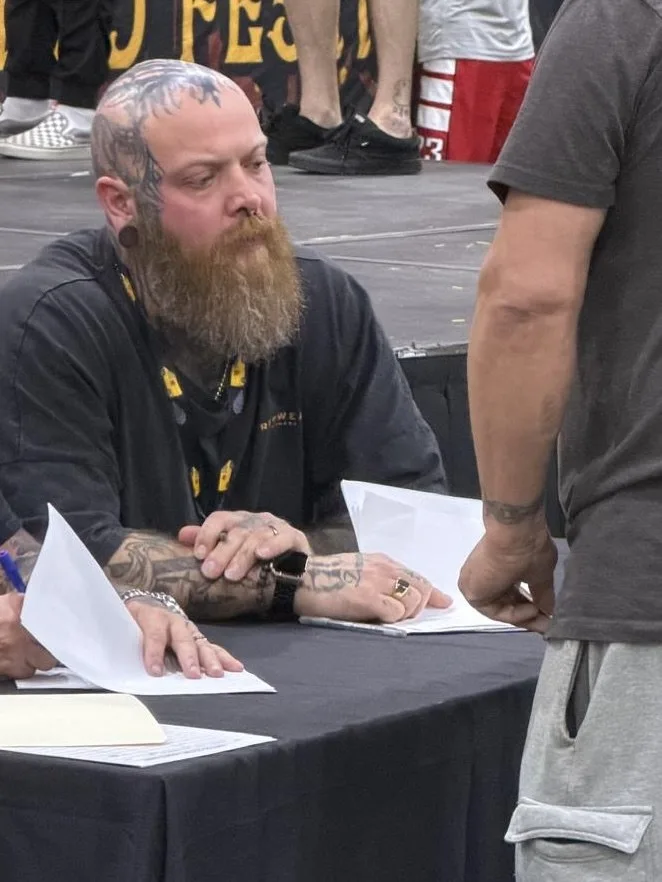
Recently, you've also started writing educational articles about realism tattooing and your approach to the craft. What made you want to move beyond creating tattoos and begin sharing your knowledge with other artists?
– I've always enjoyed sharing knowledge and helping people who genuinely appreciate that help. Tattooing is a craft where you never really stop learning, and I think there is a lot of value in artists being willing to share what they've learned instead of keeping everything to themselves.
I also enjoy experimenting with different techniques. I'll try different approaches, adjust them, and keep working with them until I understand what works consistently for me and why. I can't say whether some of the techniques I use have been developed independently by other artists before me, and I wouldn't claim that I invented them. I simply arrived at them through my own process of experimenting and improving my work.
Once I find something that genuinely improves my results, I like sharing it. If an approach works for me and another artist can take something from it, adapt it to their own way of working and improve their own results, I think that's a good thing.
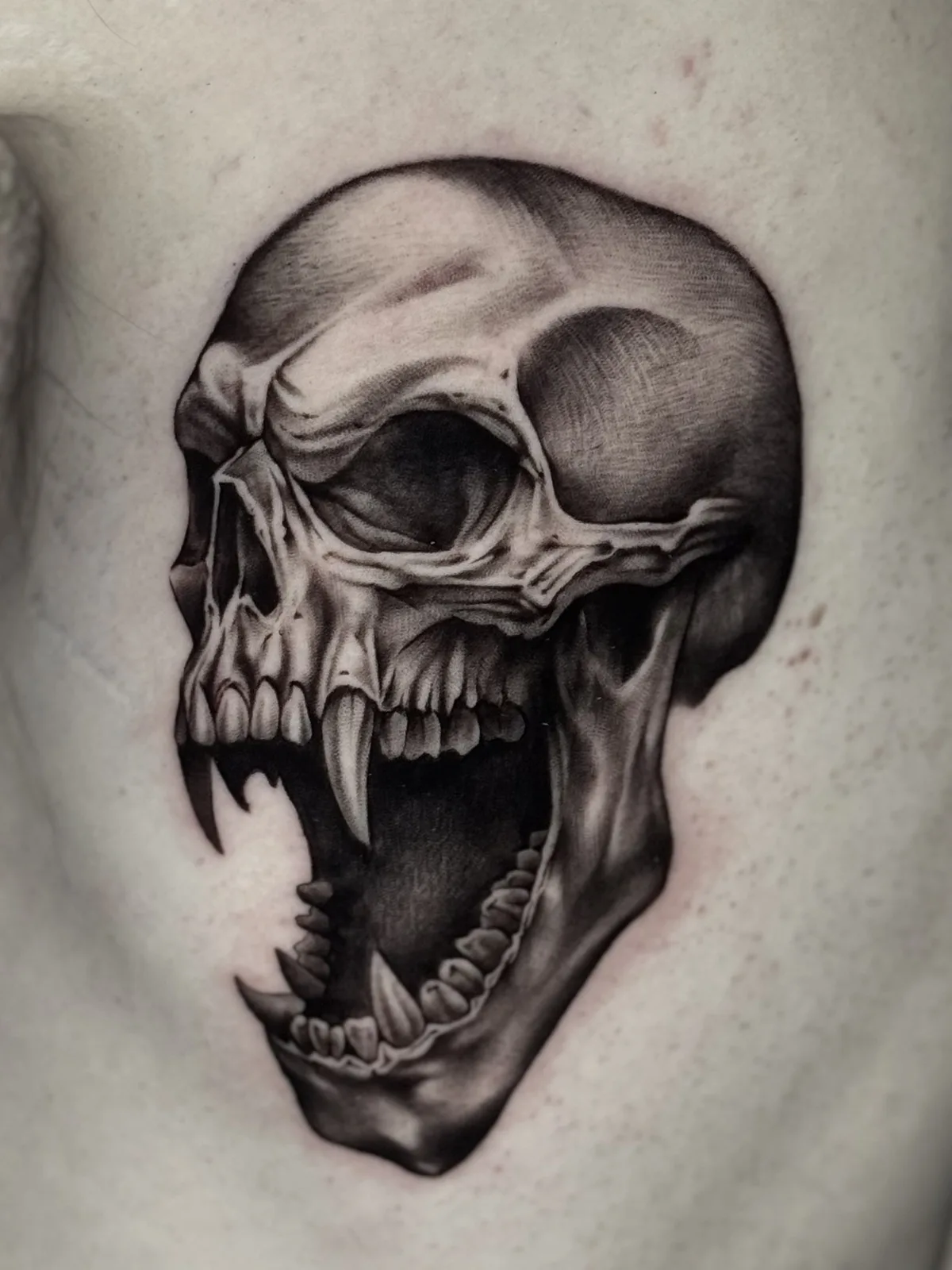
Writing gives me an opportunity to share more than just the finished tattoo. People usually see the final result, but they don't necessarily see the decisions, experiments and lessons behind it. Articles allow me to explain some of that process and hopefully give other artists something useful they can apply to their own work.
After nearly a decade of running a studio in Germany and then rebuilding your career and business in the United States, how do you define success for yourself today? Is it awards, a strong studio, a recognizable body of work, educating other artists – or something else entirely?
– I think success looks different for everyone, and for me, all of those things are part of it. But at its core, success means becoming better than I was yesterday. I always need new goals. I genuinely enjoy setting them, working toward them and eventually seeing what started as an idea become reality.
Success also means building a future for my family where they don't have to worry, while continuing to grow Carolina Icon Ink and seeing how far we can take it. But as the business grows, I also want that growth to create opportunities for other people. I want to provide a place where artists can earn a good living, feel respected and valued, and have the freedom to develop and express themselves through their art.
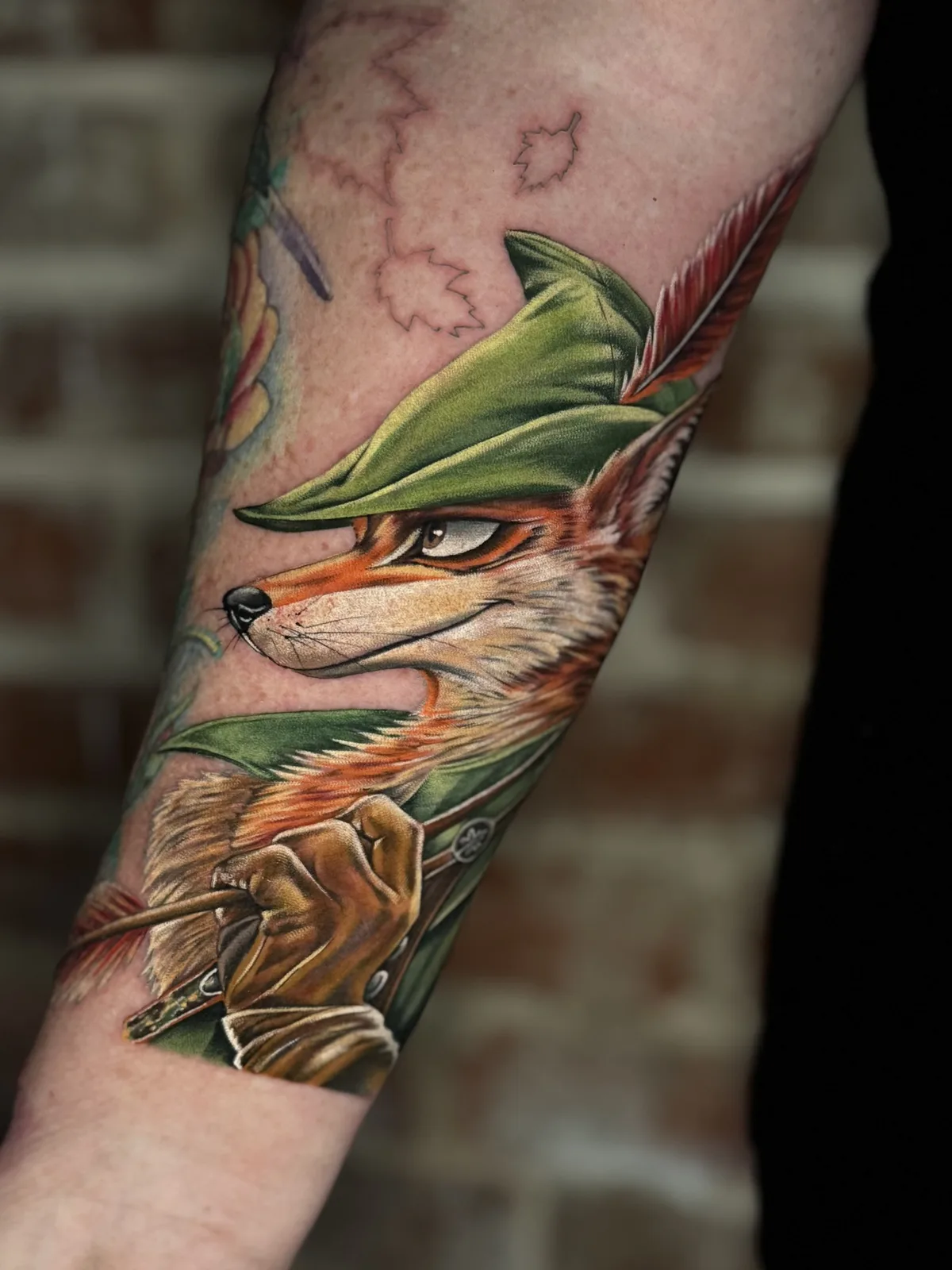
Awards, recognition and building a recognizable body of work are important to me because they represent progress, but I don't see any of them as a final destination. Once I reach one goal, I usually already have another one in mind.
And maybe one of the most important parts of success is still enjoying what you do. I never want my work to feel like a burden. After all these years, I still enjoy tattooing, building the business, trying new things and seeing where the next goal takes me. As long as I'm growing, providing for my family, creating opportunities for others and still enjoying the process, I consider that success.