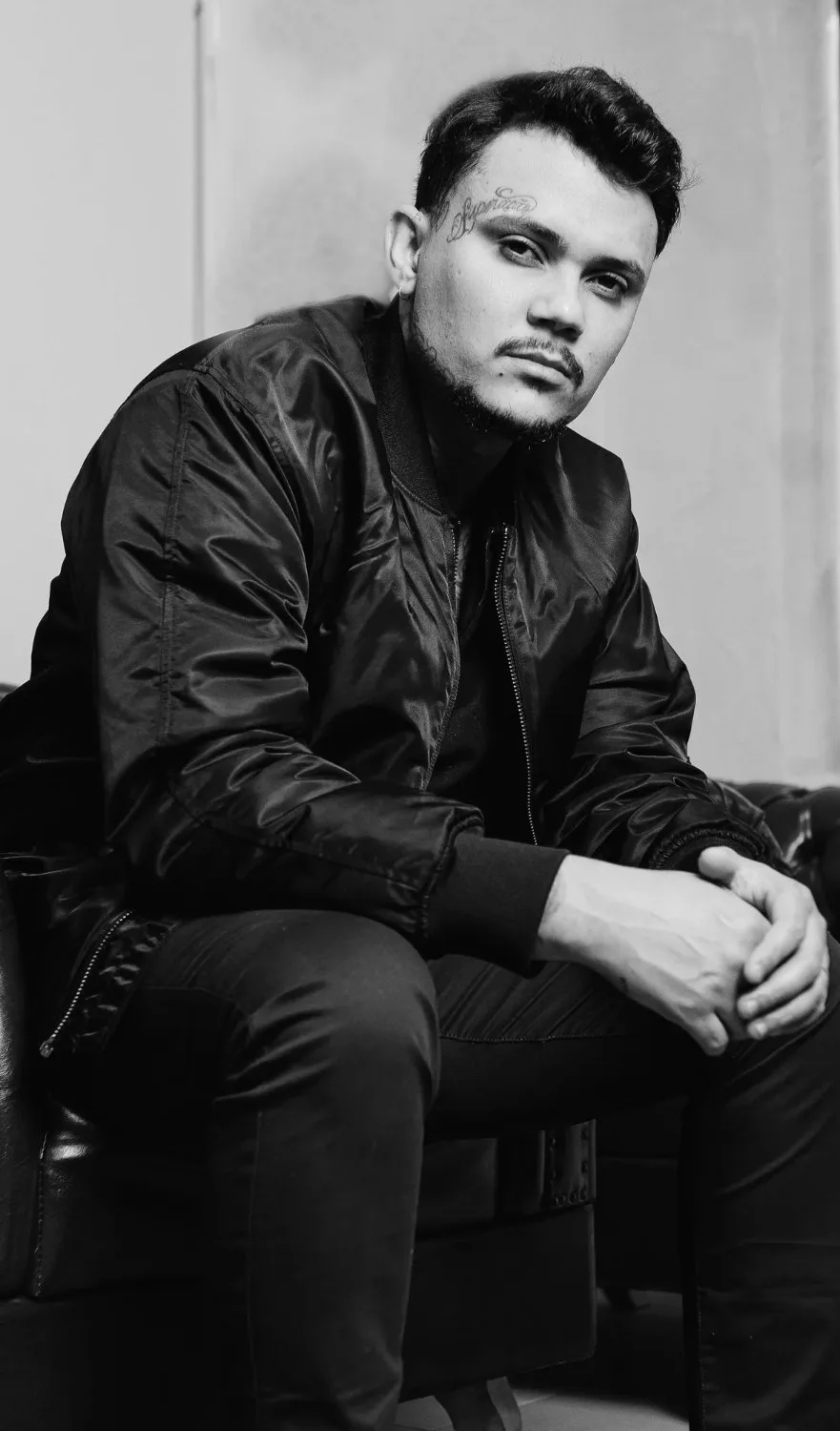
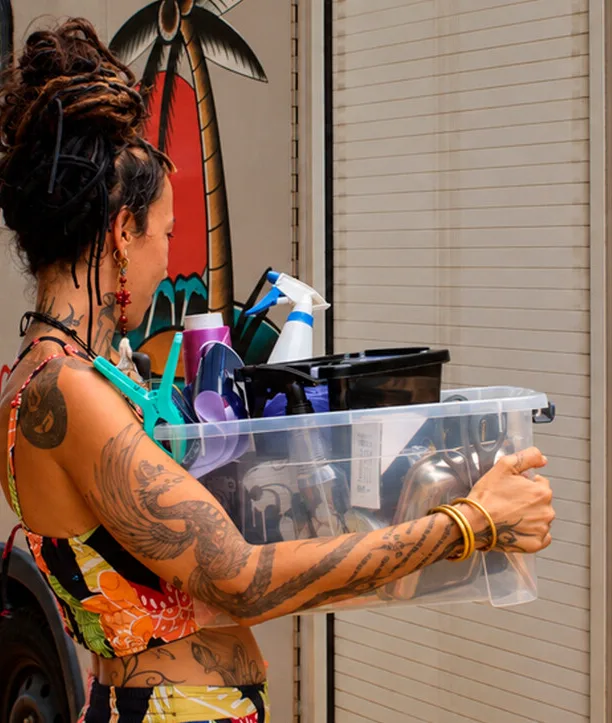
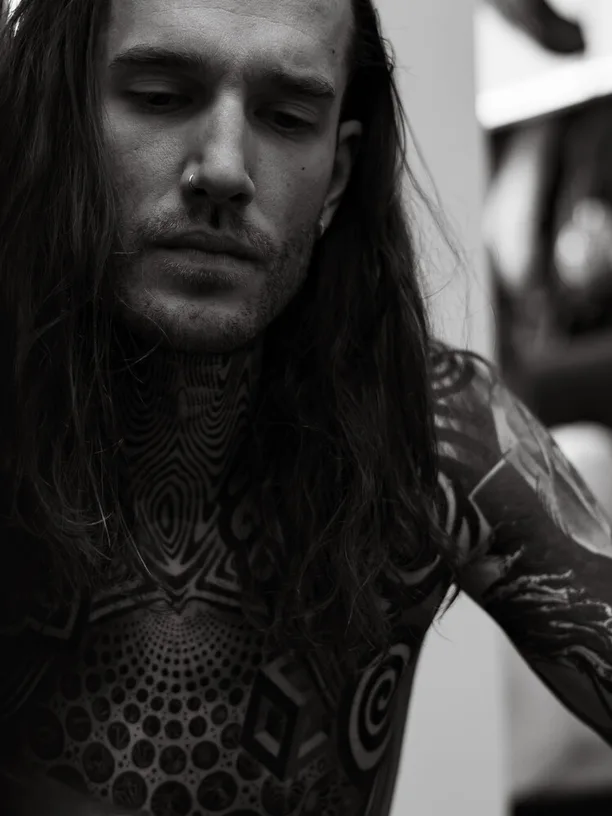
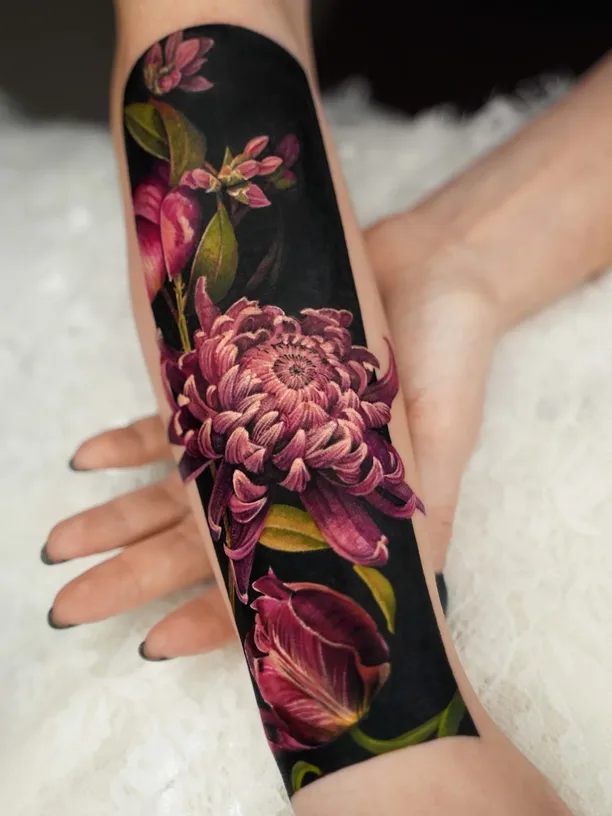
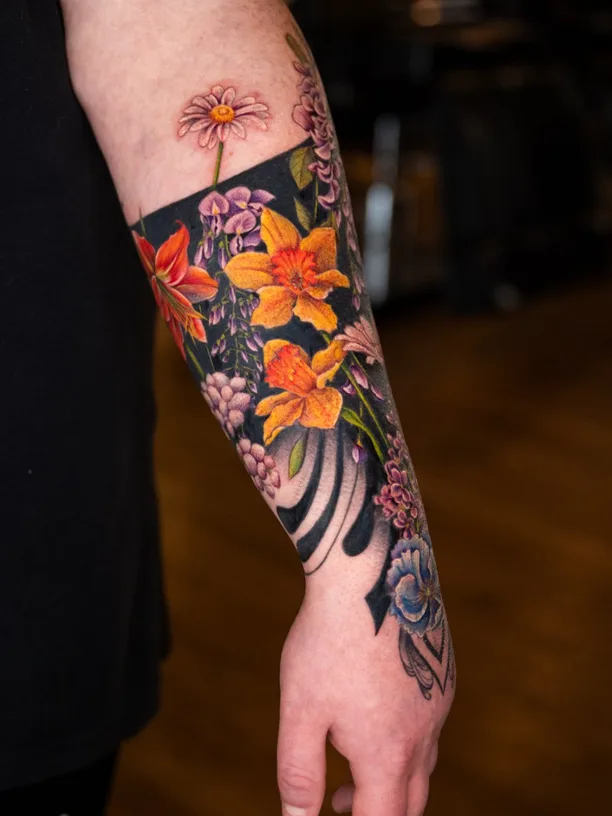
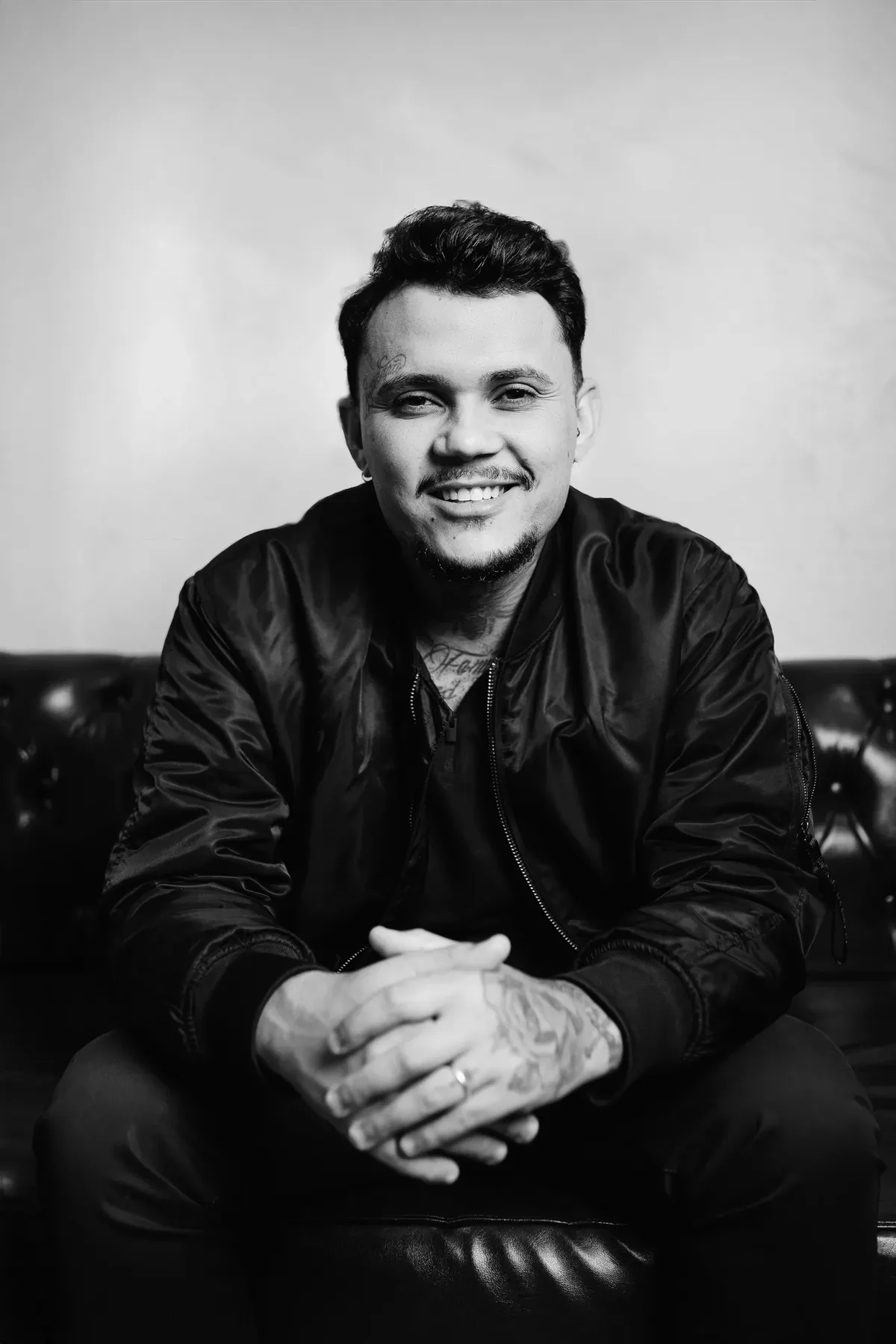
There is a kind of stubbornness that, from the outside, looks almost like calm. Itallo Santos has it. Based in Guaratinguetá, São Paulo, he built a realism practice from scratch, no art school, no mentor, no inherited foundation, and turned early skepticism, including his own family's, into the thing that kept him moving.
Santos started tattooing in 2019. The entry point was personal: his first tattoo, a piece he did on himself, an image of Jesus Christ on his leg. The curiosity was immediate. The direction became clear almost at once.
Realism pulled him in early. The doubts around him, he says, ended up motivating him rather than discouraging him. He came from a family with no artistic background. No drawing experience. None at all when he picked up a machine for the first time.
Santos is largely self-taught, developing his skills through independent study, observation, and a lot of sustained trial and error. He did attend one workshop later, already working professionally, but that was to sharpen specific technical gaps he had identified himself, not to learn the basics he had long since figured out on his own.
That self-directed path made discipline non-negotiable. No mentor setting the pace. No studio structure to lean on. Every improvement had to be sought out and earned entirely on his own terms, which is probably why he describes dedication as the single word that defines him.
His family was skeptical early on, understandably, from their perspective. No artistic background, no obvious pathway, no guarantee of anything. Santos absorbed that skepticism and used it. There was no guarantee it would work out, and he kept moving forward anyway. Hard to miss that pattern in how he talks about those years.
He works out of Itallo Santos Tattoo Studio in Guaratinguetá, São Paulo, Brazil. The working structure reflects his priorities clearly: one client per day, sessions running between seven and ten hours, full attention on a single project from start to finish.
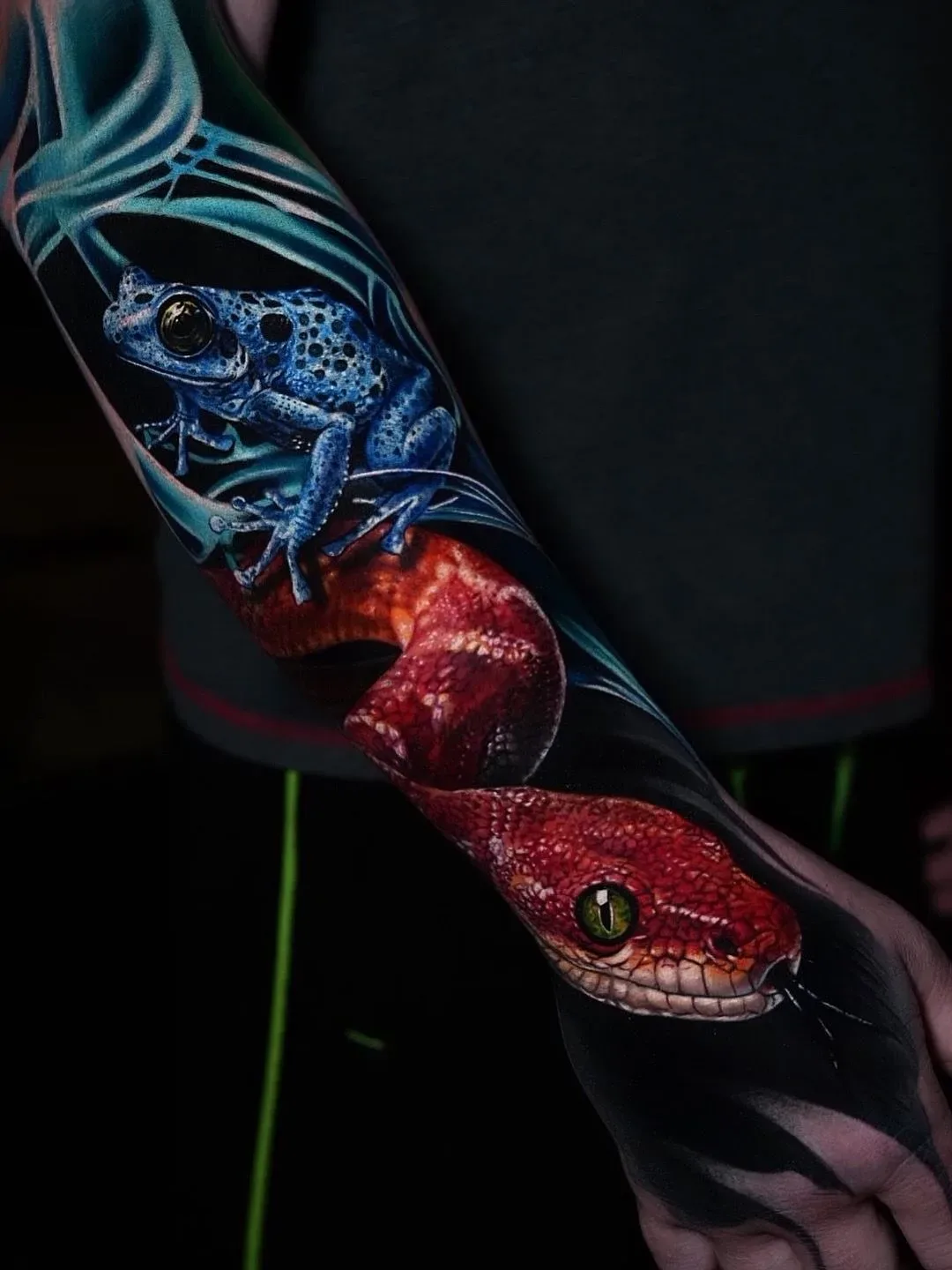
The day starts at ten in the morning. Santos prepares a preliminary design in advance, but the final composition gets worked out on the day itself, directly with the client. He adjusts the piece to the body in front of him, thinking through the anatomical fit before committing anything to skin. His wife, Kamila, handles photography and documentation at the close of each session.
On days without clients, he studies. New projects, new references, new ideas. The studio's rhythm is built around his conviction that an artist should never stop learning, and it clearly shapes how he organizes his time.
"I believe an artist should never stop learning."
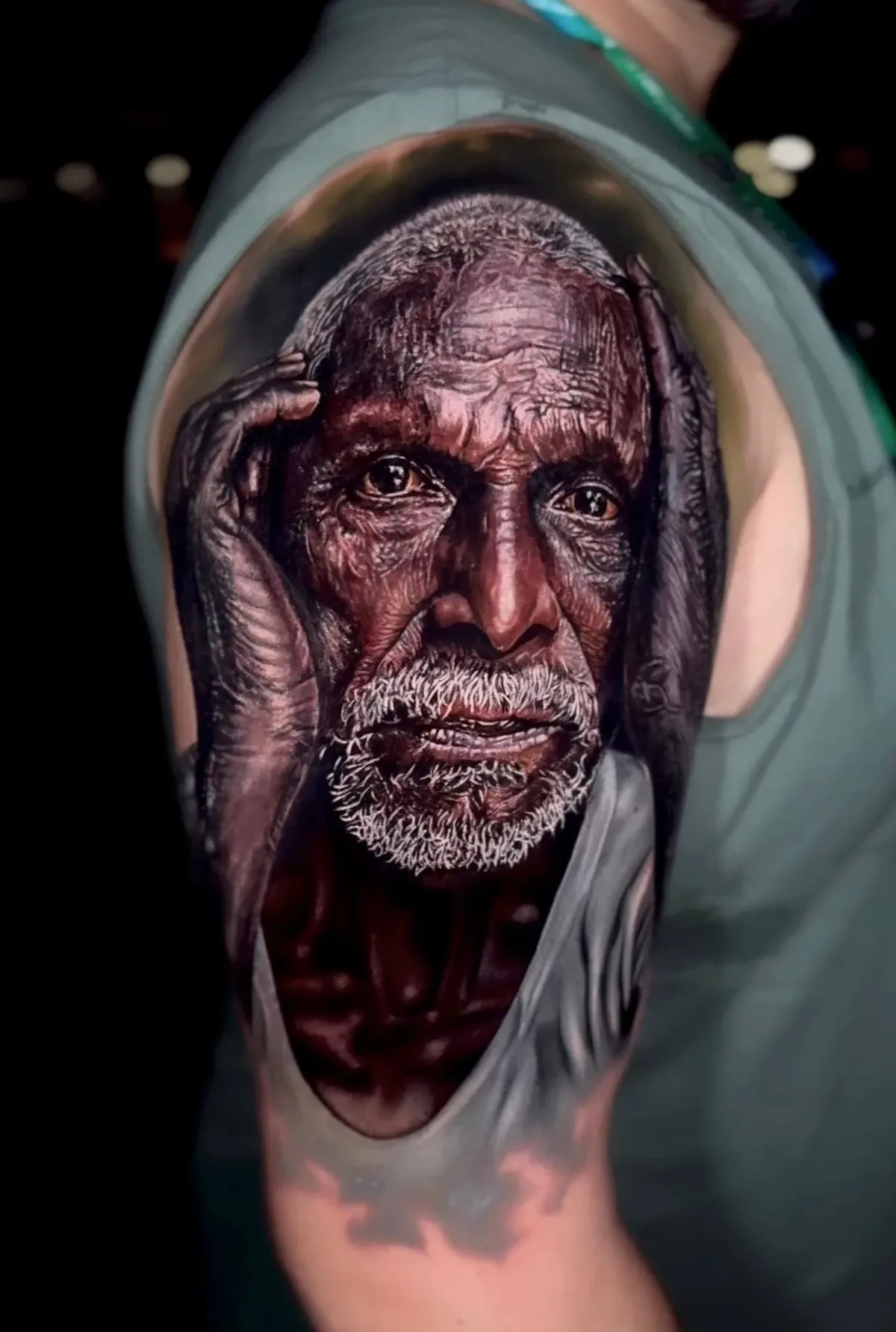
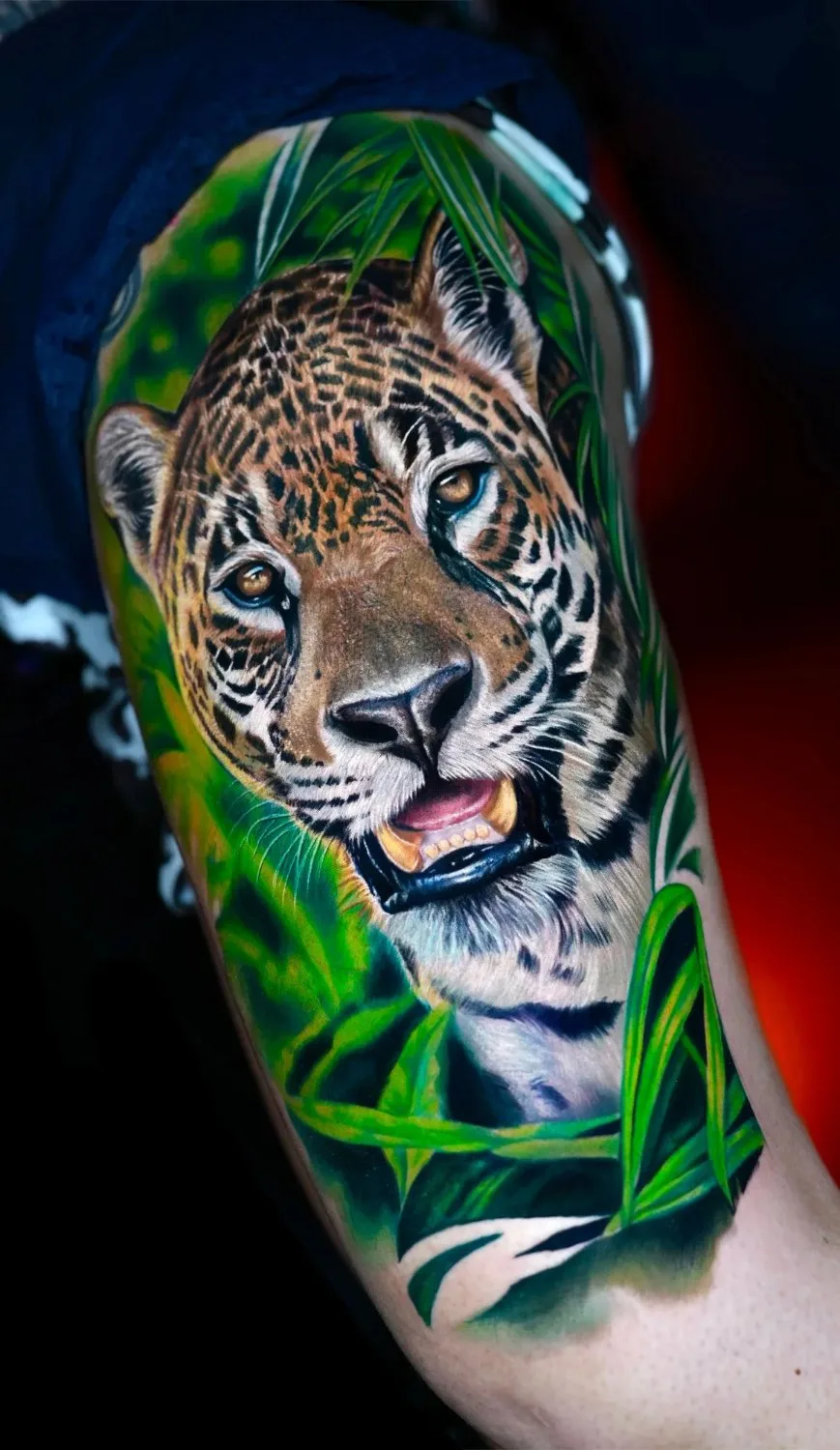
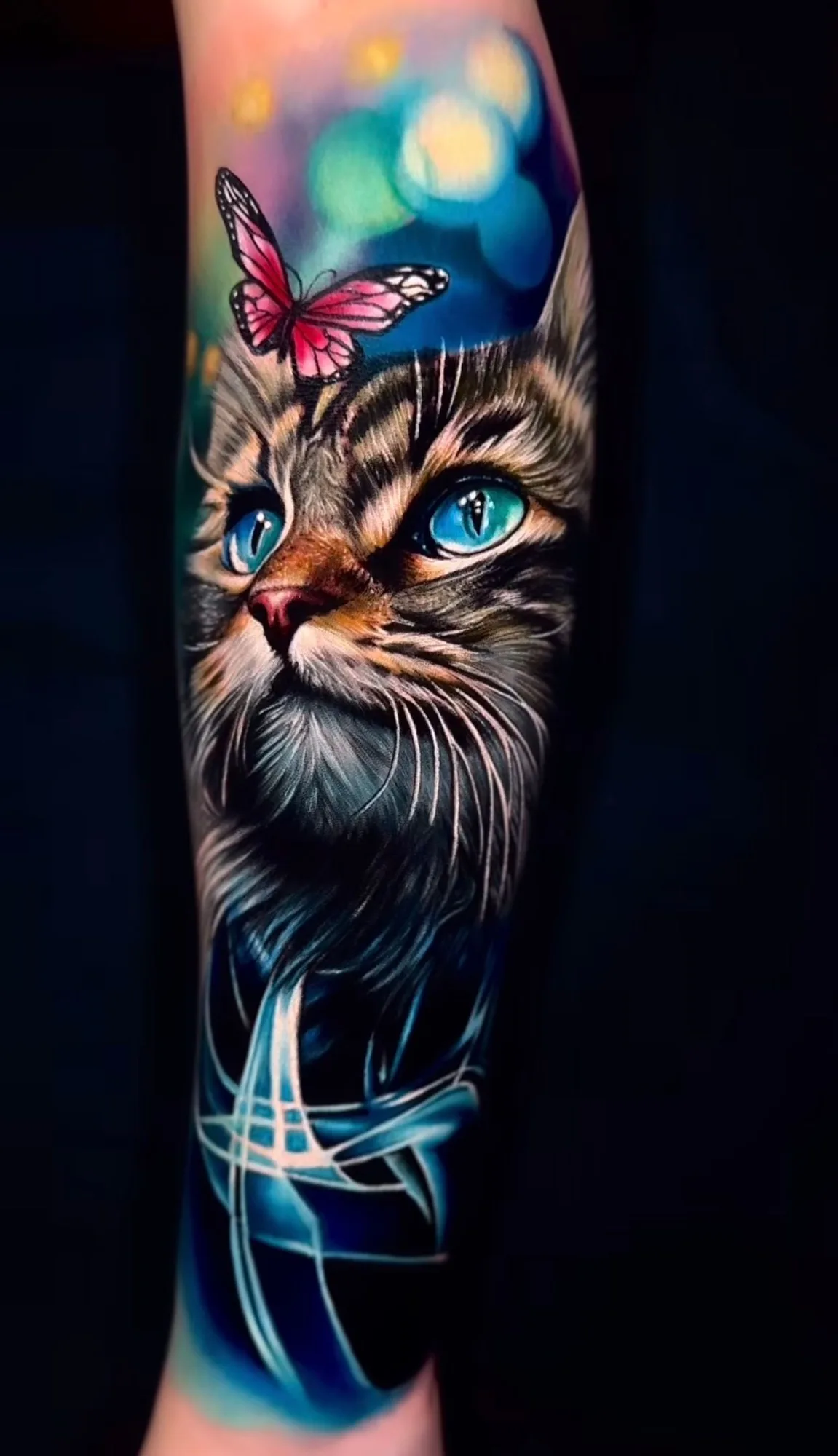
The work itself sits firmly in realism, with a growing pull toward surrealism as a space to push further. What draws him to the style is the demand it places on detail: the ability to bring a painting, a photograph, or an animal portrait to the skin with enough depth and expression that the image genuinely reads as alive. That's the bar he sets for himself.
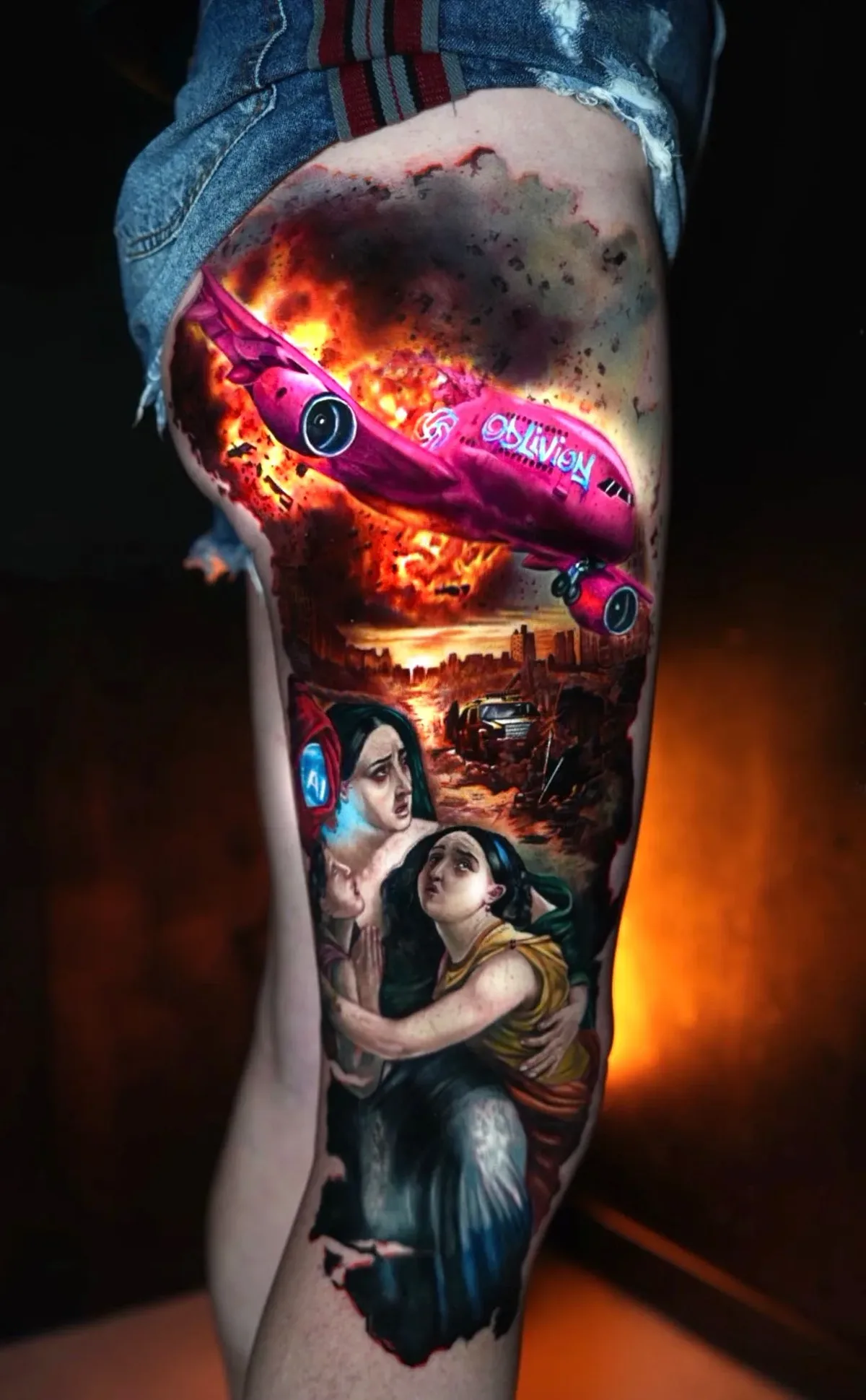
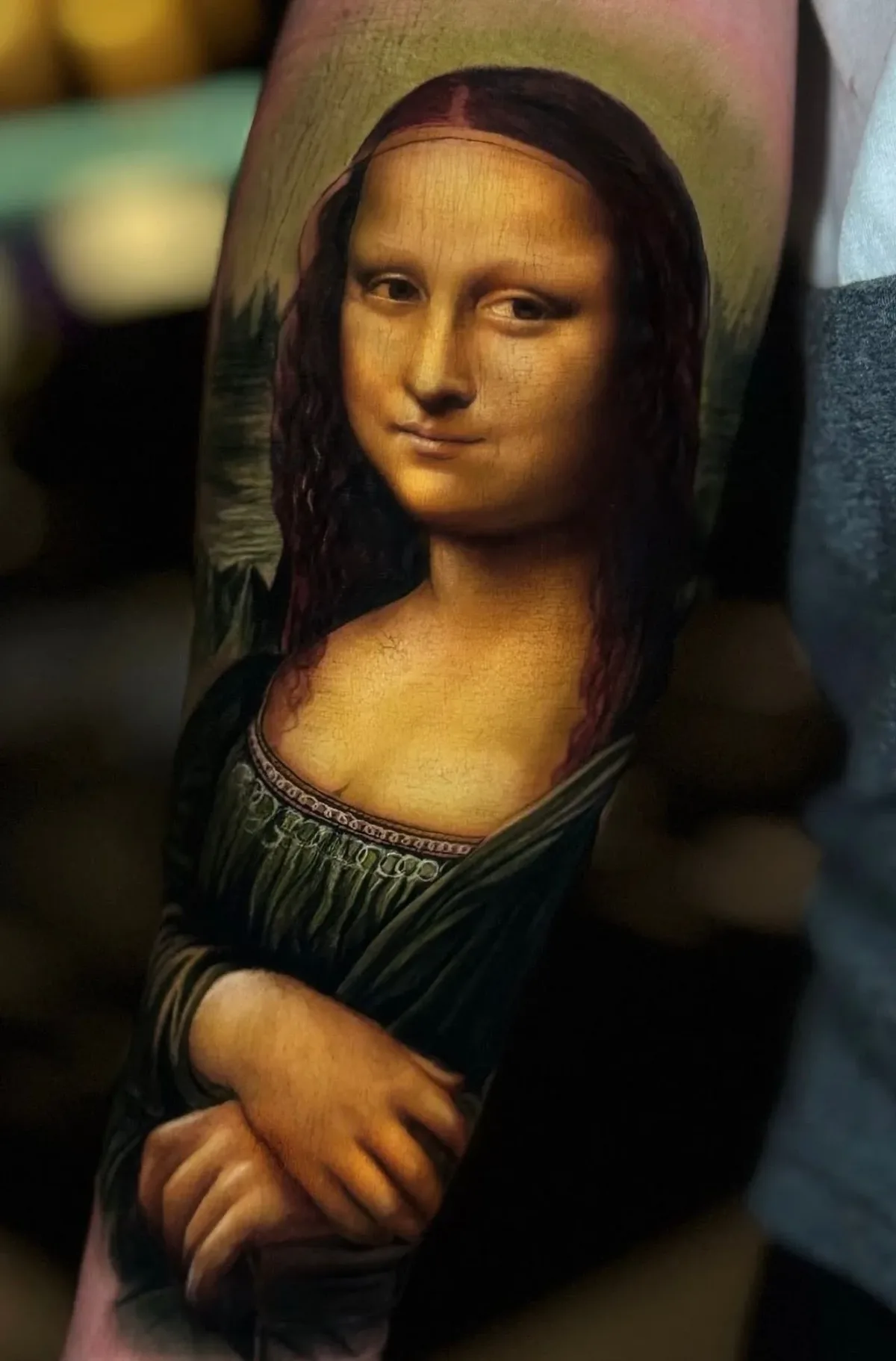
His most personally meaningful piece to date is his reproduction of the Mona Lisa. The project gave him room to work through an enormous amount of detail, and the creative process behind it, thinking through how to translate a canonical painting onto skin, was, by his own account, as satisfying as the finished result itself.
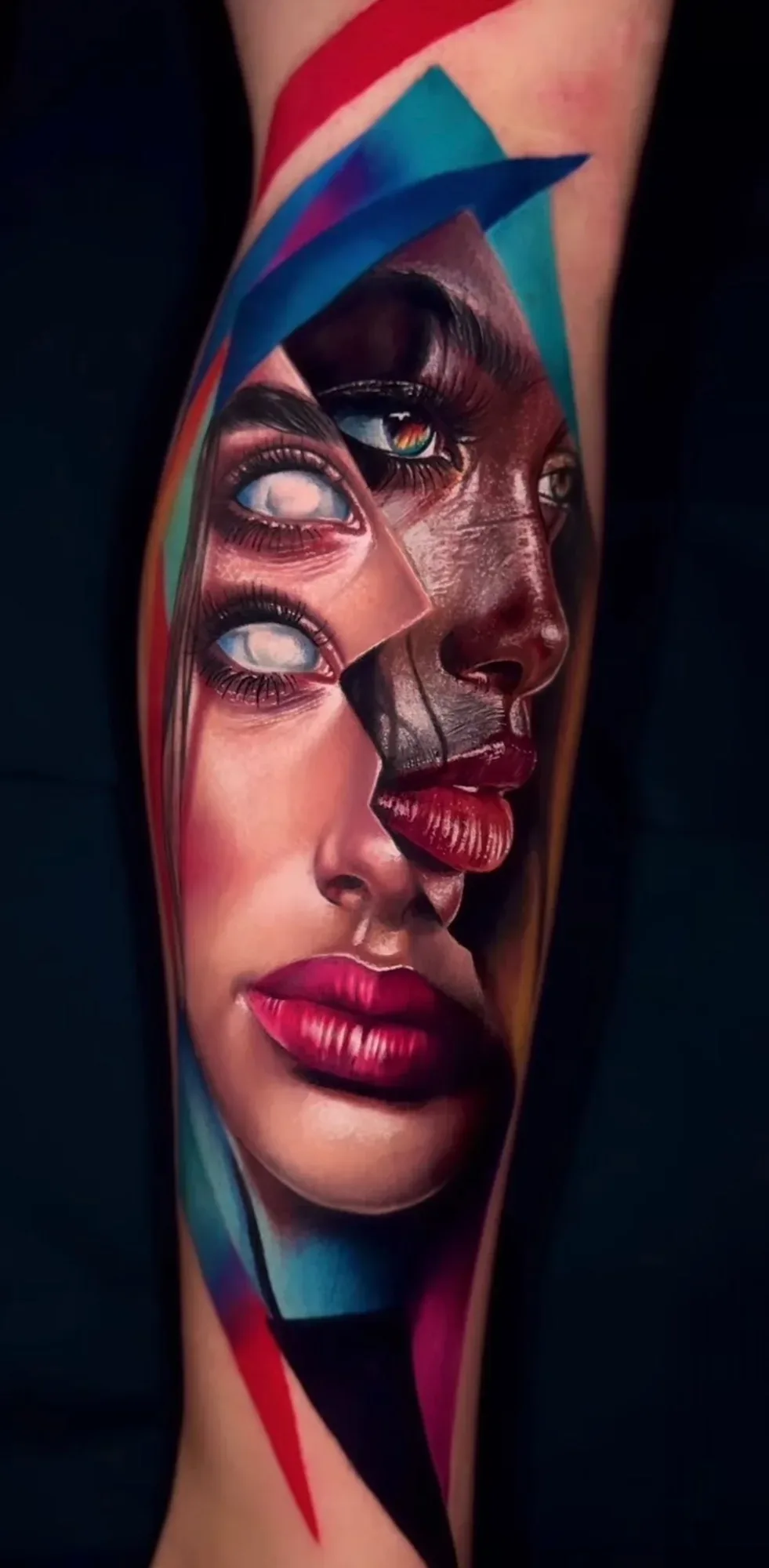
Santos creates every design himself. He doesn't work from templates or reproduce other artists' compositions. The reasoning is straightforward: each client carries a unique story, and the tattoo should reflect that specifically. Clients bring ideas and references; he builds the project from there, thinking through how to translate a concept into something that actually works on that particular body.
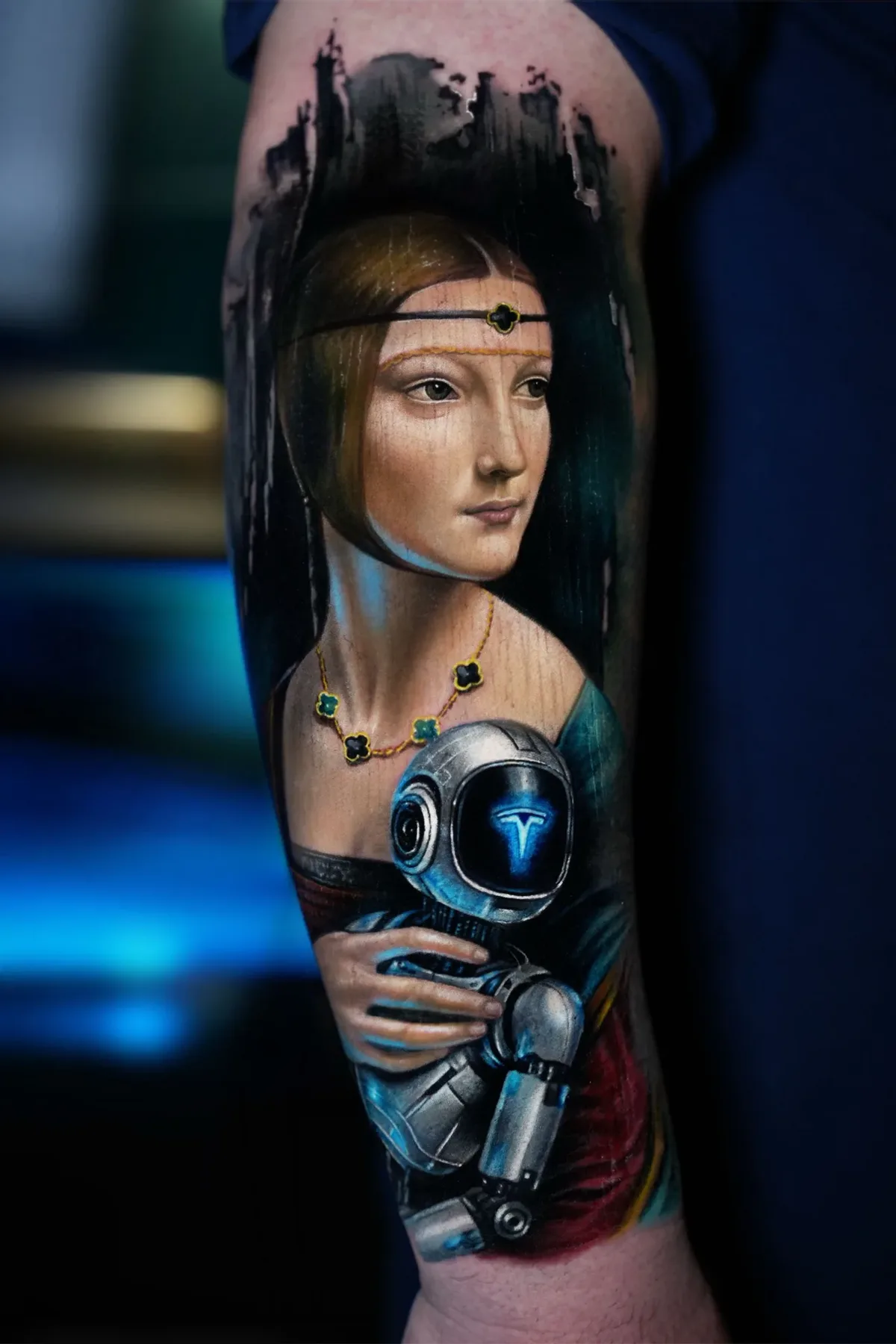
The conversation about AI-generated imagery comes up in his practice regularly. People arrive with images produced by generative tools, extraordinarily detailed, visually striking, and often technically impossible to execute on skin as presented. For Santos, one of the biggest misconceptions today is that any image created digitally can simply be reproduced on skin.
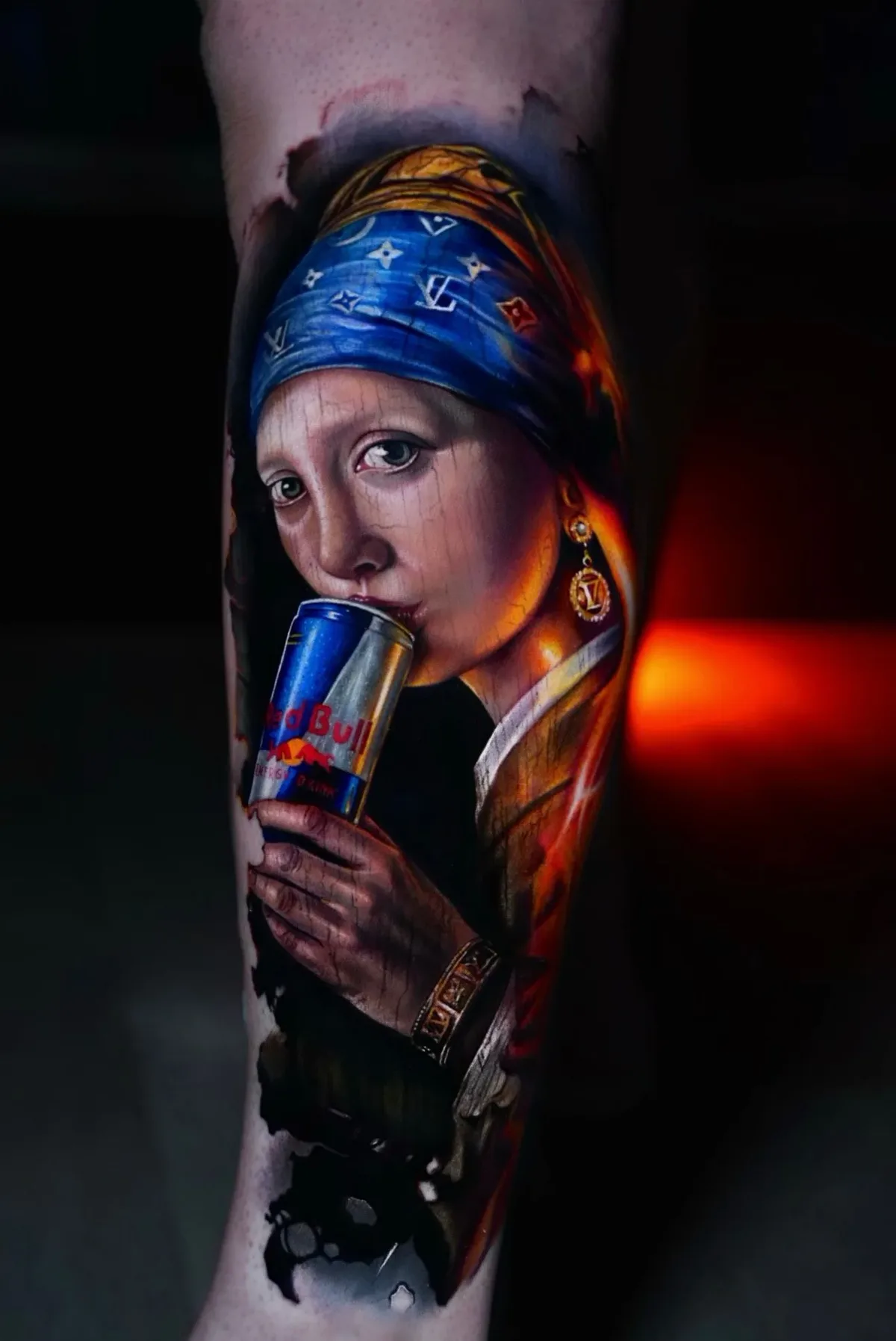
His position is measured. AI is a useful tool for exploring possibilities, he says, but it cannot replace the judgment required to turn an image into a tattoo. Anatomy, skin texture, composition, the long-term behavior of ink in the body, none of that shows up in a digital render. Explaining those realities to clients is part of the job, and he seems to take it seriously rather than treating it as an inconvenience.
The pricing question gets a similar reframe. Santos prefers to talk about value rather than price. Each project is evaluated individually, with the full creative process factored in: preparation time, technical complexity, the level of detail involved, and the experience brought to bear on something that will live on someone's skin permanently.
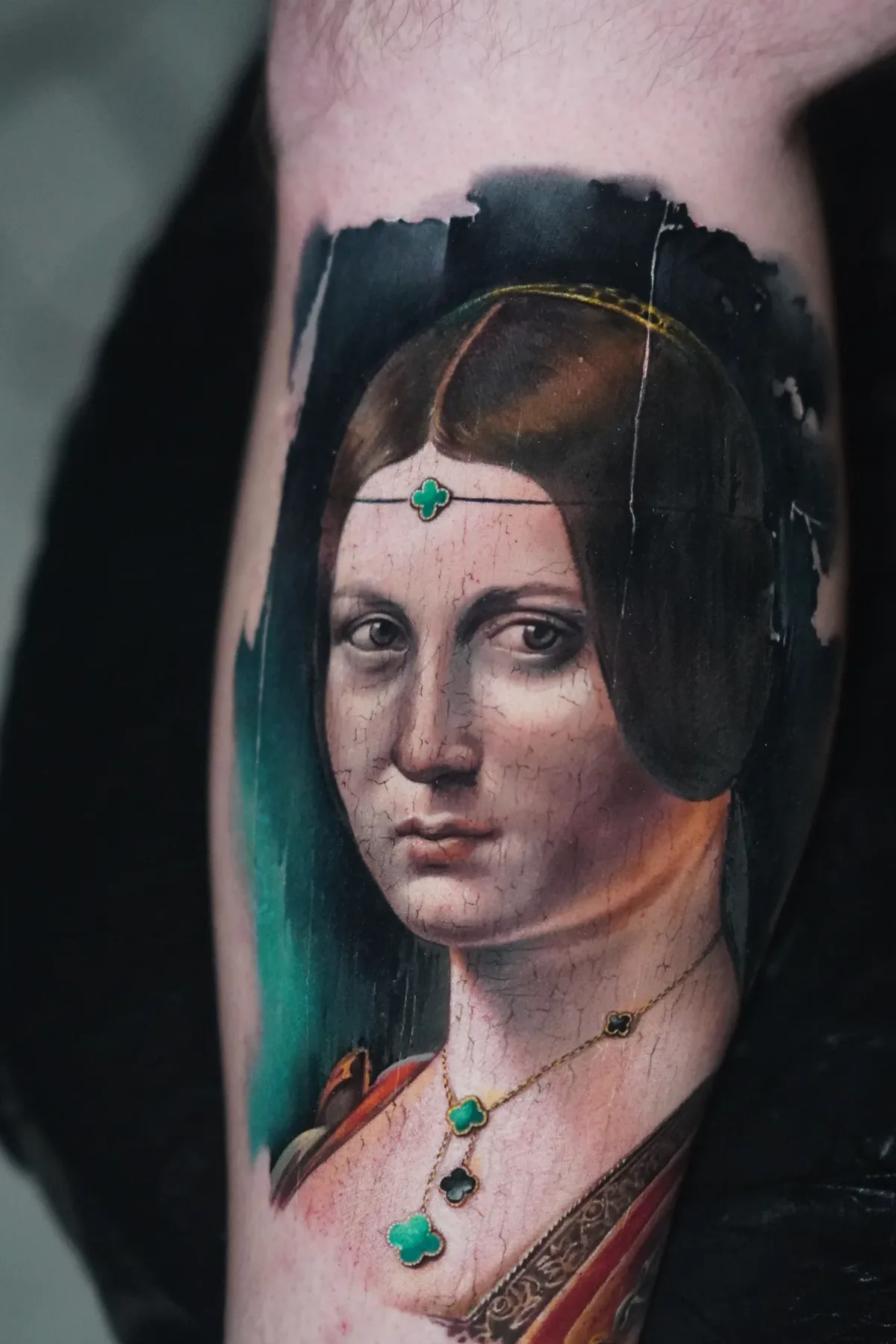
That permanence sits at the center of how he thinks about the work. When a client trusts him with a tattoo, they are allowing him to create something that becomes part of their story. He takes that responsibility very seriously.
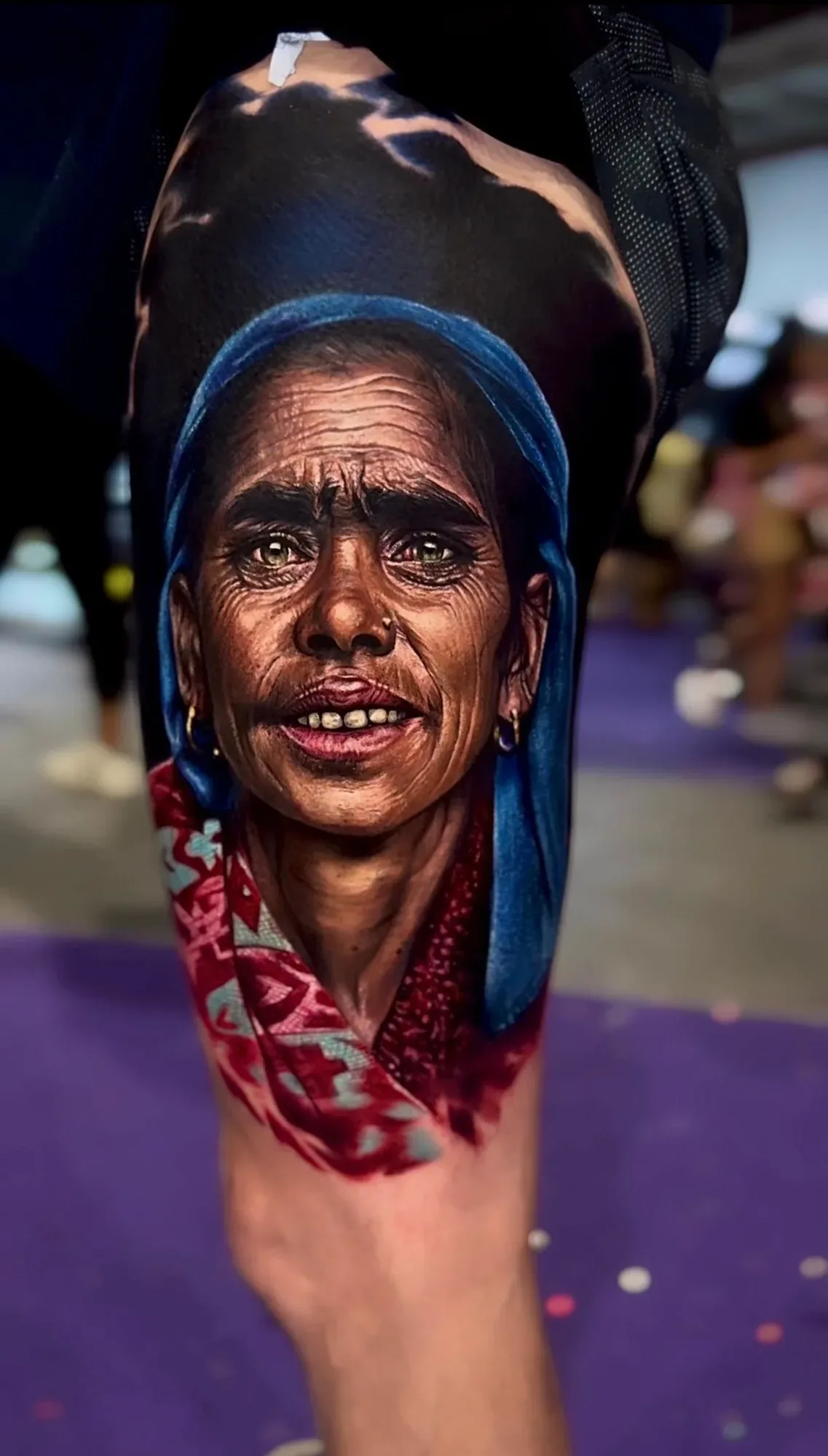
The aftercare side of that responsibility extends well beyond the session itself. Santos provides clients with TropicalDerm products as part of their healing routine and recommends Cicaplast by La Roche-Posay. Protecting the work through the healing process is, in his view, inseparable from delivering quality in the first place.
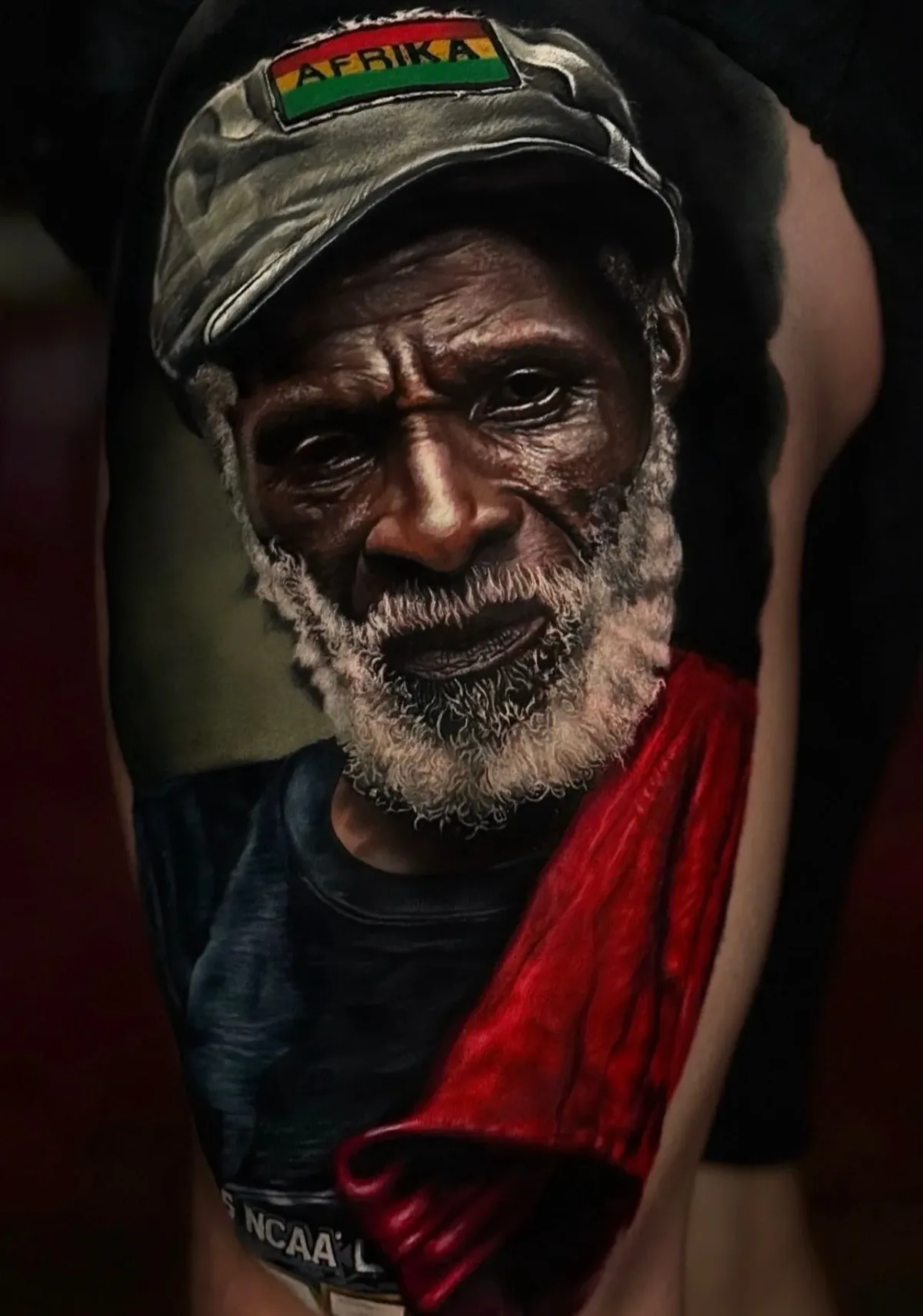
For equipment, he works with FK Irons machines and Intenze inks, both of which were already part of his routine before the sponsorships came along. The partnerships developed naturally from existing trust in the products, which is probably why he describes them as genuinely meaningful rather than transactional.
His sponsor roster also includes TropicalDerm. The pattern across all three is consistent: tools he had already chosen for their precision and reliability, so the partnerships came about naturally.
“obsession beats talent”
Santos has competed extensively, racking up more than 80 awards across events in Brazil and abroad. He's clear that competitions matter to him, but the real draw is the challenge itself, the pressure of performing at a high level in rooms where the standard is set by the best artists working right now.
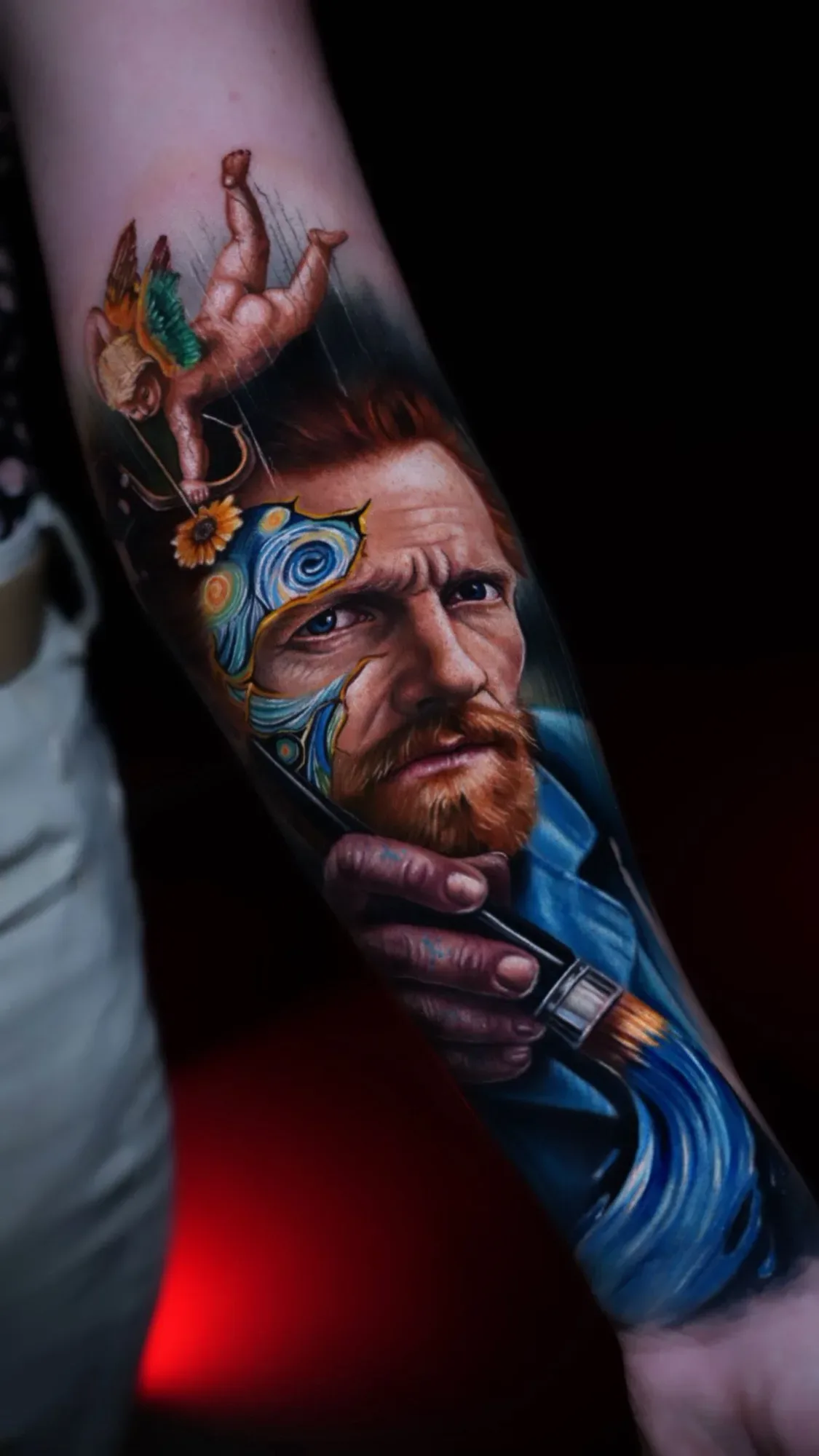
His favorite convention experience so far was the Empire State Tattoo Convention in New York. Showing work on an international stage alongside artists operating at that level, and taking first place in the competition, made it a genuinely significant moment in his career.
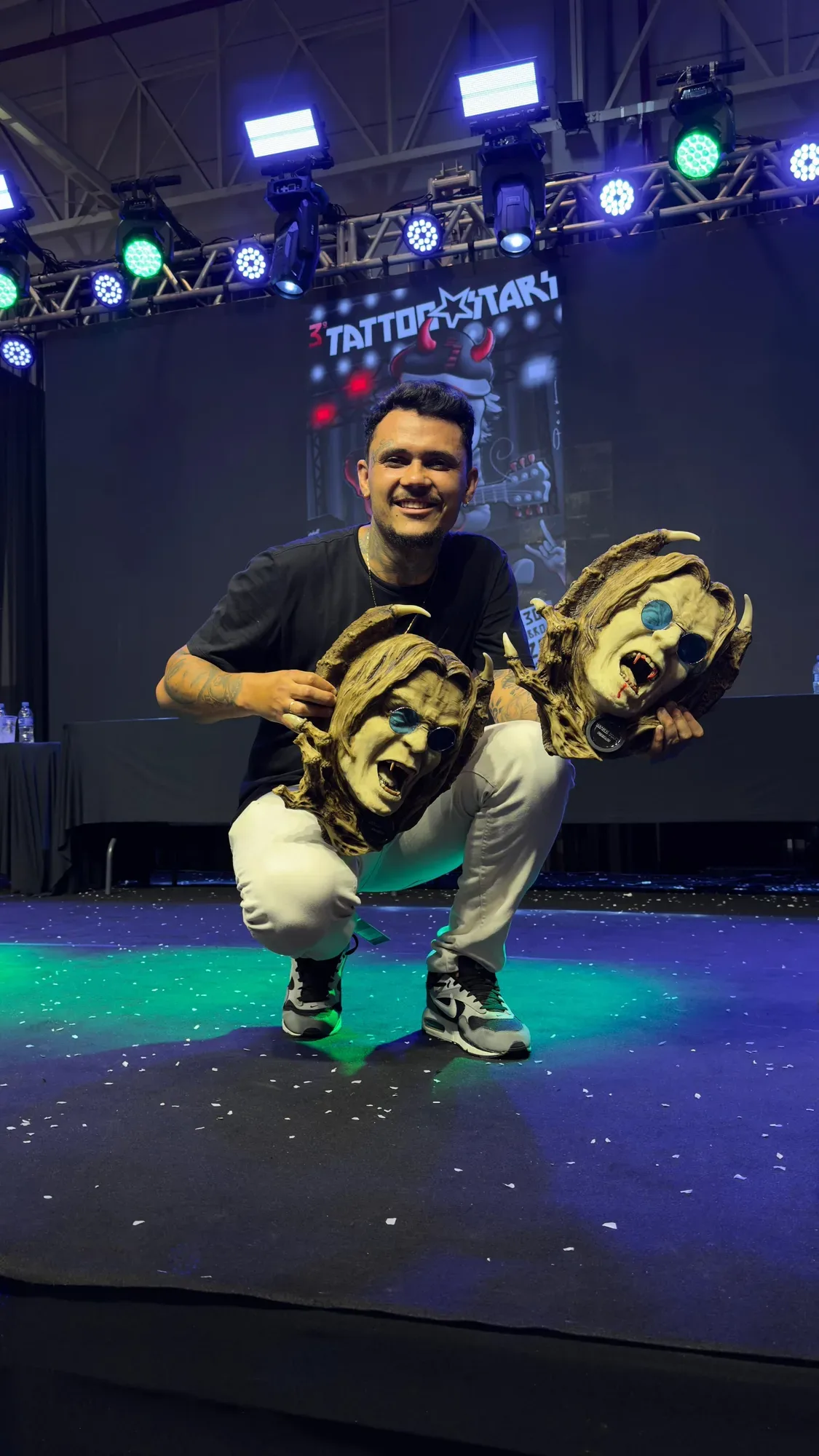
Tattoo Week Brasil was the earlier turning point. The results he achieved there gave him visibility beyond his immediate region and opened doors to international opportunities. That event showed him his work could travel, and that the international scene was a realistic goal, not some distant fantasy.
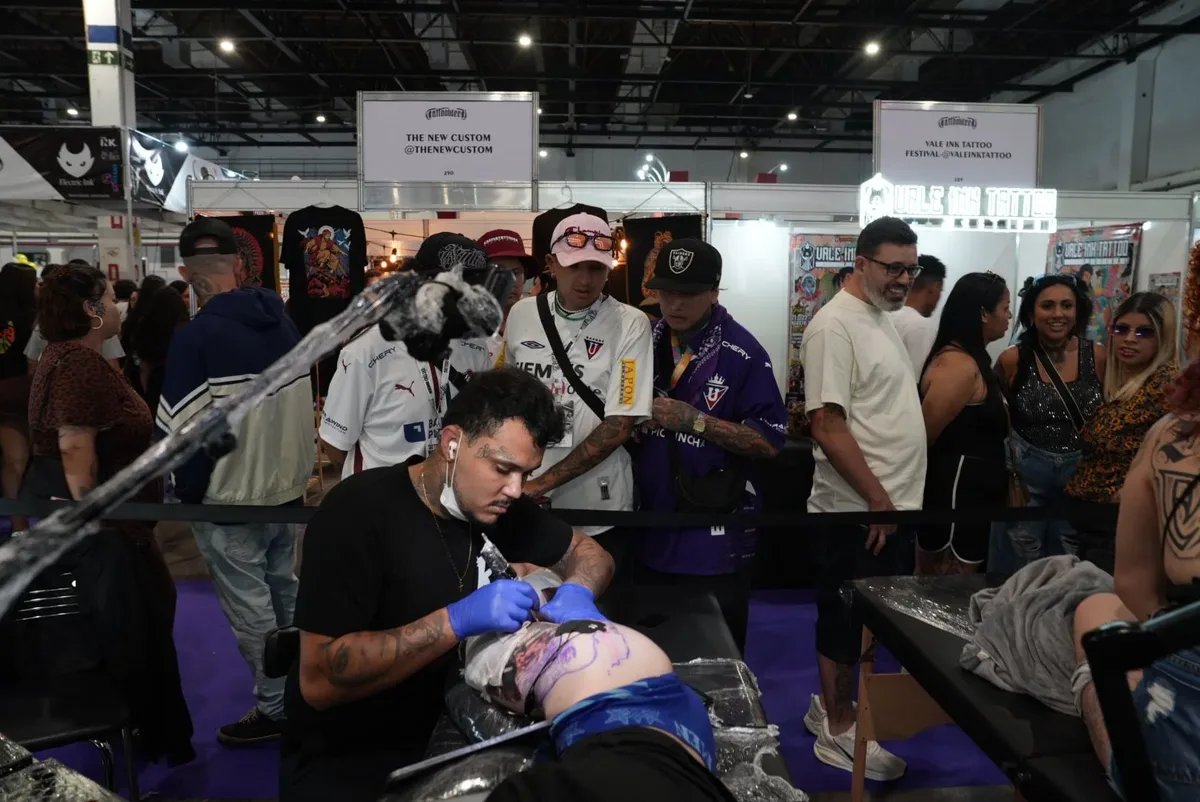
Guest spots have since taken him to Germany, Switzerland, Spain, England, and Italy. Each trip brought something specific. Different approaches to tattooing, different ways clients connect with the work depending on where they're from, different professional environments entirely. He frames these experiences as exchanges, not performances.
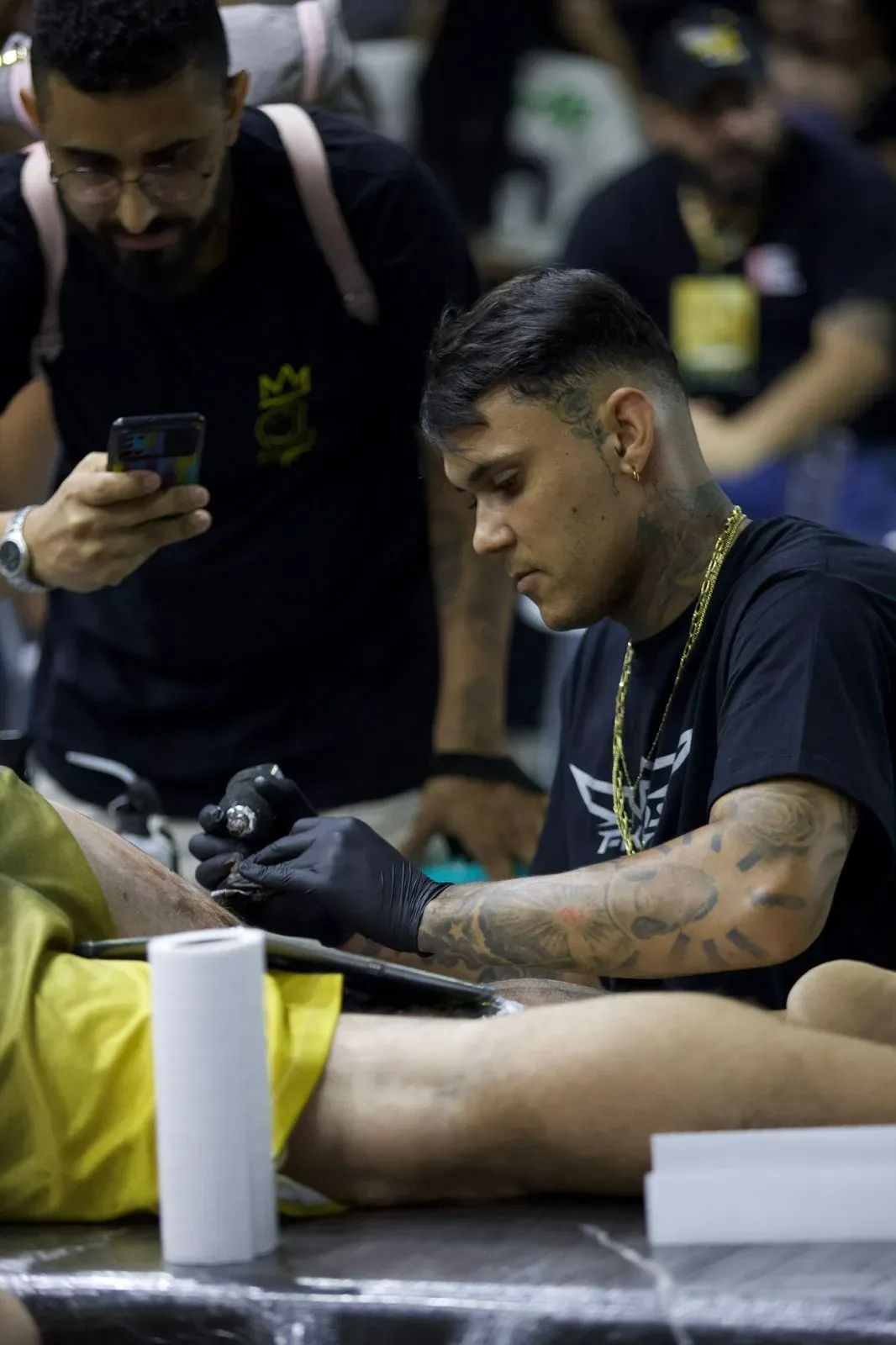
The Brazilian tattoo scene, from his vantage point, is in a strong moment right now. Realism has grown considerably within the country's tattoo community, and Brazilian artists have been earning real international recognition. He sees himself as part of a generation pushing that work outward, past the country's borders.
His creative research draws from several directions. He follows other artists' work, digs through references on Pinterest, and studies classical paintings with particular attention to how painters handle light, shadow, composition, and expression. The observation is deliberate. He looks at the world around him carefully because, as he puts it, an idea can come from something simple encountered in everyday life.
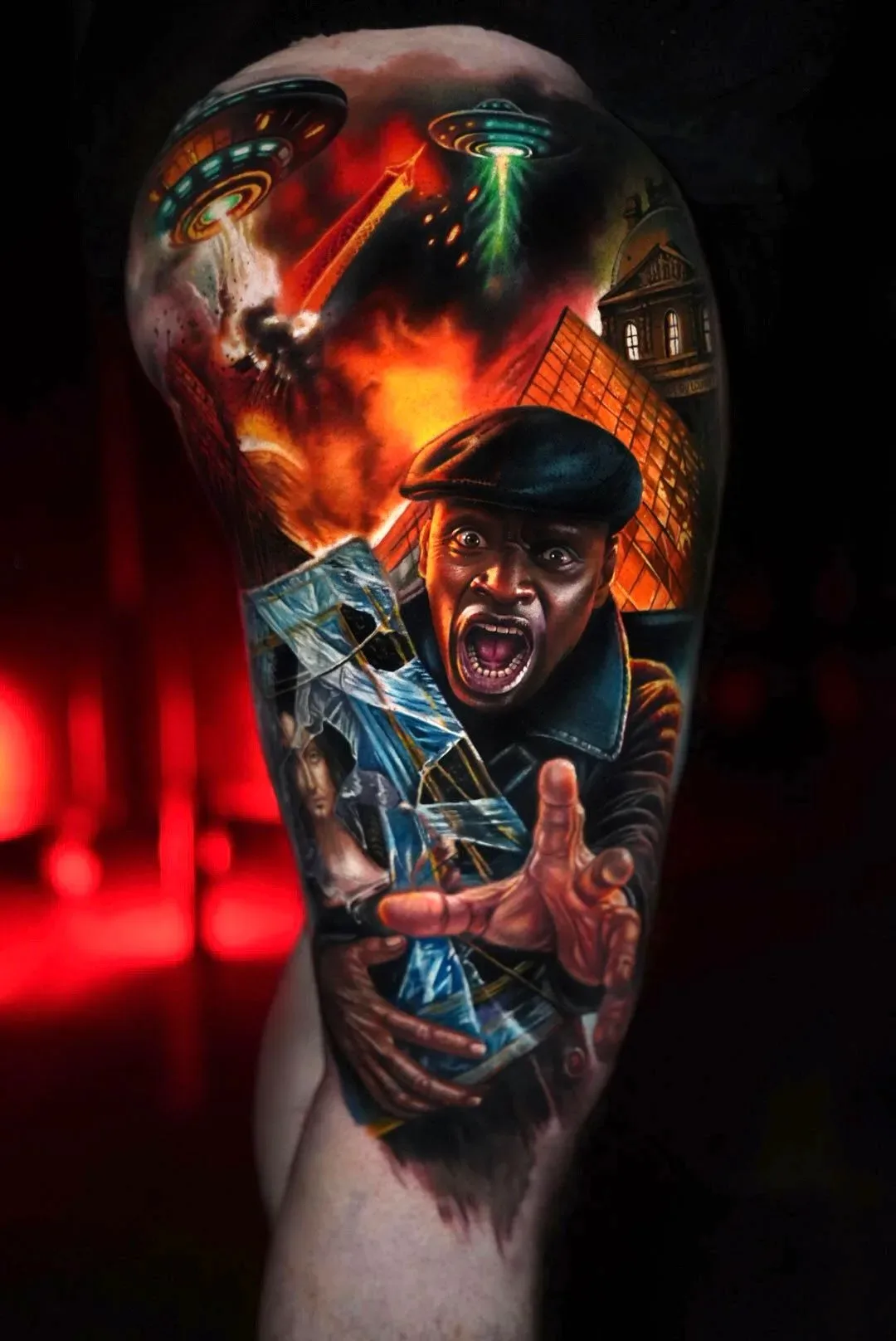
Painting is a parallel practice. He works in acrylic and oil, and it feeds his development as a tattoo artist. The way he observes color relationships, tonal ranges, and compositional weight in a painting shapes how he approaches the same problems on skin. Different medium, same underlying questions.
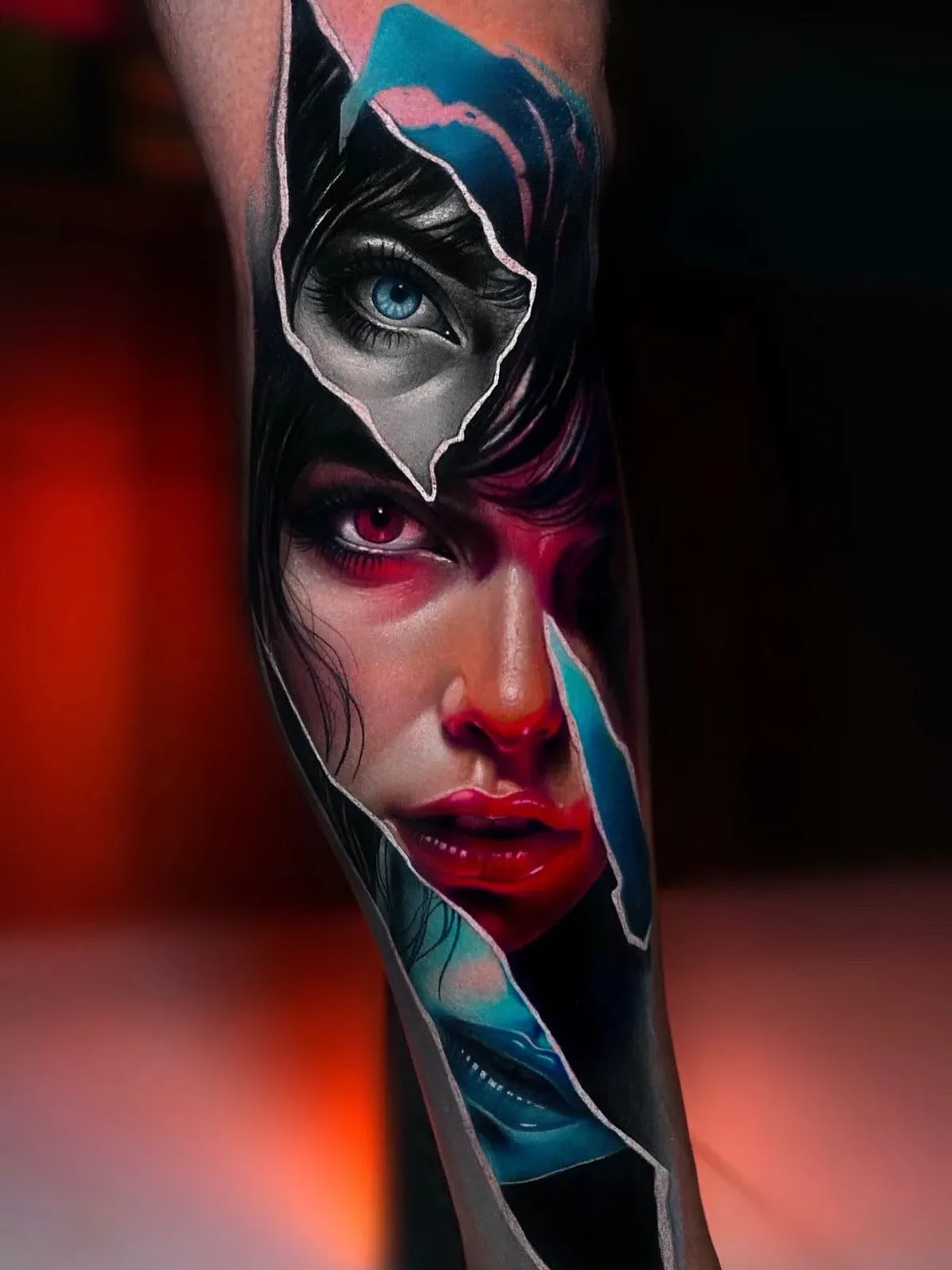
He also teaches. Santos gives workshops and offers mentorships, and the decision to share knowledge is consistent with how he thinks about the craft's development as a whole. Everything he learned came through sustained effort without a formal guide, and he seems genuinely interested in making that path less isolated for artists coming after him.
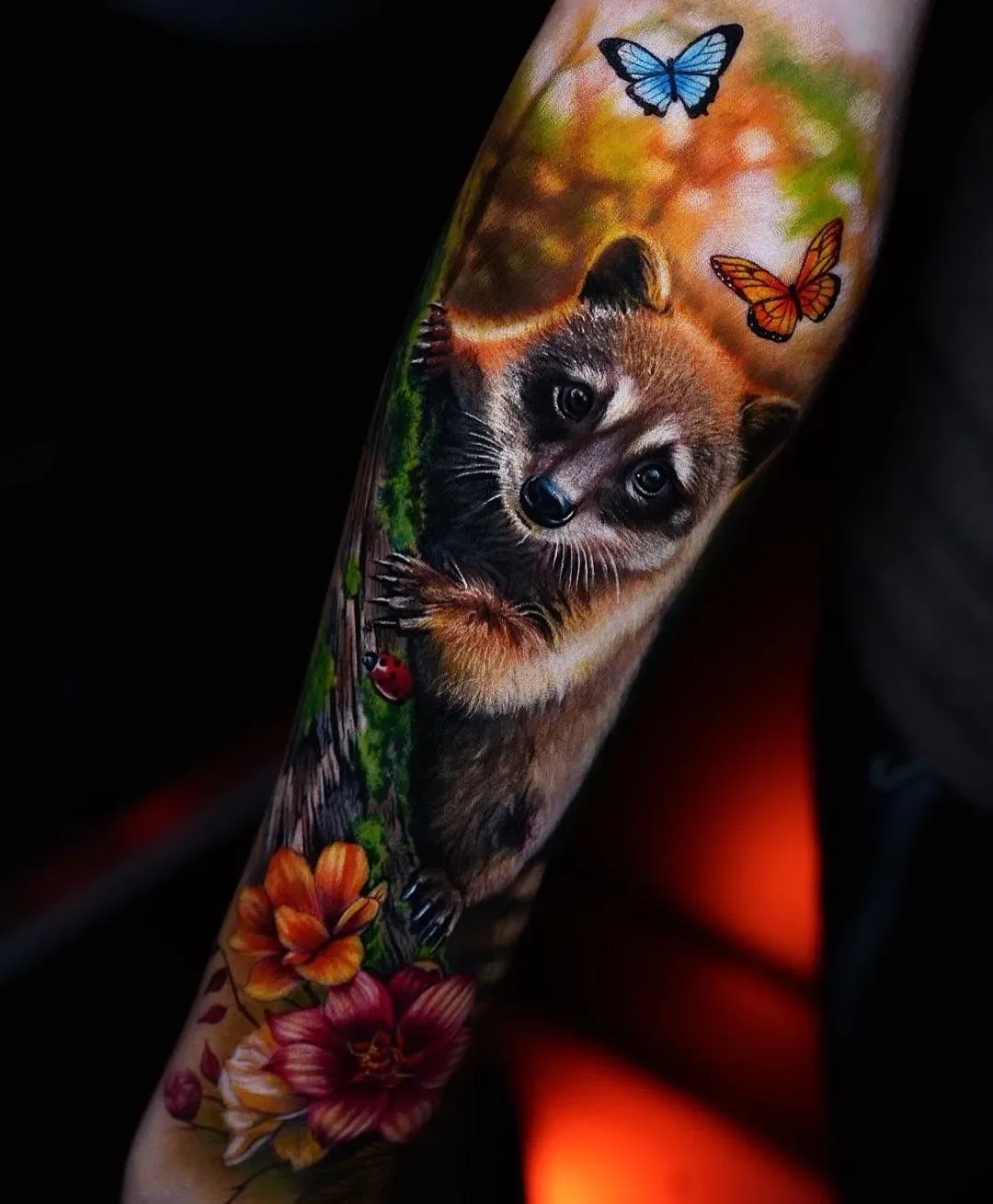
The question of what separates a good tattoo artist from a great one draws a considered answer. Execution alone isn't enough. A great artist interprets an idea, understands the body, makes both artistic and technical decisions, and transforms a reference into something that functions on skin with its own identity. And the responsibility extends forward in time: how will the piece age? Will it still be a great tattoo many years later?
That long-term thinking runs through his ethics as well. Santos is direct about copying: he doesn't reproduce other artists' work, and he believes the industry's habit of judging a tattoo by what looks impressive the moment it's finished, with no thought for longevity, is a genuine problem. Quality, originality, durability. Those are the standards he keeps returning to.
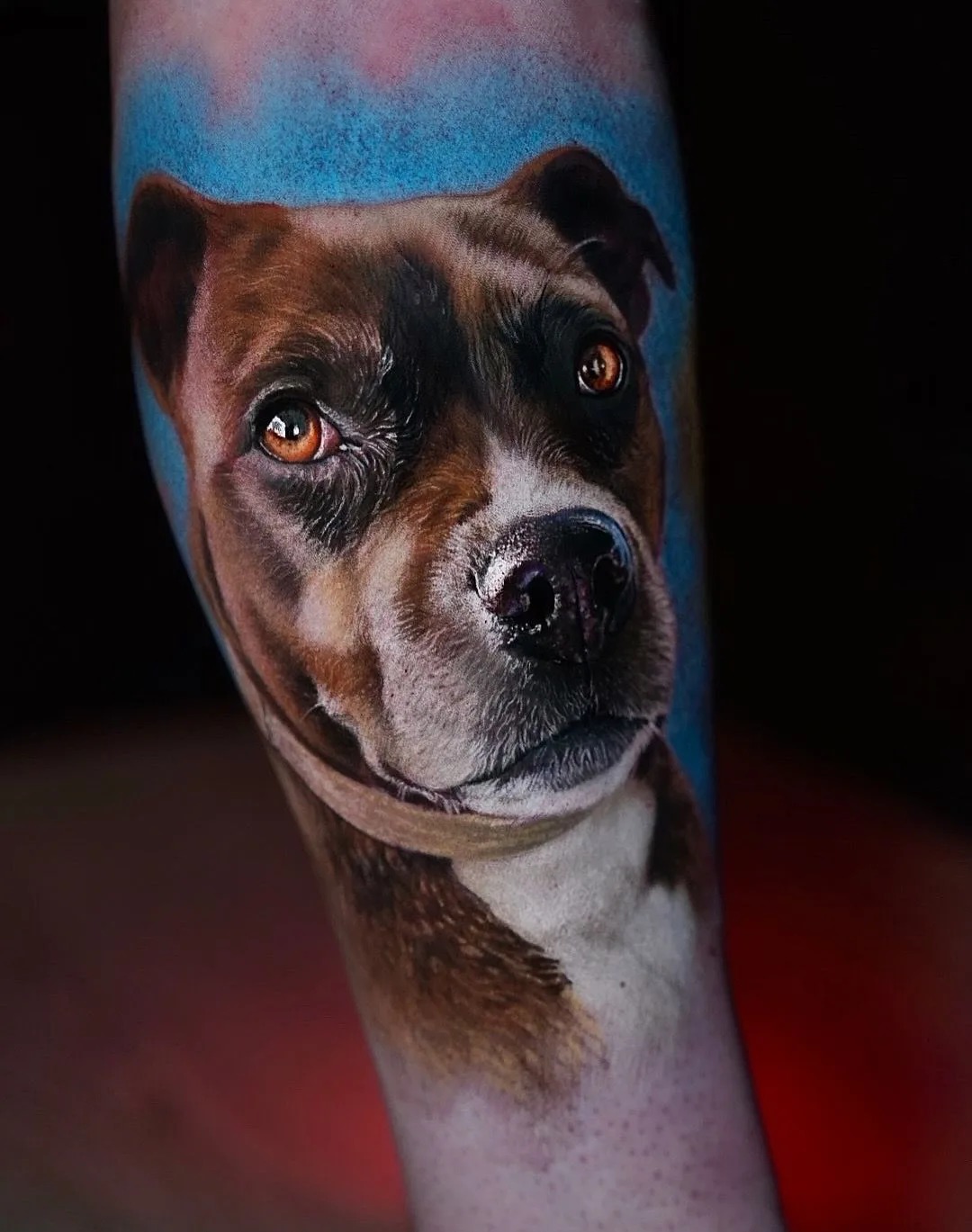
His self-criticism is, by his own description, one of the harder aspects of working at the level he's reached. The same drive that built the career keeps raising the bar. Learning to acknowledge progress while continuing to push is something he describes as ongoing work, not a solved problem, but a discipline in itself.
The principle he keeps coming back to is one he received as advice and has held onto since. Obsession beats talent. Talent matters, of course, but it's the fascination with the work, the compulsion to understand more, do better, push past current limits, that sustains real improvement over time. He still operates by it.
“A great tattoo artist understands that the responsibility doesn't end when the tattoo looks beautiful that day.”
Santos plans to collect tattoos from other artists eventually, turning his own body into a record of different artistic voices and experiences. He hasn't started yet, but the intention is deliberate. A body as a living archive of other artists' work, a relationship with the medium that sits apart from the one he currently has.
His view on tattooing's growing social acceptance is straightforwardly positive. The shift away from old stereotypes and toward recognition of tattooing as a legitimate art form is, in his reading, still in progress. He expects it to continue, and he expects tattooing's place within the broader art world to keep expanding.
The biggest trend he's observed over the past five years is the demand for personalization. Clients want work that reflects their specific stories, not images pulled from a catalog. That shift aligns with how he already works.
What he would change about the industry comes back to ethics and longevity. More focus on originality, less on immediate visual impact. More consideration of how work ages, less fixation on the moment the bandage comes off. Both areas, in his view, have room to grow.
His greatest accomplishment, he says, is overcoming the doubts, his family's early skepticism, the absence of any obvious pathway, the gap between where he started and what the work required. Proving to himself that it was possible matters more than the 80-plus trophies. By a long way.
The legacy he wants to leave is built on that same idea. A career that started without an artistic background, without any guarantee it would work out, and arrived somewhere real. He wants that story to be useful to other people starting from a similar place, facing similar doubts.
“More than any award, I am proud that I proved to myself that I was capable.”
He knows exactly what he is building toward. Global recognition as a serious name in realism. A deeper artistic language that stretches across realism and surrealism, more international work, more challenges, more ground to cover. The ambition is specific. The direction is set.
The advice he gives to artists considering the field lines up closely with how he built his own career. Don't enter it chasing money or recognition. Study hard, practice patience, and stay genuinely fascinated by what you're doing. Results take time, probably more time than you expect. If the passion is real, recognition follows the work, not the other way around.
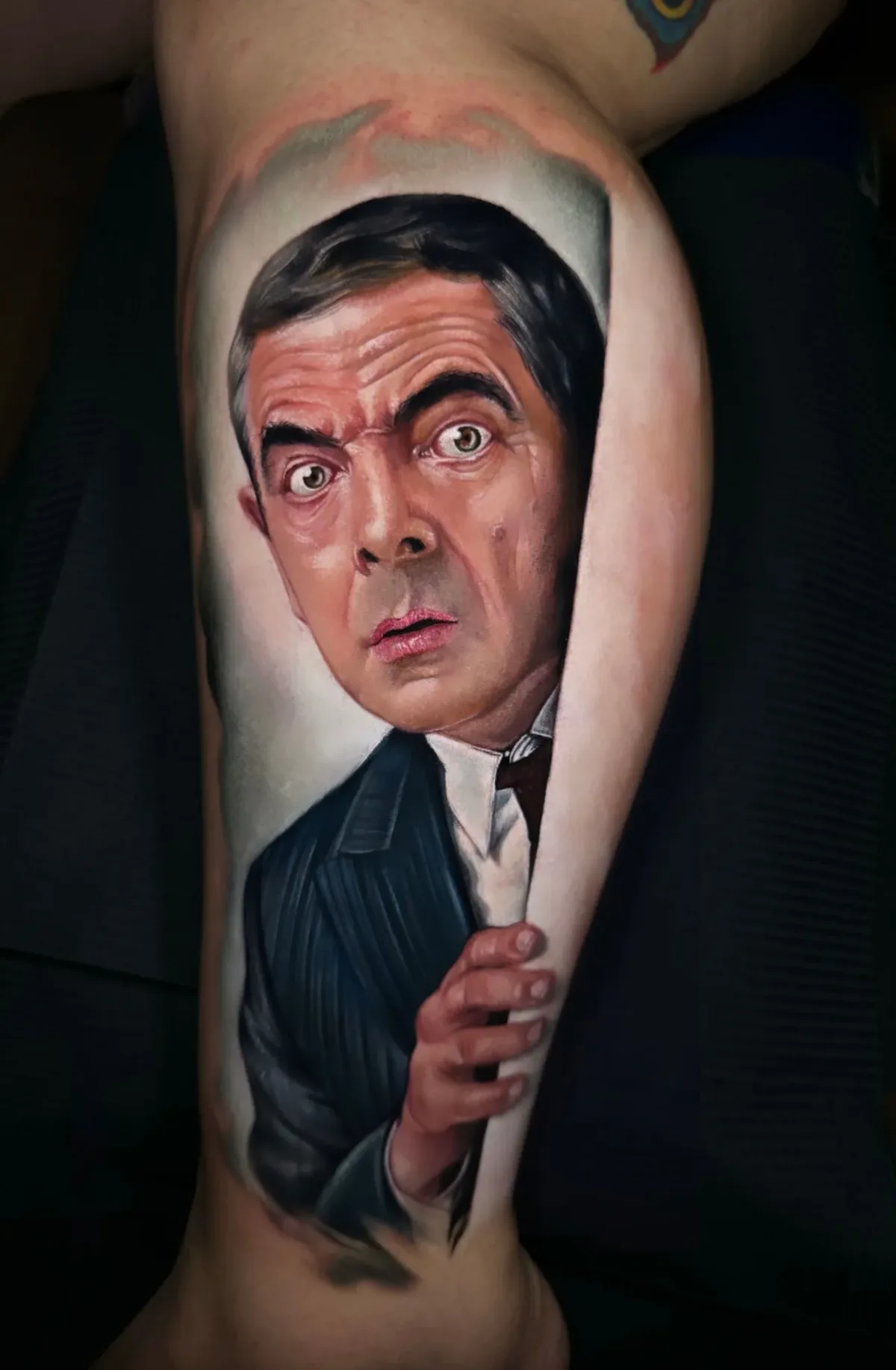
There is something worth sitting with in how Santos describes those long sessions: seven to ten hours with a single client, the same level of focus required from the first hour through the last. The physical demands are simply part of the job. What stays with him, though, is the relationship that develops across that stretch of time, the trust built, the conversation, the shared experience of making something permanent together.
That is, perhaps, the clearest window into how he thinks about this work. The technical side is essential. The artistic vision matters enormously. But what makes all of it worthwhile is the moment a client sees the finished piece and the emotion on their face tells him it has already become part of their story.
Six years on from a first tattoo done on his own leg, Itallo Santos is building exactly the career he set out to build, steadily, on his own terms, with the kind of discipline that never announces itself but shows up in the work every single time.