Pioneers Who Shaped American Tattooing
Among the famous tattoo artists in the USA, Norman “Sailor Jerry” Collins established one of the foundational visual languages of American traditional tattooing from Honolulu. After serving in the U.S. Navy and encountering Asian art during his travels, Collins combined familiar sailor imagery with the scale, color and compositional detail associated with Japanese tattooing. Ships, eagles, dragons, snakes, roses, pin-ups and scrolling banners became recurring elements of his work. His influence also extended into studio practice: he developed pigments and needle configurations, used single-use needles and adopted autoclave sterilization. His final studio stood on Smith Street in Honolulu’s Chinatown, later becoming China Sea Tattoo.
Don Ed Hardy helped connect tattooing with fine art education and sustained study of Japanese traditions. Born in 1945, Hardy earned a BFA in printmaking from the San Francisco Art Institute before choosing tattooing over a graduate position at Yale. He trained with figures including Phil Sparrow, Zeke Owen and Doc Webb, then developed a close correspondence with Sailor Jerry. That relationship led to an introduction to Horihide in 1973, after which Hardy studied and worked in Japan during the 1970s and 1980s. His knowledge of printmaking, Japanese woodblock art and large-scale tattoo composition contributed to the development of modern custom tattooing. His name later reached a much wider audience through the Ed Hardy brand.
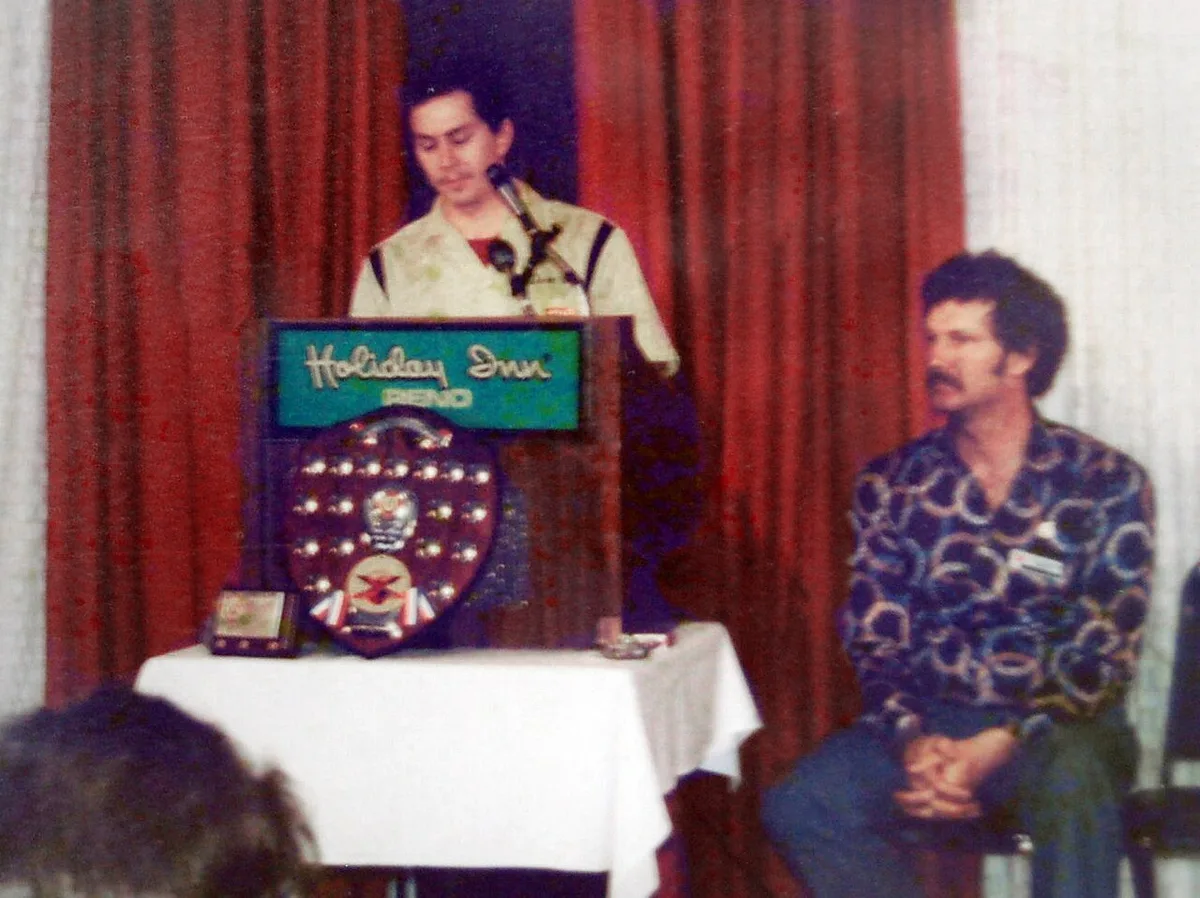
Lyle Tuttle began tattooing professionally in 1949 and opened his own San Francisco studio in 1954. His public profile grew through clients from music and film, including Janis Joplin, Cher, Peter Fonda and Paul Stanley, as well as an appearance on the cover of Rolling Stone in 1970. Tuttle worked across all seven continents and became a historian and teacher within the medium, giving convention seminars on tattoo-machine construction and maintenance. His career captured a period when tattooing was moving beyond military, carnival and subcultural settings into entertainment, fashion and an increasingly visible urban culture.
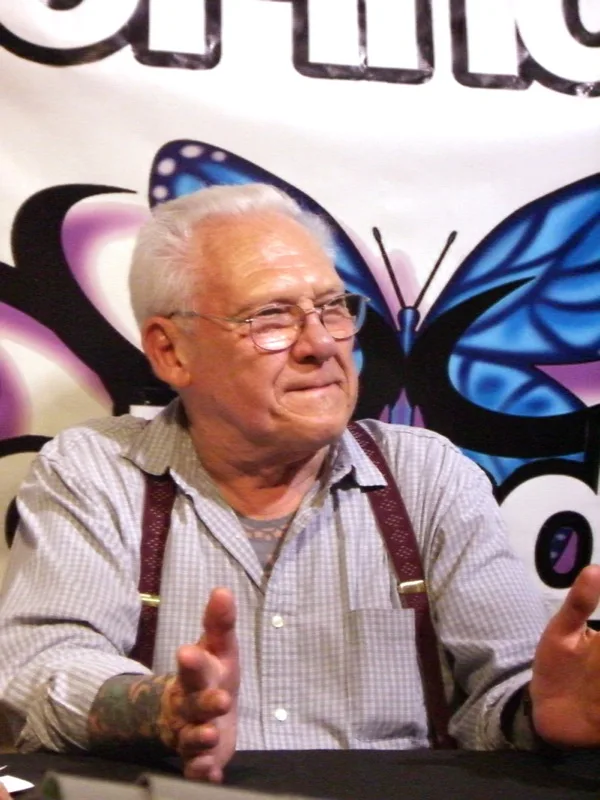
Cliff Raven was a fine arts graduate and graphic artist who became a major conduit for Japanese aesthetics in American tattooing. After early work in Chicago, he opened the studio now known as Chicago Tattoo and Piercing Company and founded Chicago Tattoo Supply. He later acquired Lyle Tuttle’s Sunset Strip studio with business partners and concentrated on large Japanese-influenced compositions in California. Raven’s Hollywood clients included Cher and Ringo Starr, while his studios and mentoring helped transmit technical knowledge to another generation. His career linked Chicago’s established tattoo scene with the expanding West Coast culture of full-body and custom work.
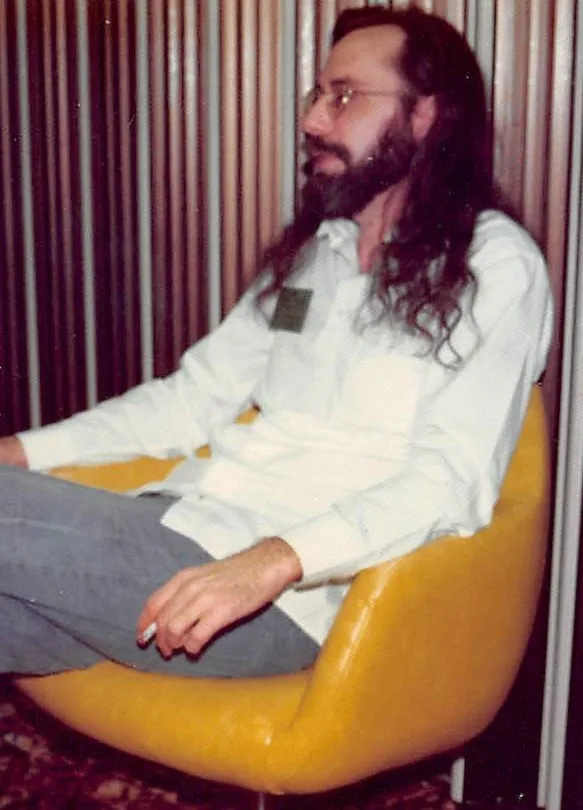
Spider Webb, born Joseph Patrick O’Sullivan in the Bronx, combined formal art education with a career rooted in New York tattooing. He received his first tattoo at fourteen in Coney Island, served in the U.S. Navy and later earned degrees from the School of Visual Arts and Instituto Allende. He opened a studio in Mount Vernon, New York, exhibited artwork and wrote two books. His 1976 public tattooing outside the Museum of Modern Art, staged to challenge New York’s tattoo ban, made him a conspicuous figure in the city’s tattoo history, while his books and exhibitions widened the cultural frame around the medium.
Artists Made Famous by Tattoo TV
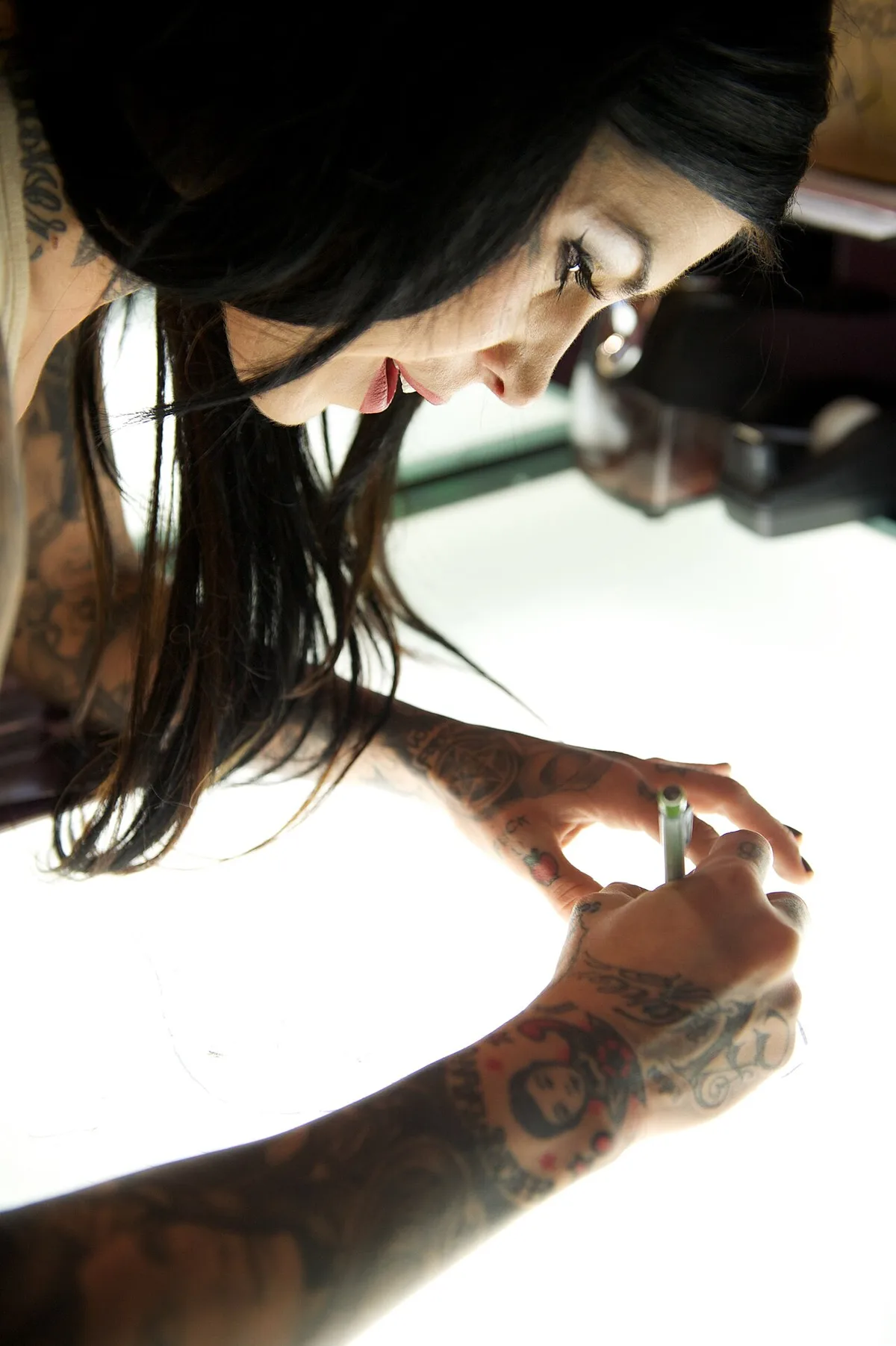
Kat Von D, professionally known from Miami Ink and LA Ink, became one of the most recognizable tattoo personalities of reality television. Born in Mexico and raised in California, she received her first tattoo at fourteen and left school at sixteen to pursue tattooing. After two seasons on Miami Ink, she led LA Ink, which followed the artists and clients at High Voltage Tattoo in Hollywood (the studio closed in 2021). The series premiered in 2007 and ran for four seasons, bringing the studio process, client stories and Von D’s portrait-oriented work into homes far beyond the existing tattoo audience.
Ami James helped define the original tattoo-reality format through Miami Ink. He began an apprenticeship at Tattoos By Lou in 1992 and later co-owned Love Hate Tattoos in Miami Beach with Chris Núñez. The studio became the setting for the TLC series, allowing audiences to watch consultations, design decisions and tattoo sessions as an ongoing workplace story. James subsequently moved the format to New York with NY Ink, which premiered in 2011, and opened Love Hate Social Club in London. His television work made him one of the tattoo artists who became popular with audiences across the USA during the genre’s expansion.
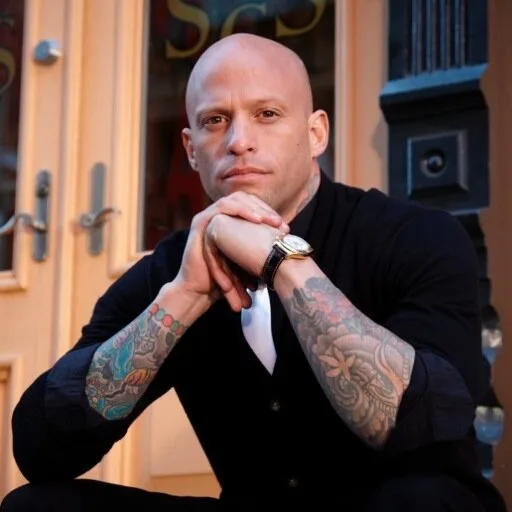
Chris Núñez entered art through graffiti in Miami before completing a local tattoo apprenticeship. He and Ami James opened Love Hate Tattoos in Miami Beach, and Núñez became a central cast member of Miami Ink. He later appeared as a judge on Ink Master, where artists worked through challenges designed to test their technical and creative abilities. This move from documentary-style studio television to a competition format gave Núñez a long-running public role as an interpreter of tattoo craft.
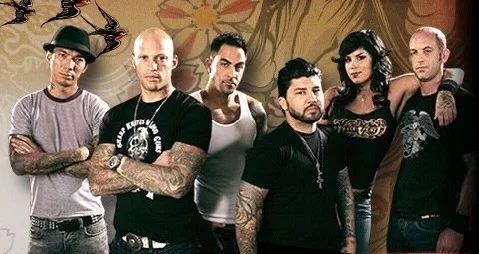
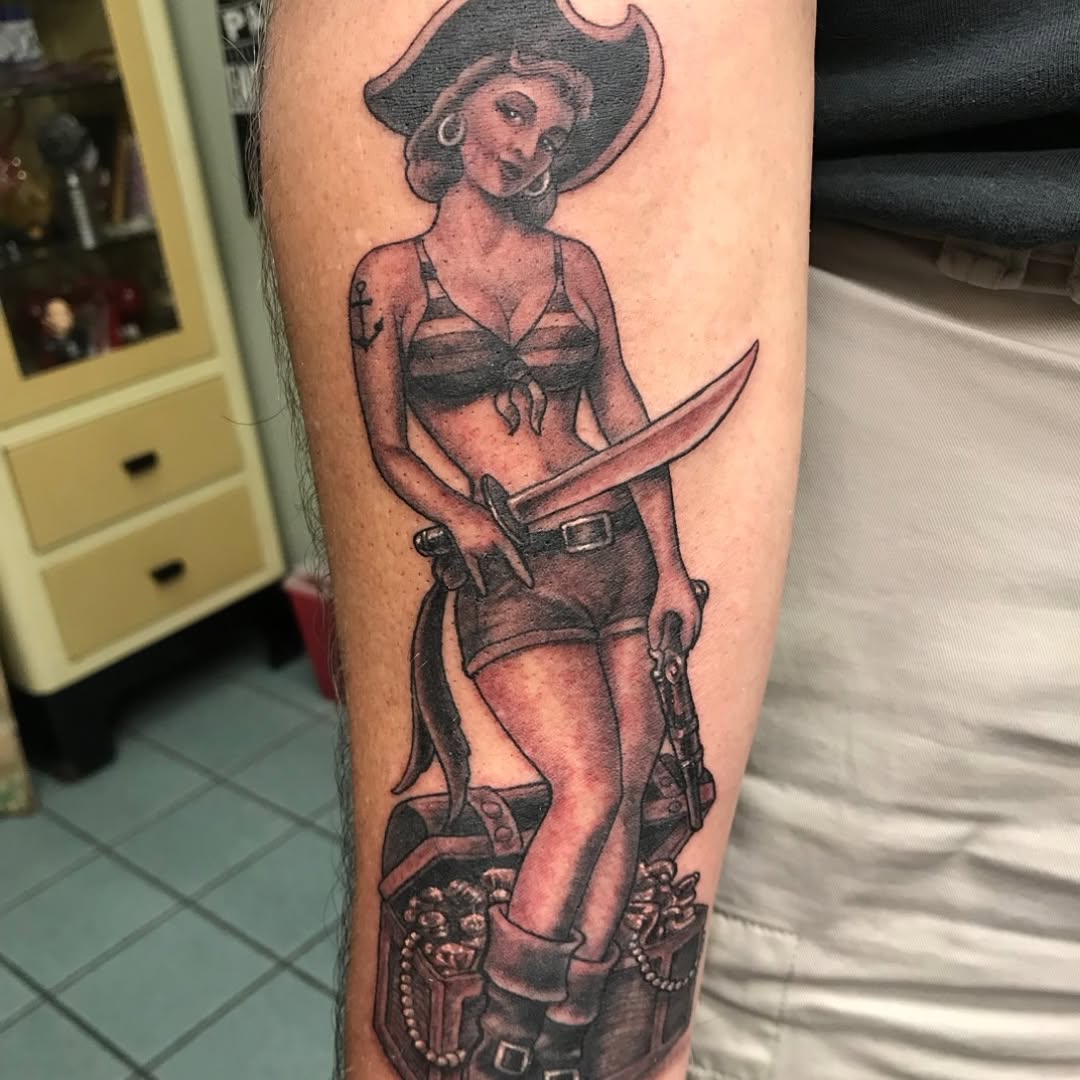
Corey Miller began tattooing at fifteen and became known nationally as part of the core cast of LA Ink. He owns Six Feet Under in Upland, California, and specializes in black-and-grey portraits and dragon imagery informed by traditional tattooing. Miller is also associated with freehand work, drawing directly onto the client’s skin rather than relying exclusively on a stencil. His documented clients include Metallica’s James Hetfield, baseball player Jason Giambi and musician Mike Portnoy. Television introduced that combination of portraiture, large compositions and direct drawing to viewers who had rarely seen the working methods behind a tattoo.
Reality television compressed weeks of consultation, drawing and healing into a single episode, so viewers saw a curated version of the process. For anyone hoping to book one of these artists today, the useful part is their documented portfolio rather than the screen persona: the styles, scale and subjects they return to again and again.
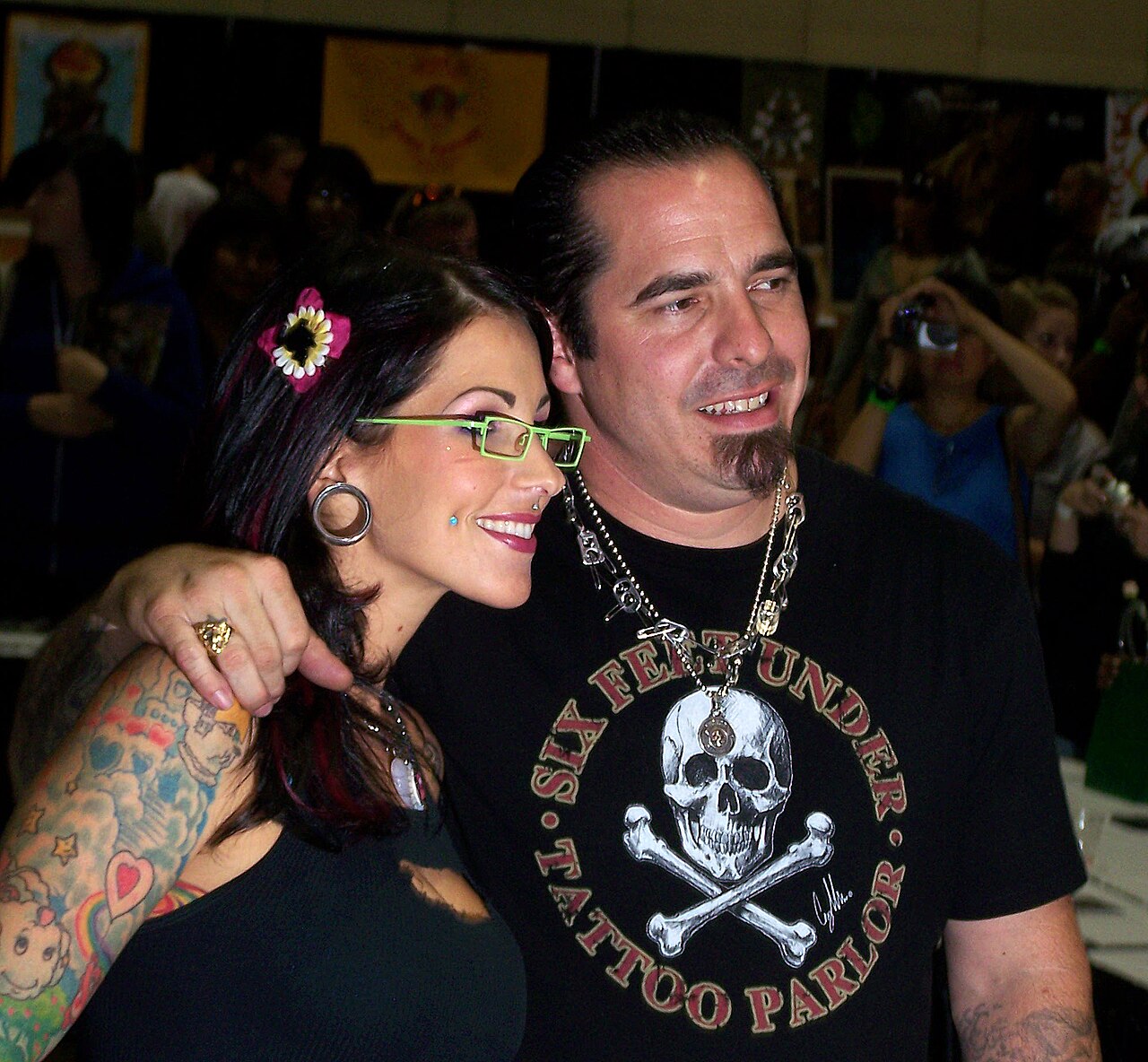
Corey Miller (right) with Pixie Acia at the 2007 Calgary Tattoo & Arts Festival. Photo: Thivierr, derivative work by ukexpat, CC BY-SA 3.0 / Wikimedia Commons
@coreymillertattoo — @coreymillertattoo
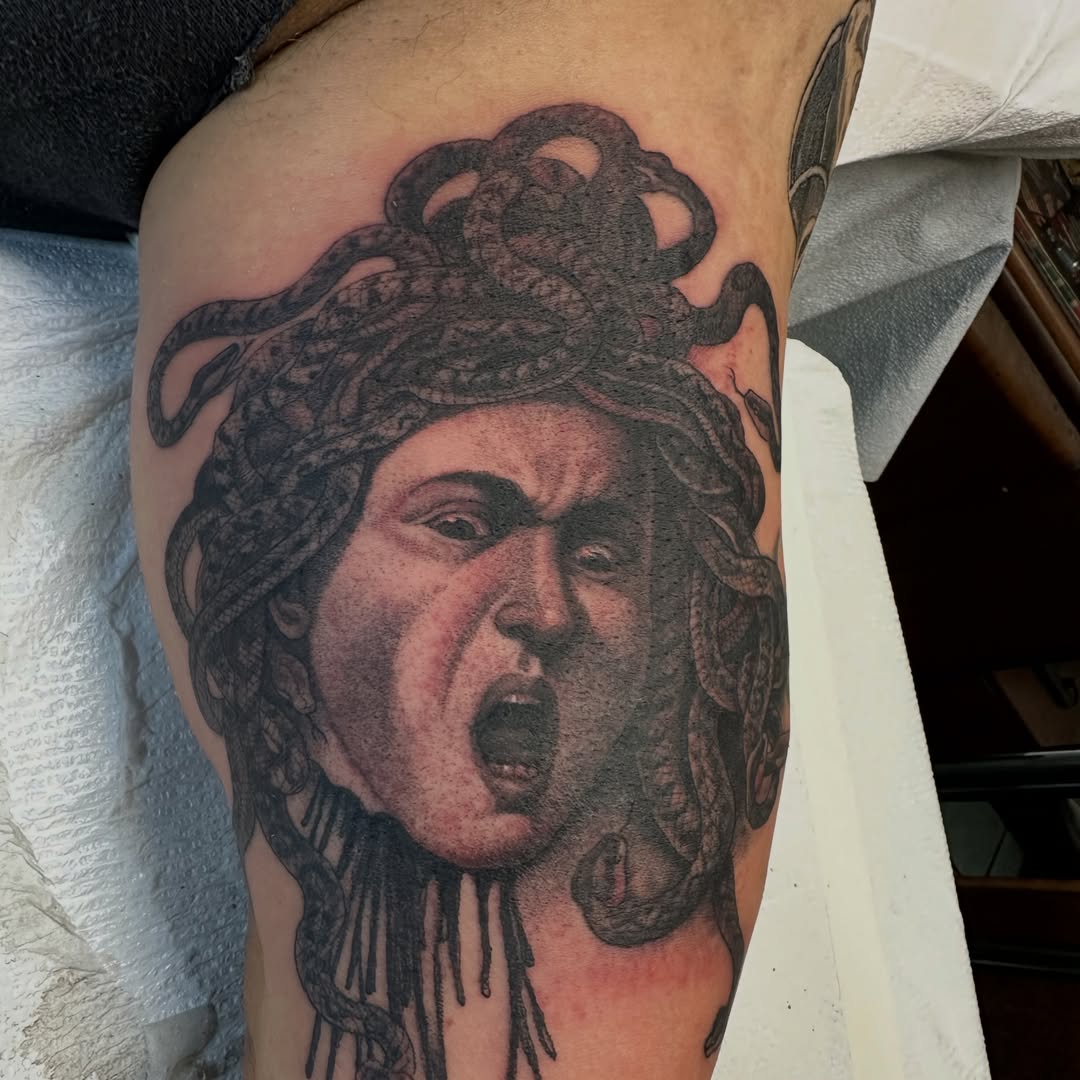
@coreymillertattoo — @coreymillertattoo
Celebrity and Fine-Line Artists in New York and Los Angeles
Keith “Bang Bang” McCurdy is a New York City artist whose public identity is closely connected with musicians, actors and athletes. After beginning to tattoo in 2004, he moved to New York and worked in downtown Manhattan studios before developing an extensive celebrity clientele. His documented clients include Rihanna, Adele, Justin Bieber, LeBron James, Katy Perry, Selena Gomez and Miley Cyrus. That visibility placed McCurdy among the era’s defining celebrity tattoo artists, while his New York practice became associated with carefully executed custom designs made for clients accustomed to intense public scrutiny.
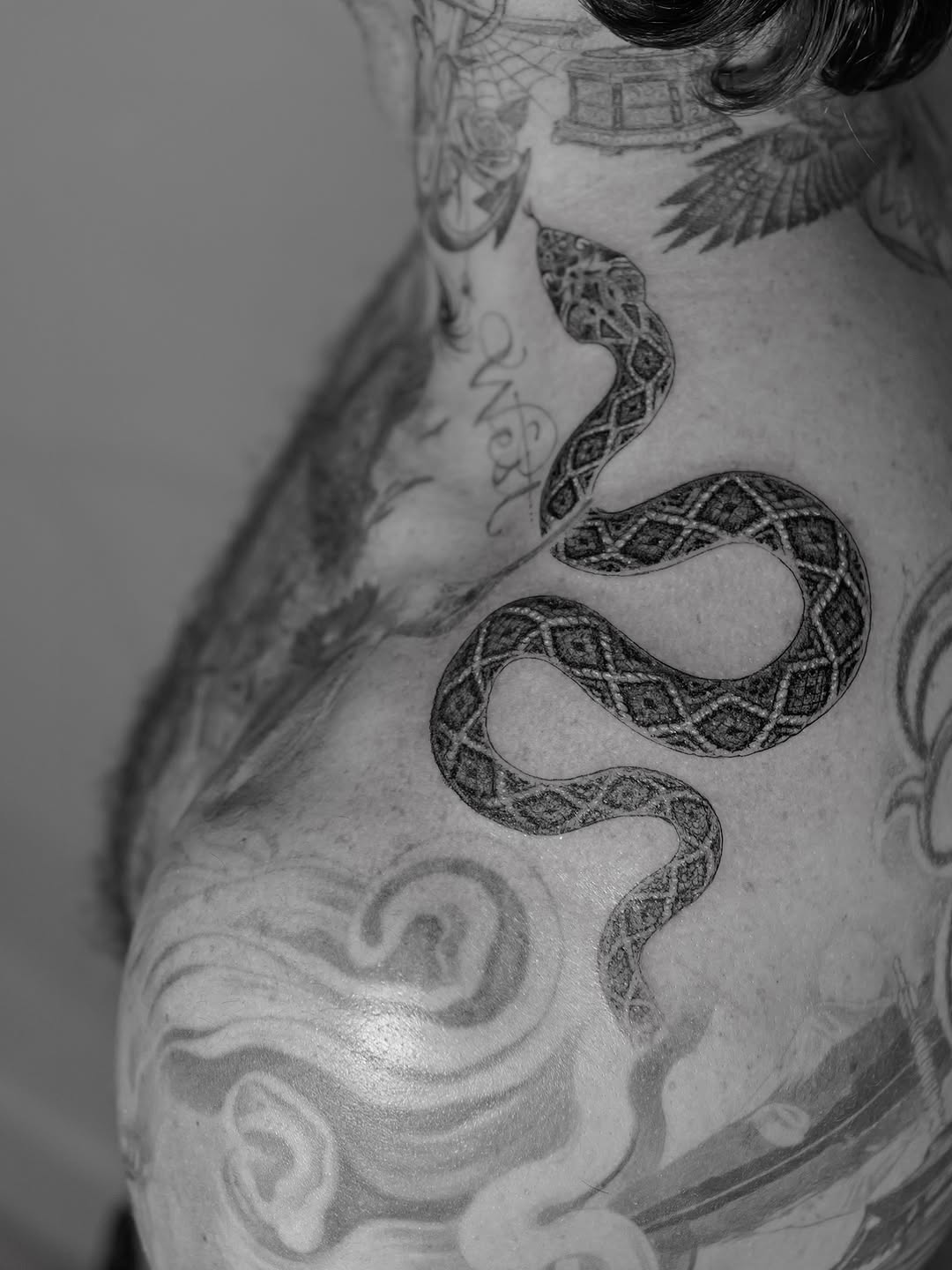
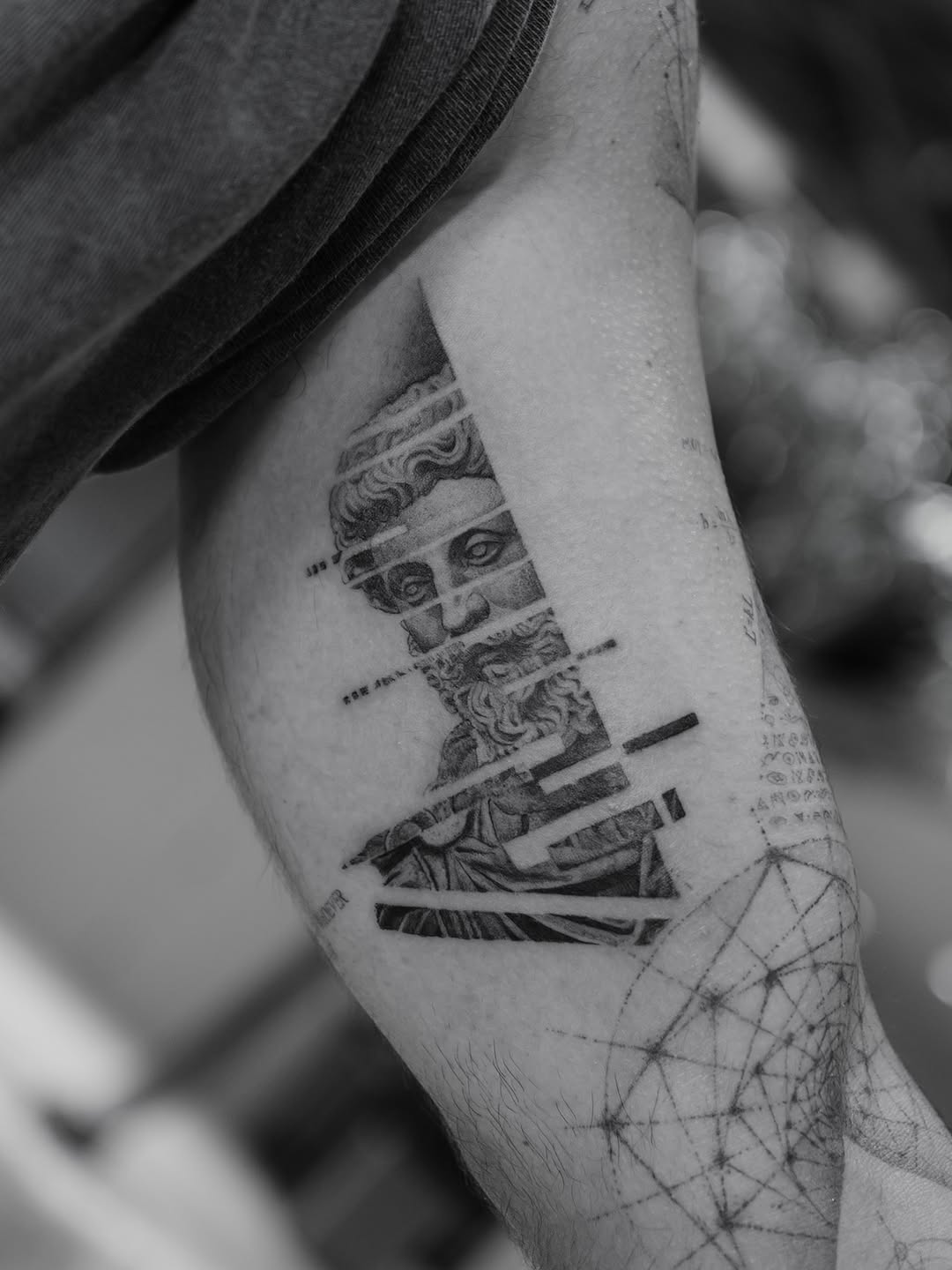
Brian Woo, known as Dr. Woo, is associated with Los Angeles fine-line tattooing, particularly single-needle black-and-grey work and micro-realistic imagery. Raised in Los Angeles, Woo began with stick-and-poke tattoos before apprenticing under Mark Mahoney and working at Shamrock Social Club. He left in 2016 to establish Hideaway at Suite X, a private Los Angeles studio. His tattoos have been worn by clients including Drake, Miley Cyrus, Cara Delevingne, Hilary Duff and Sam Smith. Woo’s precise lines, compact compositions and fashion collaborations helped make small-scale tattooing highly visible within contemporary design culture.
A famous client list says little about whether an artist suits your own idea. Fine-line work in particular depends on placement, skin and aftercare, so look for healed photos of similar designs before booking.
Realism and Black-and-Grey Names
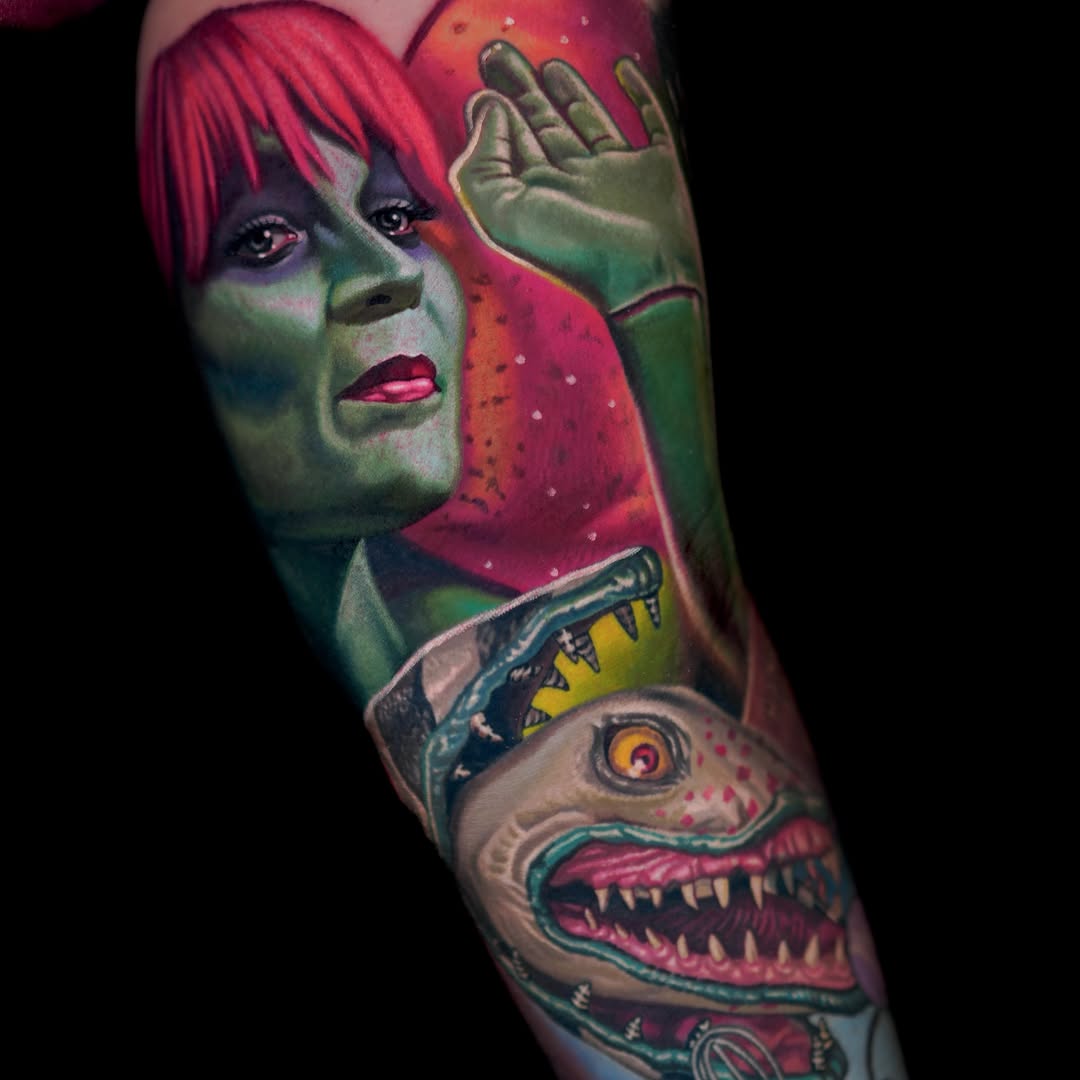
Nikko Hurtado specializes in hyper-realistic color portraiture. He began apprenticing in 2002 at Art Junkies Tattoo Studio in Hesperia, California, and received early recognition in 2003 for a color Batman portrait entered in a tattoo competition. Hurtado founded Black Anchor Collective in Hesperia in 2010 and opened Black Anchor Los Angeles in Hollywood in 2017. Alongside instructional seminars and international tattooing, appearances on LA Ink, Tattoo Wars and Ink Master brought his approach to color theory and portrait realism to a broad audience.
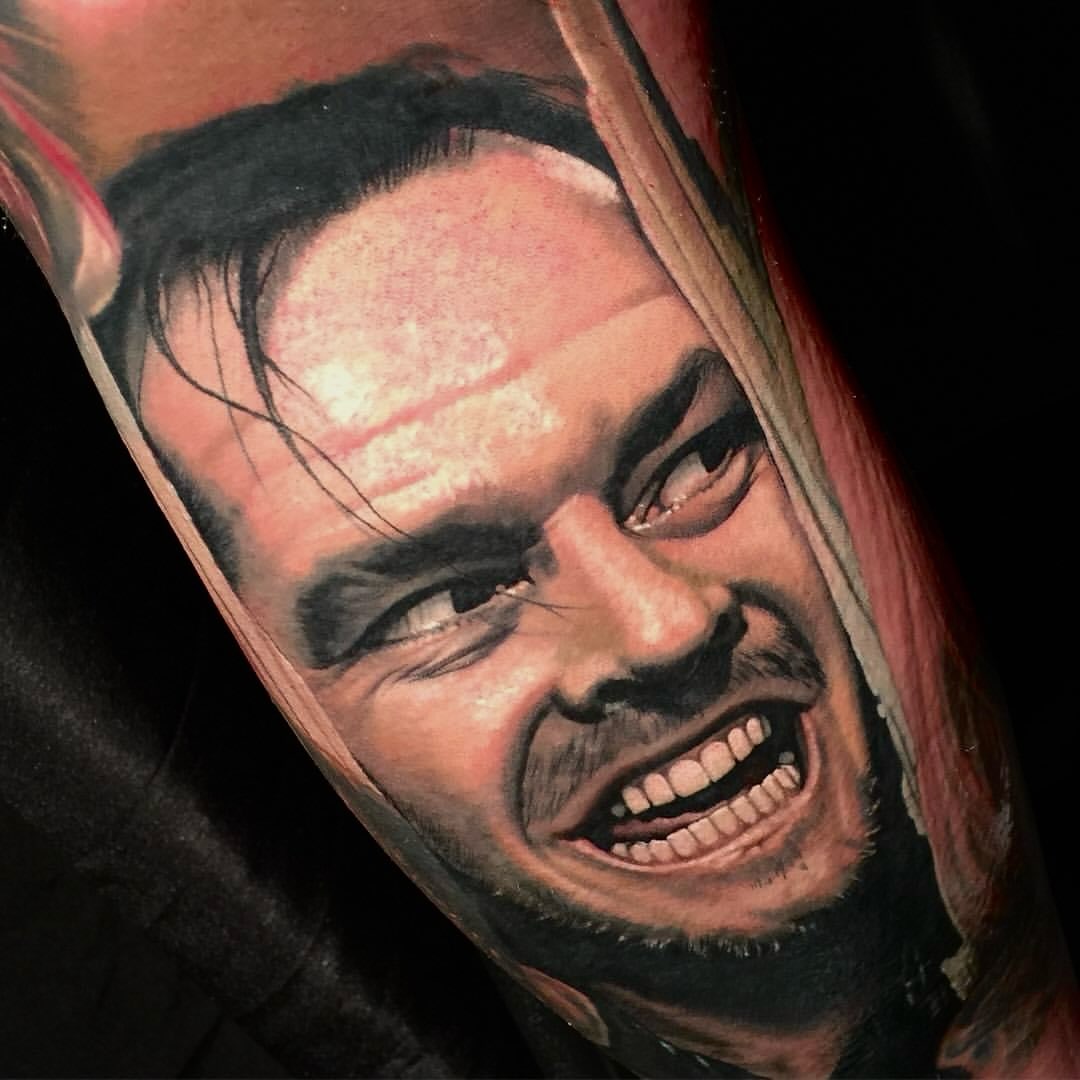
Paul Booth developed a distinct place in New York tattooing through black-and-grey dark surrealism. His imagery is closely associated with horror and the visual culture surrounding heavy music. Booth opened Last Rites Tattoo Theatre in New York City in 1996, combining a tattoo studio with an art-gallery environment; the studio closed in 2020. His clients have included members of Slipknot, Slayer, Pantera, Soulfly and other metal bands. The theatrical studio concept, celebrity clientele and extension of tattoo imagery into painting, sculpture and filmmaking made his work recognizable beyond conventional portrait realism.
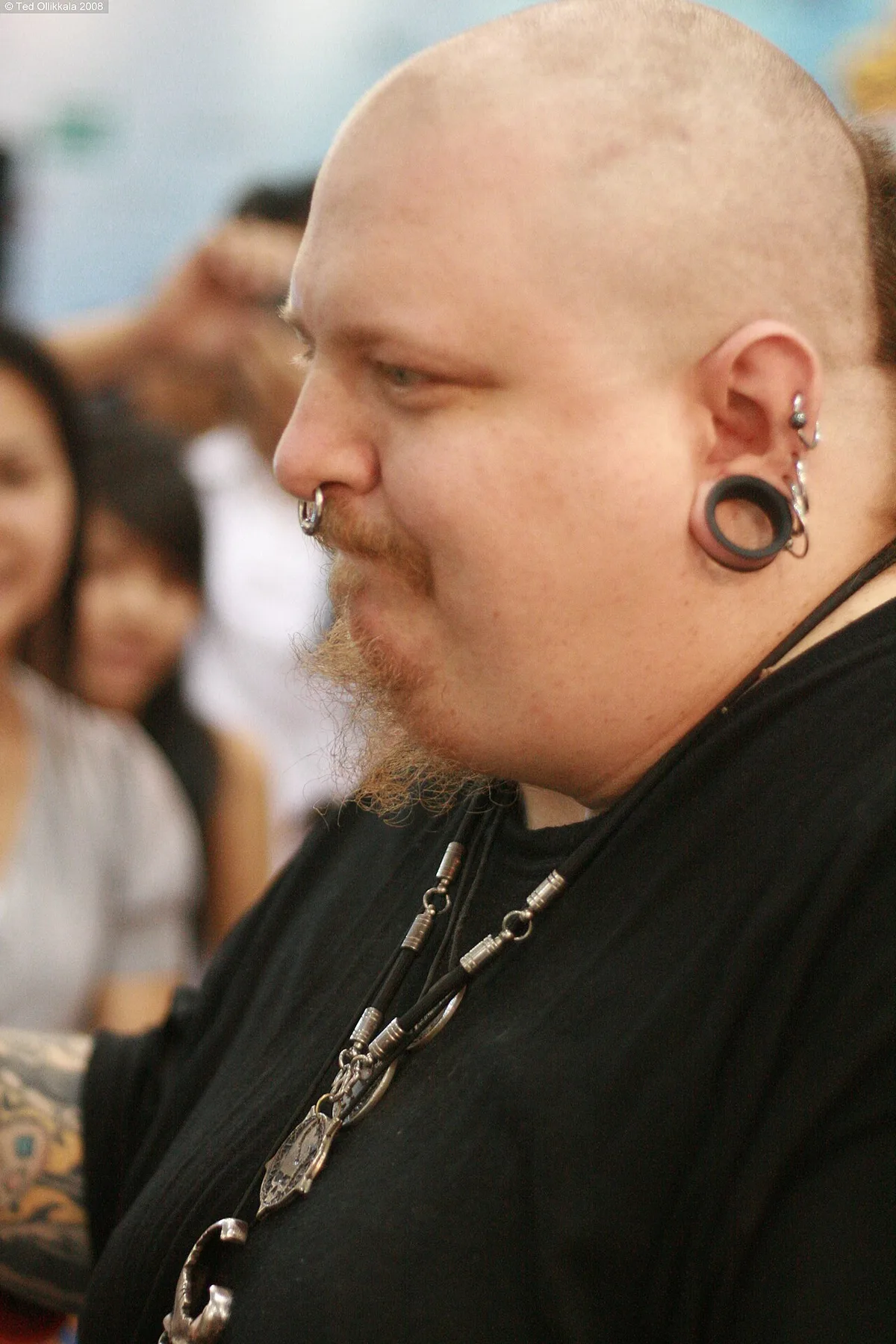
Mike Rubendall works primarily in Massapequa and New York City and is known for Japanese tattooing alongside black-and-grey religious imagery. He learned from Frank Romano at seventeen and opened Kings Avenue in 2005, later establishing a Manhattan location on the Bowery. Rubendall has appeared in Tattoo Age, Tattoo Wars and Ink Master, giving viewers access to a practice grounded in long-form custom work. His career shows how Japanese composition and black-and-grey shading can coexist within one studio identity without collapsing into a single signature formula.
Women Who Shaped American Tattooing
Kari Barba began tattooing at nineteen and moved from Minnesota to California in 1980 to pursue the profession full time. She opened Twilight Fantasy in Anaheim in 1983 and made hiring women a priority. Based in Long Beach, she became co-owner of Outer Limits Tattoo at a location that has operated as a tattoo studio since 1927 and also houses a tattoo museum. Barba is known for illustrative realism and early color realism, as well as for adopting gloves and equipment wrapping when those precautions were not yet routine across the industry.
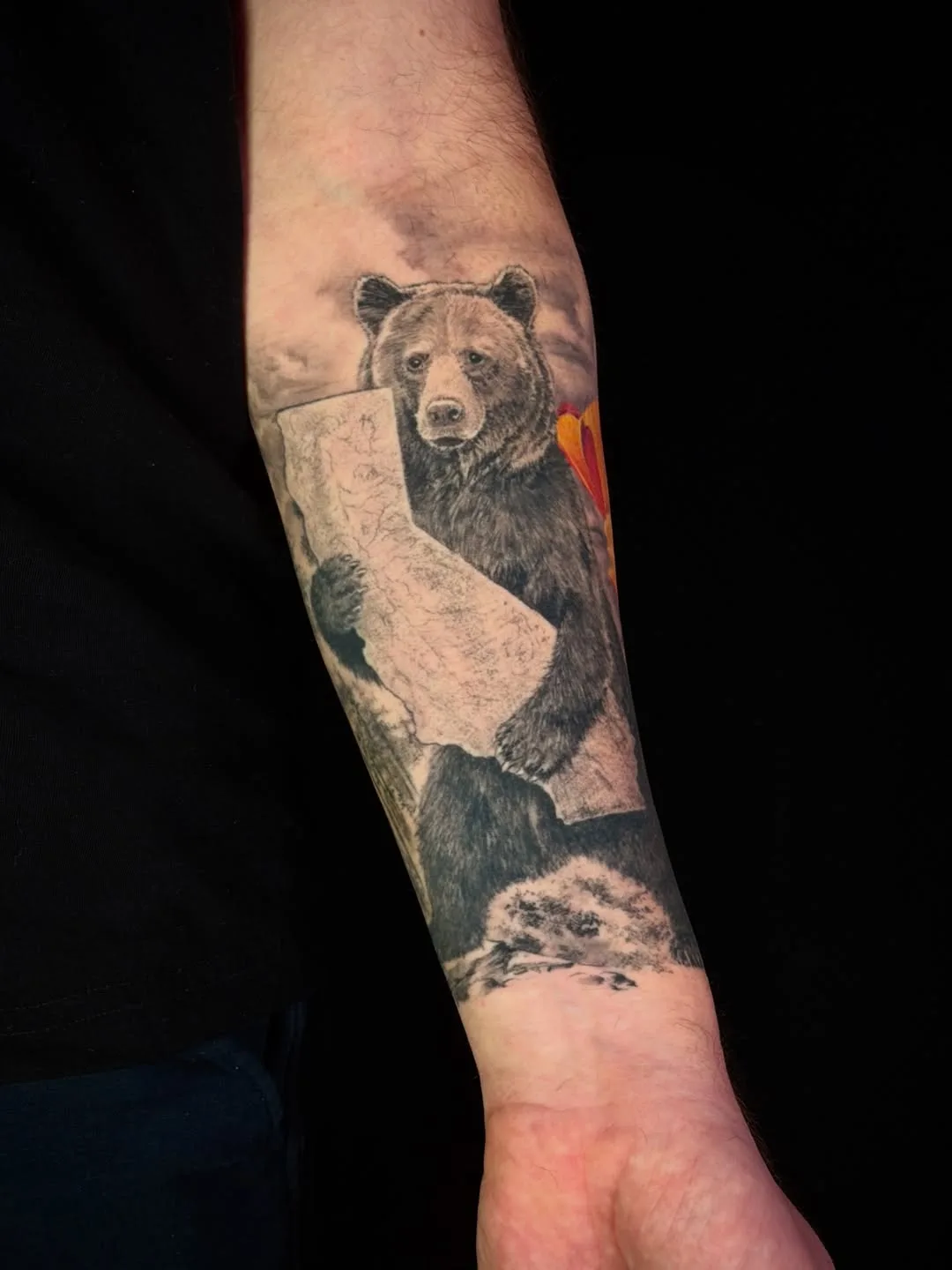
Kim Saigh entered tattooing through an apprenticeship at eighteen and moved to Chicago at twenty-one. She spent thirteen years working there and opened Cherry Bomb Tattoo before relocating to Los Angeles for LA Ink. In 2009, Saigh and Shawn Barber opened Memoir Tattoo in Los Angeles. Her visual references include Art Nouveau, religious imagery, fairy tales and Eastern art, sources that support decorative, figurative and illustrative compositions. Her television work made that art-driven approach visible while her careers in Chicago and Los Angeles connected two major American tattoo cities.
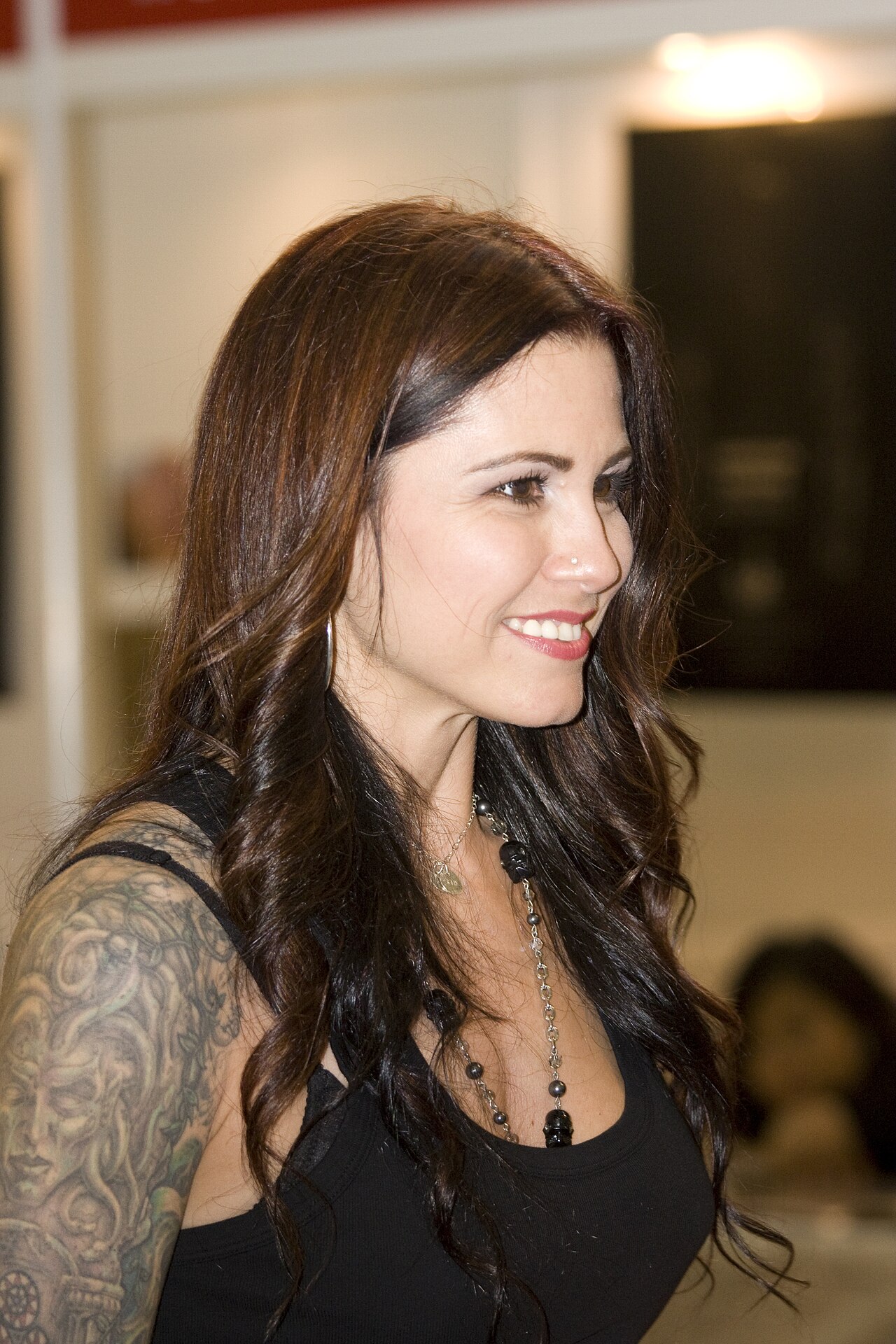
Kim Saigh. Photo: Kit_Photos, CC BY-SA 2.0 / Wikimedia Commons
@kimsaigh — @kimsaigh
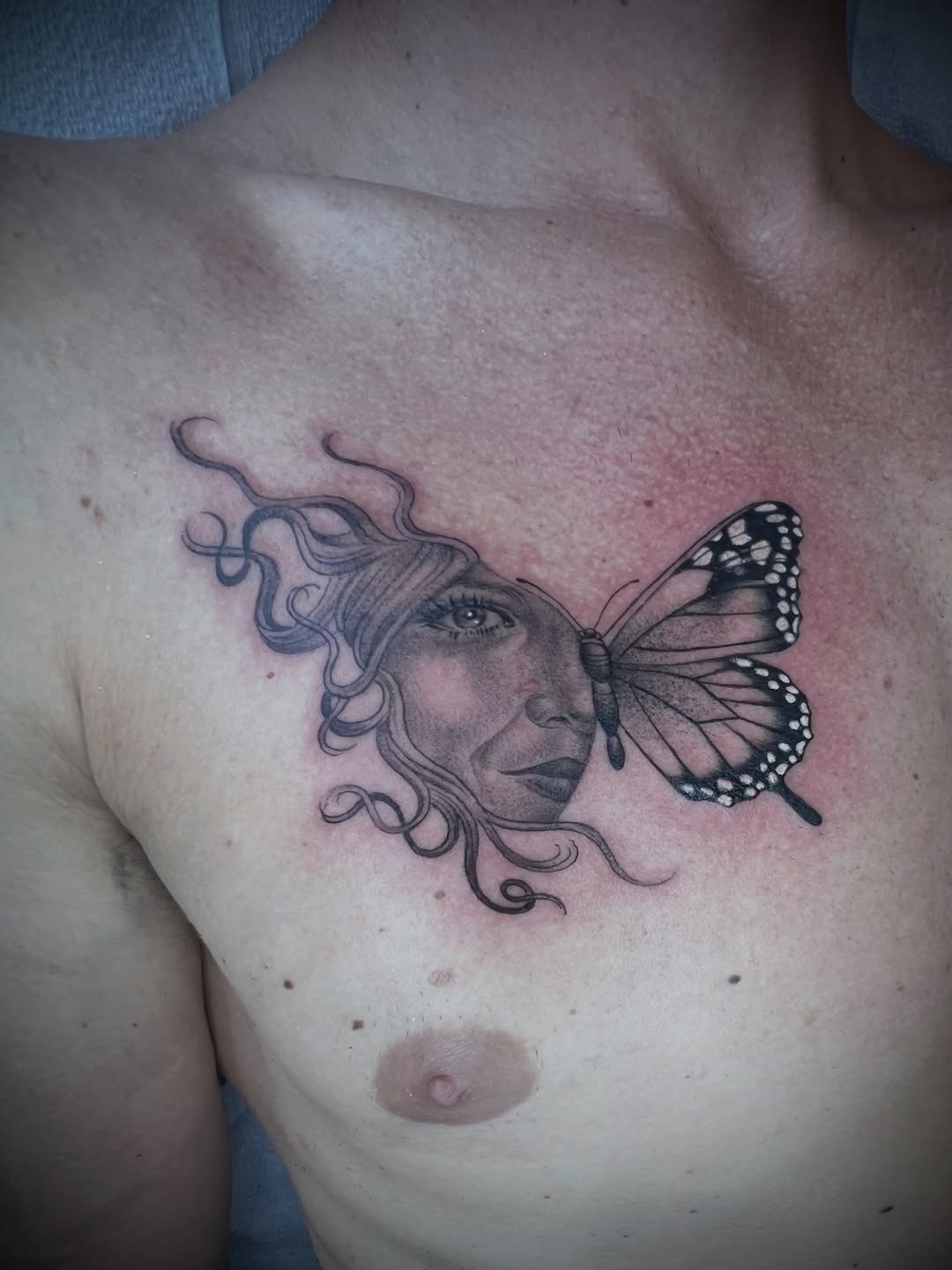
Amy Nicoletto completed a two-year apprenticeship and began tattooing professionally in New Jersey in 2005. She moved to Los Angeles in 2008 and worked at American Electric Tattoo, where she was approached about joining LA Ink. Nicoletto appeared during the show’s third and fourth seasons, including periods at High Voltage Tattoo and American Electric. Her preferred work encompasses black-and-grey portraits, Japanese-influenced designs, lettering and color. After guest spots and conventions around the United States, she returned to South Jersey and opened Order of the Sacred Crow in 2017.
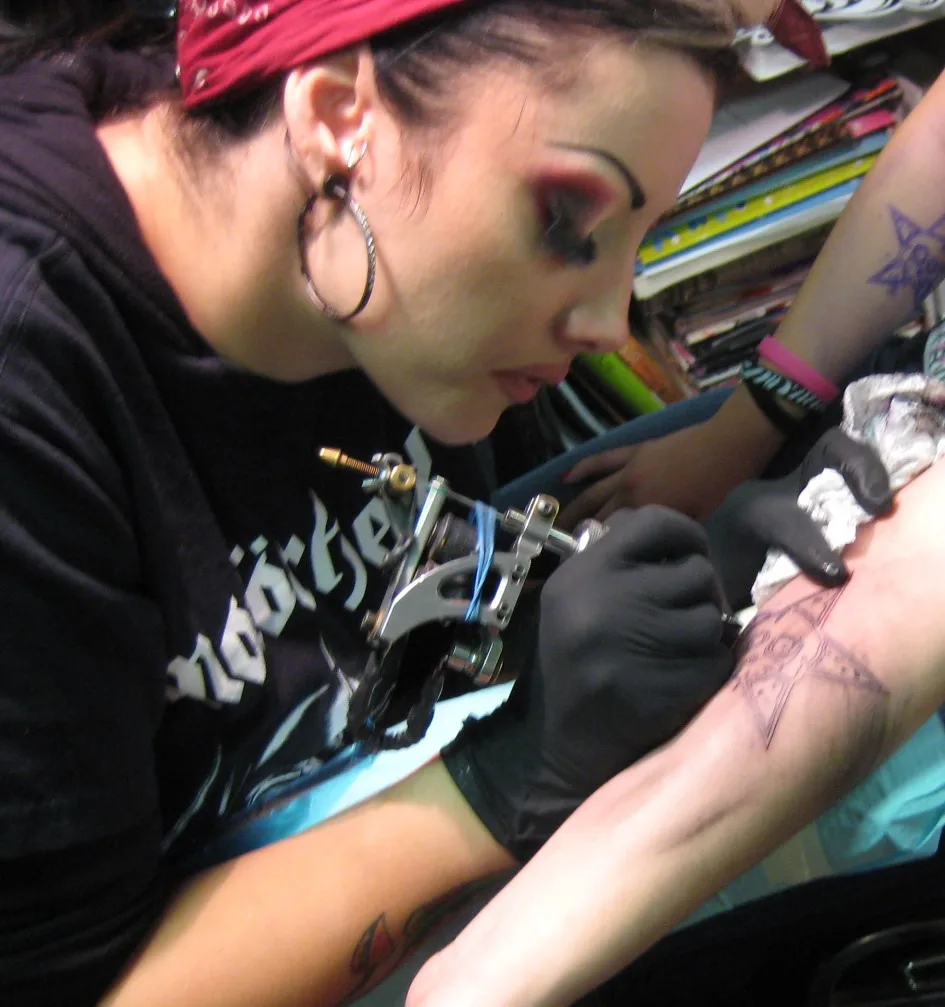
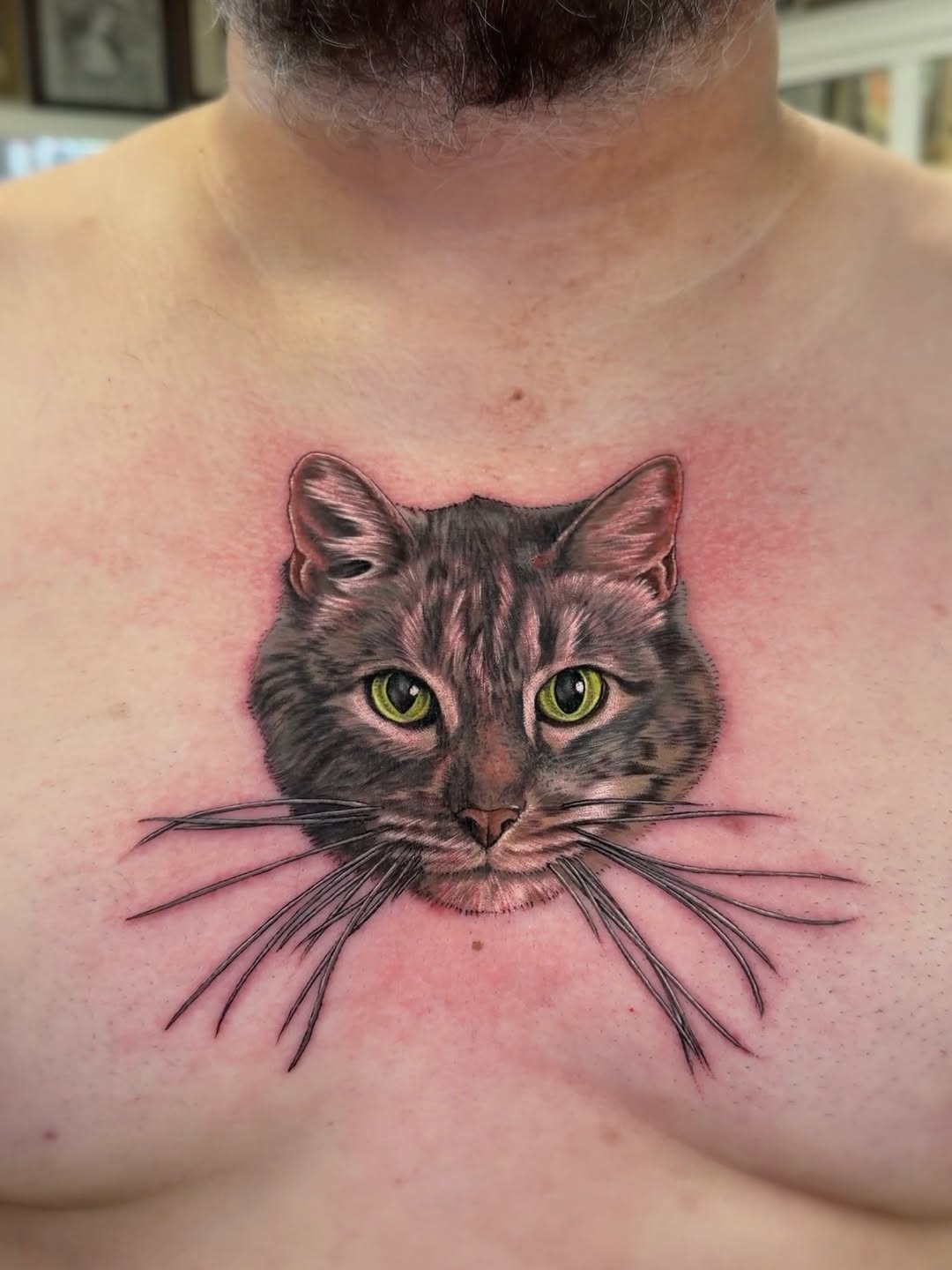
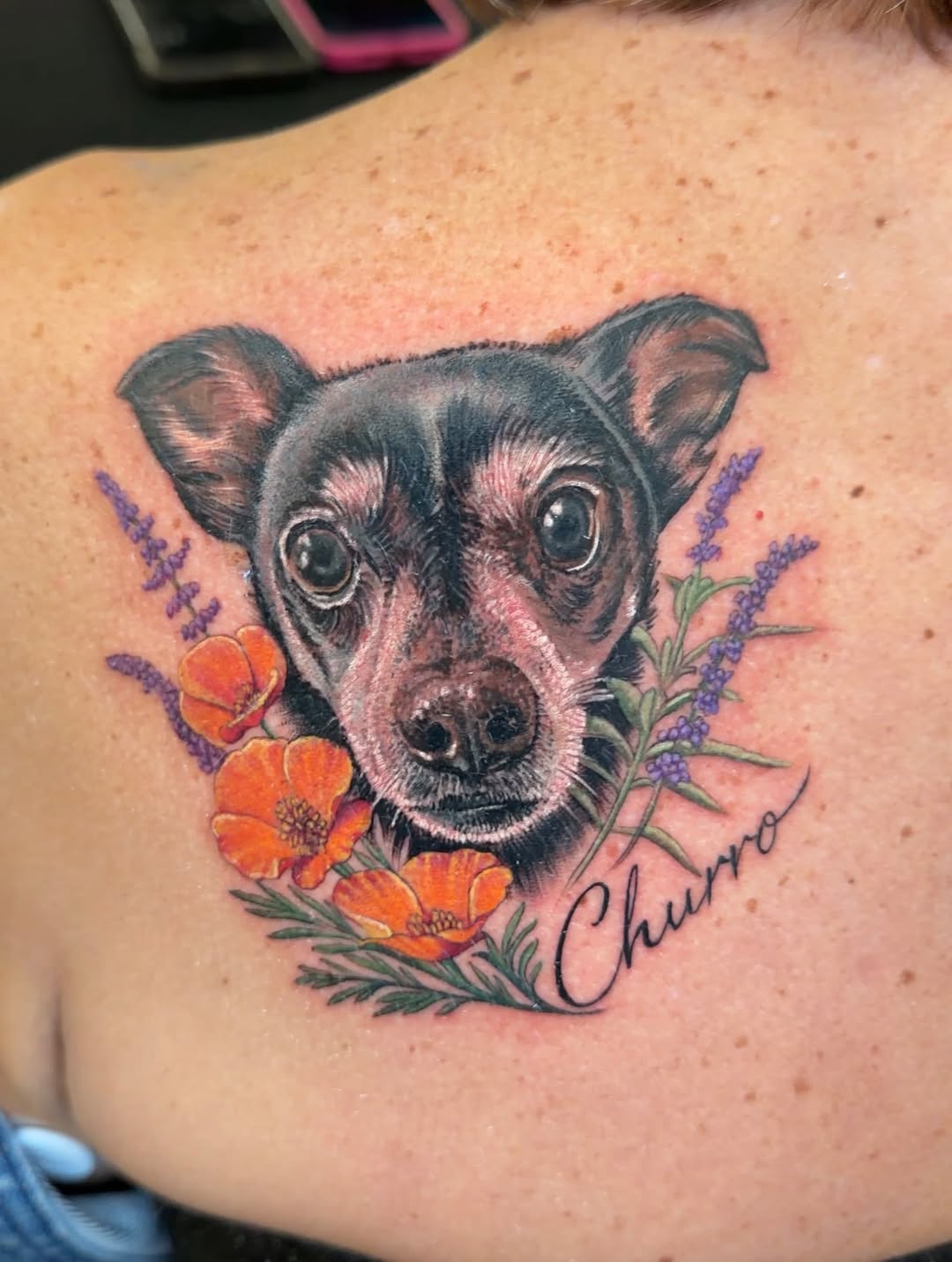
Megan Massacre, born Megan Woznicki, started tattooing at eighteen and moved among studios to build experience across different styles. Her work first attracted wider attention through a local magazine cover, followed by an invitation to join NY Ink in 2010. She subsequently appeared on America’s Worst Tattoos and Bondi Ink Tattoo. In 2014, she opened Grit n Glory in New York City, and her documented clients include Zayn Malik. Massacre’s path from working artist to television personality and studio owner reflects how women became increasingly visible as authors of contemporary tattoo culture.
How to Find a Tattoo Artist Near You in the USA
Familiar names can provide references for composition, color, line weight or studio culture, but choosing an artist begins with the work you actually want to wear. Explore tattoo artists across the United States, then narrow the search by location through directories for New York City, Los Angeles, Miami and Chicago. Broader regional pages for California, Texas and Florida can help when travel is possible. Compare healed work, confirm that the portfolio matches your intended scale and subject, and ask the studio about consultations, deposits, preparation and aftercare before committing.
When you contact an artist, include reference images, the placement and an approximate size. Artists with long waiting lists often open their books only on set dates, so following their announcements can matter as much as the first message.
FAQ
Who are some of the most famous tattoo artists in the United States?
The list spans historical figures such as Sailor Jerry, Ed Hardy and Lyle Tuttle; television personalities including Kat Von D, Ami James and Chris Núñez; and contemporary specialists such as Dr. Woo, Bang Bang and Nikko Hurtado. Their recognition comes from different sources, including influential designs, studio ownership, publishing, celebrity clients and television.
Which American cities are strongly associated with tattoo culture?
New York, Los Angeles, San Francisco, Honolulu, Miami and Chicago all appear prominently in the careers covered here. Each city developed its own mixture of historic studios, local visual traditions, media exposure and connections with music, fashion or entertainment.
How should I choose between fine-line, realism and traditional tattooing?
Start with the visual result rather than an artist’s fame. Fine-line work emphasizes delicate marks and compact detail, realism depends on convincing light, texture and proportion, while American traditional tattooing uses bold outlines and highly legible imagery. Review healed examples in the scale and placement you are considering.
Does a famous artist always have a long waiting list?
Availability varies by artist and studio. Public recognition can increase demand, but booking systems, travel schedules, project preferences and guest appearances also affect access. Contact the official studio, describe the idea clearly and follow its submission process rather than relying on unofficial accounts.