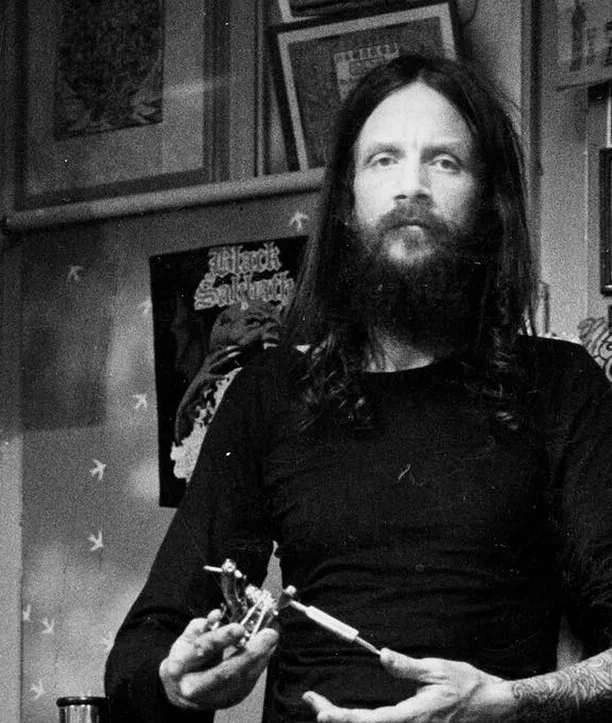
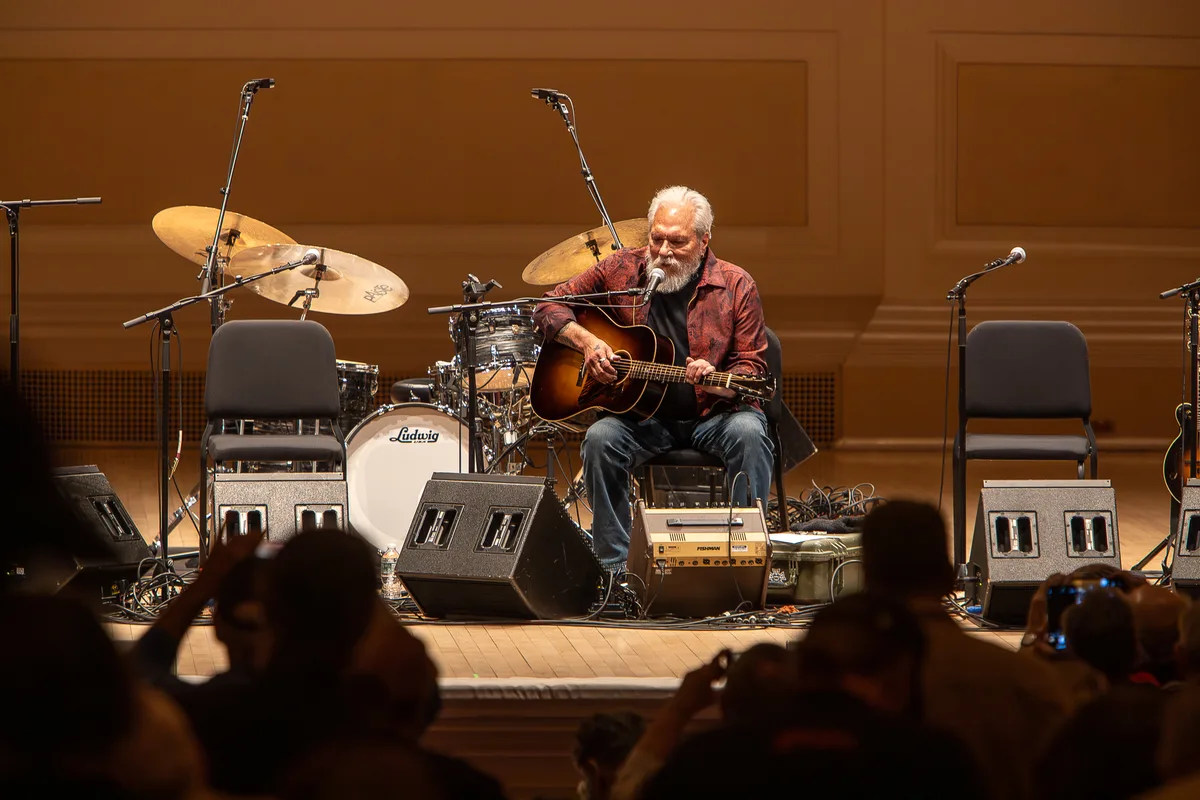
At 85, Jorma Kaukonen remains one of those rare musicians whose life already belongs to American music history. A Rock & Roll Hall of Fame inductee with Jefferson Airplane, a GRAMMY Lifetime Achievement Award recipient as part of the same legendary band, a founding force behind Hot Tuna, and a guitarist named by Rolling Stone among the “100 Greatest Guitarists,” Kaukonen has lived through several musical eras and helped shape the sound of more than one of them.
His story began long before Jefferson Airplane became one of the defining names of the San Francisco scene in the 1960s. His music has always carried something wider than rock alone: blues, folk, acoustic tradition, improvisation, calm inner force, and the feeling of a story being told in real time.
The recent release of Wabash Avenue brought listeners back to early live recordings from 1965, before Jefferson Airplane changed the direction of his life. His 85th birthday also became the occasion for a run of performances with friends and collaborators, including Steve Earle, Susan Tedeschi, Derek Trucks, Justin Guip, and others.
But there is another layer to Jorma Kaukonen’s life: tattoos.
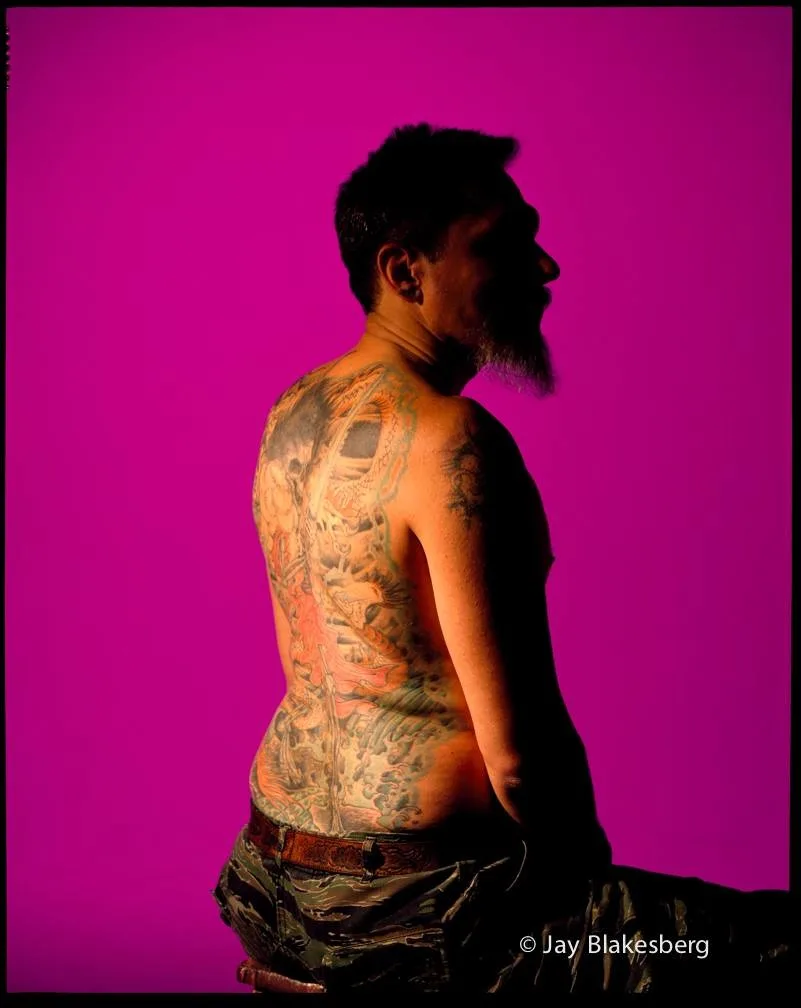
They have been with him for more than half a century, and together they form a private map of tattoo history, friendship, and memory. Across that time, Kaukonen’s body has carried Lyle Tuttle’s Mayan stamp and eagle, Pat Martynuik’s roses, Ed Hardy’s serpent and rare full back piece, Bob Roberts’ horned demon, and work from Athens-based Eric Pierce, who also gave his daughter Izze her first tattoo.
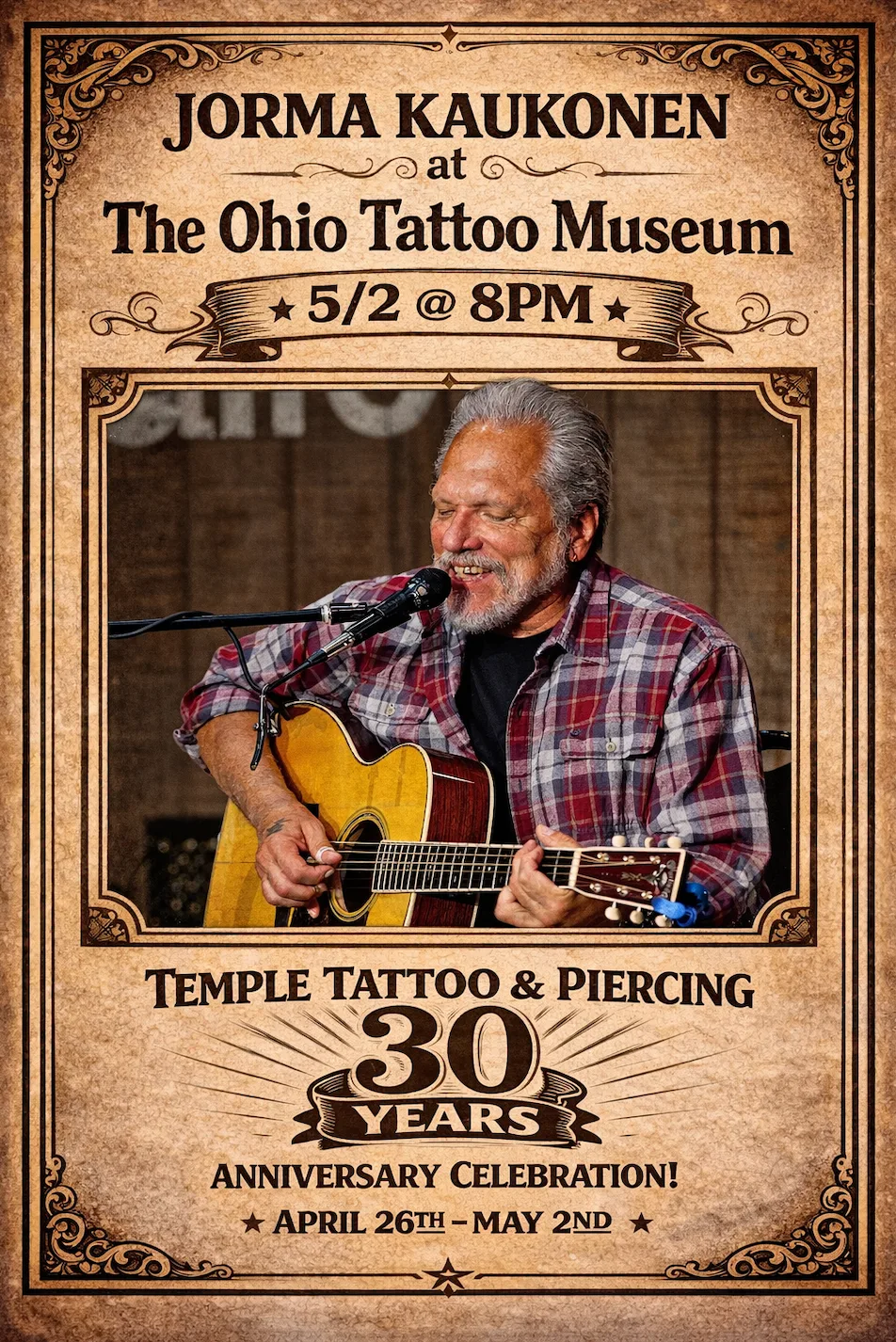
His connection to tattooing has never been limited to the images themselves. It runs through the people around them: artists, shops, conventions, old San Francisco tattoo rooms, and the Ohio tattoo community. His bond with Rich Thomas and the Ohio Tattoo Museum became deep enough that Kaukonen performed at the museum’s 30th anniversary celebration.
Many of these tattoos were made decades ago and now read as part of a long personal history rather than fresh studio work. Their lines, colors, and surfaces have changed with time, but that change is part of their meaning. These are tattoos that have lived with a person for decades.
“I’m not sure I would use the word ‘archive,’” he tells iNKPPL. “Tattoos are living entities.”
A Community Written in Ink
In one of his own posts, Kaukonen once wrote: “You start getting tattoos and you inherit a bunch of new friends whether you like it or not.” That feeling still defines the way he speaks about tattooing today.
“Getting a tattoo is like getting a Harley,” he says. “You have a whole new community of friends whether you were looking for them or not. The tattoo community is like a club where you have no membership requirements other than a tattoo. It doesn’t have to be large, doesn’t have to be colorful, it can be either professional or amateur work… It just has to be.”
For Kaukonen, tattooing became more than an image on skin. It became a sign of recognition and a way of entering a space where people from completely different worlds could understand something about one another. “The tattoo world transcends social, cultural, ethnic, and even religious boundaries,” he says. “It is its own dimension.”
His own entry into that world began in San Francisco in the late 1960s, at Lyle Tuttle’s tattoo shop on 7th Street, near the bus station. The place had attracted him years before he ever walked in as a client. He remembers “something inviting about that long narrow staircase.”
One morning, he and his former wife Margareta went there together and got tattooed. His first design came from a book of Pre-Columbian art: a stamp once used to imprint pottery. The second was an eagle’s head from the same book, placed on his left arm.
There was no long symbolic search behind it. Kaukonen simply liked tattoos, while the traditional flash on Tuttle’s walls did not speak to him in the same way. “It could be all or none of these things,” he says of the meaning people look for in tattoos. “I just liked tattoos.”
There is a very Kaukonen kind of simplicity in that. Sometimes a tattoo does not start with a grand idea. It starts with a place, with people, with the strange feeling that something important is happening behind a door. For Kaukonen, tattoo shops also offered something outside the music business. “The people were diverse and more than interesting,” he says, “and I could talk about things other than music.”
Old Tattoos as Living History
Kaukonen does not describe his tattoos as an archive. He calls them “living entities,” and that phrase changes the way his old ink should be seen.
“Getting a tattoo is not like collecting art in the traditional sense,” he says. “It’s like getting a new family member and more. It’s like having a piece of art in a gallery where you are the gallery.”
These tattoos have moved through time with him — through music, travel, friendship, family, and the natural changes of the body itself. In archival photographs, later portraits, and the images shown here today, they appear as marks that continue to live with the person who carries them.

Jorma Kaukonen, realistic skull with rose
.jpeg)
Realistic skeleton with bird

Black and grey portrait tattoo

Dense black and grey traditional calf tattoo
In his case, a tattoo is always tied to a particular body and a particular moment in time. Who made it, where it happened, what was said during the session, how the skin changed years later — all of it stays inside one personal history.
“In a way they give you armor to face the world,” he says. “Along your path, you will find fellow warriors to share skin ink stories. I would not feel the same without my tattoos. I would not be the same person.”
Ed Hardy, 47 Hours, and the Day Elvis Died
One of Kaukonen’s most important tattoos is the large full back piece by Ed Hardy. Today, Hardy’s name is known far beyond the professional tattoo world, but in the history of Western tattooing he remains one of the key artists who expanded ideas of scale, composition, and what tattooing could become.
“I was more than fortunate to become friends with Ed Hardy and have him ink my largest piece, my back piece,” Kaukonen says.
The piece took 47 hours. A work of that scale does not happen quickly. It means dozens of hours on the table, breaks, conversations, fatigue, and trust in the person working with your body. Kaukonen remembers those sessions that way: as a long process after which the tattooer is no longer a stranger.


“I remember I was on the table when Elvis died,” Kaukonen recalls. “Ed and I got to know each other really well!”
That small detail makes the scene feel alive: Kaukonen on the table, Hardy working on his back, and somewhere outside the studio, Elvis Presley dies. From then on, that date is no longer separate from the tattoo. It became part of the memory around it.
When asked whether one tattoo holds the strongest emotional memory, Kaukonen does not choose a single piece. “Each one of my tattoos is a window in time,” he says, “and each carries with it its own memories.”
That sense of time also reaches back to San Francisco itself. In the 1960s, visible tattoos still carried a strong social charge, but the city gave music, tattooing, appearance, politics, and personal freedom a shared atmosphere. Kaukonen remembers San Francisco then as “ground zero for self-expression.”
The Ohio Tattoo Museum and the Brotherhood of Ink
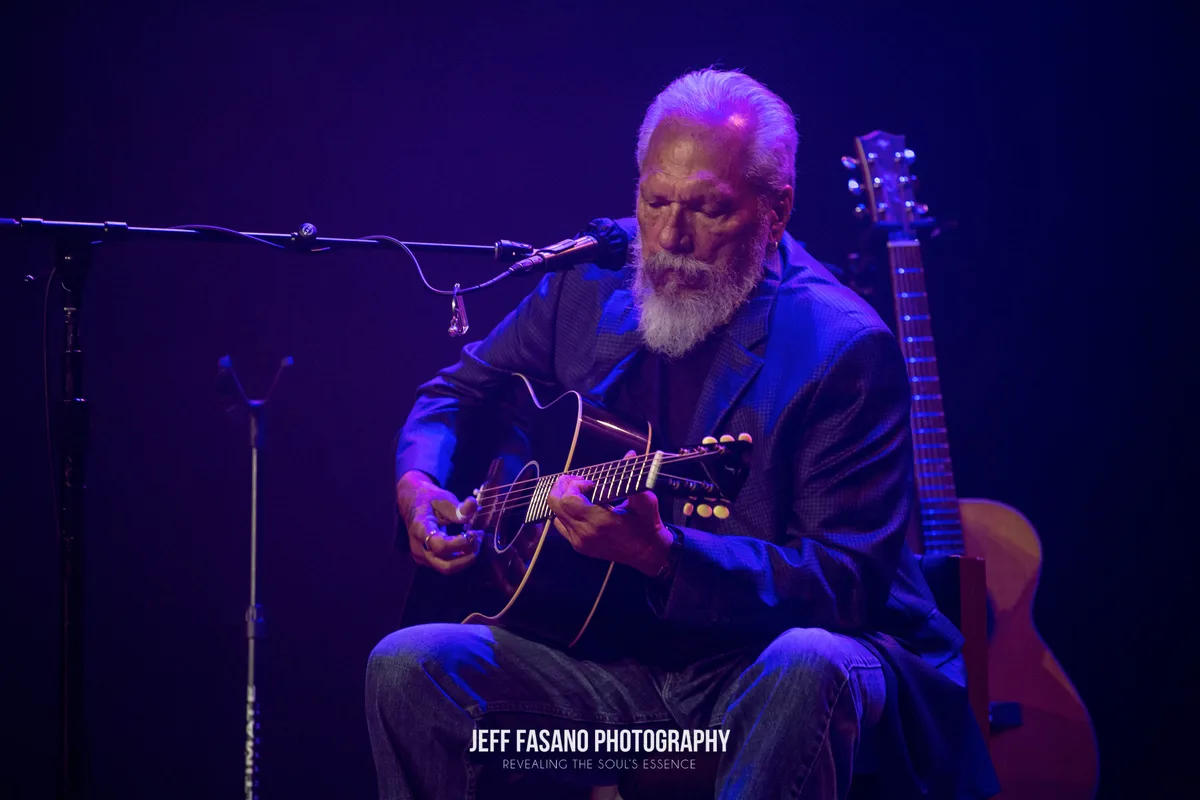
Kaukonen’s connection to tattoo culture did not remain in the past. Later in life, one of the important figures in that story became Rich Thomas of Temple Tattoo and Body Piercing in historic Gallipolis, Ohio, along with the Ohio Tattoo Museum.
He met Thomas at the Fur Peace Ranch at one of his concerts about a decade ago. They bonded over tattoos, music, and motorcycles. Thomas became a regular at the concerts, then a season ticket holder. Kaukonen, in turn, received several tattoos at his shop and later performed at the Ohio Tattoo Museum’s 30th anniversary celebration.

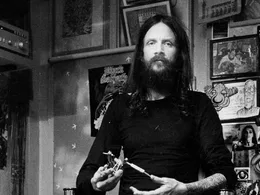
“He is a fine guitarist from the world of Punk in NYC,” Kaukonen says. “Look him up.”
That short recommendation says a lot about the way Kaukonen sees tattooers. They are friends, musicians, storytellers, and people with their own histories.
Tattooing also became part of Kaukonen’s family history. Athens-based tattooer Eric Pierce worked on Jorma and also gave his daughter Izze her first tattoo. In that sense, tattooing moved beyond personal choice. It became part of family memory, friendships, and places he returned to over time.
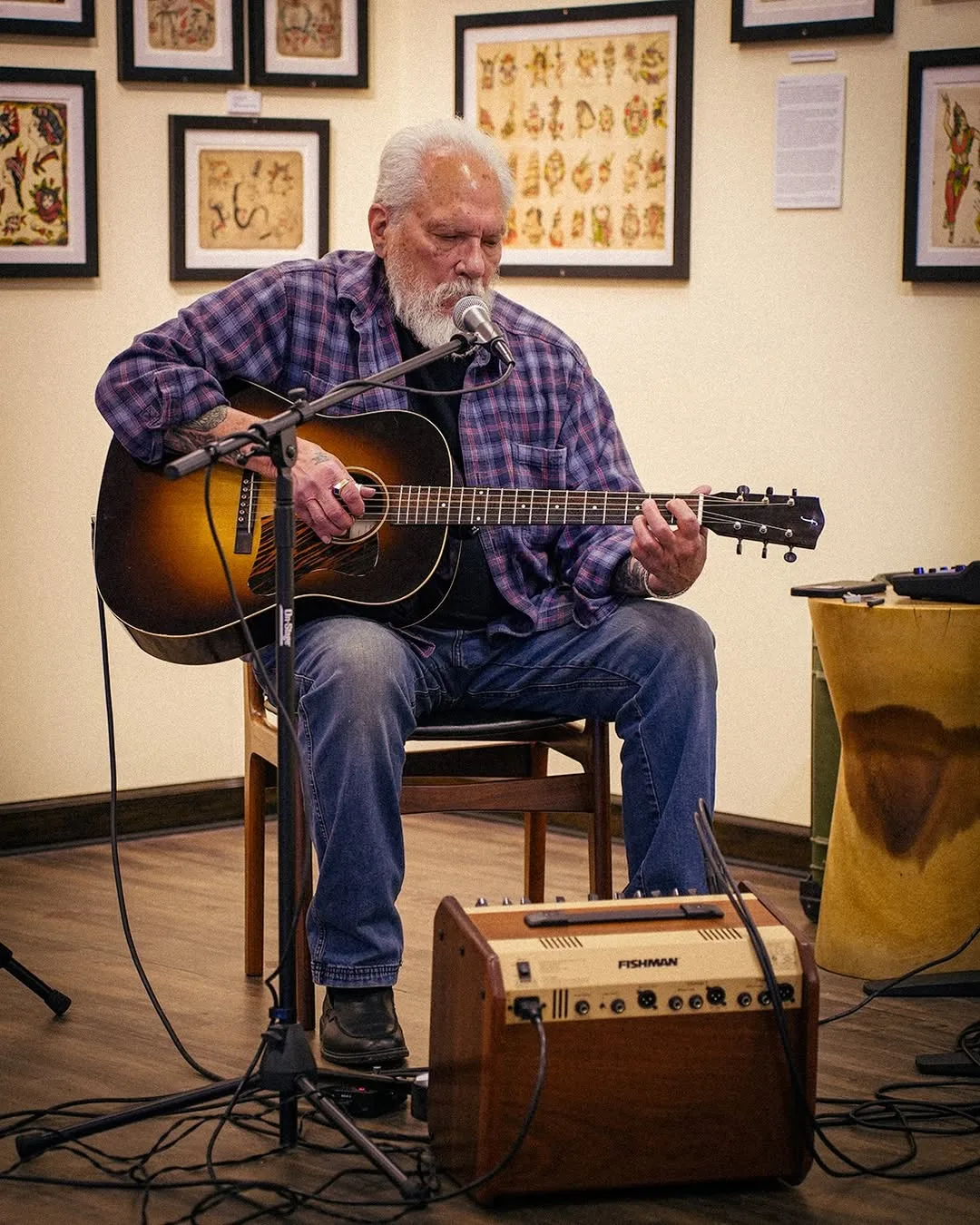
Lightning, Rivers, and “Nice Ink”
Jorma Kaukonen has spent decades telling stories through music. We asked him whether tattoos tell stories in a similar way. His answer is one of the strongest moments in the conversation.
“Live music tells stories in the immediate present in the first person,” he says. “It’s like a lightning strike. Tattoos are like a river eating away at stones.”
The comparison says a lot about the way he separates music from tattooing. A concert exists here and now: it sounds, and then it is already a memory. A tattoo stays with you for much longer, but it does not stand still either. It ages, changes, and moves through the years with the person who carries it.
When the conversation turns to what connects guitar playing and tattooing, Kaukonen brings the answer back to honest presence. “When you get a visible tattoo, it is an immediate statement that says, ‘This is who I am. What you see is what you get!’ When I play it is similar, but even more immediate. Now it’s ‘What you hear is who I am!’”
The same feeling is there in his music. Kaukonen has never sounded like someone trying to be someone else. His playing has calmness, directness, and confidence without needless display. His tattoos follow a similar logic: they do not feel like an image or a pose. They have simply been part of him for a long time.
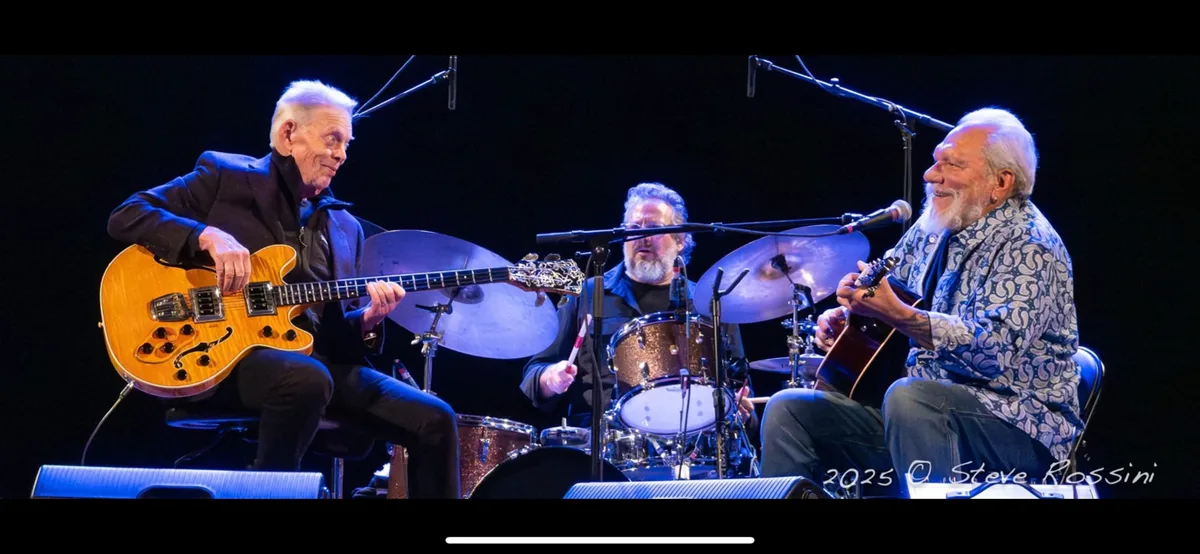
At the end of the conversation, Kaukonen chooses a small everyday story rather than a grand statement. Years ago, he was standing in line at a local bank, wearing a T-shirt in the summer heat. When he reached through the window to make a deposit, the young woman behind the counter extended a heavily tattooed forearm.
They looked at each other and said the same thing at the same time: “Nice ink!”
For Kaukonen, that moment says everything. Tattooing became a way of recognizing others — sometimes through a glance, a forearm, or two words exchanged between strangers. “I am part of a brotherhood and a sisterhood of the ink,” he says.
That story is still moving. Kaukonen recently marked what his team describes as the “cresting wave” of his live career with an 85th birthday tour alongside Steve Earle, Susan Tedeschi, Derek Trucks, and Justin Guip. The Record Store Day live album Wabash Avenue also brought listeners back to 1965 recordings made before Jefferson Airplane, offering another glimpse of the musician before the mythology fully formed.
More dates continue to follow, including Hot Tuna’s inaugural Newport Folk Festival appearance — another reminder that Kaukonen’s story is still unfolding on stage as much as it is carried on skin.
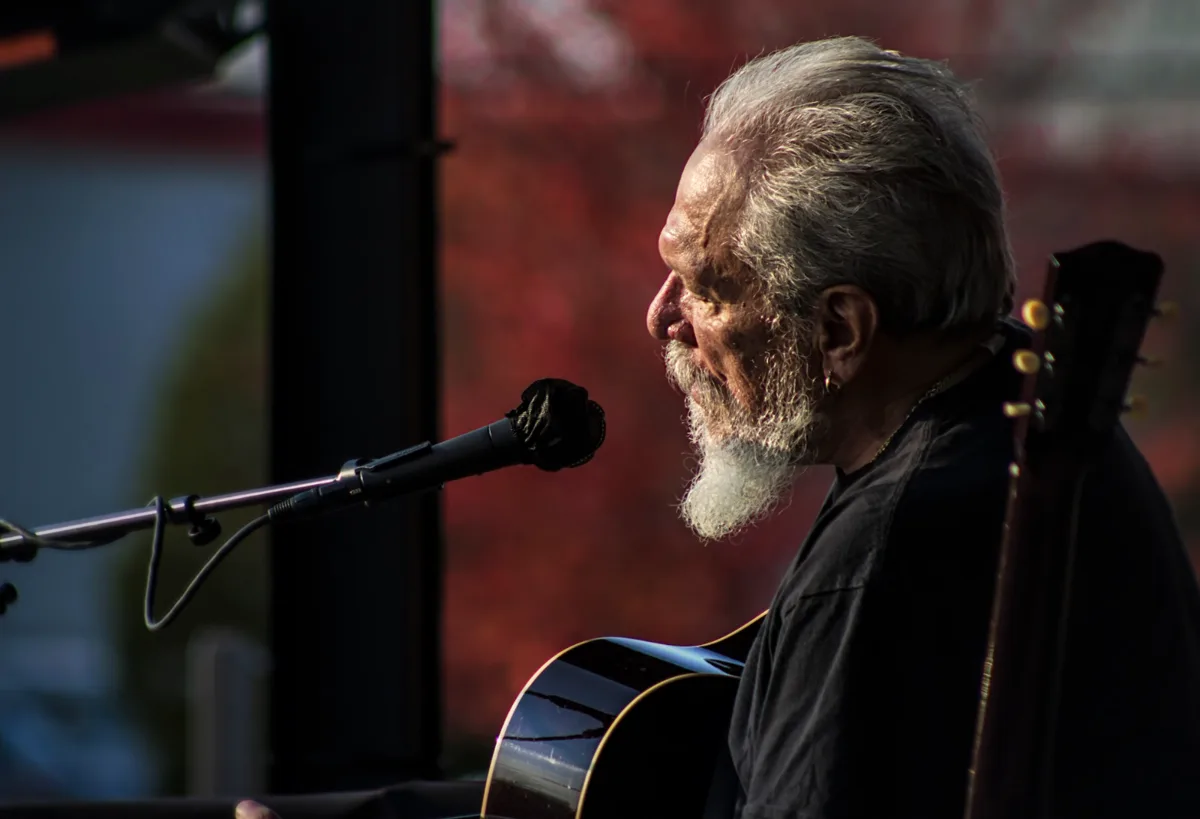
After decades in music, Jorma Kaukonen’s story still moves through songs, stages, friends, roads, and new performances. But there is another map on his skin: from the narrow staircase near a San Francisco bus station to Ed Hardy’s table, from Lyle Tuttle to the Ohio Tattoo Museum, from old tattoo shops to a chance encounter at a bank counter.
After more than half a century, Kaukonen’s tattoos have changed with him. They carry the artists who made them, the rooms where they were done, the friendships around them, and the years that followed.
Photo credits: Images courtesy of Jorma Kaukonen’s management / Shore Fire Media. More information.