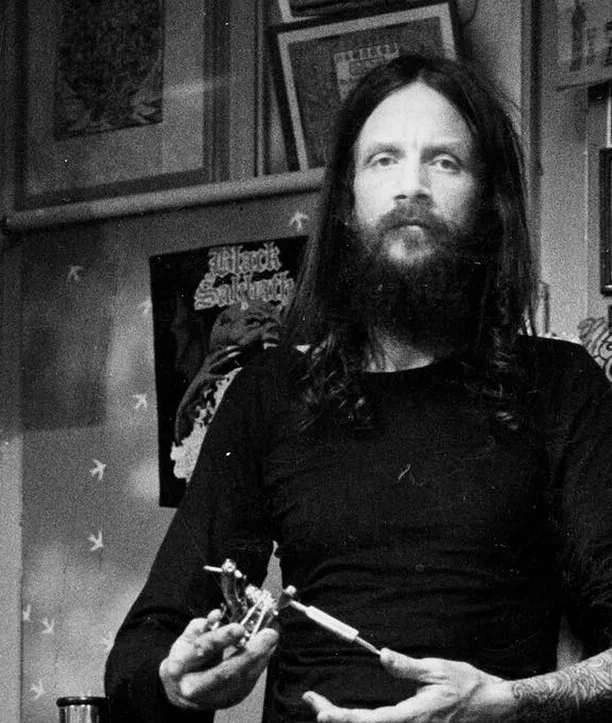
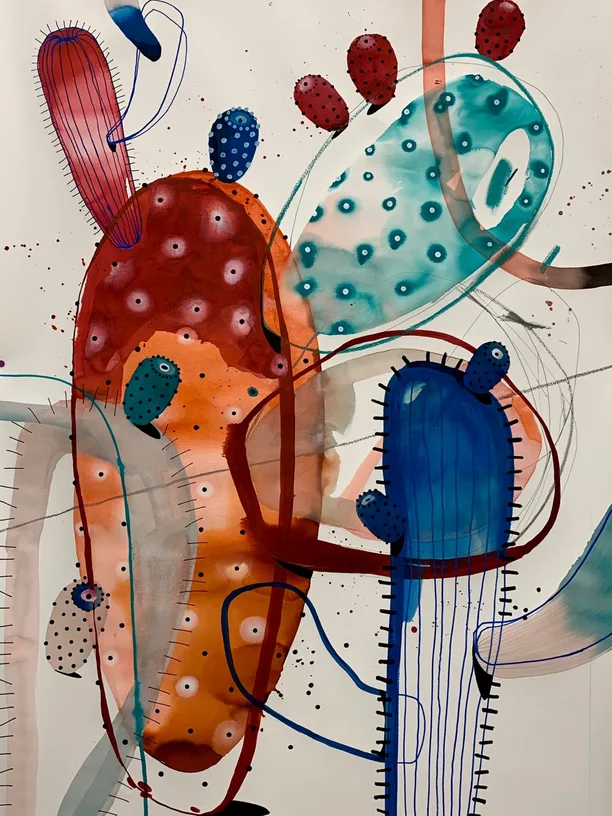
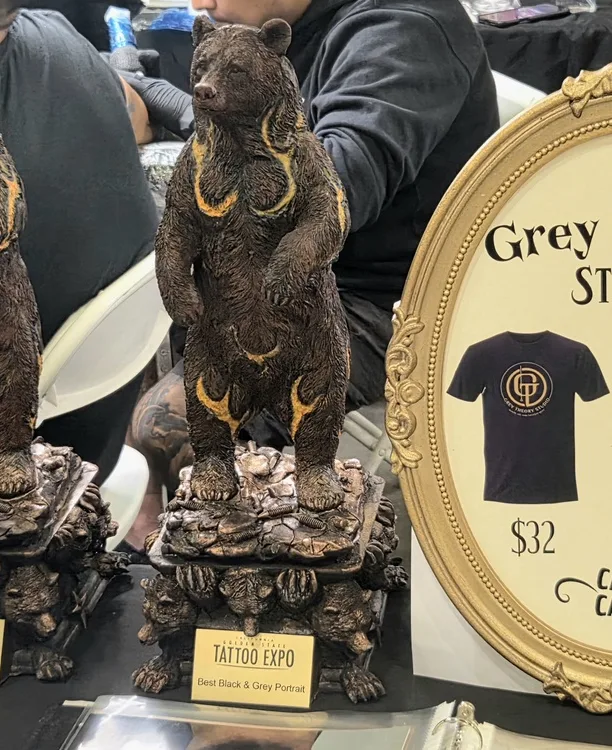
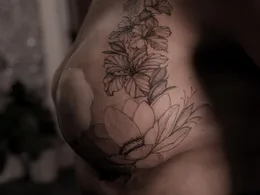
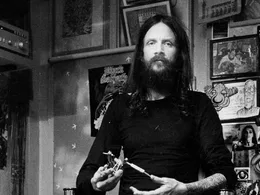
Aleki Blue is a tattoo artist working at the intersection of micro realism, fine line, and an anatomical approach to tattooing. In his work, precision and detail are closely connected to the way a tattoo interacts with the body — its movement, shape, rhythm, and natural structure.
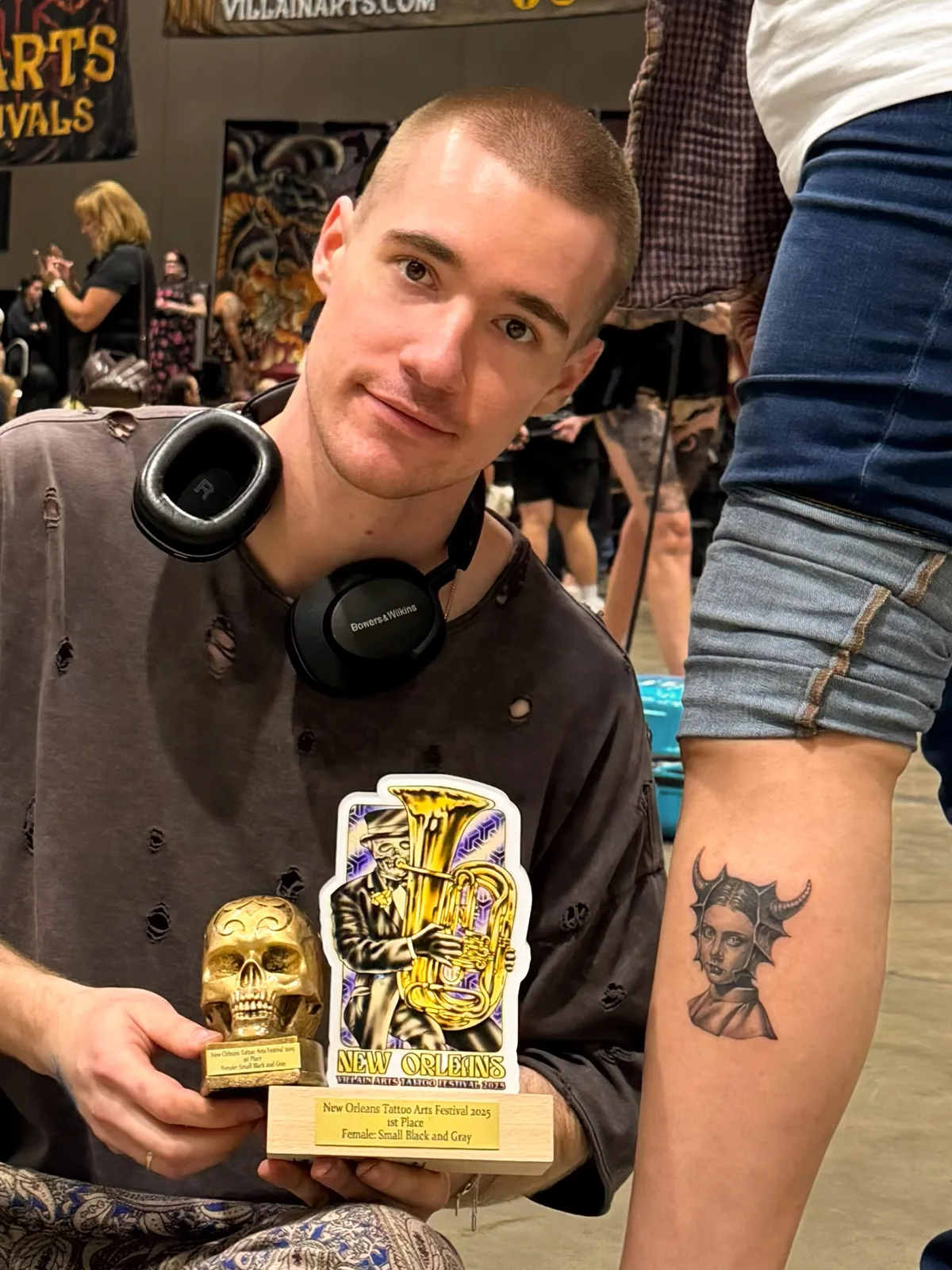
Over the past few months, Aleki Aleki has been developing an educational program for beginner tattoo artists in the Portland / Vancouver area. The idea did not come from a desire to simply launch another course, but from many conversations with people who want to enter the profession, as well as with beginner artists who are already taking their first steps in tattooing.
Through these conversations, Aleki began noticing the same patterns appearing again and again in tattoo education across the United States: unclear paths into the profession, poorly structured apprenticeships, lack of consistent feedback, gaps in hygiene and safety, and the overwhelming experience of trying to learn only from YouTube and online courses. The focus of this article is not the program itself, but the problems that currently make it difficult for many beginners to learn, grow, and enter the industry in a healthy way.
Switching to a new career as an adult and learning a new profession is already difficult enough. But learning something like tattooing when you are young can be just as hard, because there is no clear path to follow. Aleki believes it is important to talk about the struggles he has been hearing from beginners, and to share a few thoughts that might help someone who is passionate about becoming a tattoo artist.
“There is no clear path into tattooing, and that is why beginners need to understand not only where they learn, but how that education is actually structured.”
Apprenticeship is the classic way of entering the profession in the United States, and Aleki believes it can be a wonderful format. Being around working tattoo artists every day, in a real shop, and seeing the whole process from the start is extremely valuable. When an apprenticeship is done the right way, with the mentor truly present for the student, it can become a genuinely amazing learning experience. The people who get into one of those environments are extremely lucky.
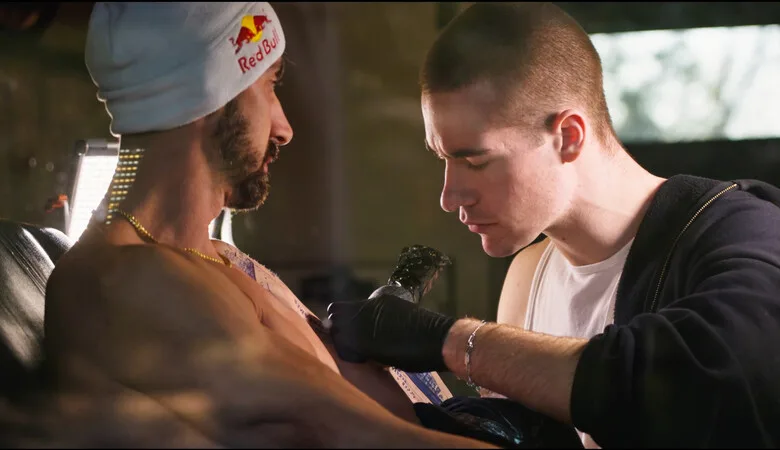
However, many beginner artists today are still struggling with hazing during their apprenticeship and even after finishing it in the shop. People spend months at a shop unpaid, cleaning, doing admin work, running errands — doing an actual maintenance job that no one else wants to do — while begging for attention to their development and barely getting taught anything.
This practice has become standard in many shops and has been for years, because it is justified by the idea that you have to “earn your place” first. This is what really frustrates Aleki about the tattoo industry in the United States.
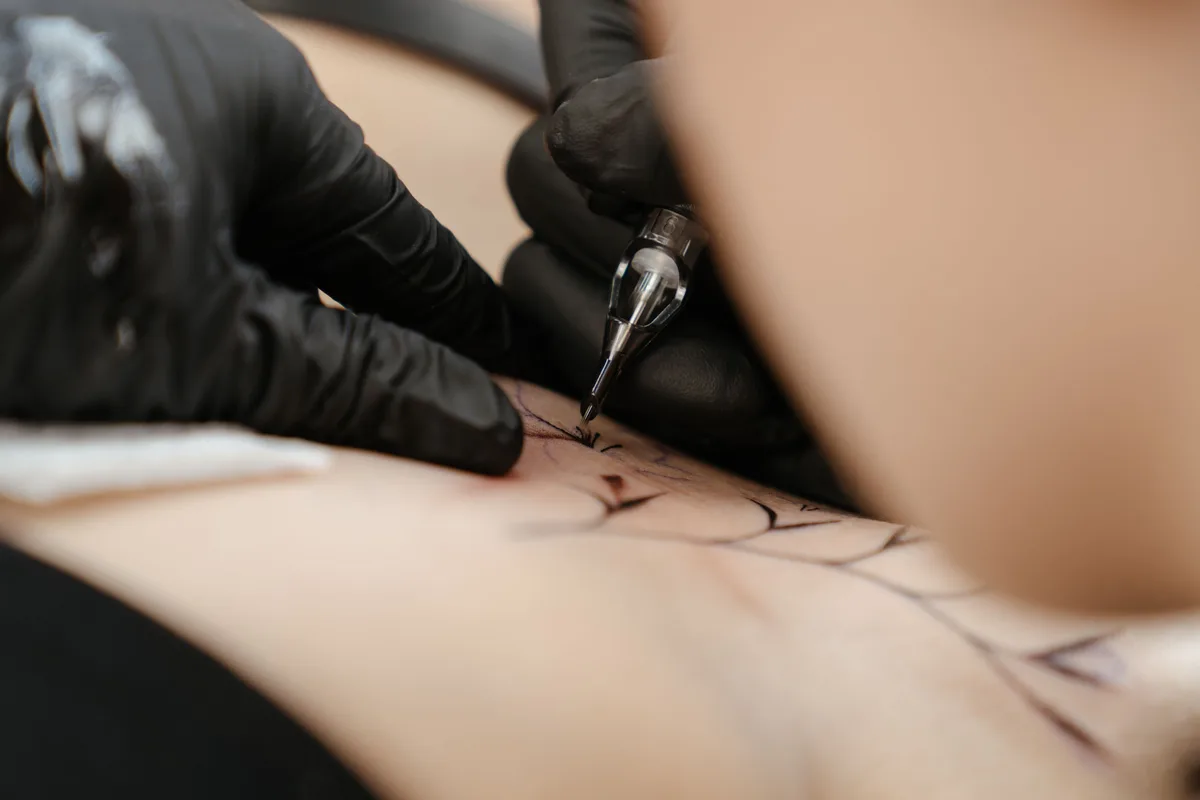
If we look at other professions — doctors and nurses, for example — they are not made to mop floors for a couple of months before they are allowed to start the first semester. They have a structured program, real supervision, a clear path, and a real result in the end.
Tattooing involves real safety stakes. Artists work with skin and blood. So why is it considered normal to go through hours and hours of unpaid, pointless work just to earn the right to be present in the shop?
Unfortunately, tattoo apprenticeships in many places are still stuck in this version of the system, with many experienced artists defending it because that is how they came up as well. But in Aleki’s view, this is harmful for the industry. It pushes good people out — many talented and hard-working artists walk away from this format entirely — and it holds back the development of the ones who stay.
“There is a difference between discipline and hazing. And there is a difference between helping in a shop and being left without real education.”
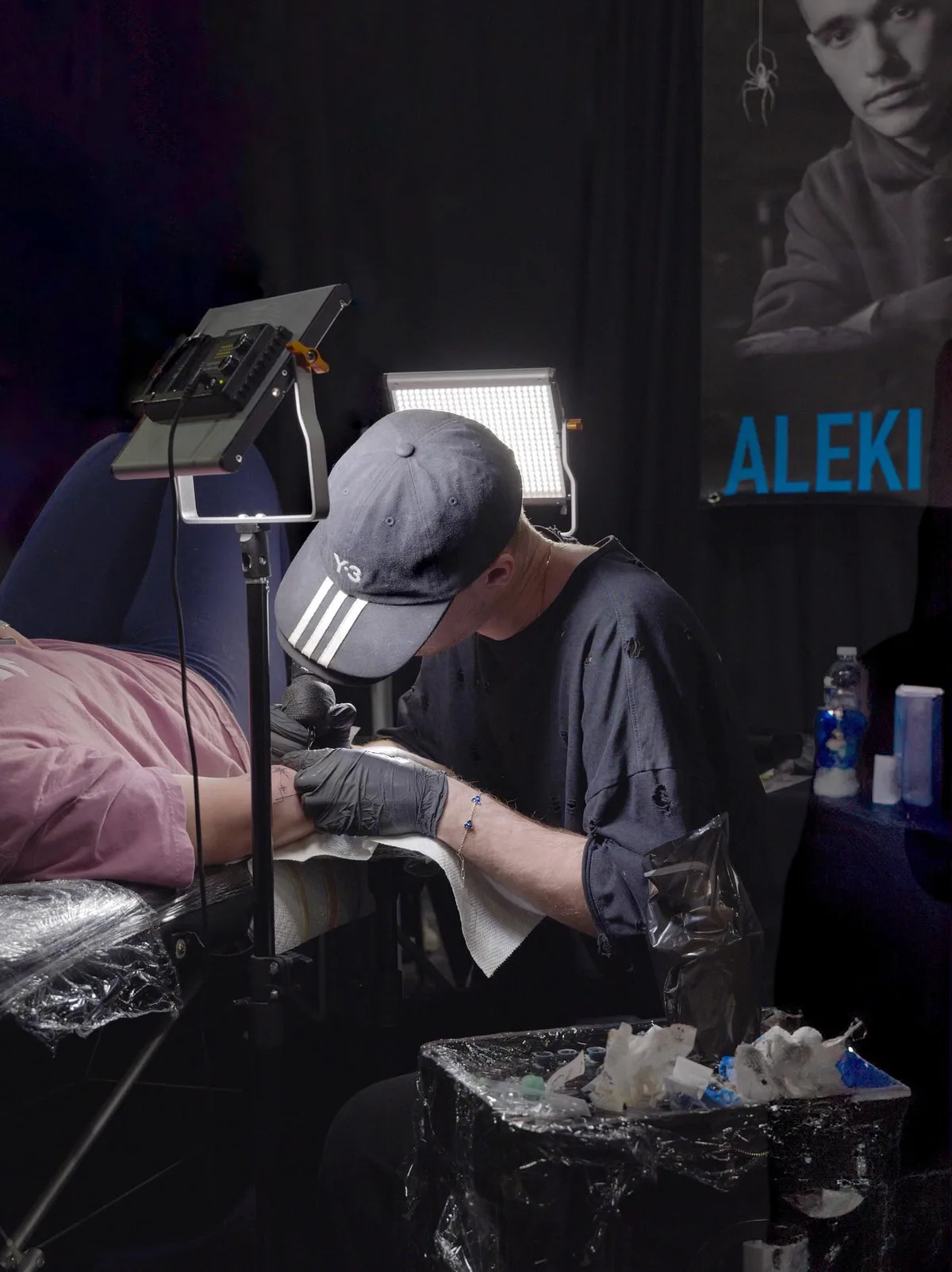
The real problem with this system is that many artists who take on apprentices are not ready to teach, or have no real interest in teaching. Being a great tattoo artist and being a great mentor require different skill sets, different levels of attention, and different levels of engagement.
Without a doubt, there are amazing mentors. What makes them exceptional is that they take responsibility for the learning process, have a plan, and have the maturity to treat beginner tattoo artists with respect.
Teaching is its own craft. It takes preparation, a clear approach, and dedication. And it should be taken seriously.
To succeed, a beginner needs to put a lot of time and effort into learning. The result of the work depends on the student, even if they have a great mentor. Aleki believes it is always best to spend hours practicing on fake skin. He also recommends practicing not every day, but every other day, with rest in between — because that is actually how muscle memory builds.
When an apprenticeship is not an option, many people learn from internet sources, mostly YouTube and online courses. This is also how Aleki learned how to tattoo himself. Today, there is an enormous number of open sources of information, which can be great if you know exactly what you are looking for and already have an understanding of the profession. But if you are just starting out, it is chaos.
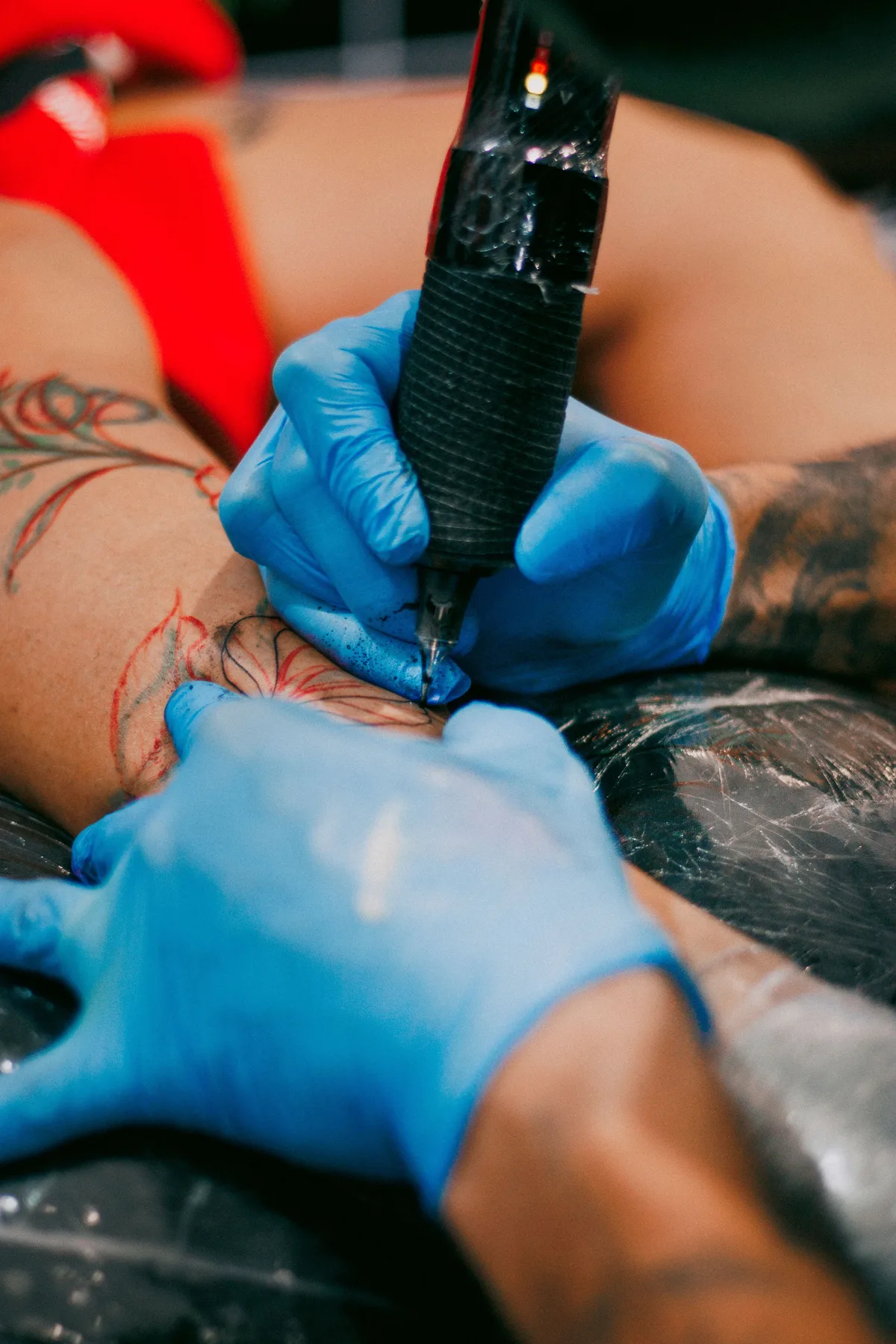
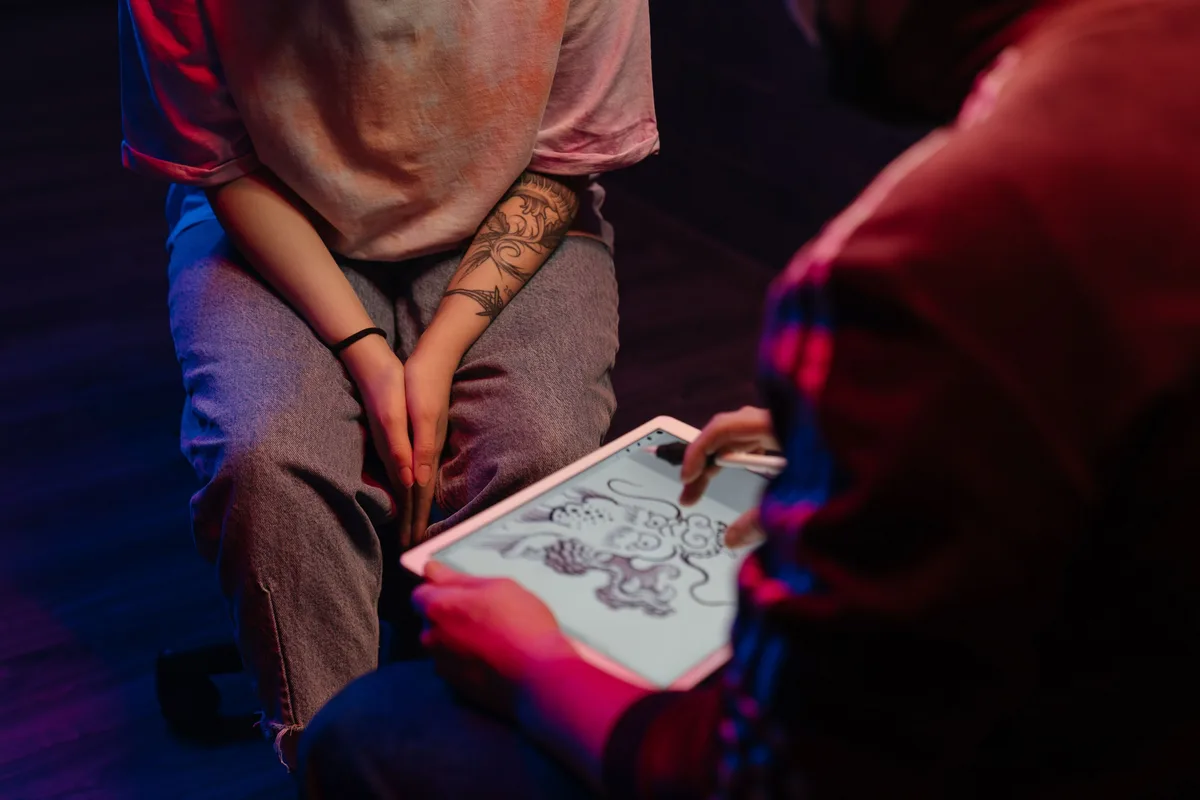
Everyone online says something different. As a beginner, there is no real way to know what is actually right, or what is going to work for your goals. It can feel like drowning in information. And the second problem is even bigger: no one is watching your hands and your work to give you consistent feedback.
Tattooing runs on muscle memory, and if you learn the movement wrong, it is much harder to fix it afterwards. How deep the needle goes, the angle, the pressure, how the skin is stretched — these are things beginners cannot fully judge for themselves, because they do not yet know what they are doing wrong. Otherwise, they can spend months getting great at their own mistakes.
“You can spend months practicing, but instead of improving, you may simply become more confident in your own mistakes.”
One common mistake Aleki has seen beginner tattoo artists make is pressing harder and going over the same line again and again when it is not coming out clean. As a result, the skin gets damaged, the ink becomes blurry, and the tattoo does not heal properly. This is why feedback on the work is extremely important: it can stop mistakes early, while learning only through video never will.
This is why Aleki always recommends that beginner tattoo artists build connections and not be afraid to reach out to working artists. A beginner can simply send a DM and ask a question. It can feel uncomfortable or scary in the beginning, and that is normal. But there is nothing to lose. If the goal is to master the craft, the artist needs to find their way forward.
Some artists will not reply, but many will be happy to help with an answer or a tip. And sometimes, when a beginner is stuck because of one small thing they do not understand, one honest answer is all it takes to move forward in the right direction.
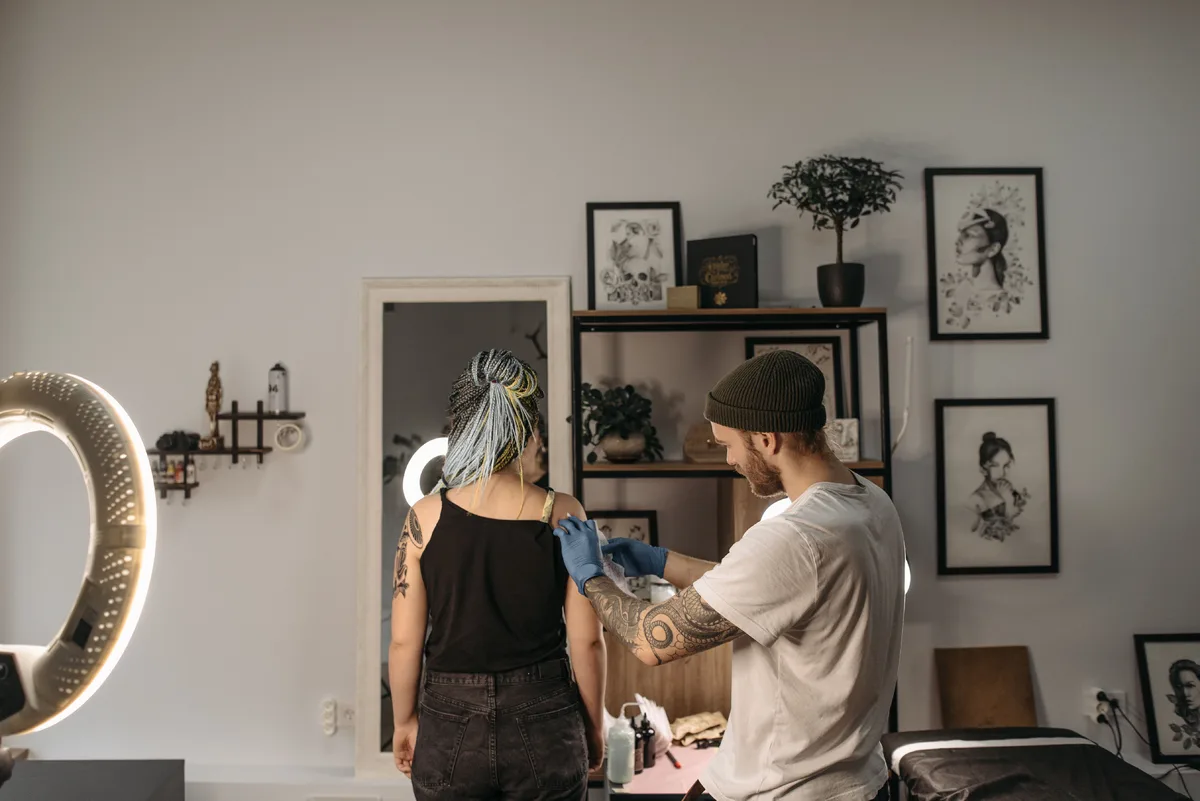
Aleki also emphasizes hygiene and safety in the tattooing process. The Bloodborne Pathogens certification required in most states covers the necessary theory and is very easy to get. But after talking with beginner tattoo artists, it became clear that many are still missing the practical side: the proper way to set up a station, good practices and habits during the session, what to do in an emergency situation, and more.
In Aleki’s opinion, this direction needs much more attention in apprenticeships and online courses, because it is an extremely important topic that influences not only the artist, but the client as well.
“Safety should not be treated as a formality. It needs to be part of the foundation of tattoo education from the very beginning.”
Most educational programs are built around preparing the student to execute the technical part of tattooing. But it is also important to remember that being a tattoo artist involves more than technique. It means building a portfolio, marketing yourself, communicating with clients, making appointments, and understanding how to organize your professional process.
This is an important part of the profession that beginners need to learn as well. Without this skill set, it is difficult to turn tattooing into a sustainable career.
Aleki hopes that the perception of learning in the tattoo industry in the United States can change, giving more guidance and safety to artists who are just starting out. These conversations and the problems that appeared through them became the reason he decided to build an educational program.
Еhe program will launch in September for a small group in the Portland / Vancouver area and is being built with the purpose of covering the gaps mentioned in this article.
Ultimately, what matters most is not where someone learns, but how and what they learn.
For beginners who are at the start of their path and looking for educational possibilities, Aleki recommends paying attention to a few key things. First, look at the mentor. Ask whether this is someone whose work and direction you respect. Ask whether they actually want to teach. Ask whether there is a real plan for your learning, not just vague promises that you will “pick it up” by being around.
It is also important to see whether the program includes the aspects of the profession that matter to you. Look at what styles and techniques are being taught, and whether they align with the direction you want to go in.
Whatever path a beginner chooses, it should be taken seriously. A strong mentor and a good education can give guidance, structure, and many tools, but no one can do the work for the student. If someone wants to make tattooing their profession and develop a real career, they will need to give 100% of themselves.