As we mark Pink October, Breast Cancer Awareness Month, we're pleased to share a personal essay by Tatti Kvitka, a talented Chicago-based tattoo artist with over 10 years of experience. Known for her delicate botanical designs and organic compositions, Tatti explores a subject that goes far beyond tattooing: the right to make choices about our own bodies, reclaim a sense of control, and define what healing means on our own terms.
Drawing on real stories from her studio, she reflects on the emotional significance of tattoos and the responsibility artists carry when working with people during deeply personal moments.
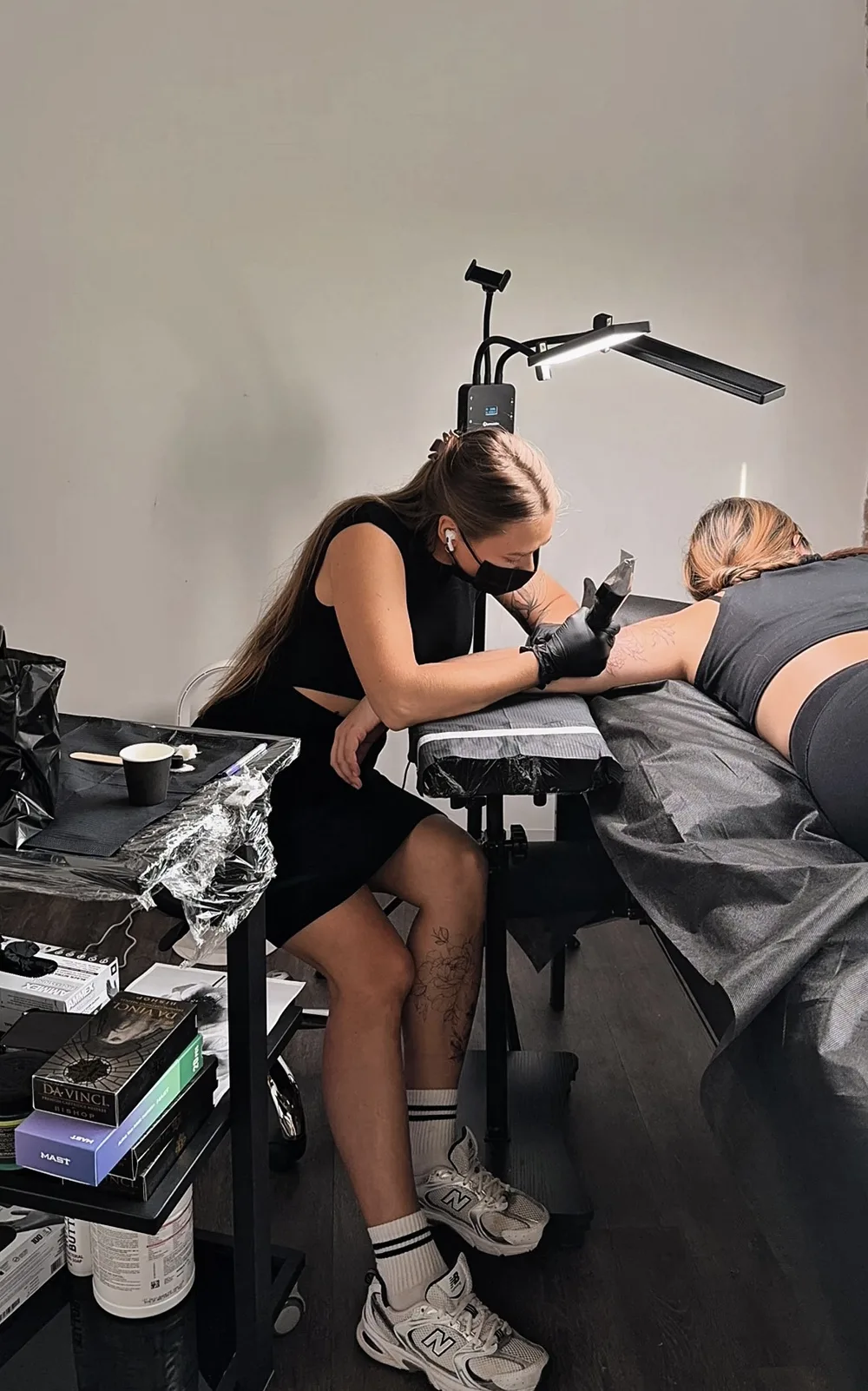
I can't know for certain what's going through her mind at that moment. But over the years, I've noticed that the decision to get a tattoo isn't always just about decorating the body. Sometimes, what matters most is being able to make a decision that no one else can make for you.
When I first started working as a tattoo artist in Chicago, most of my clients came in with fairly straightforward requests: they wanted beautiful designs. And aesthetics remain the main reason many people get tattooed today. But over the past several years, I've noticed a change in the conversations happening in my chair. More and more often, women share stories about illness, difficult relationships, loss, and major life changes. For some of them, getting a tattoo becomes a way to mark a new chapter and feel that decisions about their own bodies belong to them again.
Perhaps this is partly because we've become more open about discussing personal boundaries, mental well-being, and the right to make decisions about our own bodies. But I can only speak from what I see in my studio.
I'm a tattoo artist, not a therapist, and I don't offer psychological healing. Still, spending hours alongside my clients puts me in an unusual position: I get to witness deeply personal decisions take on a real, visible form.
The Book and the Birth Flowers
Not long ago, a woman came into my studio carrying a book about learning to let go of the past. As I prepared the stencil, we started talking. Gradually, she told me that she had recently left a relationship that had lasted 15 years and had been defined by extreme control.
Her former husband had dictated practically everything: what clothes she could wear, how she should style her hair, whether she could wear makeup, and even whether she was allowed to consider getting a tattoo.
Interestingly, she didn't choose a dramatic design or an elaborate composition symbolizing everything she had been through. Instead, she asked for a delicate arrangement of birth flowers representing the month her twins were born.


There was nothing overtly rebellious about the tattoo itself. But for her, the ability to sit in that chair and decide for herself what would appear on her skin meant an enormous amount.
She no longer had to ask her former husband's permission or follow someone else's rules. She could choose a design simply because she liked it and because it represented people she loved.
What moved me most was how ordinary that decision seemed. From the outside, it was just a floral tattoo. But behind it were fifteen years of a life in which even the simplest choices hadn't truly belonged to her.
I often think back to that meeting. It reminded me that you can't determine the meaning of a tattoo just by looking at its subject. Sometimes, the most important part of the work remains invisible to everyone else.


Researchers have also explored the connection between tattoos, personal memories, and self-definition. For example, a study published by Cambridge University Press examines how tattoos can be connected to autobiographical memories and significant life events.
But as an artist, something else matters more to me: I don't have to fully understand the personal meaning behind every tattoo. I just need to respect the meaning the person gives it.
A Blooming Garden Instead of Pity
The first client who came to me for a tattoo after undergoing serious medical treatment completely changed the way I saw my profession — and made me look at my own life differently, too.
She had survived cancer, completed her treatment, and waited until her surgical scars had fully healed. When we met, she was very clear about what she wanted.
She wasn't looking for medical reconstruction, such as realistic nipple tattooing, and she didn't simply want to camouflage her scars. She wanted to create something entirely new over them.
Her choice was a vibrant, blooming garden — a piece of art that would bring her joy rather than constantly remind her of hospital rooms and surgeries.


During our final session, once the piece was finished, I took a few photographs and showed them to her on the camera screen. When she saw the images, she began to cry. I remember how badly I wanted to cry with her. But in that moment, I realized that my role wasn't to put my own emotions on display.
People who have gone through serious illnesses often find themselves receiving sympathy they never asked for. Others see the illness, the treatment, and the losses before they see the person — even when that person wants to talk about something entirely different.
My client hadn't come to me for pity. She had come for a blooming garden.
And I wanted her to be able to look at the finished tattoo and feel happy about her choice, without having to comfort me or explain her tears. So I held back my emotions until after she left. It was important to me that the moment belonged to her.
That experience changed the way I approach tattooing over scars. I realized how important it is not to impose my own interpretation on someone else's story.
For one person, a scar might symbolize overcoming something difficult. For another, it might be an unpleasant reminder. And someone else might not want to attach any special meaning to it at all. Every one of those perspectives deserves respect.


A tattoo doesn't erase what someone has been through, and it doesn't return their body to the way it was before. But it can give them an opportunity to decide for themselves what a particular part of their body will look like now.
For my client, that decision was a blooming garden. And I think it's important that she chose it not because she wanted to tell the world about her illness, but simply because she wanted to see something beautiful on herself.
The "Quick Fix" Trap
For all the emotional significance a tattoo can sometimes carry, I never see it as a universal solution for dealing with difficult experiences.
In fact, I believe one of the most important responsibilities of a tattoo artist is knowing when it's better not to rush.
After a painful breakup, a sudden loss, or another major upheaval, someone might feel an overwhelming urge to change something immediately. Sometimes, that change takes the form of a tattoo.
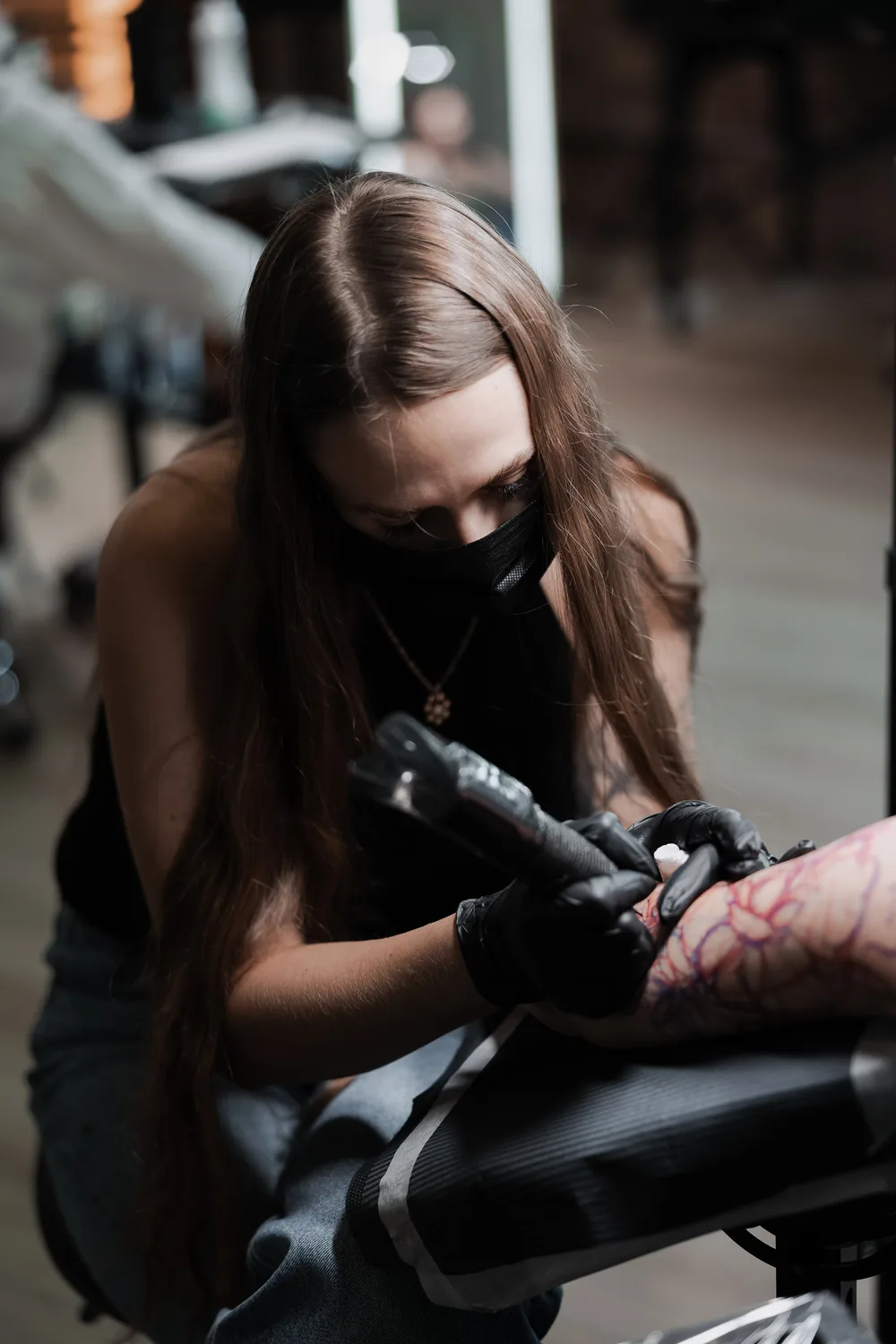
There's nothing inherently wrong with that desire. But I become concerned when a client is in a state of panic, can't settle on a design, or expects a new tattoo to instantly change how they're feeling. In those situations, I suggest postponing the session and returning to the conversation in a month or two.
I'm not trying to judge how serious someone's experiences are, and I don't believe it's my place to decide how another person should cope with their difficulties. My responsibility as an artist is to make sure the client understands the permanent change they're about to make to their appearance and is making that decision consciously.
Sometimes people come back a few weeks later with the same idea, but with much greater clarity and confidence. Sometimes they change their original design. And sometimes they decide not to get tattooed at all. To me, that last outcome isn't a failure.
I'd rather lose an appointment than create a tattoo someone might later regret.
The Right to Choose — and the Artist's Responsibility
Over the years, I've learned that the most important moments in my profession aren't always about the complexity of a design, technical skill, or how the finished tattoo looks in a photograph.
Sometimes it's a small floral arrangement that a woman chooses for the first time without needing anyone else's permission. Sometimes it's a vibrant garden over surgical scars. And sometimes it's a conversation that leads someone to decide they're not ready for a tattoo just yet.
In all of these situations, my role remains the same: to listen carefully, be honest about what my work can and cannot do, and respect my client's right to make their own decisions. I can't change someone's past. I can't erase the effects of illness, undo years of difficult relationships, or take away painful memories.
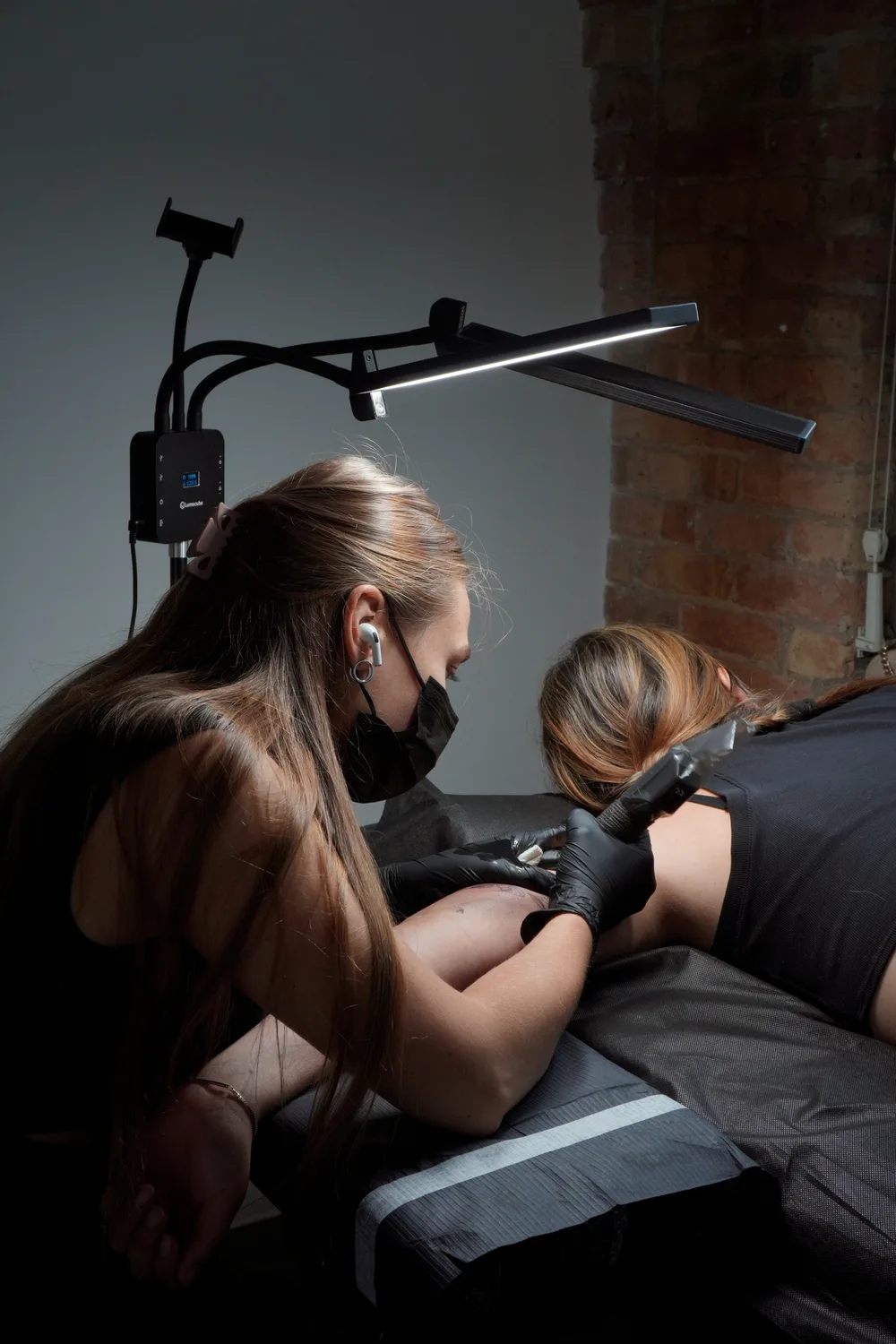
But I can create a space where no one dictates what a person should feel, what meaning they should attach to their tattoo, or how they should relate to their own body.
I used to think my job ended when the tattoo was finished. Now I understand that an artist's responsibility begins much earlier — with the very first conversation with the person who sits down in my chair.
And perhaps that's one of the most important lessons this profession has taught me.
From the iNKPPL Editorial Team
October is recognized worldwide as Breast Cancer Awareness Month. Pink October serves as a reminder of the importance of early detection, access to medical care, and support for people affected by breast cancer.
For iNKPPL, it's also an opportunity to talk about life after treatment — about coming to terms with changes to one's body and every woman's right to decide for herself how she wants to look. Some choose reconstruction, others opt for decorative tattoos, while some prefer not to make any changes at all. Every one of these choices deserves respect.
We've previously featured artists working in restorative tattooing. In our interview with Andries Mons, we discussed realistic 3D nipple and areola reconstruction following mastectomy. In our feature on Kelly Borders and the Honor & Grace team, we explored their work with women after cancer treatment and the role tattoo artists can play in that process.
Tatti Kvitka's story adds another perspective to these conversations: sometimes, getting a tattoo isn't about restoring what was there before, but about having the freedom to create something entirely new — on your own terms.