Why Sailors Wore Anchors
Picture a sailor stepping onto the pier after crossing the Atlantic, with the person who kept him thinking of home waiting ashore. Both sides of that scene–the voyage and the tie to shore–still shape the anchor tattoo meaning today. An anchor holds a ship in place when the water is moving around it. Worn on the skin, it can bring to mind the work of going to sea or the feeling of having somewhere to come back to.
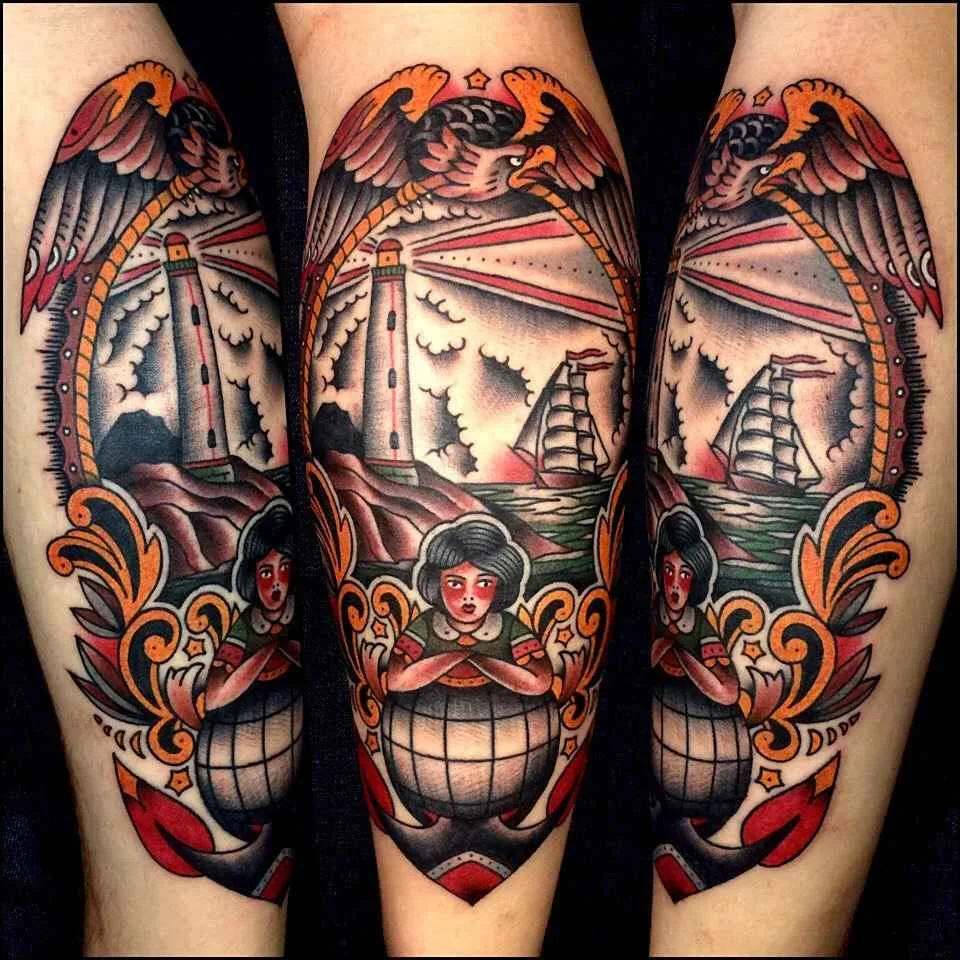
By sailor tradition, an anchor marked an Atlantic crossing, though accounts of the custom vary. Like much maritime lore, it let a sailor wear the story of where he’d been. The anchor also has a broader association with naval service. The fouled anchor, shown with a rope or chain tangled around it, is a longstanding naval emblem and appears in U.S. Navy chief petty officer insignia.
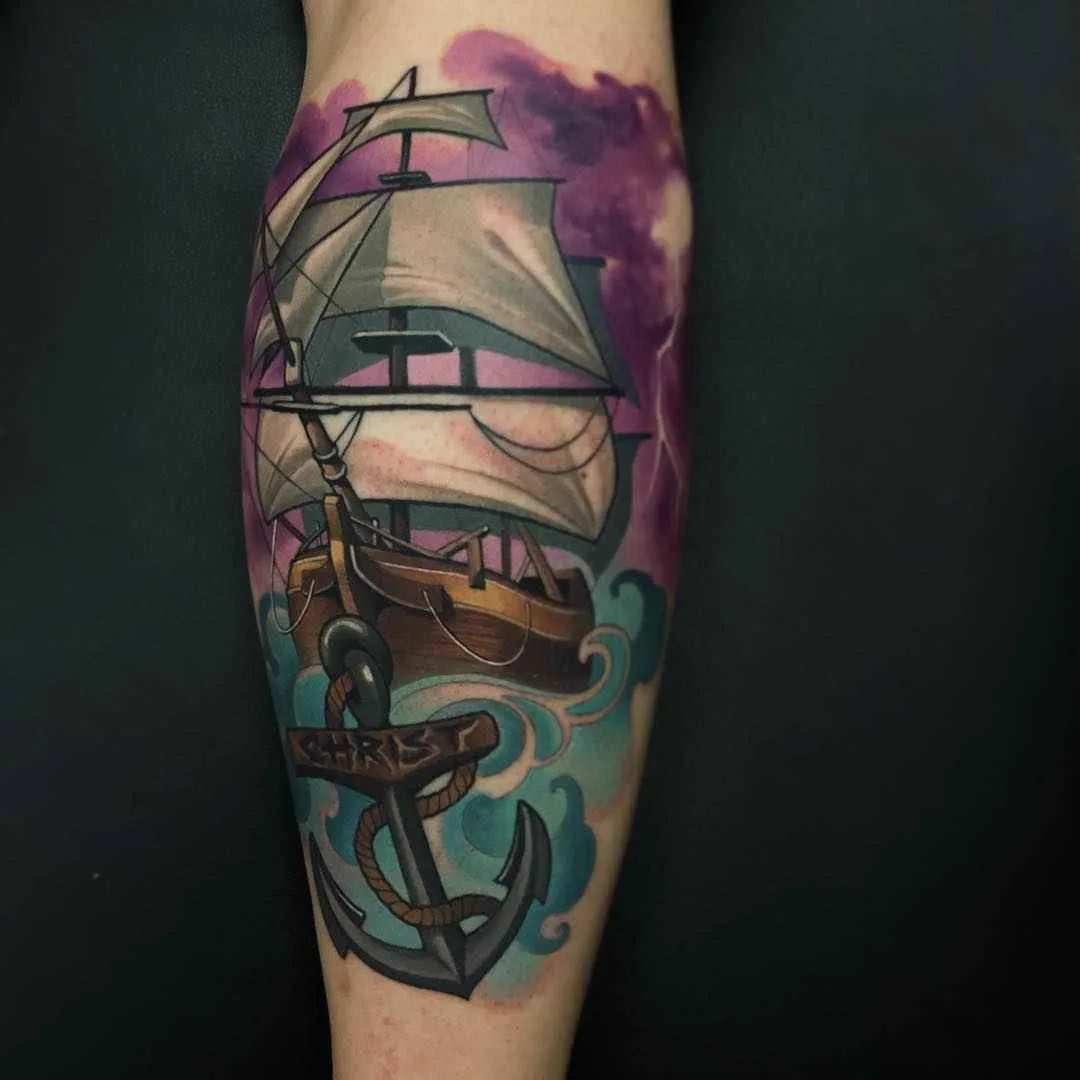
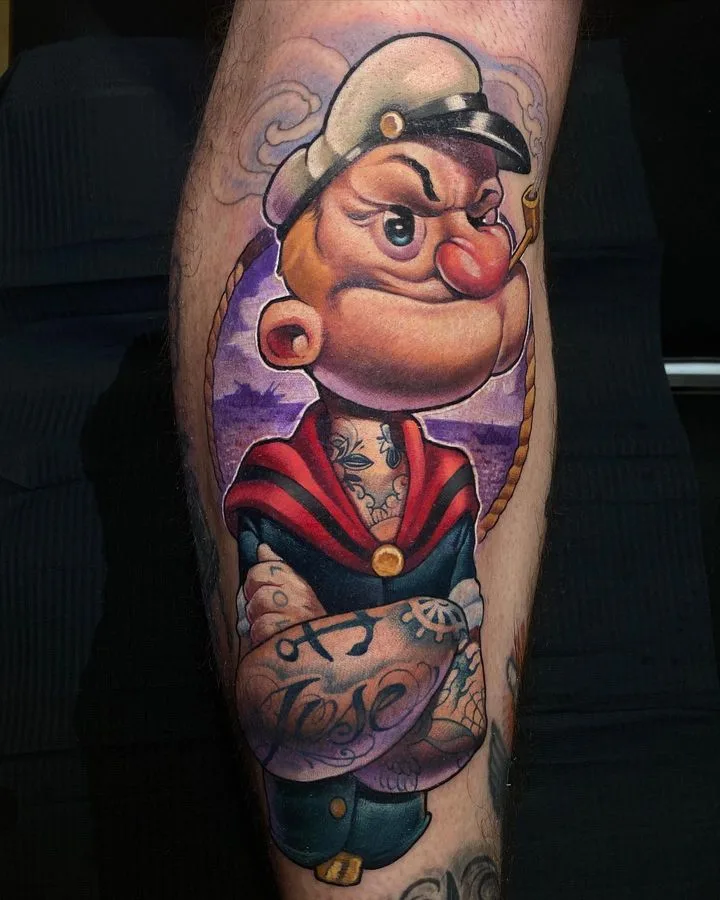
If you want that seafaring history to come through, decide how much of the old imagery to carry into the design. A bold anchor can stand on its own; a swallow or a compass can make it part of a larger sailor-inspired piece. The anchor tattoo gallery is a good place to compare a plain silhouette with busier designs and see which details you notice first.
The Hidden Cross: Anchor as a Christian Symbol
Look at an anchor’s upright shaft and the short bar across it, and you can see the shape of a cross. Early Christians carved anchors in the Roman catacombs, where the shape served as a disguised cross. The image also has a scriptural connection: Hebrews 6:19 likens hope to an anchor for the soul. In the King James Version, that anchor is “both sure and stedfast.”
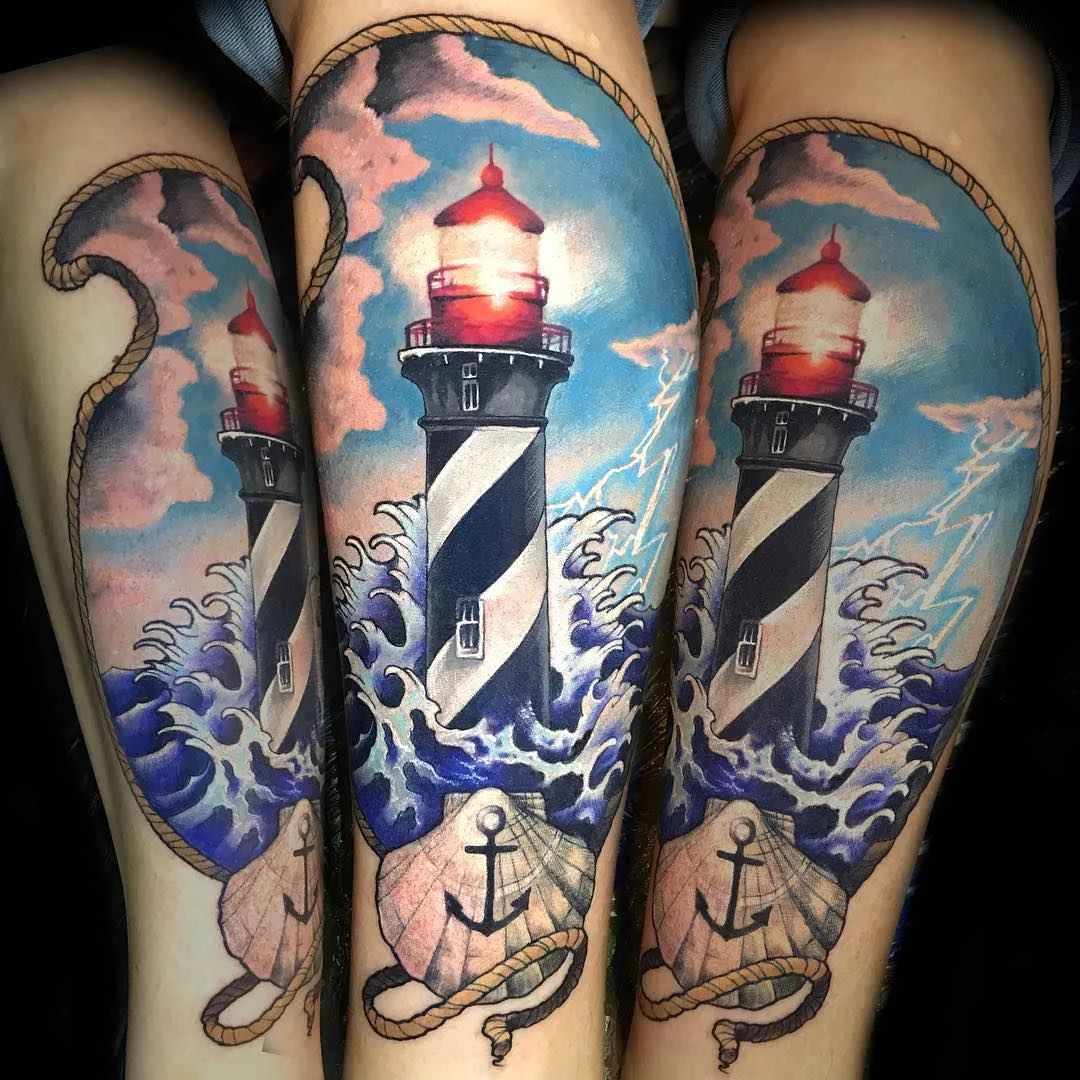
For a tattoo with that history in mind, the crossbar is a detail worth talking over with your tattoo artist. You can make it more prominent if you want the cross to be easy to spot, or keep it short so the anchor is what people see first. If the passage itself is part of why you’re getting the tattoo, a small scripture reference can make that connection explicit. Without it, the plain outline keeps the two images folded into one.
Staying Grounded: The Modern Meaning
An anchor lets a boat ride the swell while holding it in one place. That’s why it works as a modern image for staying grounded: you can move with what’s happening around you and still have something solid to hold to. For some people that’s a person who picks up the phone when things get rough. For others it’s a place they can always go back to, or a routine that helped them find their footing again.
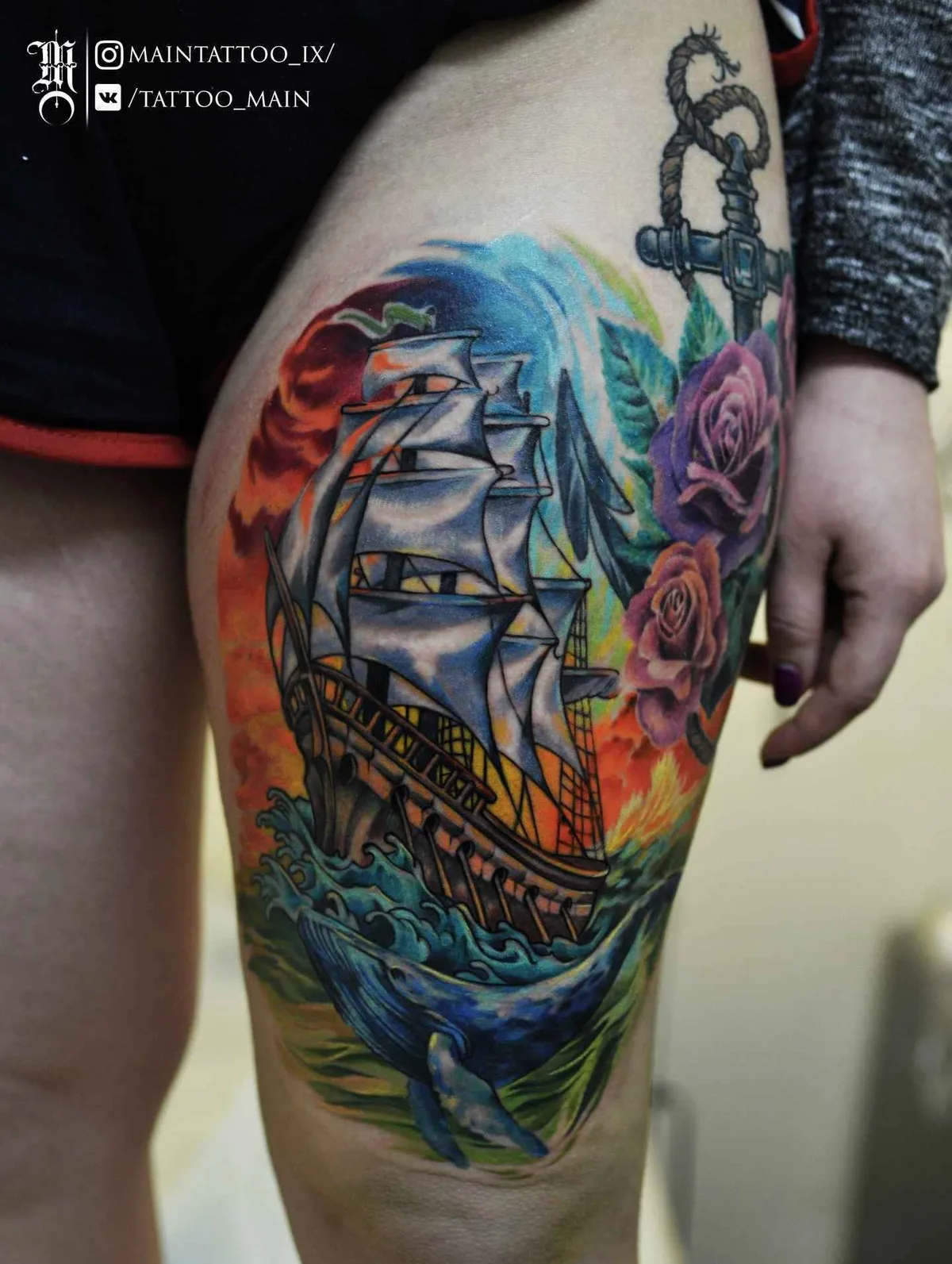
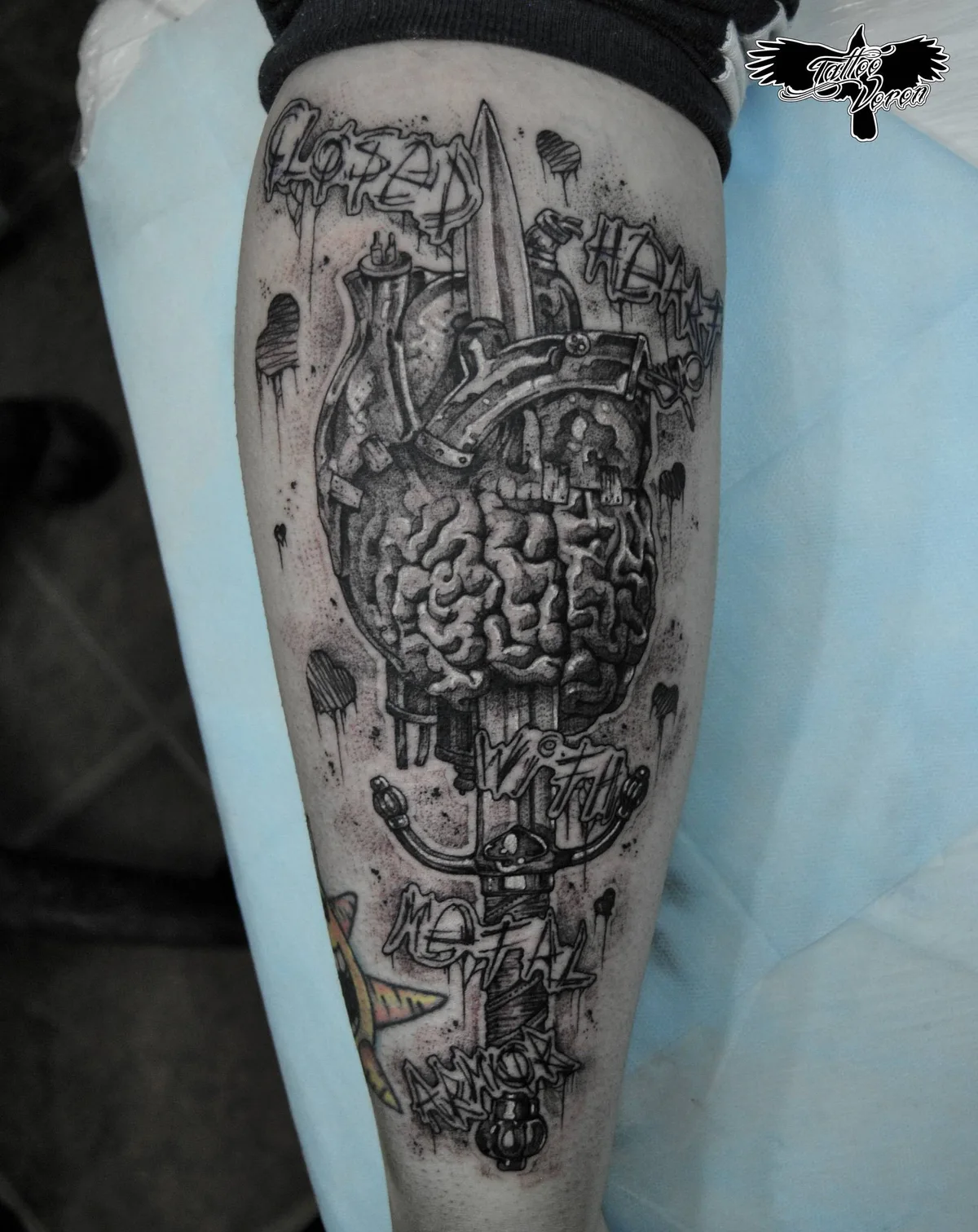
Recovery is another personal reading. If that’s the story you want to carry, think about what actually made you feel steadier. A name can put the emphasis on someone who showed up for you. A bare anchor can be a reminder of a commitment you made to yourself. If you’re choosing between the two, ask whether you want the tattoo to start a conversation or simply bring a particular person or moment to mind when you see it.
Anchor With Rope, Rose, Compass, Swallow or a Name
In a tattoo of an anchor with a rope, the line has a job: it connects the anchor to the ship. As a personal detail, it can suggest the bond that keeps you steady. A loose curve can follow the shape of your arm or lead the eye toward another part of the design. Rope tangled around the shaft gives you the fouled anchor and calls up its naval associations.
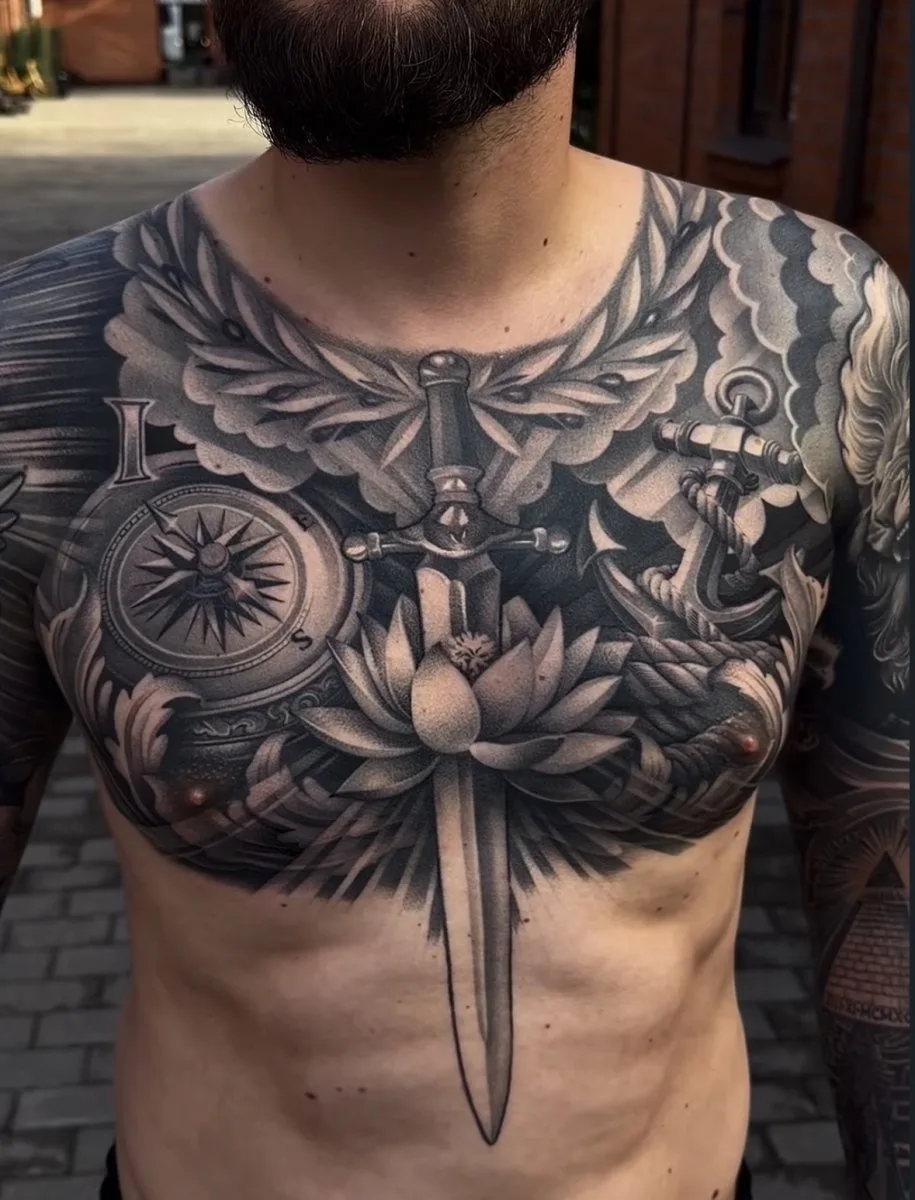
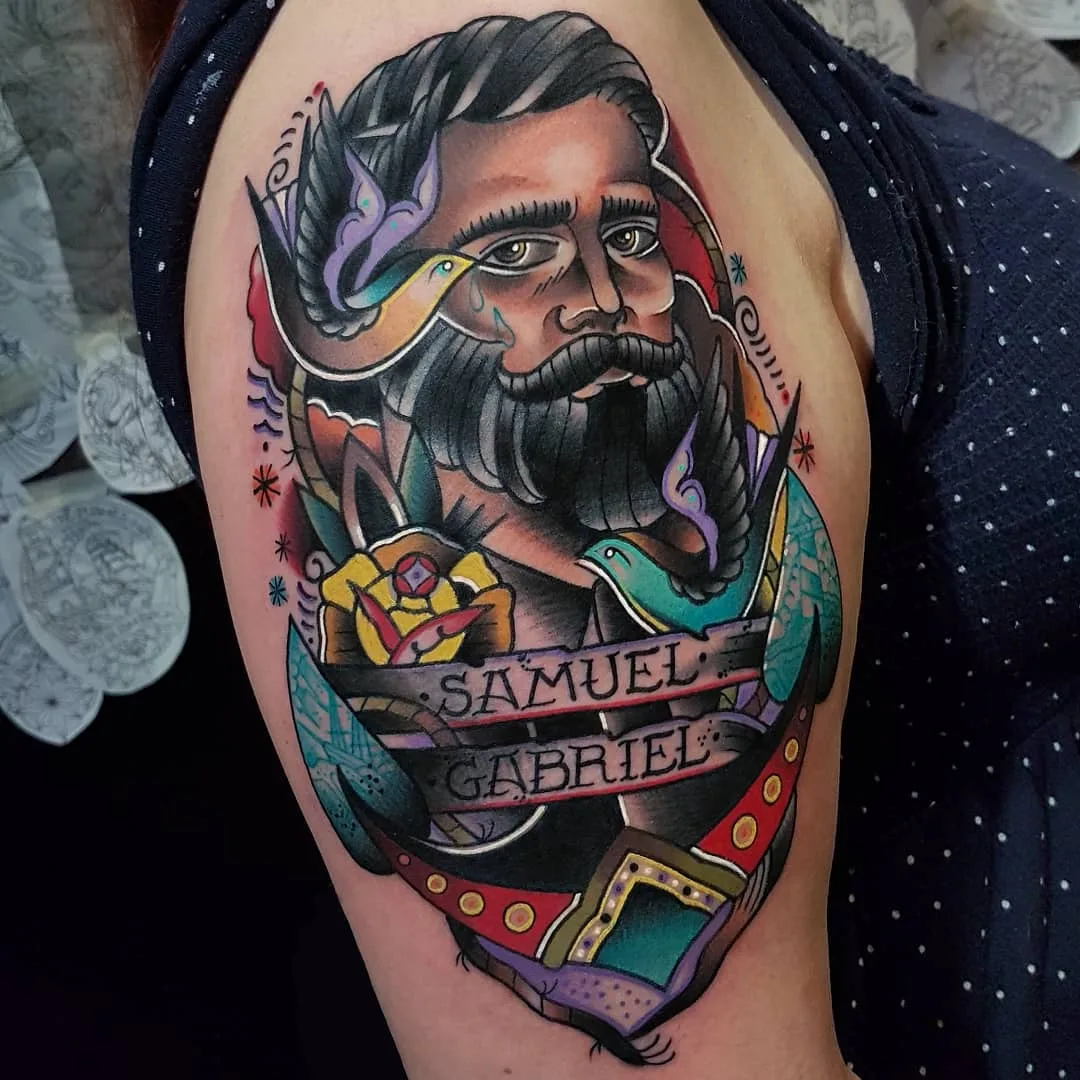
A rose shifts the focus toward affection, remembrance, or the person waiting ashore. A banner with a name or “Mom” makes that dedication more direct in the language of traditional flash. If you want both a flower and a name, decide which you’d like people to notice first. A smaller bloom can frame the lettering, while a larger rose can take the lead and leave the name as a quieter detail.
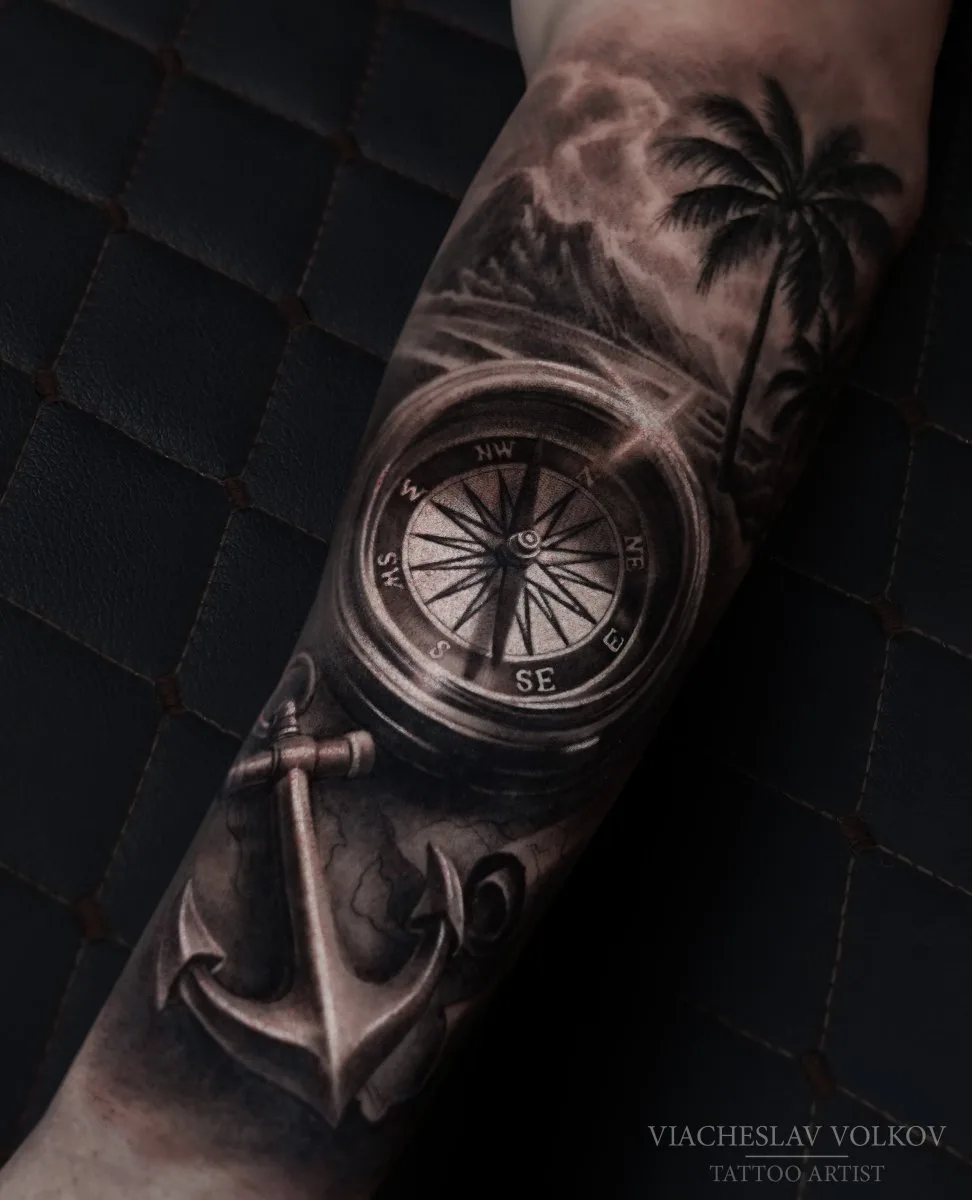
An anchor and compass tattoo tells a story in two parts: the compass gives you a heading, and the anchor gives you a place to hold. In sailor tattoo lore, the swallow is the bird of return, a natural choice if homecoming matters more to you than navigation. If you’re looking at bird references, compare the swallow’s forked tail with the rounder profile in sparrow designs. That difference helps the swallow read clearly, especially in a small piece.
Traditional, Fine Line and Placement
A traditional anchor tattoo makes the most of the shape with a heavy black outline and clear areas of color. Red and yellow can bring out a rose, banner, or rope while the anchor remains the strongest shape in the piece. If you’re comparing traditional tattoo artists, look at how they handle the gap between the shaft and the curved arms. That open space helps the outline stay readable when you add other elements.
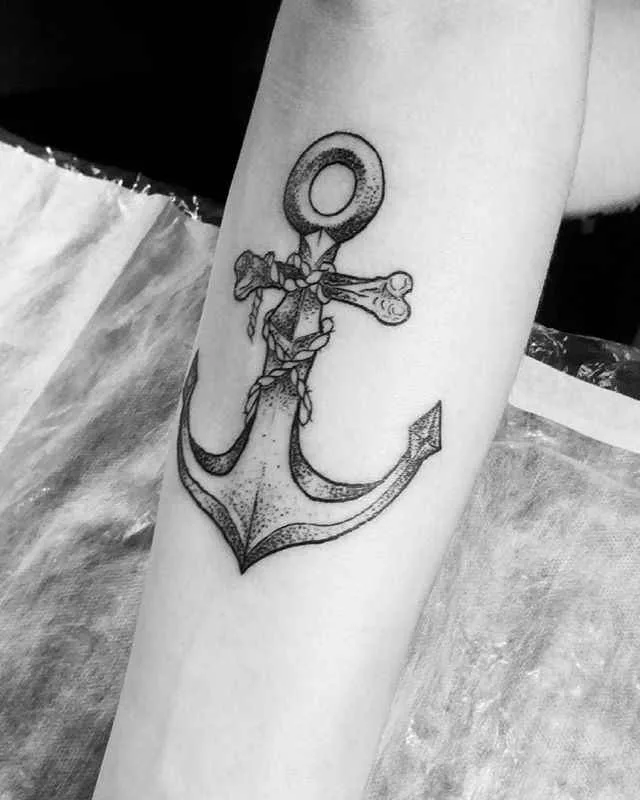
Fine line suits a pared-back anchor on the wrist or ankle, where a simple outline can carry the whole design. If you’re considering a finger, ask your artist to show you healed work there: finger tattoos tend to fade and blur faster, and fine lines show that wear first. A forearm gives a banner room to stretch, while the chest can accommodate a wider design. In a sleeve, the rope can curve around the arm and tie the anchor into the rest of the composition.
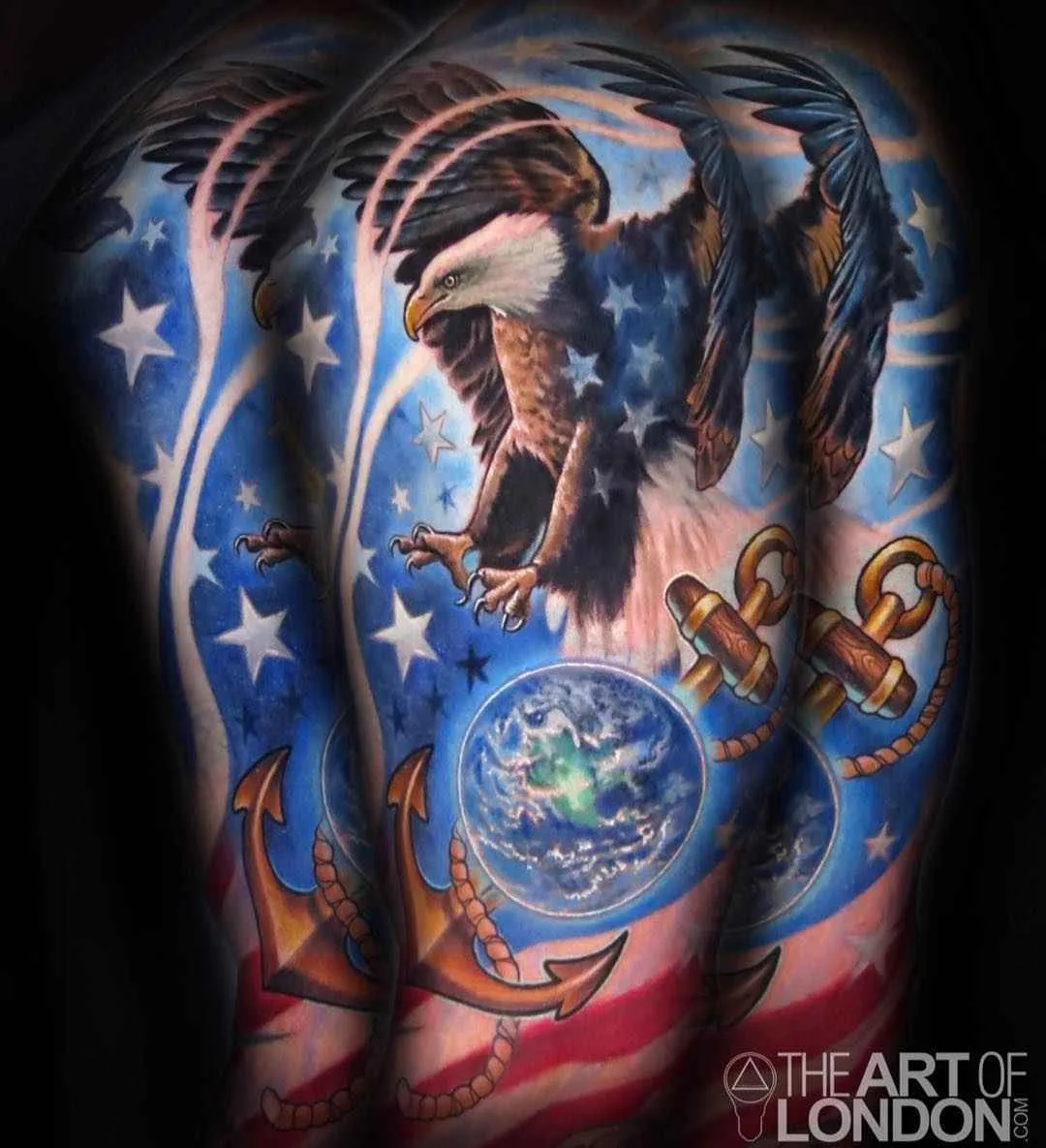
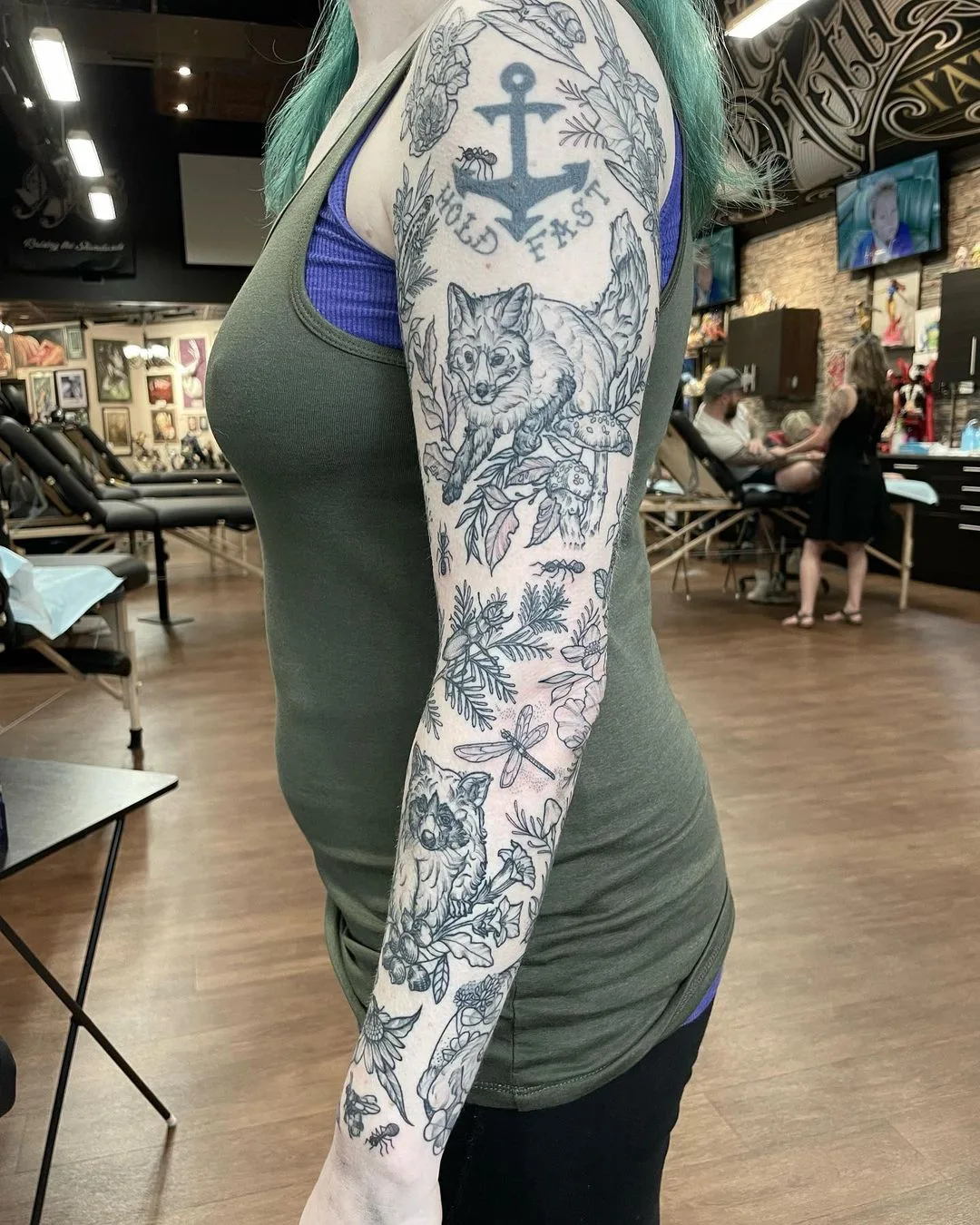
Treat placement as a choice about visibility, scale, and how the design follows your body. Ask to see the stencil with your arm relaxed as well as turned toward you. That’s especially useful when a name or compass lettering needs to read clearly from a particular angle.
FAQ


What does an anchor tattoo mean for a woman?
A woman can wear an anchor as a sign of faith, a reminder of recovery, a tribute to someone who keeps her steady, or a link to life at sea. If you’re choosing one for yourself, start with the story you want to tell and pick the details from there.
What does an anchor with a rope mean?
The rope is the line connecting the anchor to the ship, so it can stand for the bond that holds you steady. When the rope tangles around the anchor, the design echoes the fouled anchor of naval tradition.
Anchor and compass together?
Together they pair direction with stability. The compass is the part of the design that points you onward; the anchor is the part that brings to mind where you can stop, stay, or return.
Is an anchor tattoo a prison tattoo?
In the U.S., the anchor reads as a maritime and Christian symbol. Prison readings for it come up on Russian-language sites, and they vary from one site to the next.