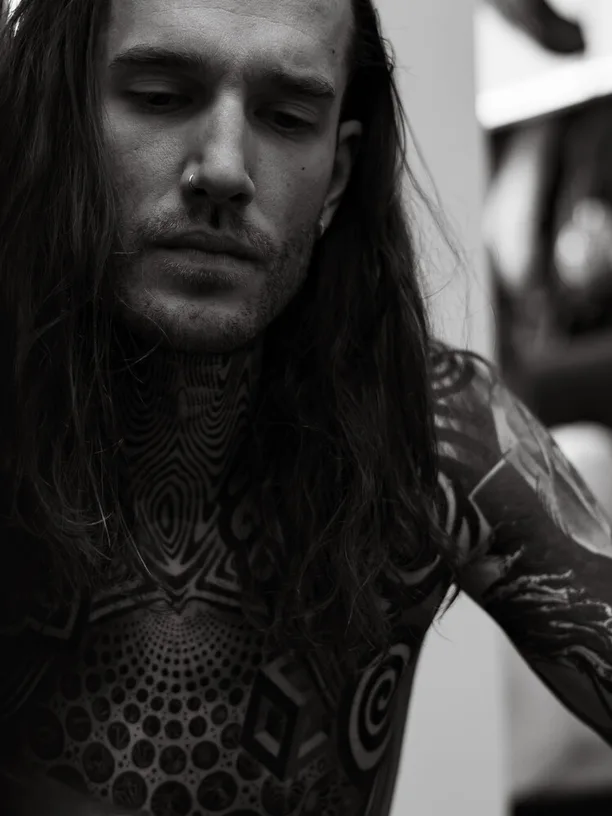
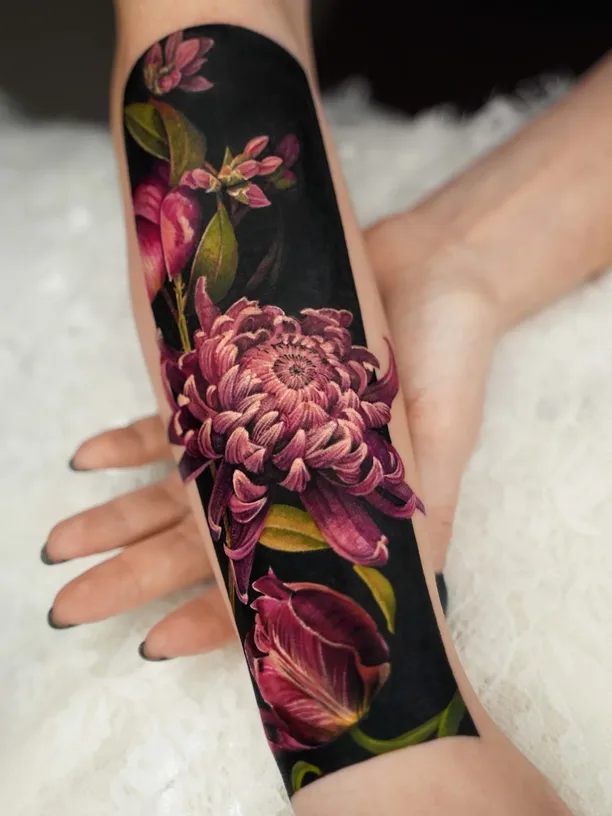
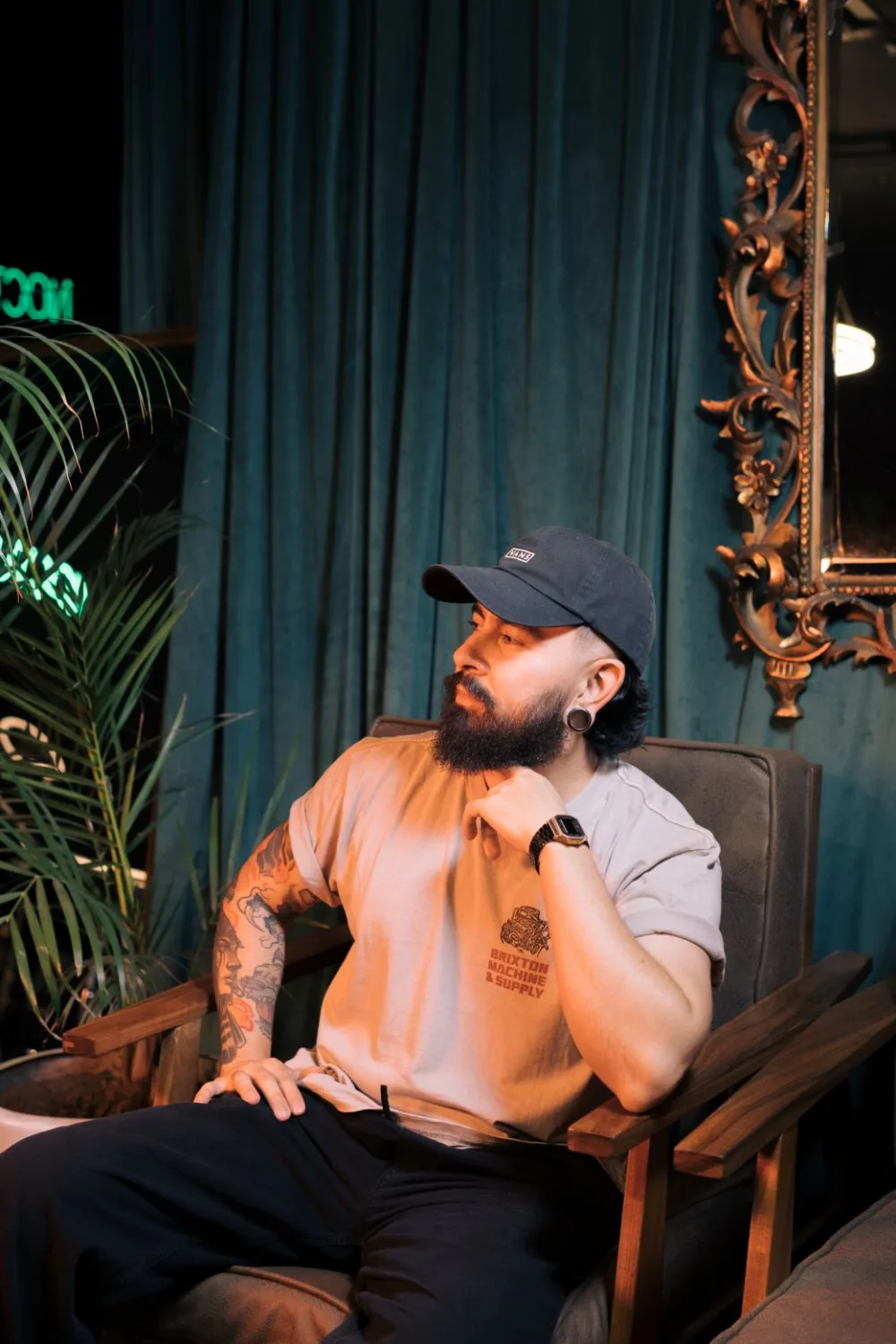
Some tattooers collect experience the way a traveler collects border stamps, compulsively, genuinely, because standing still feels wrong. Chris Neirar, born in Colombia and now working out of Mexico City, is that kind of artist. The road here was longer than most, and it shows in the work.
He started drawing as a child. Most tattooers do, but few follow that thread all the way through a Fine Arts degree. Neirar did. He began tattooing at eighteen on a homemade machine, a rite of passage that still carries real weight in parts of Latin America, and later enrolled at university to formalize what instinct had already set in motion. The academic training was deliberate. He wanted to bring as much of that structural knowledge as possible into his tattoo practice, and it worked.
That foundation is hard to fake. His compositions carry a structural confidence that comes from understanding figure, weight, and negative space before ever picking up a machine. Neirar is quick to credit the years after school as equally formative, though: the guest spots, the shared studios, late-night conversations with other artists in cities most people wouldn't immediately associate with tattooing.
Over thirty studios across multiple countries. That number means something. Each residency added something concrete, a technique refined by watching someone else solve a problem, a color approach borrowed from an artist working in a completely different tradition. "Along the way you pick up countless little tricks and techniques that you can only learn by sharing experiences with fellow tattooers," he has said. "That kind of knowledge is incredibly valuable."
“Along the way you pick up countless little tricks and techniques that you can only learn by sharing experiences with fellow tattooers.”
Mexico City wasn't the plan. The pandemic froze movement across the industry in 2020, and Neirar found himself staying put in a city he'd arrived in for other reasons entirely. What kept him there, once travel opened back up, was harder to quantify: the culture, the food, a tattoo scene with its own distinct gravitational pull. The city's dominant styles, Black & Gray, Chicano, lettering, sit at some distance from his own practice. That distance, it turned out, was useful.
He currently works at Nocturnal Tattoo Studio in La Roma, one of the capital's more design-conscious neighborhoods. The studio belongs to a close friend and runs on a guest-artist model that suits Neirar's sensibility well. Artists cycle through from other Mexican cities and from abroad, which means the floor conversation is rarely the same two weeks running. "The tattoo community in Mexico is huge," he notes, "and every region has its own identity and preferred styles, which makes it a very inspiring place to grow as an artist."
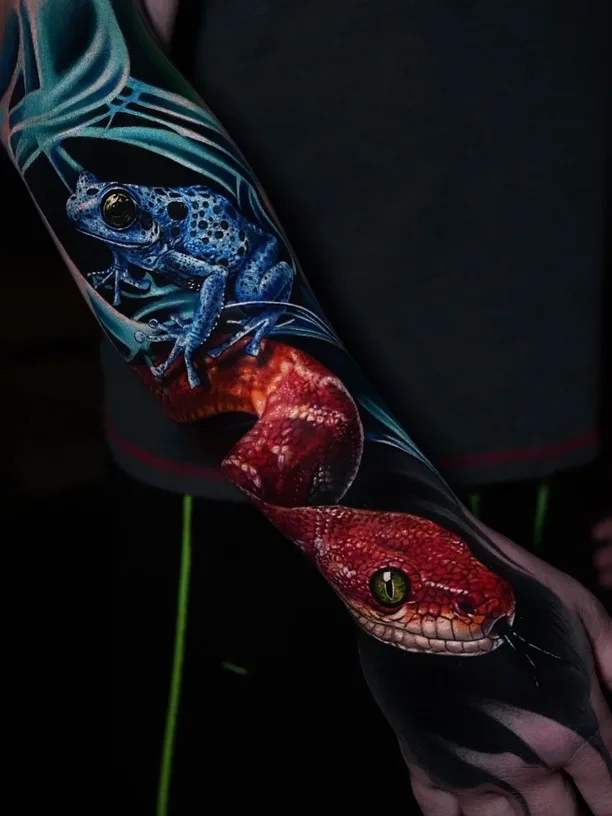
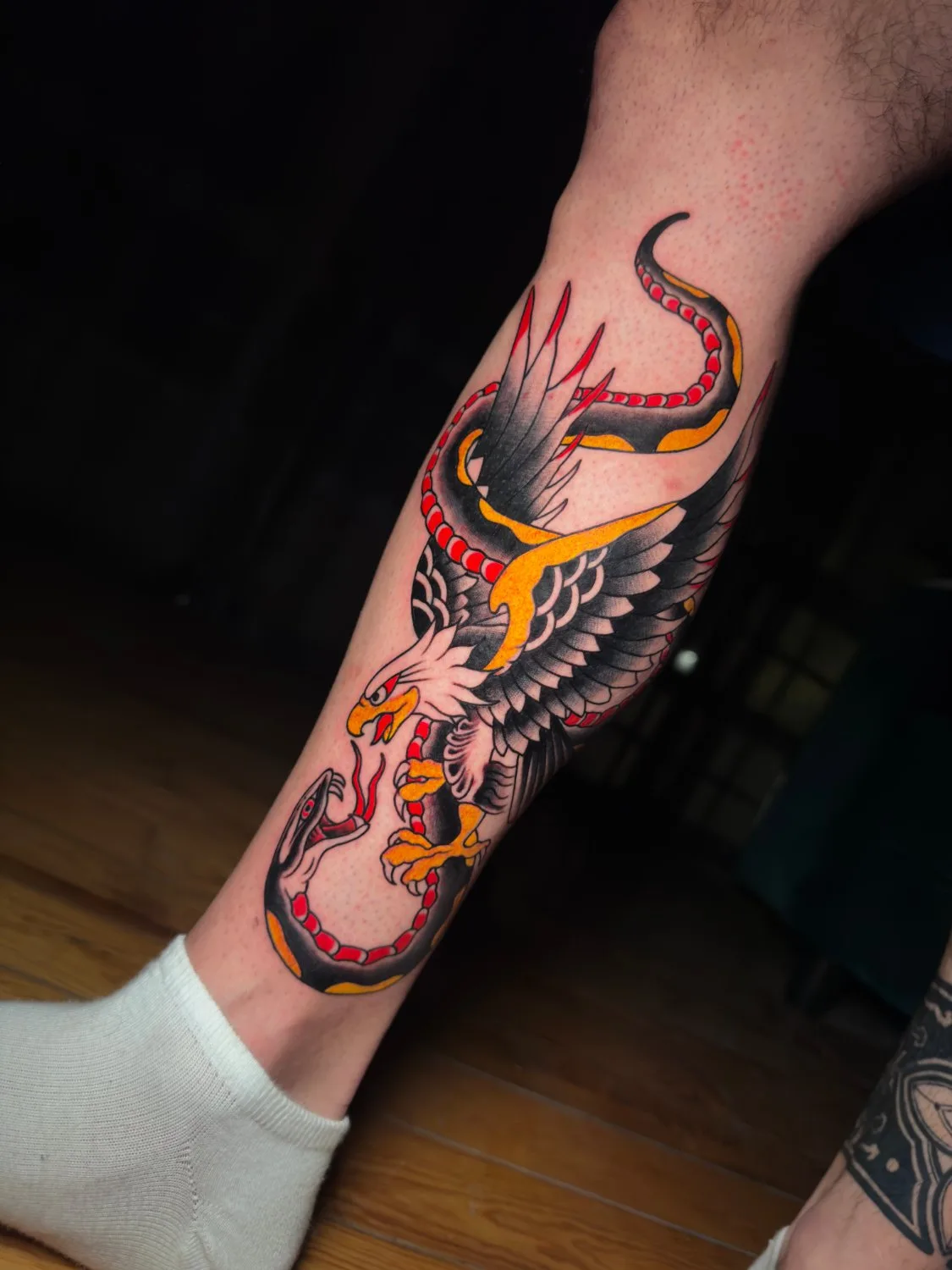
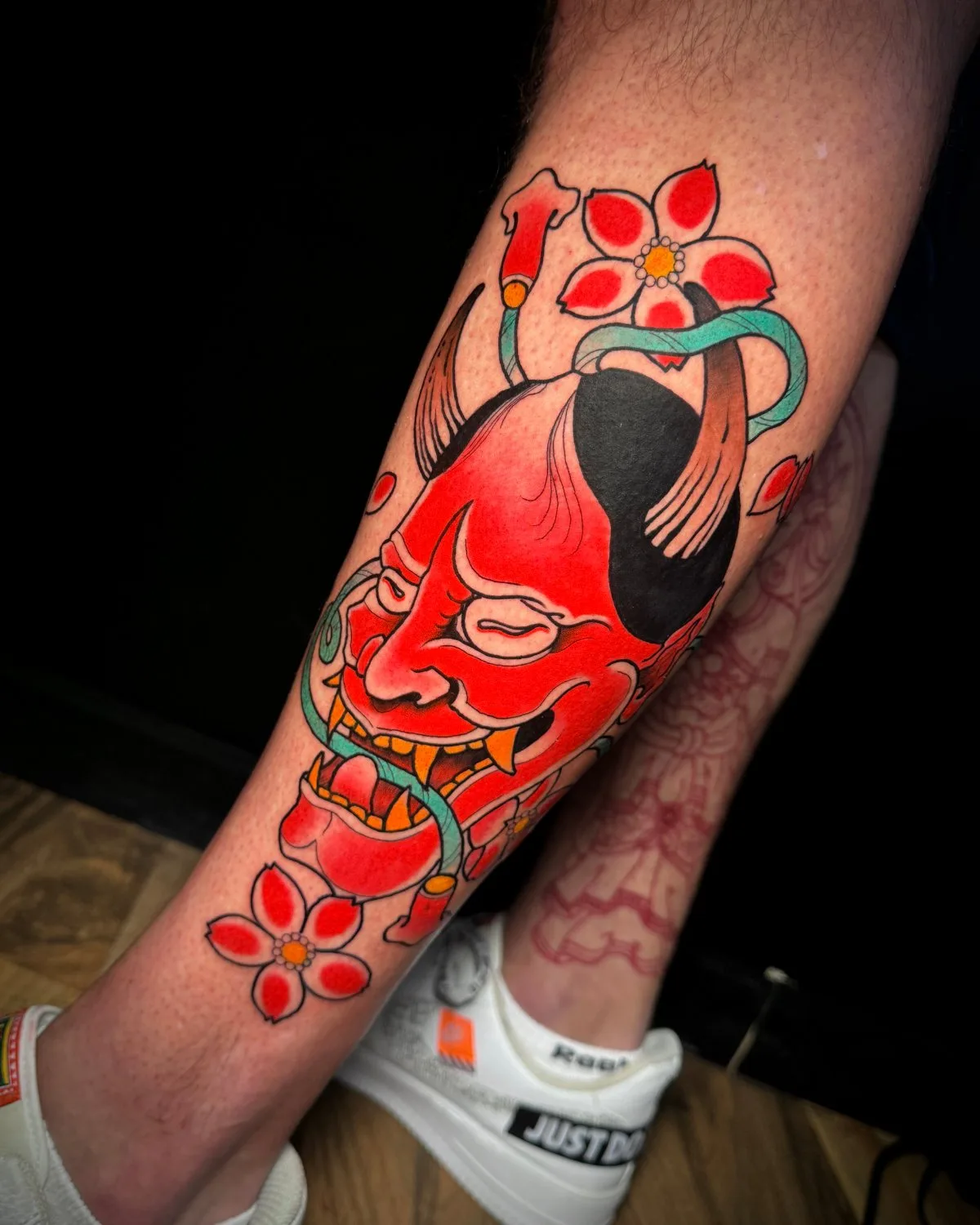
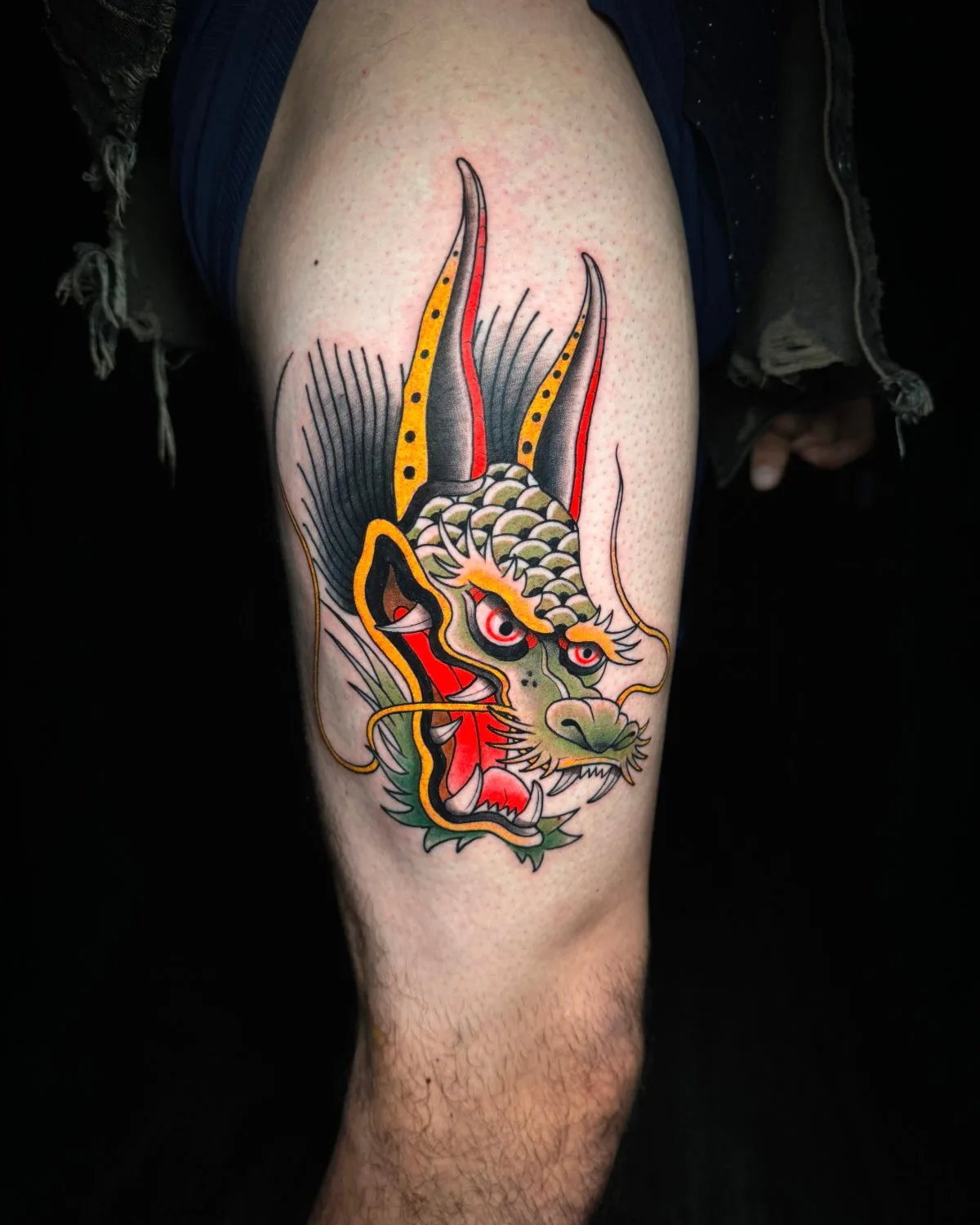
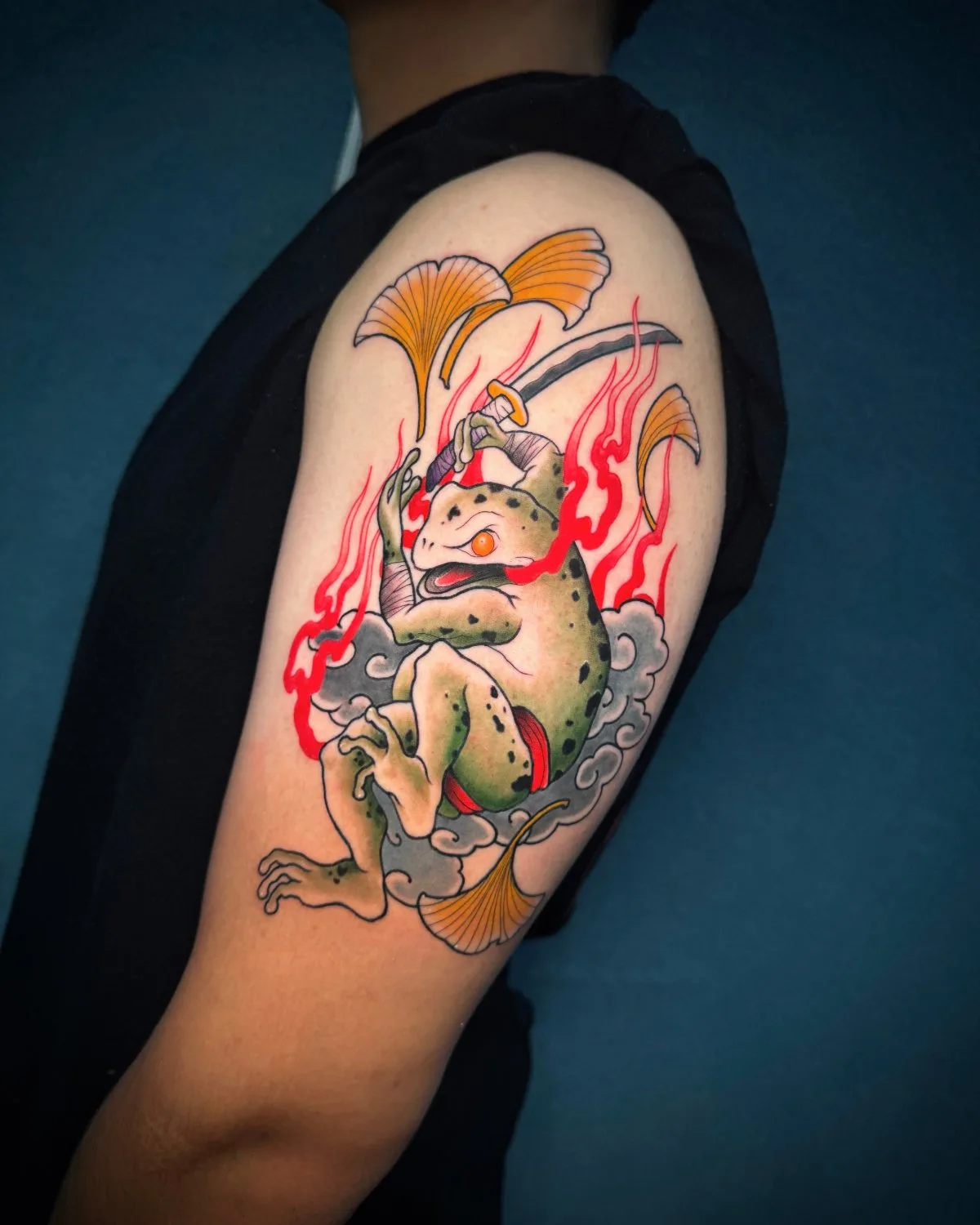
His portfolio shifted noticeably around 2024, when neo-traditional became the clear center of gravity. He still works in blackwork and steps outside familiar territory when a project calls for it, but the neo-traditional pieces now define how most collectors find him. The appeal, for Neirar, is partly historical. This is a style that grew from within tattoo culture rather than being imported wholesale from painting or illustration, it carries the structural logic of traditional tattooing, bold outlines and deliberate saturation, while opening up toward complexity and detail in ways that feel earned rather than grafted on.
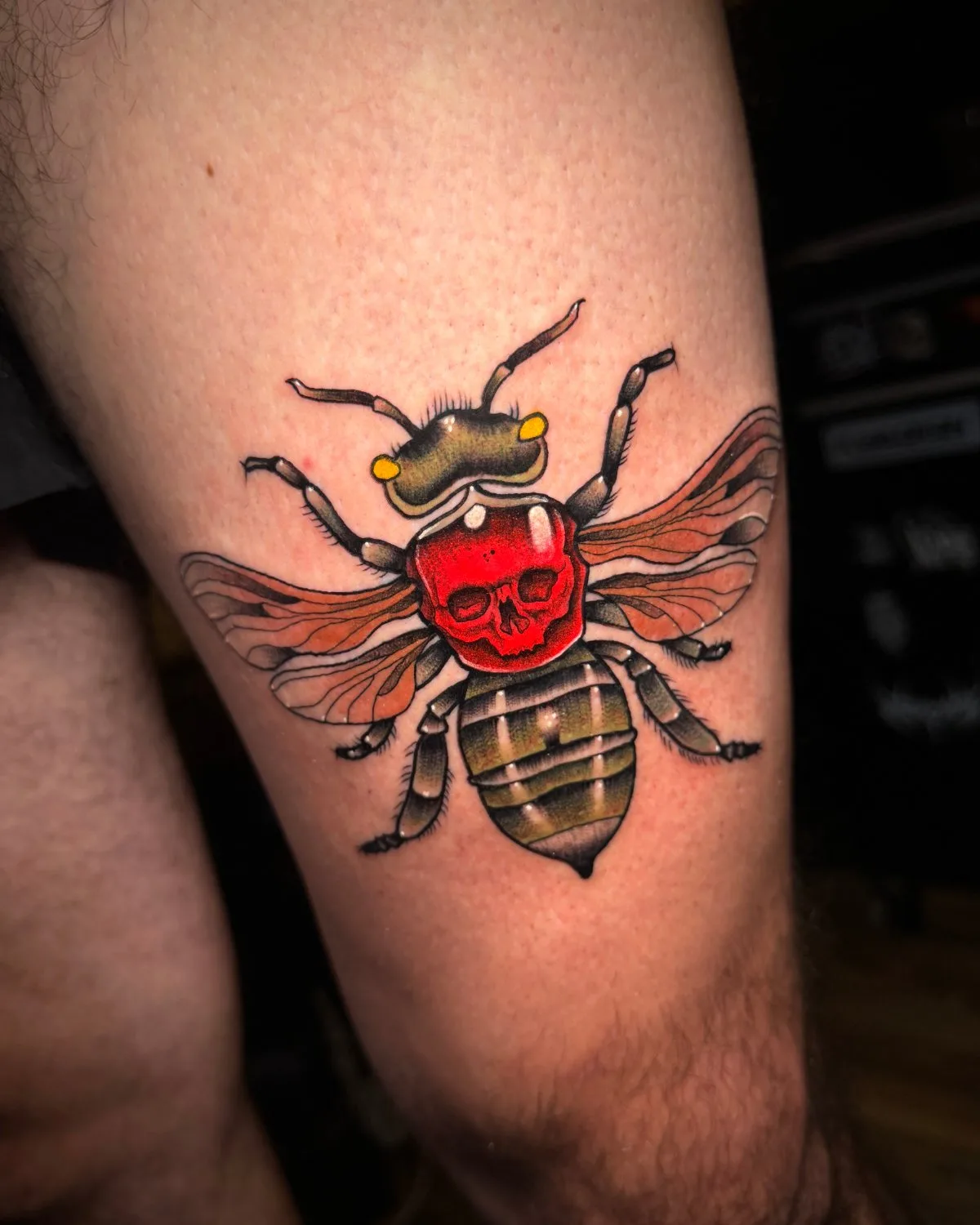
Longevity shapes every decision at the design stage. "I always think about how my tattoos will look ten or even twenty years from now," he has said, and that concern is visible in how he handles saturation and line weight. The pieces are built to hold. Color, when he uses it, is pushed toward vibrancy rather than subtlety, a considered choice about what survives on skin over decades, not just a stylistic preference.
“I always think about how my tattoos will look ten or even twenty years from now.”
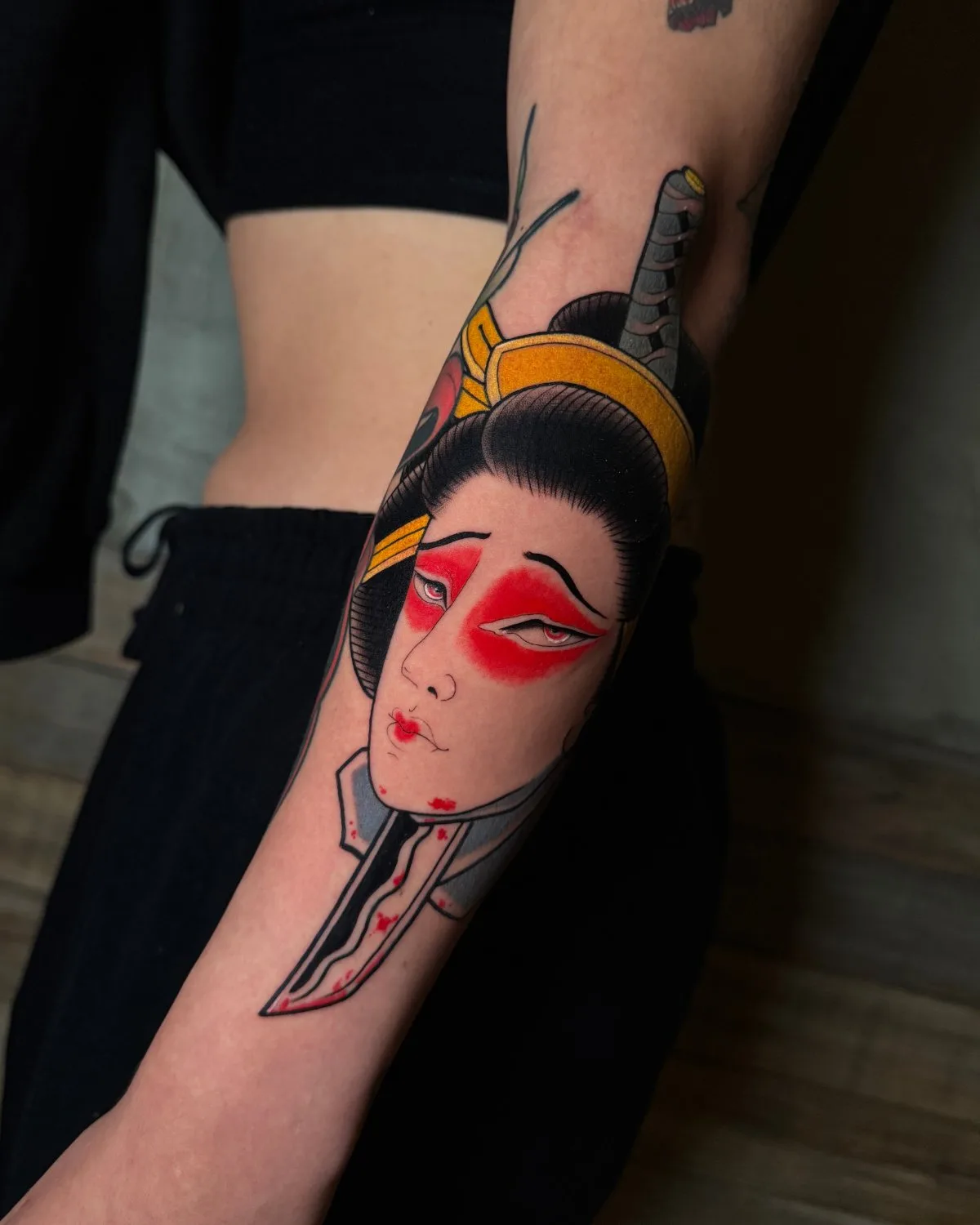
The thematic material he returns to most often sits at the intersection of ancient cultures, animals, and mythology. Asian mythology has drawn his attention lately, and the influence is evident in recent work: the compositional density, the particular way certain creatures are rendered, the decorative logic borrowed from traditions with their own long relationship to symbolic imagery. Neo-traditional has always been comfortable absorbing influences from outside Western tattooing, so the fit is natural.
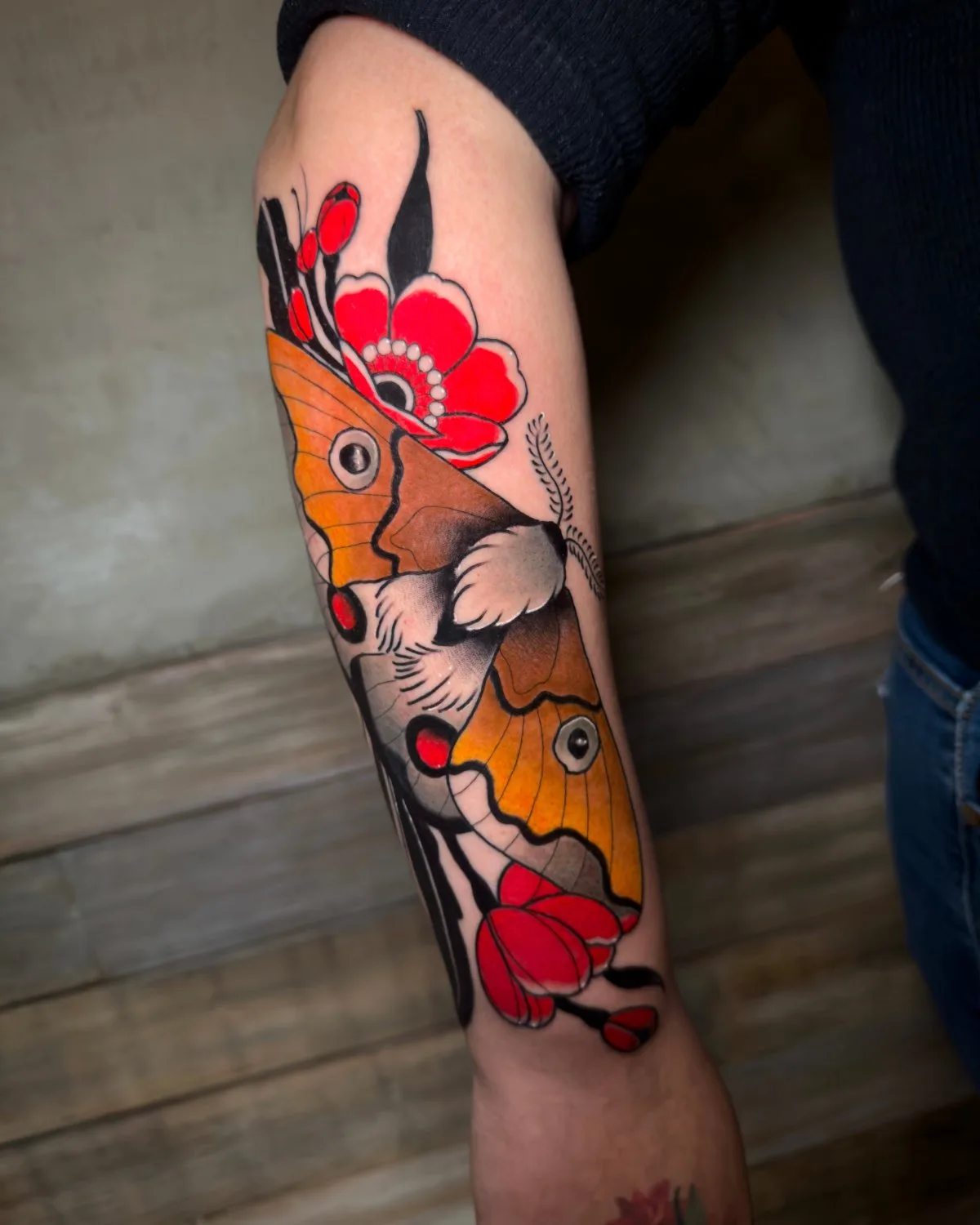
Line work is where he places the most emphasis when describing his own practice. Color palette comes second, something he describes as still evolving, still being refined. That openness about incompleteness seems genuine rather than performed modesty. "I don't think an artist ever truly finishes defining their style," he has said, "and that's actually one of the things I enjoy most." For someone who has been tattooing across two continents for years, that restlessness reads as professional honesty. Refreshingly so.
“I don't think an artist ever truly finishes defining their style, and that's actually one of the things I enjoy most.”
Freehand work has been pulling at him more recently. He doesn't tattoo entirely freehand, but he incorporates it into larger projects where the anatomy of a particular placement calls for it. The body isn't a flat canvas, and freehand lets a design follow the actual topography of muscle and bone rather than being mapped onto it from a stencil. He recommends the practice to other artists in straightforward terms: it teaches things that working from transfers simply cannot.
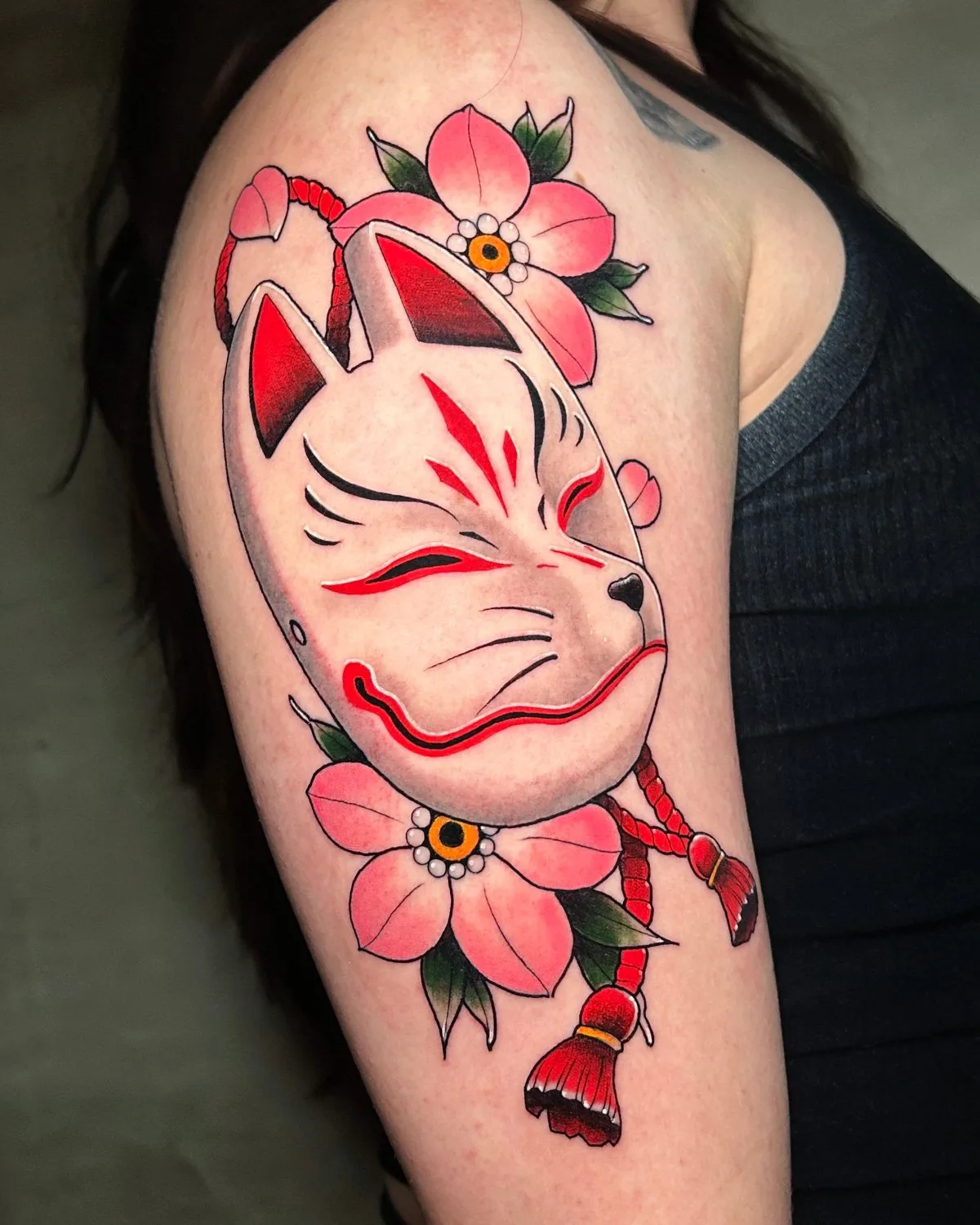
Convention work has run through his career like a consistent current, and the results have meant something real. At Tinta y Sangre Expo in Tijuana, a convention that draws serious competition partly because of its proximity to the US and Canadian border, he took first place in the Japanese category. At Expo Tattoo Contreras in Mexico City, he won first place in both the Japanese and American Traditional categories. The awards land differently for him than straight competition results might suggest. "I don't really see competitions as competitions, they're more of a recognition of years of hard work," he has said. "It's incredibly rewarding to have your work judged and appreciated by highly respected tattoo artists."
Querétaro Ink deserves its own mention. He has competed there, enjoyed it enough to say he sometimes forgets he is the foreigner in the room, and has also served on the judging panel. That last part is a different kind of recognition, and, in some ways, a more significant one. Sitting alongside experienced artists and contributing to an event at that scale is the sort of invitation that tends not to find artists who have only been good for a short while.
The collaborations that have shaped him most have been informal rather than branded: two artists in the same studio for a week, designing together, tattooing together, arguing about approach. Guest spots have a way of forcing honesty. At home, in familiar surroundings, it is easy to default to what already works. Somewhere else, with someone else watching, the limits come into view, "many of which are mental more than anything else," as he puts it.
What comes next involves other continents. He has received invitations to work outside the Americas for the first time, and he expects the coming year to open doors that have not been open before. The ambition is framed in no terms of market or exposure. It reads more like the same impulse that drove him through thirty studios in the first place: more people, more places, more of the kind of knowledge that only moves between artists in person.
Neirar's practice is, at its core, a long argument for accumulation over specialization, not the accumulation of styles for their own sake, but the kind that builds toward something coherent and durable. The neo-traditional work he makes now carries the weight of everything before it: the Fine Arts training, the blackwork years, the years in Mexico learning from a tradition that had nothing obvious to teach him. That is probably why the pieces hold. They were made by someone who has been paying attention for a long time.